Anti-Inflammatory Diet: 21-Day Meal Plan
Learn which foods fight chronic inflammation, which to limit, and follow a flexible 21-day anti-inflammatory meal plan backed by dietitian advice.

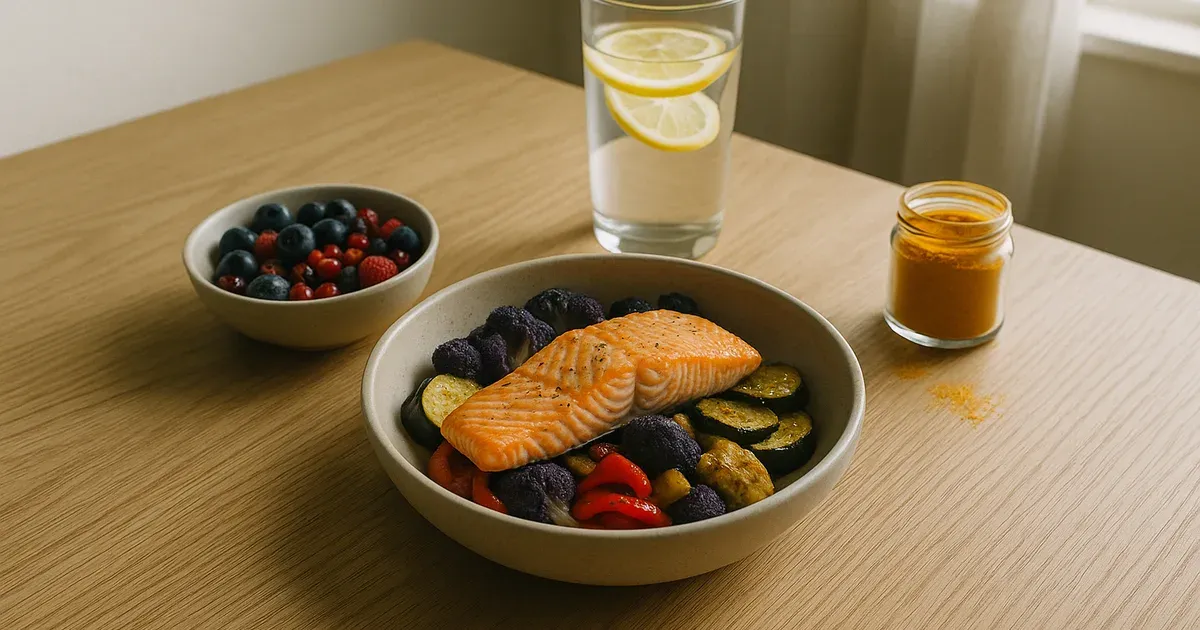
Tired all the time despite sleeping well? Stiff joints in the morning, persistent brain fog, slow-healing wounds, and a gut that never quite settles — these aren't random inconveniences. They're signals that chronic inflammation may be quietly driving the problem.
The encouraging news: your diet is one of the most powerful levers you can pull. An anti-inflammatory diet doesn't mean deprivation or complicated rules. It means shifting toward whole, colorful, nutrient-dense foods that actively calm the immune system — and away from the ultra-processed ones that keep it in a constant state of alarm.
This guide covers exactly what to eat, what to limit, and gives you a practical 21-day meal plan to make it real.
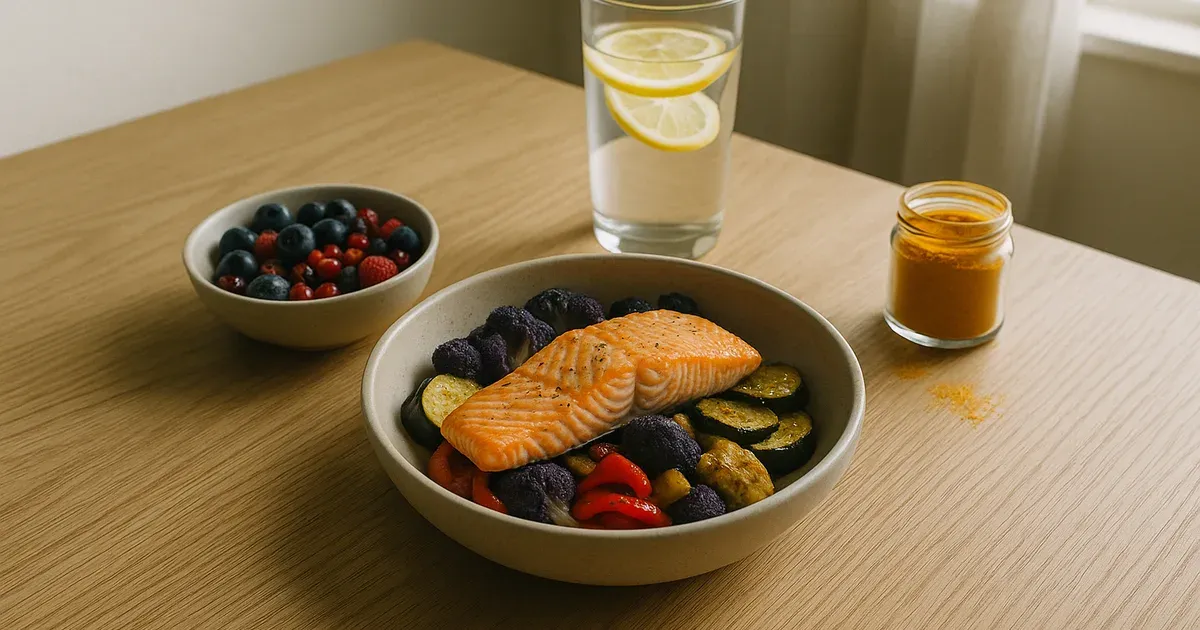
What Is Chronic Inflammation — and Why Does Diet Matter?
Inflammation itself isn't the enemy. According to physician Gia Eapen, MD, "Inflammation is your body's natural defense mechanism. When you get a cut, your immune system sends inflammatory cells to heal it — this is acute, short-term inflammation, and it's a good thing."
The problem starts when that response never switches off. Chronic inflammation can persist for months or years, silently damaging healthy cells and tissues. Over time, it's linked to serious conditions including heart disease, type 2 diabetes, rheumatoid arthritis, lupus, inflammatory bowel disease, and psoriasis.
Common triggers of chronic inflammation include:
- A diet high in processed foods, added sugars, and refined carbohydrates
- Smoking and alcohol abuse
- Chronic stress
- Antibiotic overuse
- Exposure to mold, pesticides, and toxic household chemicals
- Toxins in certain skincare products
Diet is unique among these triggers because it's something you can act on at every single meal. Research on eating patterns like the Mediterranean diet consistently shows that food choices have a measurable impact on inflammatory markers in the body.
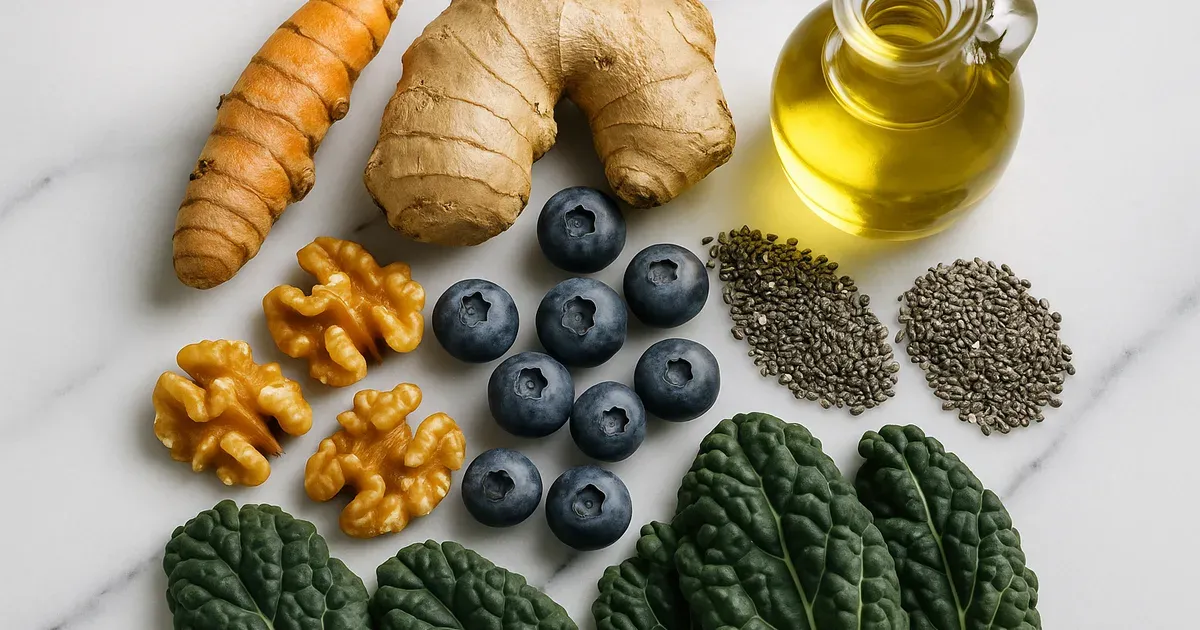
Anti-Inflammatory Diet: Foods to Prioritize
"Building an anti-inflammatory plate is all about adding color, dietary fiber, and healthy fats," says Registered Dietitian Rita Faycurry, RD. "Instead of focusing on restriction, think about crowding out less healthy options with vibrant, flavorful foods."
Here are the core food groups to build your meals around:
Colorful Fruits and Vegetables
Strawberries, blueberries, blackberries, cherries, oranges, spinach, kale, broccoli, mushrooms, bell peppers, carrots, and sweet potatoes are all rich in polyphenols — antioxidants that protect cells from inflammatory damage. Aim to "eat the rainbow" daily.
Fatty Fish
Salmon, mackerel, sardines, and tuna are high in omega-3 fatty acids, which are among the most well-studied anti-inflammatory nutrients available. Aim for at least two servings per week.
Healthy Fats
Extra-virgin olive oil, avocados, walnuts, almonds, chia seeds, and flaxseeds provide unsaturated fats that support cell membrane health and help dampen the inflammatory response.
Whole Grains and Legumes
Oats, quinoa, brown rice, whole-wheat bread, beans, lentils, and chickpeas deliver dietary fiber that feeds beneficial gut bacteria and has been shown to lower systemic inflammation.
Herbs and Spices
Turmeric, ginger, cinnamon, garlic, and rosemary aren't just flavor enhancers — they contain potent anti-inflammatory compounds like curcumin (turmeric) and gingerol (ginger) that work at the cellular level.
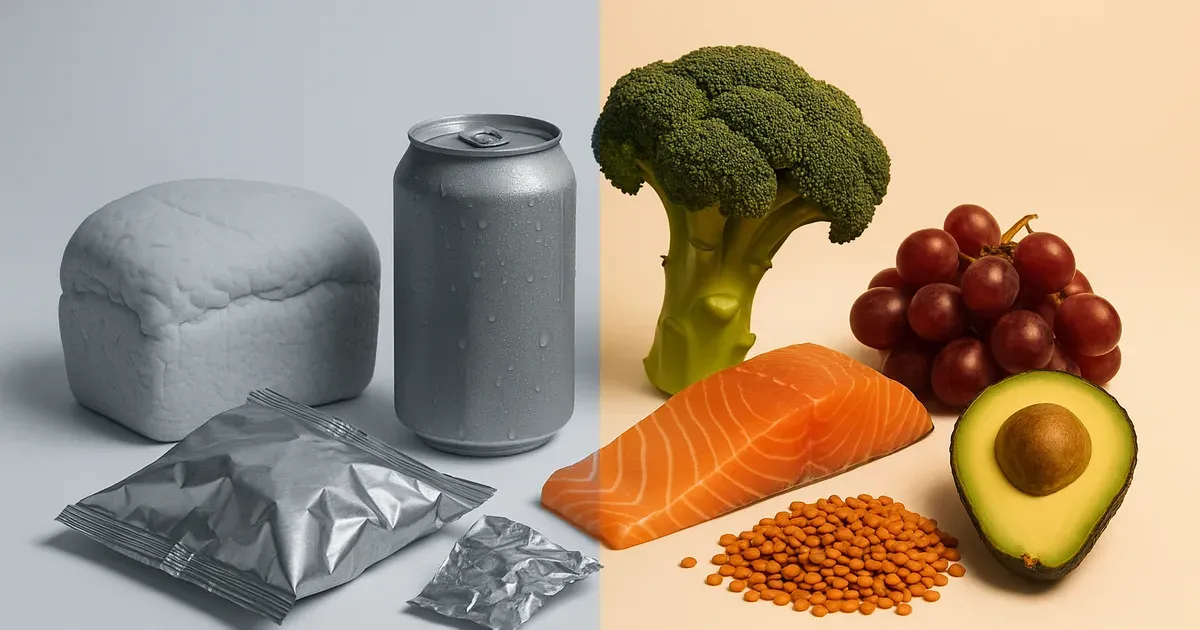
Foods to Limit on an Anti-Inflammatory Diet
You don't need to eliminate these foods entirely. Reducing how frequently and how much you eat them makes a meaningful difference over time. Think of it as turning down the volume on inflammation rather than flipping a switch.
- Sugary beverages and sweets: Soda, fruit juices with added sugar, candy, and packaged baked goods spike blood sugar and promote inflammatory pathways.
- Refined carbohydrates: White bread, white rice, and most packaged chips and crackers have been stripped of their fiber — the very component that makes carbs anti-inflammatory.
- Processed and red meats: Sausages, hot dogs, and deli meats are high in saturated fat and often contain preservatives linked to inflammation. Limiting red meat in general is also recommended.
- Fried foods: Deep-frying creates harmful compounds called advanced glycation end-products (AGEs) that promote oxidative stress.
- Processed seed and vegetable oils: Soybean, corn, and other refined oils are high in omega-6 fatty acids, which become pro-inflammatory when they far outweigh omega-3 intake.
Individual Sensitivity Triggers
Some healthy foods can still be inflammatory for certain people. Pay attention to how your body responds to:
- Gluten (wheat, rye, barley) — problematic for those with celiac disease or non-celiac gluten sensitivity
- Dairy — can trigger inflammation in people with lactose intolerance or casein sensitivity, though it has anti-inflammatory effects for others
- Nightshades — tomatoes, eggplant, potatoes, and peppers contain alkaloids that may aggravate symptoms in some people with autoimmune conditions
If you're experiencing ongoing digestive issues, Eapen, MD, advises consulting a healthcare provider or a gut health dietitian who can identify the root cause and tailor a nutrition plan specifically for you.
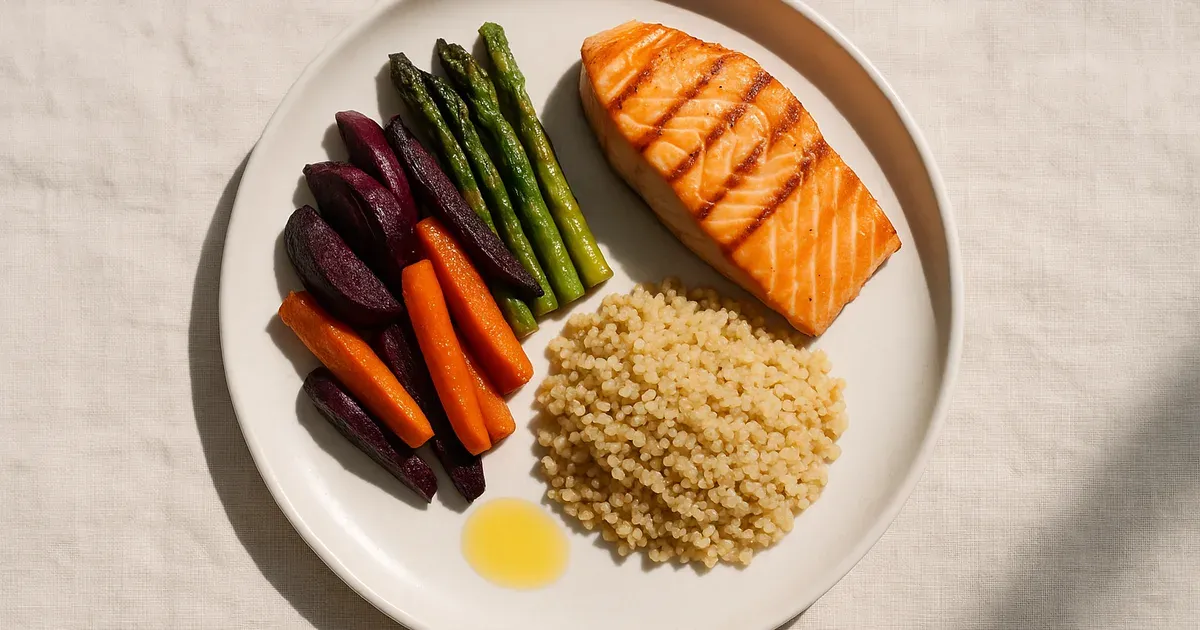
How to Build Your Anti-Inflammatory Plate
Every meal is an opportunity. Before you get to the 21-day plan, here's a simple framework you can apply to any plate:
- Fill half your plate with vegetables — aim for multiple colors to cover a wide range of antioxidants and phytonutrients.
- Add a lean protein (roughly a quarter of your plate) — fatty fish, chicken, tofu, beans, or lentils keep you full and support tissue repair.
- Include a healthy fat — a drizzle of olive oil, sliced avocado, or a handful of walnuts. Fat also helps your body absorb fat-soluble vitamins A, D, E, and K from vegetables.
- Choose a high-fiber carb — quinoa, a slice of whole-grain bread, or a small sweet potato for sustained energy and gut-friendly fiber.
This framework works whether you're cooking from scratch or assembling something quickly. It's the foundation every meal in the 21-day plan is built on.
Your 21-Day Anti-Inflammatory Meal Plan
This plan is a flexible starting point, not a rigid prescription. Swap meals based on your preferences, what's in season, and what's available. The goal is to repurpose ingredients creatively across the week to minimize waste and cooking time.
Week 1
Day 1
- Breakfast: Berry almond oatmeal — ½ cup rolled oats cooked in unsweetened almond milk, topped with ½ cup mixed berries, 1 tbsp chopped almonds, and a sprinkle of cinnamon.
- Lunch: Mediterranean quinoa salad — 1 cup cooked quinoa with diced cucumber, cherry tomatoes, ½ cup chickpeas, dressed with olive oil, lemon juice, and fresh dill.
- Dinner: Lemon herb salmon with roasted asparagus — 4-oz salmon fillet baked at 400°F for 12–15 minutes with lemon, garlic powder, and oregano. Served with roasted asparagus and a small baked sweet potato.
- Snacks: Apple with 1 tbsp almond butter; a handful of walnuts.
Day 2
- Breakfast: Avocado toast — mashed avocado on whole-grain toast, topped with smoked paprika, lime juice, and mixed seeds (pumpkin, hemp). Add scrambled egg whites for extra protein.
- Lunch: Chicken and veggie bowl — mixed greens topped with 3 oz grilled chicken, roasted vegetables, and a tahini-lemon dressing.
- Dinner: Turmeric lentil soup — red lentils simmered with diced tomatoes, turmeric, cumin, ginger, and vegetable broth. Serve with a slice of whole-grain bread.
- Snacks: Carrot sticks with hummus; a small handful of mixed nuts.
Day 3
- Breakfast: Green smoothie — blend 1 cup spinach, ½ frozen banana, ½ cup frozen mango, 1 tbsp chia seeds, and unsweetened almond milk.
- Lunch: Sardine and white bean salad — canned sardines over arugula with white beans, cherry tomatoes, and a lemon-olive oil dressing.
- Dinner: Baked mackerel with roasted root vegetables — mackerel fillet with rosemary and garlic, served alongside roasted carrots, parsnips, and beets.
- Snacks: Orange slices; a small bowl of blueberries with a few walnuts.
Days 4–7: Continue rotating the same protein-vegetable-fat-carb formula. Use leftover salmon in a grain bowl, repurpose lentil soup as a pasta sauce base, or toss roasted vegetables into an egg scramble for breakfast.
Week 2
Introduce new proteins and flavor profiles while keeping the plate-building framework intact.
- Proteins to rotate in: Baked cod, grilled tofu, edamame, black bean tacos.
- Grains to explore: Farro, buckwheat, barley (if no gluten sensitivity).
- Vegetables to add: Roasted Brussels sprouts, steamed bok choy, sautéed Swiss chard with garlic.
- Flavor boosts: Miso-ginger dressing, harissa paste, tahini sauce with lemon and garlic.
A sample Day 8 dinner: Miso-glazed cod over brown rice with sautéed bok choy and sesame seeds. Quick, rich in omega-3s, and loaded with gut-friendly fermented miso.
Week 3
By week three, the goal is habit formation. Meals should feel intuitive rather than effortful. Focus on batch cooking: prepare a large pot of grains on Sunday, roast a sheet pan of vegetables, and cook a double batch of legumes to draw from throughout the week.
- Batch-cook staples: Quinoa or brown rice, roasted sweet potato cubes, a pot of spiced chickpeas.
- Quick assembly meals: Layer batch-cooked ingredients into bowls with fresh greens, a protein, and a sauce.
- New recipes to try: Turmeric chicken skewers, black bean and avocado wraps, ginger-poached salmon with wilted kale.

Beyond Diet: Other Levers for Lowering Inflammation
Food is foundational, but it's not the whole picture. The following lifestyle factors significantly influence chronic inflammation:
- Sleep quality: Poor or insufficient sleep elevates inflammatory markers like C-reactive protein (CRP). Prioritize 7–9 hours and consistent sleep and wake times.
- Regular movement: Moderate aerobic exercise (brisk walking, cycling, swimming) has well-documented anti-inflammatory effects. Even 30 minutes most days makes a measurable difference.
- Stress management: Chronic stress keeps cortisol elevated, which drives systemic inflammation. Practices like breathwork, meditation, or simply spending time in nature help regulate the stress response.
- Gut health: A diverse, fiber-rich diet supports a balanced gut microbiome — and a healthy microbiome is one of the strongest regulators of immune function and inflammation.
Think of the anti-inflammatory diet as part of a wider lifestyle, not a standalone fix.
The Bottom Line
Chronic inflammation is a slow burn — and the anti-inflammatory diet is one of the most evidence-backed ways to turn it down. By consistently choosing colorful vegetables, fatty fish, healthy fats, whole grains, and anti-inflammatory spices, while reducing processed foods, refined carbs, and excess sugar, you give your body the raw materials it needs to regulate its own immune response.
The 21-day plan above is a starting point, not a finish line. Small, consistent changes — an extra serving of berries here, swapping refined grain for quinoa there — compound into meaningful results over weeks and months.
If you're dealing with specific digestive symptoms or a diagnosed autoimmune condition, working with a gut health dietitian can help you build a truly personalized version of this approach.
Frequently Asked Questions
How long does it take for an anti-inflammatory diet to work?
Most people notice early changes within 2–4 weeks — improved energy, reduced bloating, or better sleep. Measurable reductions in inflammatory markers like CRP can take 6–12 weeks of consistent dietary changes.
Can an anti-inflammatory diet help with autoimmune disease?
Yes, research supports dietary intervention for several autoimmune conditions, including rheumatoid arthritis and inflammatory bowel disease. It's not a cure, but it can meaningfully reduce symptom severity and flare frequency alongside medical treatment.
Is the anti-inflammatory diet the same as the Mediterranean diet?
They overlap significantly. Both emphasize olive oil, fatty fish, legumes, whole grains, and abundant vegetables. The anti-inflammatory diet is a broader framework that may be more explicitly customized for individual triggers like gluten or dairy sensitivity.
Do I need to avoid all sugar on an anti-inflammatory diet?
No — the focus is on added sugars and sugary beverages, not naturally occurring sugars in whole fruit or dairy. Fruit, for example, is recommended because its fiber, vitamins, and polyphenols outweigh any concern about its natural sugar content.
What are the best anti-inflammatory spices to use daily?
Turmeric, ginger, and cinnamon are the most researched. Add turmeric and black pepper (black pepper enhances curcumin absorption) to soups and stews, ginger to smoothies or teas, and cinnamon to oatmeal or yogurt for easy daily use.