Anti-Inflammatory Diet: Reduce Inflammation in 21 Days
Follow this 4-step, 21-day anti-inflammatory diet plan to reduce chronic inflammation, heal your gut microbiome, and regain energy — without extreme restriction

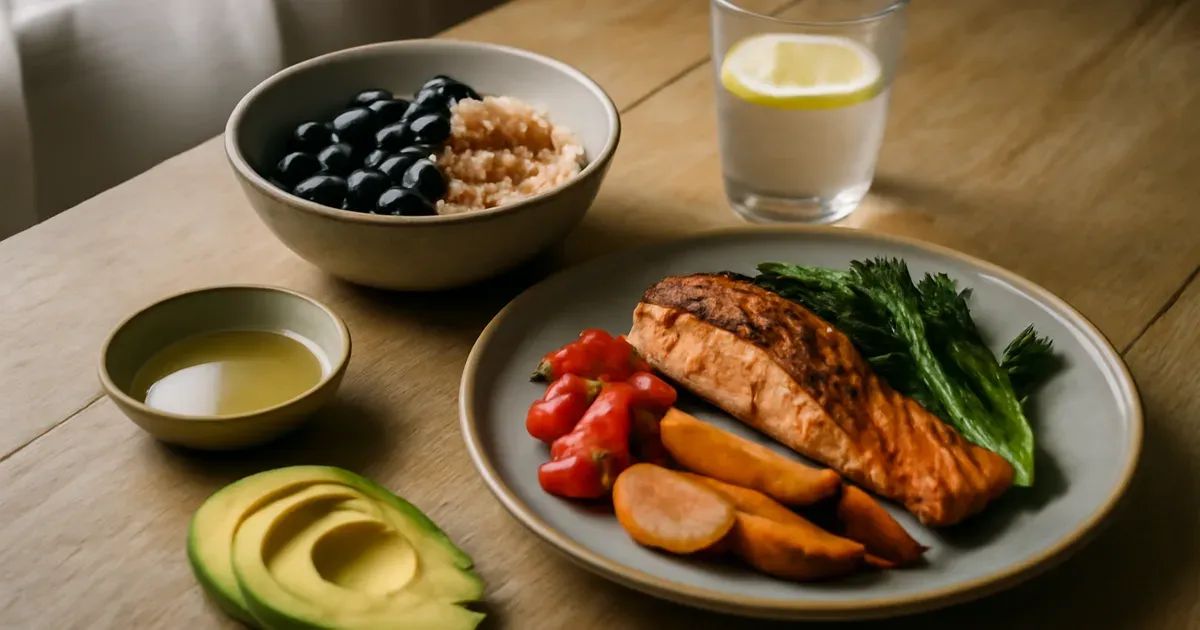
You eat reasonably well. You sleep enough. Yet you wake up exhausted, your joints ache before 9am, and your digestion feels like a slow-moving disaster. You've tried cutting out sugar for a week, adding a probiotic, maybe even a detox tea. Nothing sticks. Nothing truly helps.
The frustrating truth is that most people attacking inflammation are fixing the wrong things — or fixing the right things in the wrong order. Chronic inflammation doesn't announce itself loudly. It whispers through brain fog, slow-healing skin, and a gut that never quite feels settled.
This guide gives you a practical, step-by-step anti-inflammatory diet plan you can follow over 21 days — without eliminating entire food groups or living on bland salads.
Why Chronic Inflammation Happens in the First Place
Inflammation is not the enemy — your immune system uses it as a short-term repair tool. The problem starts when that repair signal never switches off.
According to physician Gia Eapen, MD, chronic inflammation occurs when the immune response remains "on" for months or even years. Over time, that sustained immune activation begins damaging healthy cells rather than protecting them, and is linked to heart disease, type 2 diabetes, arthritis, and autoimmune conditions.
Several modern lifestyle factors keep the inflammatory switch stuck in the "on" position:
- A diet high in processed foods, refined carbohydrates, and added sugars spikes blood glucose and feeds harmful gut bacteria
- Gut microbiome imbalance — an overgrowth of inflammatory bacteria relative to beneficial strains — drives systemic inflammation via the gut-brain axis
- Chronic stress elevates cortisol, which disrupts both immune regulation and the gut lining
- Poor sleep reduces the body's overnight anti-inflammatory repair processes
- Environmental exposures — mold, pesticides, and certain household chemicals — add to the body's inflammatory burden
The gut microbiome connection is especially important. Research shows that a disrupted microbiome (dysbiosis) increases intestinal permeability — sometimes called "leaky gut" — allowing bacterial fragments to enter the bloodstream and trigger widespread immune activation. Fixing your diet is the fastest way to begin rebalancing that ecosystem.
Step 1: Clear the Inflammatory Fuel From Your Kitchen
The first move is subtraction, not addition. Before you can build an anti-inflammatory plate, you need to stop actively pouring petrol on the fire. This step takes one weekend and creates the conditions for everything that follows.
Start by auditing your kitchen for the biggest inflammation drivers. Sugary beverages — sodas, fruit juices with added sugar — spike blood glucose and feed pro-inflammatory gut bacteria within hours of consumption. Refined carbohydrates like white bread and packaged crackers strip out the dietary fibre that your microbiome relies on to produce short-chain fatty acids (SCFAs), the compounds that actually calm intestinal inflammation.
Processed and red meats, fried foods, and seed oils high in omega-6 fatty acids (soybean oil, corn oil) are the other main culprits. You don't need to throw everything away at once. Reduce frequency and quantity — moving from daily to occasional is enough to shift your inflammatory load meaningfully.
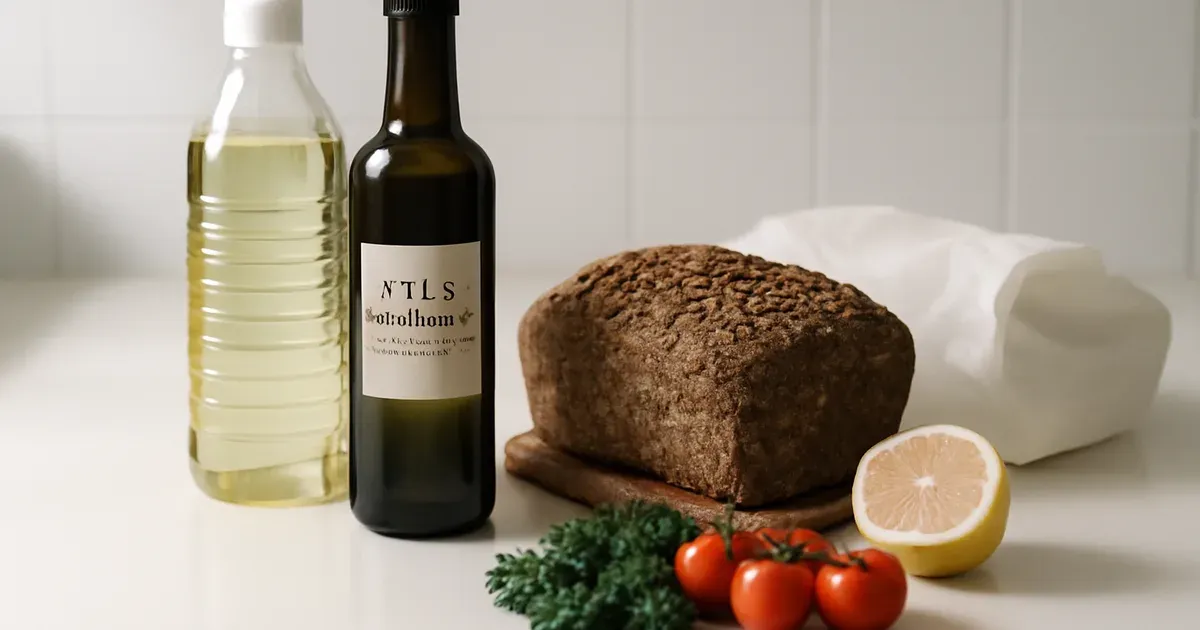
Pro tip: Replace seed oils immediately with extra-virgin olive oil. This single swap introduces oleocanthal, a compound with anti-inflammatory properties comparable to low-dose ibuprofen, according to nutritional research.
Step 2: Build Every Plate Around Colour, Fibre, and Healthy Fat
Adding anti-inflammatory foods is where the real transformation happens. Registered Dietitian Rita Faycurry, RD, explains it well: "Building an anti-inflammatory plate is all about adding colour, dietary fibre, and healthy fats. Instead of focusing on restriction, think about crowding out less healthy options with vibrant, flavorful foods."
Here is how to structure every meal:
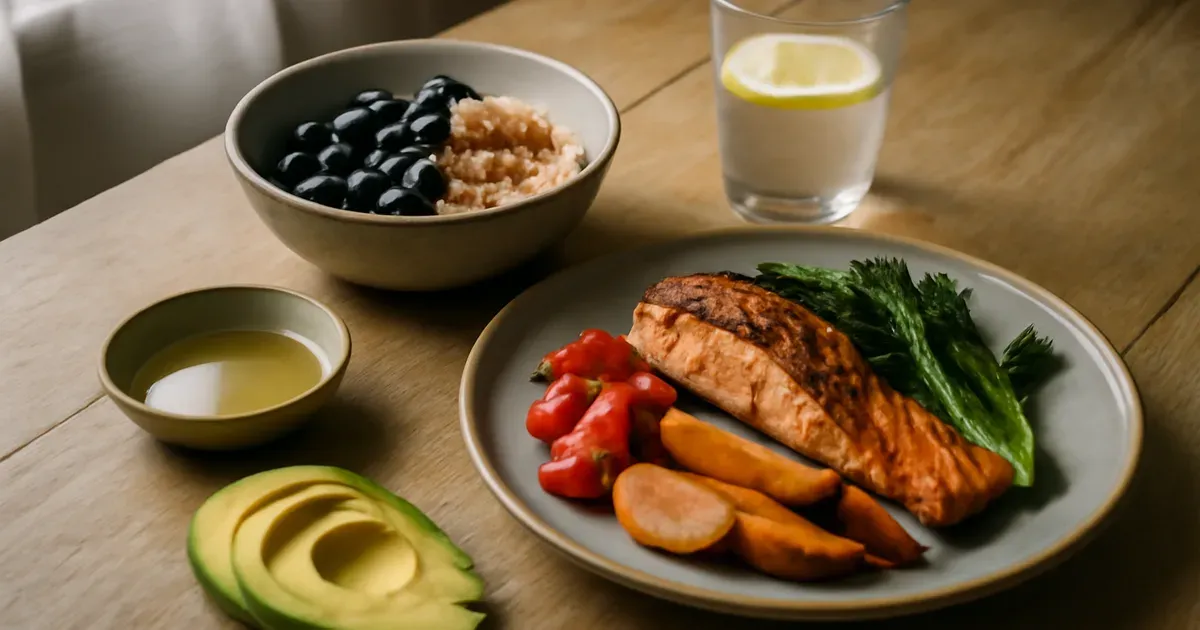
- Half your plate: colourful vegetables and fruit. Blueberries, spinach, kale, broccoli, bell peppers, sweet potatoes, and carrots are packed with polyphenols — antioxidants that protect cells from inflammatory damage. Eating the rainbow ensures a wide spectrum of protective phytonutrients.
- A quarter of your plate: lean protein. Fatty fish (salmon, mackerel, sardines) are the gold standard — their omega-3 fatty acids directly counteract inflammatory pathways. Chicken, tofu, lentils, and chickpeas are excellent alternatives.
- Add a healthy fat. Drizzle olive oil on salads, slice avocado onto toast, or scatter walnuts and chia seeds over oatmeal. Fat-soluble vitamins (A, D, E, K) from your vegetables are only absorbed in the presence of dietary fat.
- Choose a high-fibre carbohydrate. Oats, quinoa, brown rice, and sweet potato provide sustained energy and, critically, prebiotic fibre that feeds beneficial gut bacteria like Lactobacillus and Bifidobacterium.
Herbs and spices are non-negotiable. Turmeric, ginger, garlic, cinnamon, and rosemary all contain potent anti-inflammatory compounds. Turmeric's active component, curcumin, has been extensively studied for its ability to inhibit NF-κB, a key molecular driver of inflammation.
Step 3: Actively Nourish Your Gut Microbiome
Your gut microbiome is both a target and a tool of your anti-inflammatory diet. The trillions of bacteria, fungi, and other microorganisms living in your digestive tract communicate directly with your immune system — and via the gut-brain axis, with your mood, cognition, and stress response.
A diverse, fibre-rich diet is the most evidence-backed way to increase microbial diversity. Aim for 30 different plant foods per week — a target that sounds ambitious but becomes manageable when you count every fruit, vegetable, grain, legume, nut, seed, herb, and spice separately.
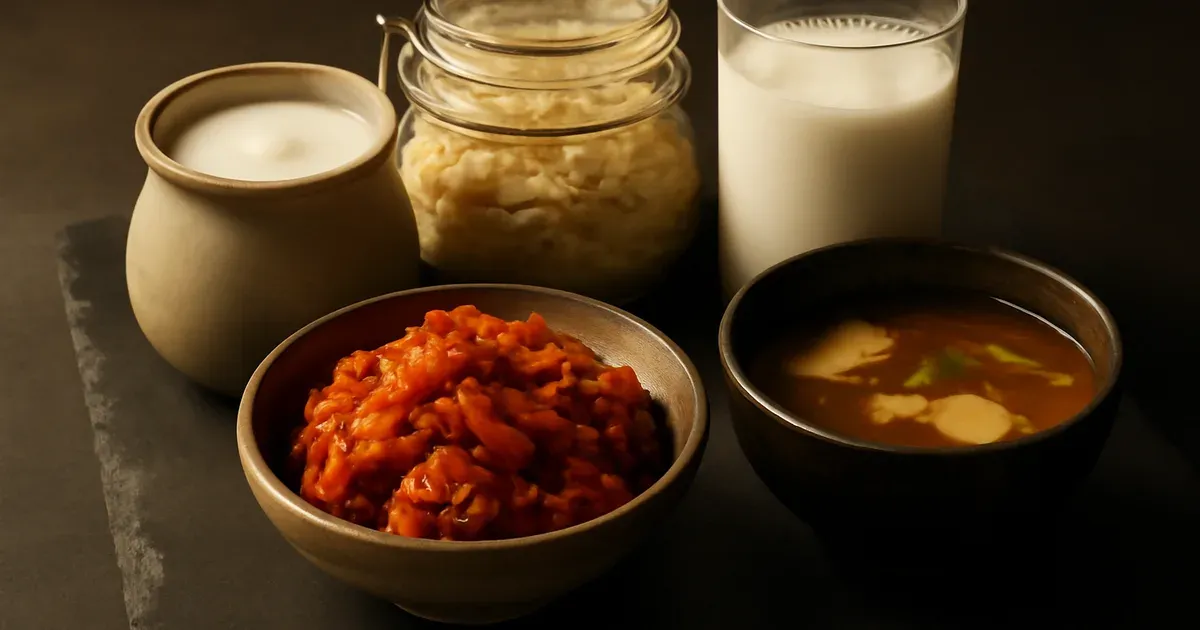
Fermented foods add live beneficial bacteria directly to your gut ecosystem. Incorporate one serving daily of any of the following:
- Plain live-culture yoghurt (if tolerated)
- Kefir
- Sauerkraut or kimchi (unpasteurised)
- Miso
- Kombucha (low-sugar varieties)
The gut-brain axis means that improving your microbiome has effects well beyond digestion. Studies show that a healthier gut microbial balance is associated with reduced anxiety, improved mood, and sharper cognitive function — all of which are also compromised by chronic inflammation. Think of your gut as the command centre, not just a digestive organ.
If you experience ongoing digestive symptoms — bloating, irregular bowel movements, or significant food sensitivities — consult a healthcare provider or gut health dietitian who can identify root causes and personalise your approach.
Step 4: Stack Lifestyle Habits That Amplify Diet Changes
Diet alone is powerful, but inflammation is also driven by what happens outside the kitchen. Three lifestyle factors have direct, measurable effects on inflammatory markers — and all three interact with gut health.
Sleep is when your body conducts its deepest anti-inflammatory repair. Chronic sleep deprivation elevates interleukin-6 and C-reactive protein (CRP), two key inflammatory markers. Aim for 7–9 hours and prioritise consistency in sleep timing over total hours.
Exercise produces anti-inflammatory myokines — signalling molecules released by muscle tissue during movement. A 30-minute brisk walk five days per week is enough to produce measurable reductions in systemic inflammation over weeks. Resistance training twice weekly adds further benefit by improving insulin sensitivity, which directly reduces metabolic inflammation.
Stress management closes the gut-brain loop. Chronic psychological stress increases intestinal permeability, promoting the very dysbiosis that drives inflammation. Practices like diaphragmatic breathing, mindfulness meditation, or even 10 minutes of daily journalling have been shown to lower cortisol and support gut barrier integrity. Choose one stress-reduction practice and do it daily — consistency matters far more than duration.
What to Expect: Your 21-Day Timeline
Progress on an anti-inflammatory diet is gradual but measurable. Here is a realistic phase breakdown:
Days 1–7 — Adjustment Phase: Your gut microbiome begins shifting within 48–72 hours of dietary changes. You may notice some bloating as fibre intake increases and your gut bacteria adapt. Energy may fluctuate. Stay consistent — this is normal microbial adjustment.
Days 8–14 — Early Wins: Most people report improved sleep quality, reduced afternoon energy crashes, and less bloating by the end of week two. Skin may begin to look clearer. Joint stiffness often starts to ease. The microbiome is actively diversifying.
Days 15–21 — Building Momentum: Brain fog lifts noticeably for many people. Digestion becomes more regular and comfortable. The gut-brain axis improvements become tangible — mood stabilises, stress feels more manageable. Inflammatory markers in bloodwork (if tested) typically begin showing meaningful improvement at the three to four week mark.

Mistakes That Slow Your Progress
- Going too restrictive too fast. Eliminating multiple food groups simultaneously causes nutrient gaps, increases stress, and is unsustainable. Focus on adding anti-inflammatory foods first.
- Ignoring individual trigger foods. Gluten, dairy, and nightshade vegetables (tomatoes, peppers, eggplant) are healthy for most people but inflammatory for those with specific sensitivities. If symptoms persist, investigate personal triggers with professional guidance.
- Neglecting prebiotic fibre. Adding probiotic supplements while eating a low-fibre diet is like planting seeds in concrete. The beneficial bacteria need fibre to survive and thrive.
- Treating it as a short-term fix. Three weeks is a starting point, not a finish line. The gut microbiome takes months to fully remodel. Sustainable habit changes outperform perfect short-term compliance.
- Overlooking stress and sleep. You cannot out-eat chronic stress. If cortisol remains elevated and sleep is disrupted, inflammatory markers will stay elevated regardless of diet quality.
What Can Help You Get There Faster
Three categories of tools support a successful anti-inflammatory transition:
1. Tracking and personalisation tools. Food and symptom journals — even a simple notebook — help you identify personal inflammatory triggers far faster than guesswork. Apps that track dietary diversity (number of plant foods per week) make the 30-plant-foods target concrete and motivating.
2. Gut microbiome testing. At-home microbiome testing kits analyse your stool sample to identify the balance of beneficial versus inflammatory bacterial species. Results can be used with a registered dietitian or functional medicine practitioner to personalise your fibre and fermented food choices based on your specific microbial profile.
3. Evidence-based supplementation. Omega-3 fish oil supplements can fill gaps when fatty fish intake is inconsistent. A high-quality, multi-strain probiotic may accelerate microbiome recovery, particularly after antibiotic use. Magnesium supports sleep quality and has mild anti-inflammatory effects. Always discuss supplementation with a qualified healthcare provider before starting.
Your 21-Day Anti-Inflammatory Diet: Quick-Reference Summary
✅ Step 1: Remove the top inflammatory foods — sugary drinks, refined carbs, seed oils, processed meats ✅ Step 2: Build every plate around colourful vegetables, lean protein, healthy fats, and high-fibre carbs ✅ Step 3: Nourish your gut microbiome daily with prebiotic fibre and fermented foods ✅ Step 4: Stack sleep, exercise, and stress management to amplify dietary gains ✅ Avoid: Going too restrictive, ignoring personal triggers, neglecting fibre, treating this as a short-term fix ✅ Expect: Microbiome shifts in days 1–7, early symptom relief by days 8–14, meaningful brain and body improvements by day 21
Frequently Asked Questions
How quickly does an anti-inflammatory diet affect gut health?
Gut bacteria begin responding to dietary changes within 48–72 hours. Research shows that measurable shifts in microbial composition can occur within a week of increasing dietary fibre and reducing processed foods. However, meaningful, sustained improvements in microbial diversity typically take four to eight weeks of consistent dietary changes.
Do I need to cut out gluten and dairy on an anti-inflammatory diet?
Not necessarily. Gluten and dairy are inflammatory only for people with specific sensitivities — celiac disease, non-celiac gluten sensitivity, lactose intolerance, or casein sensitivity. For most people, whole-food dairy (like plain yoghurt) actually has anti-inflammatory effects due to its probiotic content. If you suspect a sensitivity, an elimination trial under professional guidance is the most reliable way to find out.
What is the gut-brain axis and why does it matter for inflammation?
The gut-brain axis is the bidirectional communication network connecting your digestive system and your brain via the vagus nerve, immune signalling, and microbial metabolites. When gut bacteria are imbalanced (dysbiosis), inflammatory signals travel this axis in both directions — worsening systemic inflammation and affecting mood, cognition, and stress resilience. Improving gut health through diet is therefore one of the most effective ways to reduce both physical and neurological inflammation simultaneously.
Can I follow an anti-inflammatory diet if I have an autoimmune condition?
Yes, and it may be particularly beneficial. An anti-inflammatory diet closely resembles the evidence-backed Mediterranean diet, which has been associated with reduced disease activity in conditions like rheumatoid arthritis, lupus, and inflammatory bowel disease. That said, certain foods — particularly nightshades — can be triggers for some autoimmune conditions. Always work with your specialist or a registered dietitian to adapt the plan safely for your specific diagnosis.
Are probiotic supplements as effective as fermented foods for gut health?
Fermented foods generally have an edge for daily microbiome maintenance because they deliver live bacteria alongside a complex matrix of nutrients and prebiotics. Probiotic supplements are useful for targeted, short-term interventions — particularly after antibiotic use — or when fermented foods aren't accessible. The most effective approach combines a high-diversity, fibre-rich diet with fermented foods as the foundation, with supplements used strategically rather than as a substitute.