Anti-Inflammatory Meal Prep for a Healthier Gut
Learn how to reduce inflammation and support your gut microbiome with a 5-step anti-inflammatory meal prep system — no complicated recipes needed.

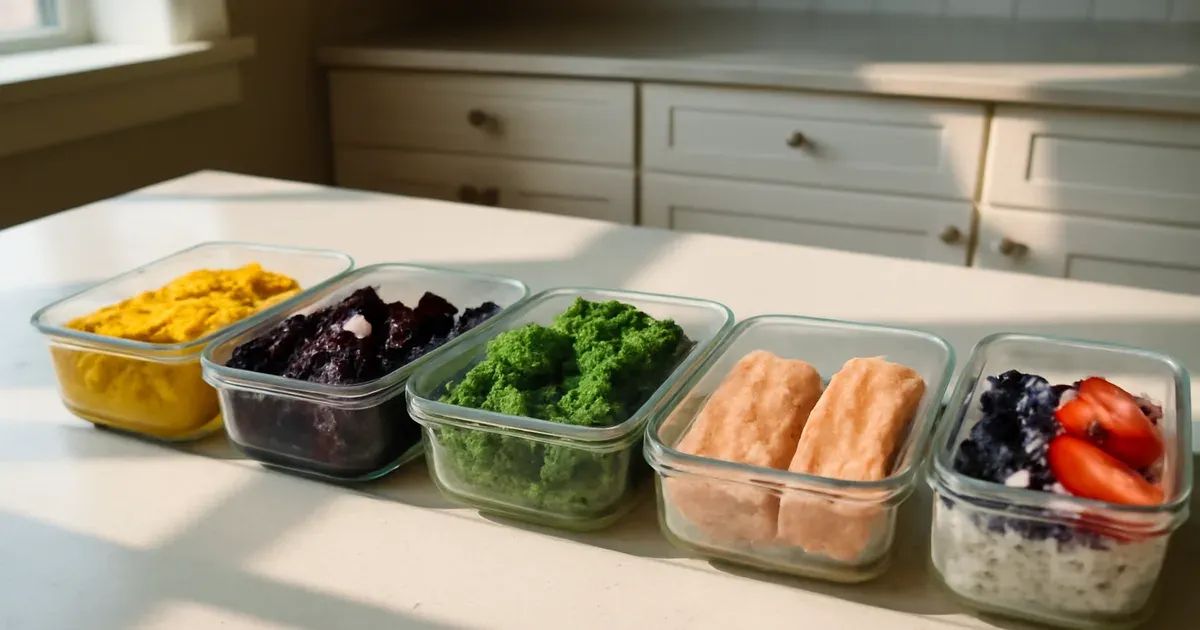
You already know inflammation is the enemy. Maybe you've tried cutting out sugar for a week, bought an expensive supplement, or followed a 30-day reset that collapsed by day nine. The fatigue, bloating, brain fog, or joint ache keeps coming back — and it's exhausting to feel like you're fighting your own body every single day.
The problem isn't willpower. It's that random "healthy eating" without a system rarely holds. What works is building repeatable, low-effort habits around food that actively calms inflammation — and supports the gut-brain axis at the same time. Anti-inflammatory meal prep gives you exactly that: a structured weekly routine that nourishes your microbiome, reduces systemic inflammation, and fits into a real life.
This guide shows you how to do it in five clear steps, without expensive ingredients or hours in the kitchen.
Why Chronic Inflammation Happens in the First Place
Most people think inflammation is something that happens to them. In reality, it's a feedback loop — and the gut sits right at the centre of it. Around 70% of the immune system lives in the gastrointestinal tract, meaning what you eat directly shapes how inflamed your whole body becomes.
- A disrupted microbiome (caused by ultra-processed foods, antibiotics, or chronic stress) reduces populations of anti-inflammatory bacteria like Lactobacillus and Bifidobacterium, leaving pro-inflammatory strains to dominate.
- A leaky gut barrier allows bacterial fragments called lipopolysaccharides (LPS) to enter the bloodstream, triggering a low-grade systemic inflammatory response linked to fatigue, mood dips, and metabolic dysfunction.
- Omega-3 deficiency — common in standard Western diets — tips the body's inflammatory signalling toward arachidonic acid pathways, making it harder to resolve inflammation naturally.
- Inconsistent eating patterns spike blood sugar and cortisol, both of which amplify inflammatory cytokines and starve beneficial gut bacteria of the fibre they need to thrive.
- Missing phytonutrients from colourful plants means fewer polyphenols reaching the colon, where gut microbes convert them into short-chain fatty acids — the main fuel for a calm, healthy gut lining.
The good news? Every one of these drivers responds directly to what you eat. And anti-inflammatory meal prep makes eating the right things the path of least resistance.
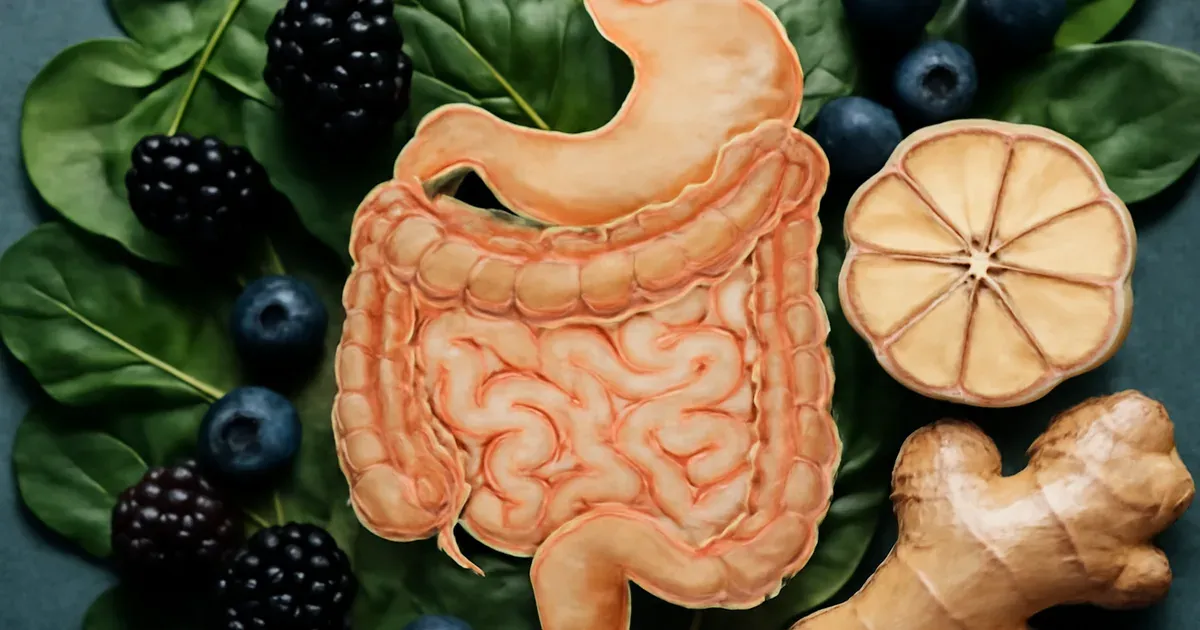
Step 1: Audit Your Kitchen and Build Your Anti-Inflammatory Pantry
Before you cook a single meal, set yourself up to succeed at the ingredient level. A well-stocked anti-inflammatory pantry means you'll never resort to inflammatory convenience food simply because there's nothing better available.
Start by removing the biggest offenders: refined seed oils (corn, sunflower, soybean), ultra-processed snacks with long ingredient lists, and anything with added sugar in the first three ingredients. These aren't just "empty calories" — they actively feed pro-inflammatory gut bacteria and suppress beneficial strains.
Then stock the essentials. Extra virgin olive oil is your primary cooking fat — it contains oleocanthal, a natural compound with COX-inhibiting effects similar to ibuprofen. Fill your pantry with whole grains (quinoa, brown rice, oats), canned fatty fish (sardines, wild salmon), legumes (chickpeas, black beans, lentils), and a spice shelf anchored by turmeric, ginger, garlic powder, and black pepper.
For your fridge and freezer, prioritise:
- Diverse vegetables — especially dark leafy greens, broccoli, and colourful bell peppers
- Berries (fresh or frozen) — among the highest polyphenol sources available
- Fermented foods — plain kefir, kimchi, sauerkraut, or live-culture yogurt to seed your microbiome with beneficial bacteria
- Walnuts, flaxseeds, and chia seeds — concentrated plant-based omega-3 sources
Pro-tip: Buy one new fermented food per week. Research from Stanford University (2021) found that a diet high in fermented foods increased microbiome diversity and reduced markers of inflammation within ten weeks.
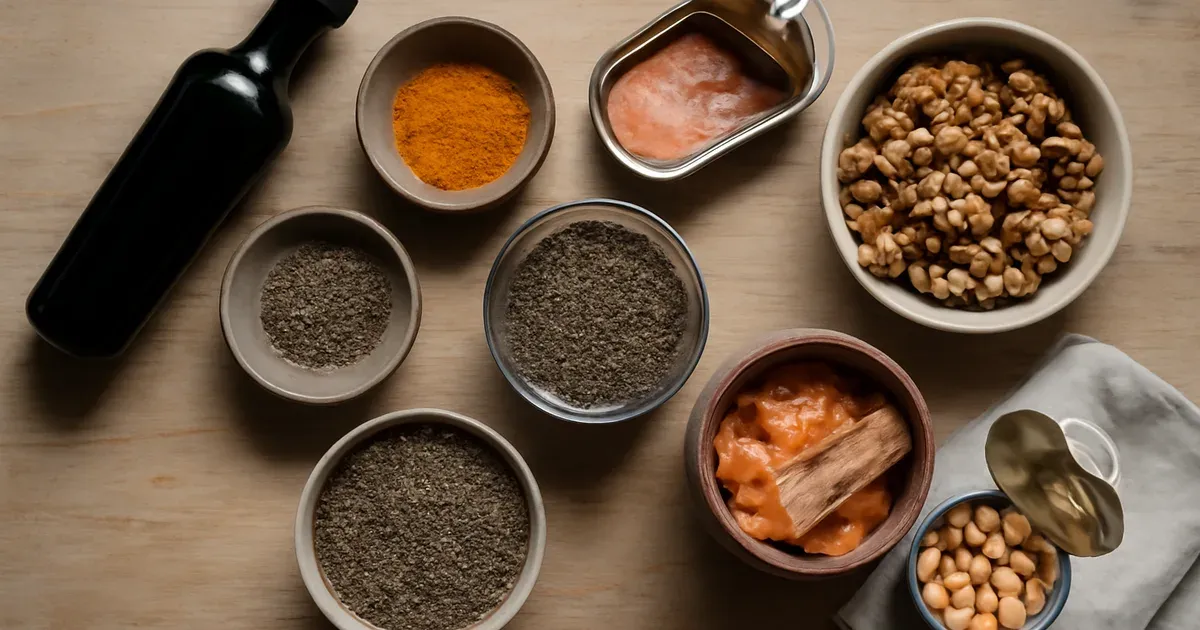
Step 2: Plan Your Week Using the Rainbow Container Method
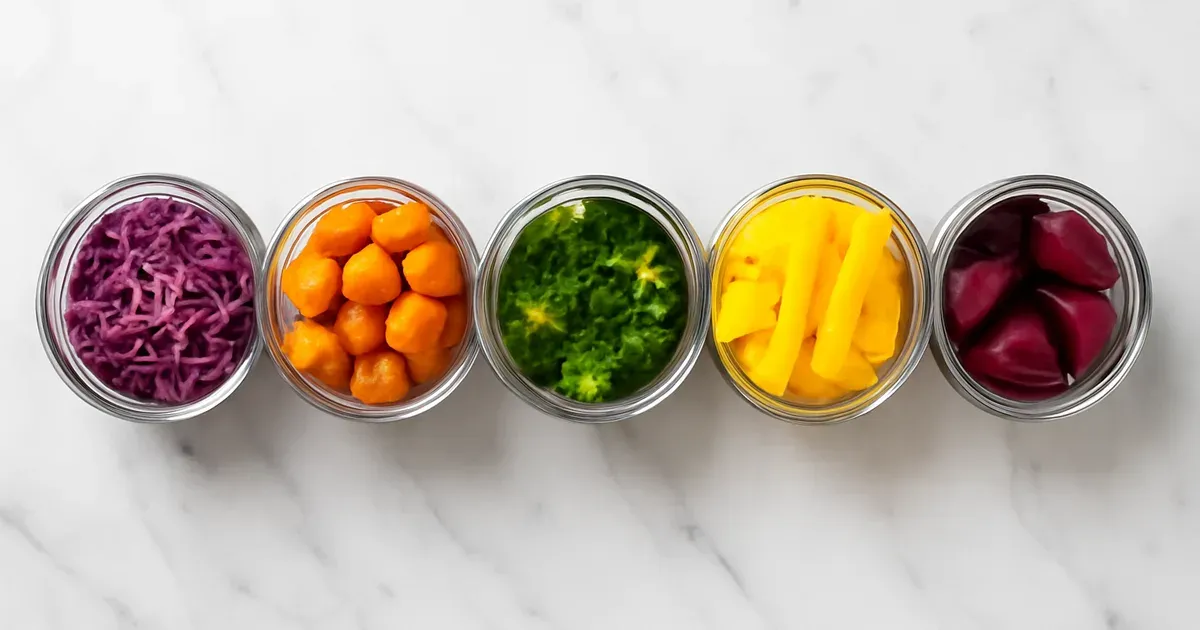
The single biggest reason meal prep fails is monotony. Eating the same two meals on repeat kills motivation fast. The Rainbow Container Method solves this by prepping components — not complete dishes — so you can mix and match throughout the week while guaranteeing a wide spectrum of anti-inflammatory phytonutrients.
The method works like this: every Sunday, you fill one container per colour group from the plant kingdom. Red/purple (beets, red cabbage, berries), orange/yellow (sweet potato, turmeric-roasted carrots, bell peppers), green (broccoli, spinach, courgette, edamame), and white/brown (cauliflower, mushrooms, onion). Each colour delivers a distinct class of polyphenols that feeds different beneficial bacteria in your gut.
Prepare these alongside a protein base (baked salmon, grilled chicken, or marinated tofu) and a whole-grain base (cooked quinoa or brown rice with a pinch of turmeric stirred into the cooking water). Now you have a modular system: a grain base + a protein + two colour groups = a complete anti-inflammatory meal, assembled in under five minutes.
To implement this week:
- Roast two trays of vegetables simultaneously at 200°C for 25–30 minutes
- Cook one large pot of quinoa or brown rice
- Bake or pan-sear one batch of protein
- Wash and store raw salad greens separately in a damp paper towel
- Prep one sauce or dressing (see Step 4) to rotate across meals
This approach also directly supports gut microbiome diversity — a key predictor of lower systemic inflammation. The more distinct plant foods you eat each week (researchers often cite 30+ as a target), the richer and more resilient your microbiome becomes.
Step 3: Master Three Core Anti-Inflammatory Recipes
Rather than chasing a different recipe every week, build mastery around three anchor recipes that are nutritionally dense, gut-friendly, and easy to scale. Once these become second nature, your prep time drops below 90 minutes for an entire week.
Recipe 1 — Turmeric-Ginger Soup Base: Sauté onion, garlic, and fresh ginger in olive oil, then add vegetable broth, coconut milk, red lentils, and a generous tablespoon of turmeric with a pinch of black pepper (the piperine in black pepper increases curcumin absorption by up to 2,000%). Blend half for creaminess. This base freezes perfectly in portions and forms the foundation of multiple meals — add roasted vegetables or a protein to change it up entirely.
Recipe 2 — Overnight Breakfast Jars: Combine rolled oats, chia seeds, almond milk, a teaspoon of turmeric, cinnamon, frozen berries, and a tablespoon of ground flaxseed. Prepare five jars on Sunday. Oats provide beta-glucan — a prebiotic fibre that feeds Bifidobacterium — while flaxseed delivers plant-based omega-3s and lignans that modulate oestrogen-driven inflammation.
Recipe 3 — Mediterranean Grain Bowl Base: Toss cooked quinoa with extra virgin olive oil, lemon juice, chopped parsley, and capers. Top with whichever Rainbow Container components you have available. Add a dollop of homemade hummus or live-culture plain yogurt as a probiotic-rich dressing that simultaneously feeds your microbiome.
From Step 3 onward, the focus shifts from planning to habit-building. Consider using a simple weekly meal prep template or app to log your component batches until the system becomes automatic.
Step 4: Build Anti-Inflammatory Sauces and Dressings in Bulk
The fastest way to make any meal anti-inflammatory is to control the dressing. Most commercial sauces are made with refined seed oils and added sugar — two of the most consistent dietary triggers of gut barrier disruption. Making your own takes less than ten minutes and can be stored for up to two weeks.
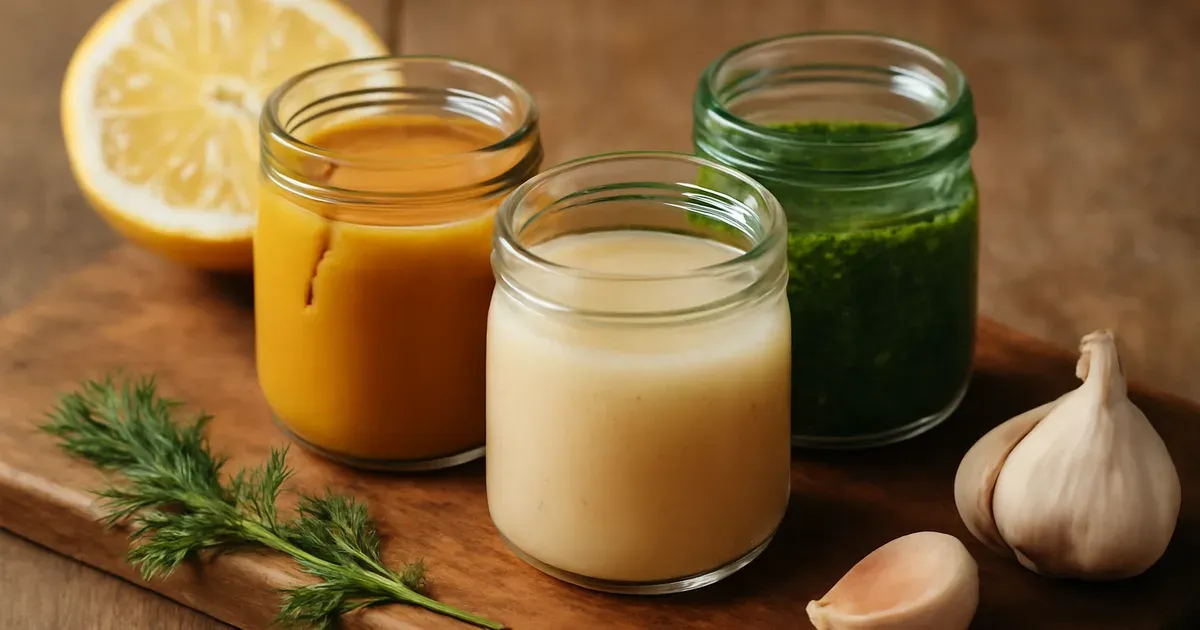
Prepare a batch of golden tahini dressing: whisk together tahini, lemon juice, garlic, turmeric, a pinch of black pepper, and warm water to thin. Tahini provides sesame lignans with demonstrated anti-inflammatory and prebiotic effects. This dressing works on grain bowls, roasted vegetables, and as a dip for raw crudités.
For a gut-specific boost, make a miso-ginger dressing: unpasteurised miso paste (a fermented soy product rich in beneficial microbes), grated ginger, rice vinegar, a small amount of sesame oil, and a teaspoon of honey. Miso introduces live cultures directly to the gut while ginger's gingerols actively inhibit pro-inflammatory cytokines.
A third option — herb and olive oil sauce — blends fresh parsley, basil, garlic, lemon zest, and extra virgin olive oil. The polyphenols in fresh herbs are often overlooked but have measurable effects on gut microbiome composition at relatively small doses.
Store all dressings in glass jars in the fridge. The variety of sauces is what makes the Rainbow Container Method feel like new meals every day rather than repetitive batch cooking.
Step 5: Implement a Sustainable Weekly Prep Routine
Sustainability beats perfection every time. A two-hour Sunday prep session that you actually do consistently delivers more anti-inflammatory benefit than an elaborate four-hour plan you abandon after three weeks.
Structure your prep session in this order to use oven and stovetop time efficiently. First, preheat the oven and get vegetables roasting — they need the least attention. While they cook, start grains on the stovetop. While grains simmer, prep proteins and prepare your sauce or dressing. While the protein cooks, assemble overnight jars. By the time you clean up, everything is done.
On weekday mornings, the only task is assembly — five minutes maximum. This removes decision fatigue around food, which research links to poorer dietary choices and increased cortisol (itself an inflammatory driver).
To keep the routine going long-term:
- Rotate one new vegetable or grain each week to maintain microbiome diversity
- Keep a running list of what worked and what you didn't enjoy
- Batch-cook and freeze soup base portions monthly so you always have an emergency anti-inflammatory meal ready
- Add one new fermented food monthly to progressively enrich your microbiome
- Revisit your pantry audit every 4–6 weeks to replenish staples before they run out
This rhythm — prep Sunday, eat well all week, adjust monthly — is the engine of lasting anti-inflammatory change.
What to Expect: A Realistic Timeline
Week 1–2: Increased digestive regularity is often the first change people notice as fibre intake rises and the microbiome begins shifting. Some people experience temporary bloating as beneficial bacteria populations expand — this is normal and typically resolves within 10–14 days.
Week 3–4: Energy levels and sleep quality often improve as inflammatory cytokines reduce. Research on Mediterranean-style diets shows measurable reductions in CRP (C-reactive protein, a key inflammation marker) within three to four weeks of consistent adherence.
Month 2–3: Microbiome diversity continues to improve with each rotation of plant foods. Mood stability, skin clarity, and joint comfort are commonly reported secondary benefits as the gut-brain axis responds to a calmer inflammatory environment.
Beyond 3 months: The routine becomes habitual and requires minimal effort. The system sustains itself.
Mistakes That Slow Your Progress
- Using low-quality olive oil. "Light" or generic olive oils lack the oleocanthal and polyphenols of true extra virgin. Check for a harvest date on the bottle — within 18 months is ideal.
- Skipping black pepper with turmeric. Without piperine, most curcumin passes through the gut unabsorbed. Always combine the two.
- Over-relying on the same five vegetables. Microbiome diversity requires plant diversity. Eating only broccoli and spinach every week narrows the microbial strains you feed.
- Adding fermented foods then heating them. Live cultures in miso, kimchi, and kefir are destroyed above 46°C. Add them after cooking or use them cold in dressings.
- Prepping too ambitiously in week one. A failed four-hour prep session is demoralising. Start with two base components and one sauce, then build from there.
What Can Help You Get There Faster
Quality kitchen tools make batch cooking dramatically easier. A large sheet pan with a rack, a high-capacity food processor, and a set of uniform glass storage containers (which preserve food quality better than plastic and allow you to see contents at a glance) are the three highest-return investments for your prep routine.
Targeted nutritional support can bridge gaps while your diet transitions. A high-quality fish oil supplement (providing at least 1g combined EPA/DHA daily) supports omega-3 levels from day one. A broad-spectrum prebiotic fibre supplement — particularly one containing inulin or FOS — can accelerate beneficial bacteria growth while your dietary fibre intake is increasing.
Tracking and accountability resources help you stay consistent. A simple weekly meal prep template (printed or digital), a microbiome diversity tracker like a plant-food tally, or a gut health journal noting energy, digestion, and mood creates the feedback loop that keeps the system self-correcting.
Your Anti-Inflammatory Meal Prep Checklist
- ✅ Audited and stocked your anti-inflammatory pantry
- ✅ Planned your week using the Rainbow Container Method
- ✅ Mastered three core anchor recipes (soup base, breakfast jars, grain bowls)
- ✅ Prepared at least one anti-inflammatory sauce or dressing in bulk
- ✅ Completed a structured Sunday prep session under two hours
- ✅ Included at least one fermented food per day for microbiome support
- ✅ Rotated plant varieties week-to-week for microbiome diversity
Frequently Asked Questions
How quickly does anti-inflammatory meal prep affect the gut microbiome?
Changes to microbiome composition can begin within 48–72 hours of a significant dietary shift. Measurable increases in beneficial bacteria species are typically detectable within two to four weeks of consistent anti-inflammatory eating. Full stabilisation of a new microbiome profile generally takes two to three months.
Can I do anti-inflammatory meal prep if I have IBS or a sensitive gut?
Yes, but introduce high-fibre foods gradually. If you have IBS, adding large amounts of legumes, raw cruciferous vegetables, or fermented foods too quickly can temporarily worsen symptoms. Start with cooked and blended vegetables (easier on the gut barrier), small portions of fermented foods, and build fibre intake over two to three weeks.
Is turmeric actually effective, or is it overhyped?
The evidence is real but context-dependent. Curcumin — the active compound in turmeric — has demonstrated anti-inflammatory effects in dozens of clinical trials, particularly for reducing CRP and NF-κB signalling. However, bioavailability from food alone is low without black pepper and fat. For therapeutic-level effects, a standardised curcumin supplement with piperine may be more effective than dietary turmeric alone.
How many plant foods per week do I need for good microbiome diversity?
The American Gut Project found that people eating 30 or more different plant foods per week had significantly greater microbiome diversity than those eating fewer than 10. "Plant foods" includes vegetables, fruits, whole grains, legumes, nuts, seeds, herbs, and spices — so the Rainbow Container Method combined with rotating grains and spices makes hitting 30 more achievable than it sounds.
Do I need to eat fermented foods every day?
Daily fermented food intake is ideal but not strictly required. The 2021 Stanford study that found inflammation reduction with fermented foods used daily consumption over ten weeks. Even three to four servings per week appears to have a positive effect on microbiome diversity. Consistency over time matters more than daily perfection.