Antibiotics Damage Gut Microbiome for Up to Eight Years
A new study finds antibiotics like clindamycin can reduce gut microbial diversity for up to 8 years, raising risks for obesity and diabetes.

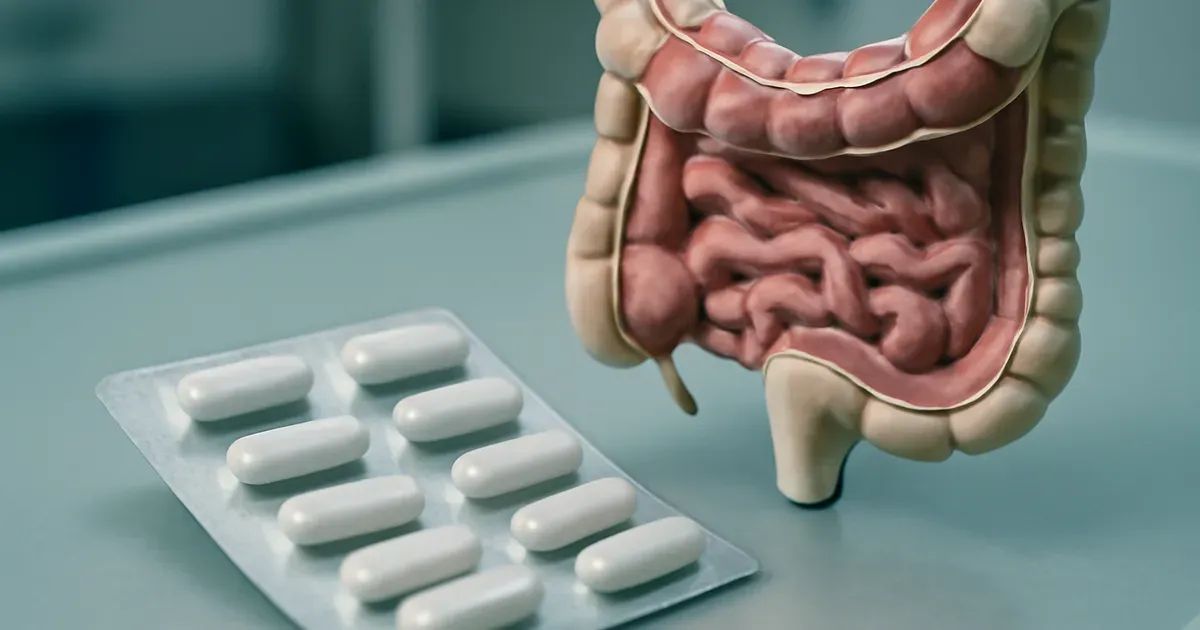
A new study has found that common antibiotics — including clindamycin, fluoroquinolones and flucloxacillin — can reduce gut microbial diversity for up to eight years after a single course of treatment, according to findings reported by NaturalNews.com. The research raises significant concerns about the long-term impact of routine antibiotic prescribing on the gut microbiome and its downstream effects on metabolic and overall health.
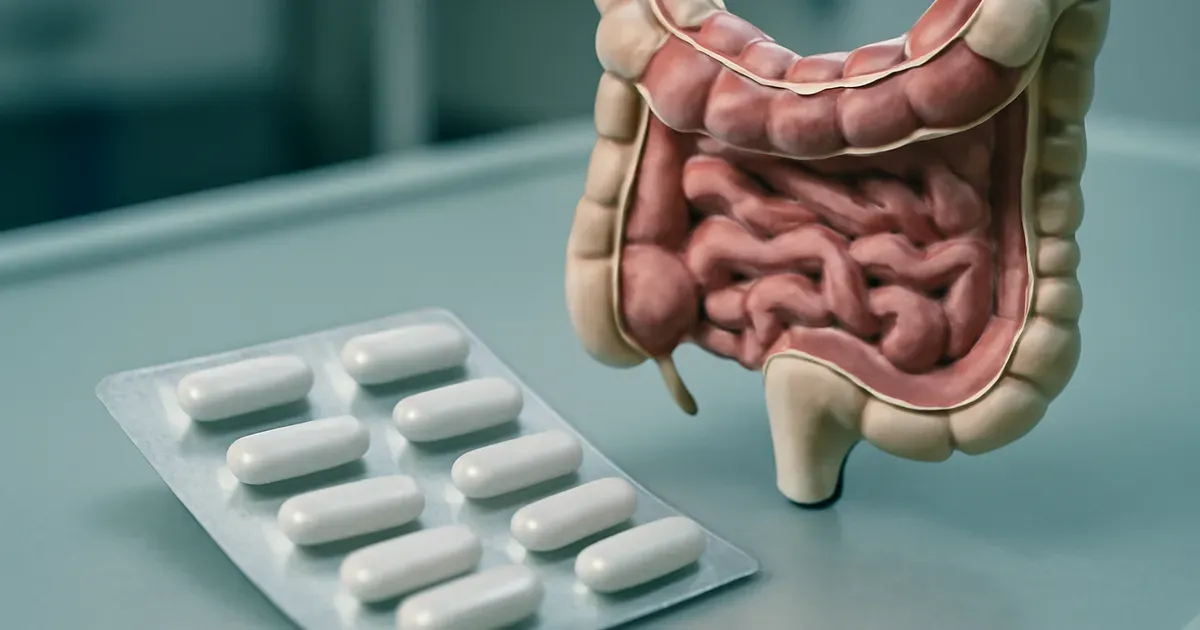
Why This Matters for Gut and Microbiome Health
The gut microbiome — the vast community of trillions of bacteria, fungi and other microorganisms residing in the digestive tract — plays a central role in immunity, metabolism and even brain function via the gut-brain axis. Disruptions to microbial diversity have been linked to a wide range of conditions, from inflammatory bowel disease to anxiety and depression. The study's findings suggest that antibiotic-driven imbalances are not short-lived, meaning the consequences for long-term gut and systemic health may be far greater than previously understood, per NaturalNews.com.
Study Finds Persistent Microbial Imbalances After Antibiotic Use
Even a single course of certain antibiotics was found to leave persistent imbalances in gut microbial populations lasting up to eight years, according to the research cited by NaturalNews.com. The antibiotics identified as most damaging — clindamycin, fluoroquinolones and flucloxacillin — are among the most widely prescribed in clinical settings globally. Scientists report these imbalances elevate the risk of developing serious conditions including obesity and type 2 diabetes, suggesting that disruption to the microbiome may act as a long-term driver of metabolic disease.
What This Means for Patients and Gut Health Awareness
For anyone who has taken a course of antibiotics, these findings highlight the importance of actively supporting gut microbiome recovery. The research underscores a growing scientific consensus that the microbiome is a critical health asset — one that can be significantly and durably compromised by medications considered routine. According to NaturalNews.com, the risks extend well beyond digestive discomfort, encompassing obesity, diabetes and other chronic conditions.
The study adds urgency to broader conversations about antibiotic stewardship and the need for patients and clinicians alike to weigh gut microbiome consequences when considering antibiotic treatment. As understanding of the gut-brain and gut-body connection deepens, research of this kind reinforces why protecting microbial diversity is a long-term health priority — not merely a short-term concern following illness.