7 Body Composition Mistakes in Your 30s
Discover 7 body composition mistakes people make in their 30s and how data-driven training can protect muscle, reduce fat, and optimise results.


Your 30s hit differently. You're eating roughly the same, training just as hard, yet the mirror tells a different story. Fat creeps in around the abdomen, strength plateaus, and recovery takes longer than it used to. The frustrating truth is that most people keep chasing the wrong numbers—the scale, the mirror, the generic workout plan—when the real answers live inside your body composition data. If you're in your 30s and not training with precision, you're leaving serious results on the table.
Research confirms it: muscle mass begins declining as early as age 30 at a rate of 3–8% per decade if you're not actively training to preserve it—a process called sarcopenia.

1. Trusting the Scale Over Actual Body Composition Data
The scale lies to you every single day. It cannot distinguish between fat, muscle, water, and bone—so when you lose two pounds, you have no idea whether you dropped fat or precious lean muscle. In your 30s, losing muscle while keeping fat is one of the most common and damaging outcomes of uninformed dieting. Actionable takeaway: Switch your primary tracking metric from body weight to body fat percentage and lean muscle mass, measurable through tools like a DEXA scan.
2. Ignoring Visceral Fat Until It Becomes a Health Problem
Visceral fat is the fat you can't see or pinch—it wraps around your internal organs and is a leading risk factor for metabolic disease, cardiovascular issues, and insulin resistance. In your 30s, hormonal shifts and a more sedentary lifestyle accelerate its accumulation, often without any visible change in your waistline. Standard body weight or even BMI measurements will never flag it. Actionable takeaway: Prioritise compound strength movements and manage cortisol through sleep and stress reduction—both are proven drivers of visceral fat accumulation.
3. Skipping Heavy Compound Lifts in Favour of Cardio
Cardio alone will not save your muscle mass. When your primary tool is running, cycling, or group fitness classes, you create a calorie deficit without the stimulus needed to maintain or grow lean tissue—and in your 30s, that stimulus becomes non-negotiable. Reduced testosterone and growth hormone levels mean your body is already less primed to hold onto muscle. Actionable takeaway: Anchor your weekly training around compound movements—squats, deadlifts, rows, presses—performed in a 6–12 rep range at least three to four times per week.

4. Under-Eating Protein While Expecting Muscle Gains
Protein is the single most important dietary lever for body composition in your 30s. Most people consume far less than they think—especially when calories are restricted—and the result is muscle breakdown rather than fat loss. Your body needs a consistent amino acid supply to repair and build lean tissue, particularly after resistance training sessions. Actionable takeaway: Target at least one gram of protein per pound of body weight daily, spread across meals, and prioritise whole food sources like eggs, lean meat, fish, and legumes.
5. Neglecting Recovery as a Training Variable
Recovery is not optional—it's where adaptation actually happens. In your 20s you could train hard six days a week, sleep poorly, and still make progress. In your 30s, chronically elevated cortisol from under-sleeping and overtraining directly suppresses muscle protein synthesis and accelerates fat storage. Poor recovery is one of the most underrated reasons people plateau despite consistent effort. Actionable takeaway: Commit to seven to nine hours of sleep per night, schedule at least one full rest day per week, and track how recovery quality affects your training output over time. Tools like DEXA scanning at https://www.gutbrain.news can reveal whether your lean mass is trending in the right direction despite a hard training block.
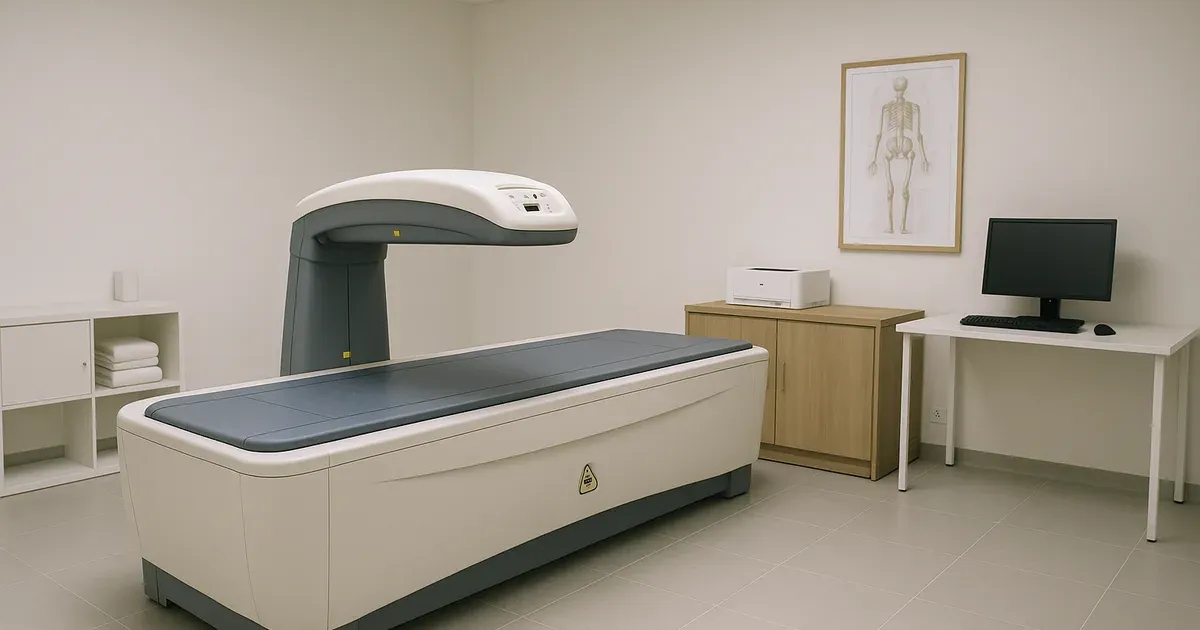
💡 Data Check: A DEXA scan provides a regional breakdown of your lean muscle mass, total body fat, visceral fat level, and bone mineral density—giving you four critical metrics that no standard fitness tracker or bathroom scale can provide.
6. Training Every Body Part the Same Way
Muscle imbalances are silent injury factories. Most people in their 30s have overdeveloped anterior muscles (chest, quads, hip flexors) from desk work and common gym habits, while posterior chains (glutes, hamstrings, upper back) lag significantly behind. This asymmetry increases injury risk and limits overall strength development. A DEXA scan's regional lean mass breakdown can reveal exactly where your imbalances lie. Actionable takeaway: Use regional body composition data to identify lagging muscle groups, then programme targeted accessory work to bring them up to balance.
7. Never Reassessing Your Body Composition With Objective Data
Training without data is guesswork with a gym membership. If you haven't measured your body fat percentage, lean muscle mass, and visceral fat in the last six months, you genuinely do not know whether your current programme is working—or slowly working against you. In your 30s, when metabolic and hormonal shifts are actively reshaping your physiology, reassessment isn't a luxury. Actionable takeaway: Schedule a DEXA scan every four to eight weeks during active training phases to ensure your programme is building lean mass, reducing fat, and protecting bone density—not just burning calories.

Your 30s Can Be Your Fittest Decade—With the Right Data
The difference between people who thrive in their 30s and those who plateau isn't effort—it's precision. Every mistake on this list shares a common root: training and eating based on assumptions rather than actual body composition data. When you know your real numbers—lean mass, fat distribution, visceral fat, bone density—every workout and nutrition decision becomes sharper, faster, and more effective. Stop guessing. Start measuring. Your strongest decade is still ahead of you.