7 Brutal Truths About Building Muscle After 30
Building muscle after 30 is possible — but only with the right strategy. Discover 7 science-backed truths to train and eat smarter.


You hit 30 and suddenly the gains that came easily in your twenties feel like they belong to a different person. Your recovery takes longer, your joints complain more, and the scale refuses to budge no matter how hard you push. Building muscle after 30 is still absolutely achievable — but only if you stop training like you're 22.
The clock is working against you more than you realise. Every decade of inactivity past 30 can strip away 3%–8% of your skeletal muscle mass, and that decline accelerates sharply after 60.

1. Sarcopenia Starts Earlier Than You Think
Most people assume muscle loss is a problem for their 60s. It isn't. The involuntary loss of skeletal muscle mass, strength, and function — clinically known as sarcopenia — begins its slow creep as early as your 30th birthday. Inactive adults can lose a meaningful percentage of muscle per decade, compounding silently until the deficit becomes impossible to ignore. Actionable takeaway: Start resistance training now, regardless of where you currently stand. Every month you delay accelerates the deficit.
2. Your Hormonal Environment Has Already Shifted
Testosterone and growth hormone don't fall off a cliff overnight — they decline gradually, starting in your 30s. Both are potent anabolic signals that drive protein synthesis and activate satellite cells, the repair crew responsible for rebuilding damaged muscle fibres. Lower circulating levels mean your body's internal "build" signal is quieter than it used to be, making the same training stimulus produce a smaller response. Actionable takeaway: Prioritise sleep, manage stress, and keep body fat in a healthy range — all three measurably support your remaining anabolic hormone output.
3. Your Muscles Have Become Resistant to Protein
"Anabolic resistance" is the single most underappreciated obstacle to building muscle after 30. Mature muscle tissue simply does not respond as robustly to the same protein dose or training stimulus that would easily trigger growth in younger tissue. The signalling pathway becomes blunted, meaning you need a higher, more precisely timed protein intake to achieve the same anabolic effect. Actionable takeaway: Target 1.6–2.2 grams of protein per kilogram of bodyweight daily, and never let a single meal drop below 30 grams of high-quality protein.
4. Progressive Overload Still Works — But Patience Is Now Non-Negotiable
The principle of progressive overload — consistently challenging your muscles to adapt — does not expire with age. What changes is the speed and method of progression. Recovery processes slow down due to reduced satellite cell activity and elevated systemic inflammation, meaning the same high-volume, high-frequency routine that built your earlier physique now becomes a fast track to burnout or injury. Actionable takeaway: Shift from chasing personal records every session to accumulating consistent, quality reps over months. Small, steady progress compounds into significant change.
Pull Quote: "Training consistently close to failure — rather than to absolute failure on every set — provides sufficient stimulus without overly taxing the central nervous system and joints."
5. Full-Body Training Outperforms Classic Splits for Most People Over 30
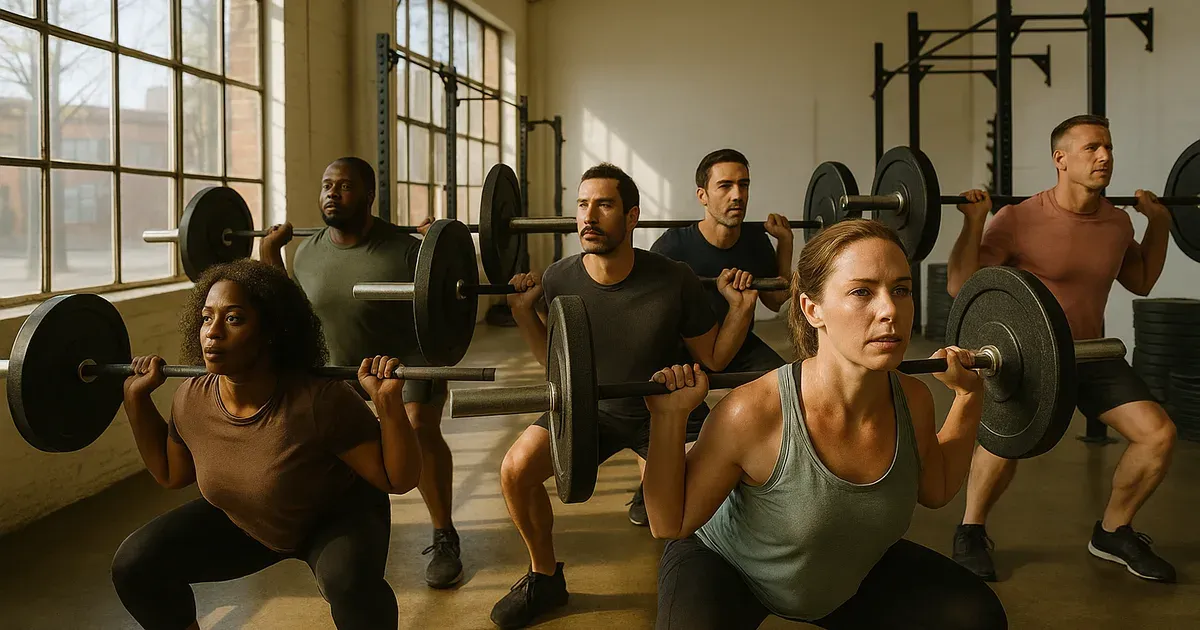
High-volume bro splits — chest Monday, back Tuesday, legs Wednesday — were designed for younger bodies with faster recovery windows. After 30, each muscle group needs more time between intense sessions to fully repair and grow. Two to four full-body sessions per week allows every major muscle group adequate recovery while maintaining the training frequency needed to drive hypertrophy. Compound movements like squats, deadlifts, and overhead presses deliver the greatest return on effort. Actionable takeaway: Replace at least two of your isolation-heavy sessions with a full-body compound routine and monitor how your joints and energy respond over four weeks.
6. Protein Timing Matters More Than You've Been Led to Believe
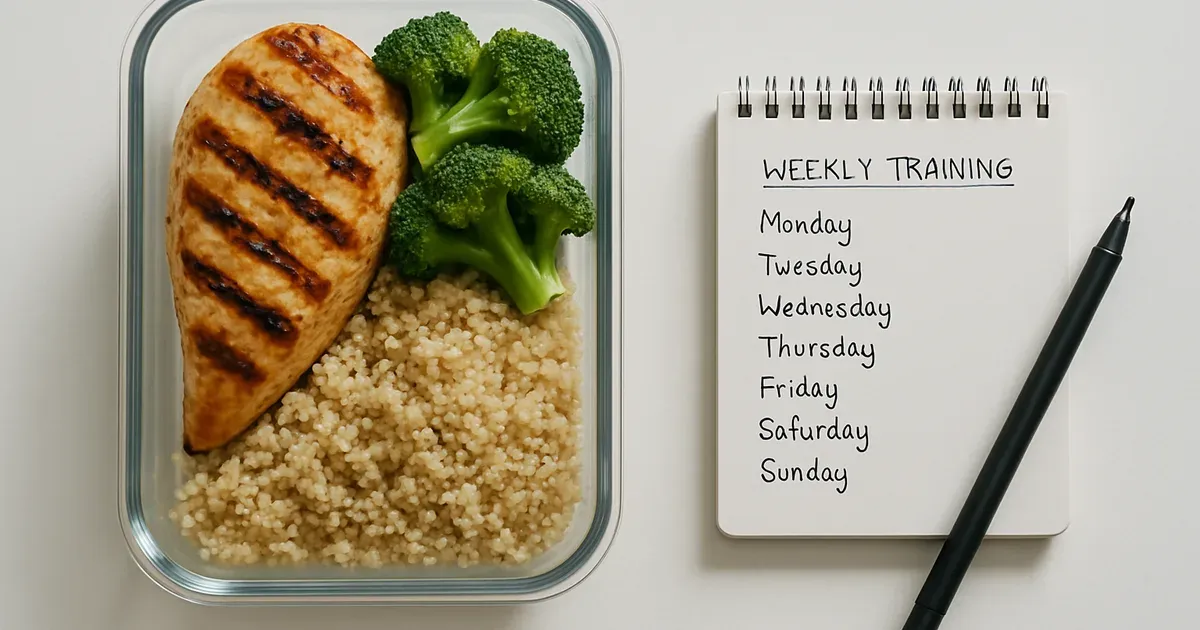
The old "anabolic window" myth — that you must consume protein within 30 minutes of training — has been largely debunked, but timing still matters in a broader sense. Spacing 30-gram protein servings every three to four hours throughout the day maximises muscle protein synthesis far more effectively than cramming the same total into two large meals. Post-workout protein remains valuable, particularly if training fasted, and the actual anabolic response to a session can remain elevated for up to 24 hours. Actionable takeaway: Set a phone reminder to hit a protein-containing meal or snack every three to four hours. Consistency across the day beats any single post-workout shake.
7. The Real Prize Is Metabolic and Skeletal Health, Not Just Aesthetics
Building muscle after 30 does something far more important than changing how you look in the mirror. Greater muscle mass is the body's primary site for glucose uptake, meaning it directly improves insulin sensitivity and lowers the long-term risk of type 2 diabetes. Resistance training also applies mechanical stress to bone, stimulating bone-forming cells and improving bone mineral density by an estimated 1%–3%, providing a powerful defence against osteoporosis. Actionable takeaway: Reframe your motivation. Strength is your long-term insurance policy against frailty, falls, and metabolic decline — not a vanity project.
The gap between your current physique and the one you want is not age — it is strategy. Building muscle after 30 demands higher protein intake, smarter training frequency, disciplined recovery, and a genuine understanding of what your body now needs. Apply these seven truths consistently and the biological headwinds become entirely manageable. The people who thrive physically in their 40s, 50s, and beyond are simply the ones who started adjusting their approach in their 30s.
Frequently Asked Questions
Can you really build muscle after 30 or is it mostly maintenance?
You can absolutely build new muscle after 30. The process is slower and requires more precision around protein intake, training volume, and recovery, but hypertrophy remains biologically possible at any age with consistent resistance training and adequate nutrition.
How much protein do I actually need to build muscle after 30?
Research supports a target of 1.6 to 2.2 grams of protein per kilogram of bodyweight per day for adults performing resistance training. For a 75 kg person, that means roughly 120–165 grams daily, distributed across meals of at least 30 grams each.
How often should I train each muscle group after 30?
Two to three times per week per muscle group is generally optimal. Full-body sessions two to four times weekly tend to work better than high-frequency splits because they allow more recovery time between sessions while maintaining the stimulus frequency that drives growth.
Does testosterone decline really affect muscle building that much after 30?
The decline is gradual rather than dramatic in most men and women, but it does reduce the anabolic signalling environment. Optimising sleep, managing stress, maintaining a healthy body fat percentage, and training consistently all help to support the hormonal conditions needed for muscle growth.
Is soreness after 30 a sign I trained hard enough?
Not necessarily. Delayed onset muscle soreness (DOMS) is an unreliable indicator of an effective session. As you age, the inflammatory response to training can be more pronounced, so significant soreness may actually indicate you have exceeded your recovery capacity rather than trained optimally.