Building Muscle After 30: Your Questions Answered
Can you build muscle after 30? Yes. Discover how nutrition, gut health, and the gut-brain axis shape your results in your strongest decade yet.


If you're in your 30s and wondering whether serious muscle growth is still possible — or how your gut health plays into your results — you're not alone. Conflicting advice makes it hard to know what actually works. This guide cuts through the noise, addresses the most common questions about building muscle after 30, and explains why your gut-brain axis may be a hidden piece of the puzzle.
Jump to Your Question
Can you still build muscle after 30?
How many calories do you need to build muscle after 30?
How much protein do you need to build muscle after 30?
Does gut health affect muscle growth?
How does the gut-brain axis influence your training?
What foods support both muscle growth and a healthy microbiome?
How important is recovery for building muscle after 30?
Can a poor gut microbiome sabotage your gains?
Can you still build muscle after 30?
Yes — building muscle after 30 is absolutely achievable and, for many people, their 30s turn out to be their strongest decade yet. While testosterone and growth hormone levels begin a gradual decline from the late 20s onward, this shift is modest and far from decisive. The body's machinery for muscle protein synthesis remains highly responsive to the right training and nutritional stimuli well into middle age.
What changes after 30 is less about biology and more about strategy. Recovery takes slightly longer, and joint health demands more attention. But with intelligent programming — prioritising compound lifts, progressive overload, and adequate rest — age becomes far less of a limiting factor than most people assume.
- Progressive overload remains the single most powerful driver of muscle growth at any age.
- Consistency over months and years matters far more than any single training session.
- Lifestyle factors like sleep, stress management, and gut health increasingly shape your results.
How many calories do you need to build muscle after 30?
To build new muscle tissue, you need to consume slightly more calories than your body burns each day. This is known as a calorie surplus, and the good news is that a modest one is all that's required. A controlled surplus of around 200–300 calories per day is sufficient to fuel muscle growth without excessive fat gain.
Large "dirty bulk" surpluses are unnecessary and counterproductive. Excess calories beyond what muscle-building requires are simply stored as fat. A lean, controlled approach keeps body composition in check while still providing the energy substrate your muscles need to grow and repair.
It's also worth noting that calorie needs are influenced by gut microbiome composition. Emerging research suggests that individual differences in how the gut extracts energy from food mean two people eating identical diets can absorb meaningfully different numbers of calories.
How much protein do you need to build muscle after 30?
Protein is the raw material your body uses to build and repair muscle fibres, and consuming enough of it is non-negotiable for muscle growth. The evidence-based target for most adults pursuing hypertrophy sits at 1.6–2.2 grams of protein per kilogram of bodyweight per day. For an 80 kg individual, that translates to roughly 128–176 grams of protein daily.
A systematic review and meta-analysis in the Journal of Cachexia, Sarcopenia and Muscle confirmed that increasing daily protein intake supports gains in lean body mass and muscle strength in healthy adults — directly validating this target range.
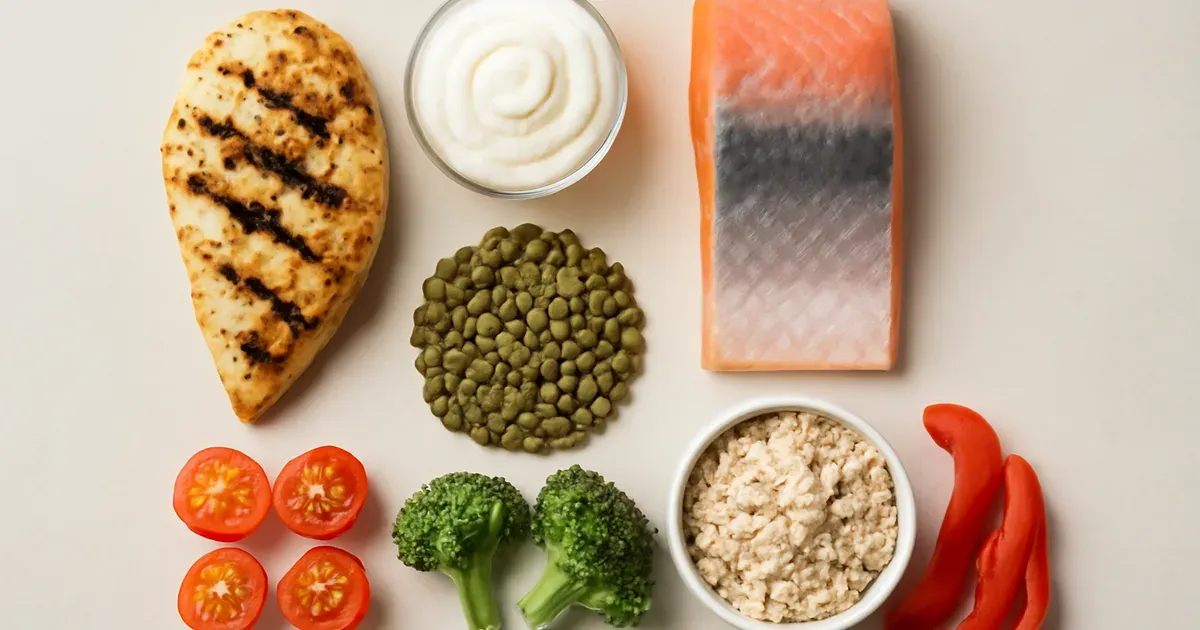
Distributing protein intake evenly across meals — rather than loading it all into one sitting — maximises muscle protein synthesis throughout the day. Practical high-protein food choices include:
- Lean meats (chicken breast, turkey, lean beef)
- Fish and seafood (salmon, tuna, prawns)
- Eggs and dairy (Greek yoghurt, cottage cheese)
- Plant sources (lentils, edamame, tofu)
- Protein supplements (whey, casein, or plant-based powders)
Does gut health affect muscle growth?
Gut health has a direct and significant impact on your ability to build muscle, primarily through its influence on nutrient absorption, inflammation, and hormonal signalling. A diverse, balanced gut microbiome improves the efficiency with which your intestines absorb amino acids — the building blocks of muscle — from the food you eat.
Chronic low-grade inflammation, often driven by poor gut microbiome diversity or a "leaky gut," elevates systemic inflammatory markers that can interfere with muscle protein synthesis. In simple terms, if your gut is inflamed, your muscles have a harder time growing even when your training and diet look correct on paper.
Furthermore, gut bacteria produce short-chain fatty acids (SCFAs) such as butyrate, which have been shown to reduce systemic inflammation and support muscle health at a cellular level. A thriving microbiome is therefore a genuine performance asset, not a wellness afterthought.
How does the gut-brain axis influence your training?
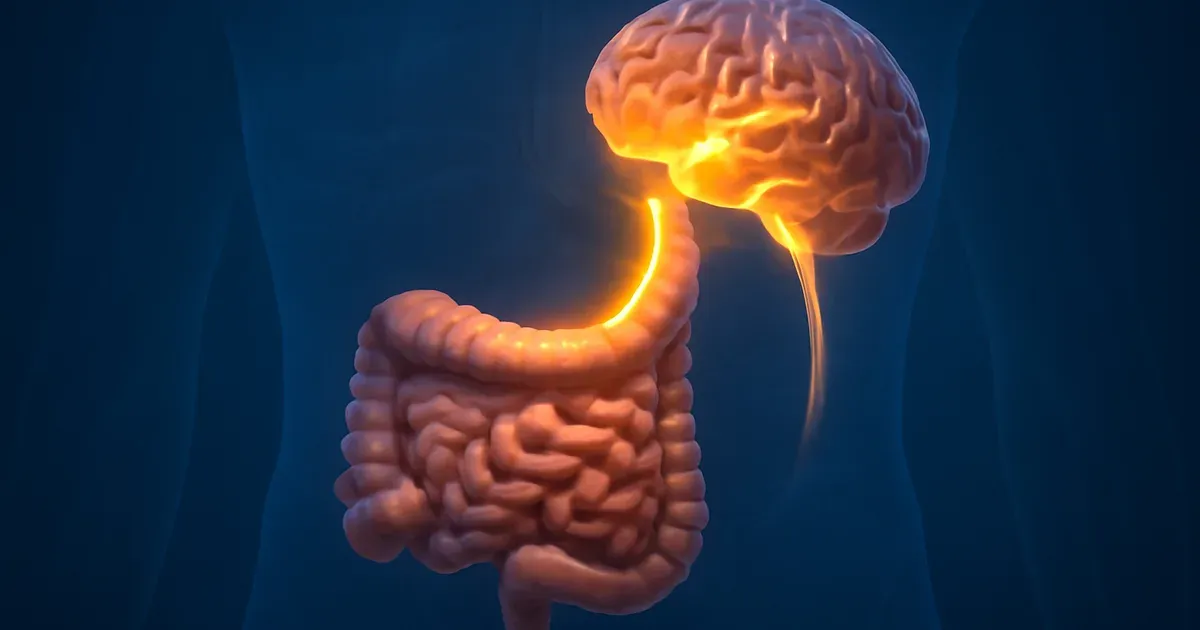
The gut-brain axis is a bidirectional communication network linking your gastrointestinal tract and your central nervous system, and it has measurable consequences for how you train and recover. Gut microbes produce neurotransmitter precursors — including serotonin precursors and GABA — that influence mood, motivation, and stress resilience.
When the gut microbiome is disrupted (a state called dysbiosis), this communication pathway becomes dysregulated. The practical result can be lower motivation to train, disrupted sleep quality, and elevated cortisol — all of which directly undermine muscle-building progress after 30.
Conversely, a healthy gut-brain axis supports the mental consistency required for long-term training adherence. Athletes who prioritise gut health often report better mood stability, sharper focus during sessions, and faster perceived recovery.
What foods support both muscle growth and a healthy microbiome?
Certain foods serve double duty — providing the protein and micronutrients needed for muscle growth while simultaneously feeding beneficial gut bacteria. Building a diet around these foods is one of the most efficient strategies available to anyone building muscle after 30.
| Food | Muscle Benefit | Microbiome Benefit |
|---|---|---|
| Greek yoghurt | High protein, leucine-rich | Contains live cultures (probiotics) |
| Lentils & legumes | Protein + iron | Rich in prebiotic fibre |
| Salmon | Protein + omega-3s | Anti-inflammatory, supports gut lining |
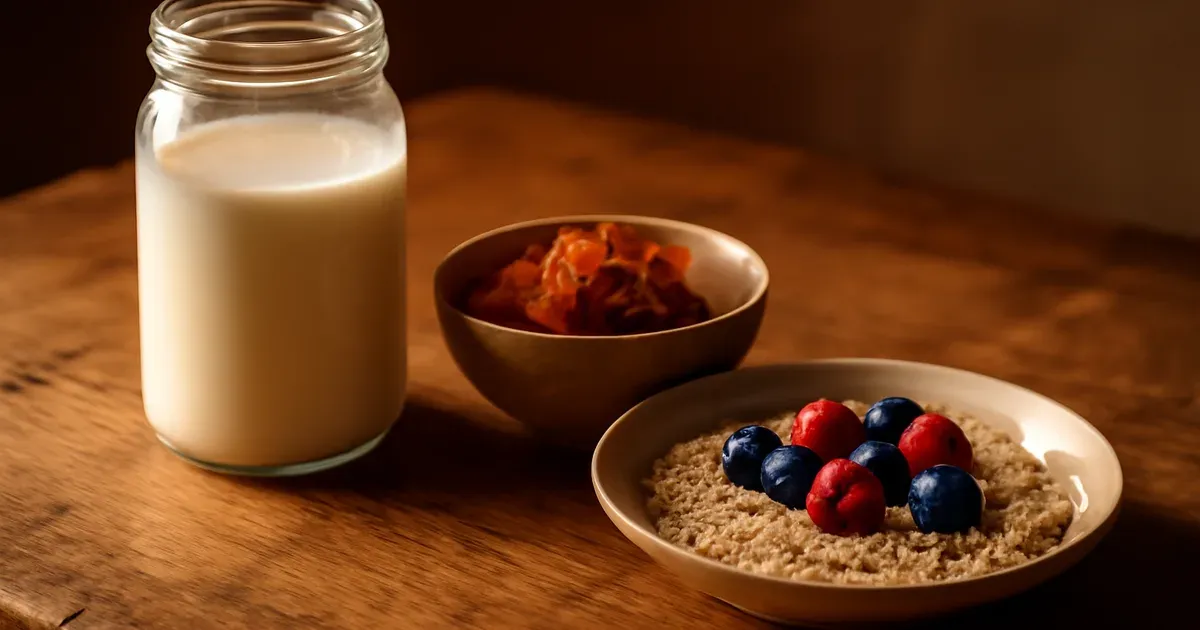
| Oats | Slow-release carbs for energy | Beta-glucan feeds beneficial bacteria |
| Kefir | Casein protein | Dense probiotic source |
| Eggs | Complete amino acid profile | Choline supports gut barrier function |
Fibre is the microbiome's primary fuel source, yet most people eating high-protein diets consume far too little of it. Aim for 25–35 grams of fibre daily from vegetables, legumes, and whole grains alongside your protein targets.
How important is recovery for building muscle after 30?
Recovery is where muscle is actually built — training is merely the stimulus, and insufficient recovery means the adaptation never fully occurs. After 30, the recovery window between sessions tends to lengthen modestly, making sleep, stress management, and active recovery practices more important than ever.
Sleep is particularly critical. Growth hormone — one of the key drivers of muscle repair — is secreted primarily during deep sleep stages. Consistently getting fewer than seven hours per night measurably impairs both muscle protein synthesis and the gut microbiome's diversity and function.
Stress management also matters here. Chronic psychological stress elevates cortisol, which is catabolic (muscle-breaking) in excess and simultaneously damages the gut lining — creating a compounding negative effect on both muscle growth and microbiome health.
- Prioritise 7–9 hours of sleep per night.
- Manage stress through structured downtime, breathwork, or mindfulness practices.
- Include deload weeks every 4–6 weeks to allow connective tissue and the nervous system to recover.
Can a poor gut microbiome sabotage your gains?
Yes — a disrupted or low-diversity gut microbiome can meaningfully undermine your muscle-building results even when your training and calorie targets appear correct. The mechanisms are multiple and interconnected.
First, poor gut health impairs amino acid absorption, meaning you may be hitting your protein targets on paper but actually delivering less usable protein to your muscles. Second, gut dysbiosis drives systemic inflammation that blunts anabolic signalling. Third, an imbalanced microbiome disrupts sleep quality via the gut-brain axis, reducing growth hormone output and raising overnight cortisol.
The solution is not complex. Consistent consumption of fermented foods (yoghurt, kefir, kimchi, sauerkraut), adequate dietary fibre, reduced ultra-processed food intake, and management of chronic stress are the foundational strategies for rebuilding microbiome diversity — and with it, your capacity to build muscle effectively after 30.
Bottom Line
- Building muscle after 30 is fully achievable with the right training stimulus, a modest calorie surplus of 200–300 calories, and a protein intake of 1.6–2.2 g per kg of bodyweight.
- Gut health is not a separate concern — it directly affects nutrient absorption, inflammation, hormonal signalling, and sleep quality, all of which shape your muscle-building results.
- The gut-brain axis influences motivation, stress, and recovery, meaning a disrupted microbiome can cost you gains even when your programme looks perfect on paper.
- Foods like Greek yoghurt, lentils, salmon, oats, and kefir serve double duty — supporting both muscle protein synthesis and a thriving microbiome.
- Sleep and stress management become increasingly important after 30, protecting both anabolic hormone output and gut microbiome diversity simultaneously.