Candida auris Skin Colonisation: New Research Findings
New research examines how Candida auris colonises human skin, highlighting host-pathogen interactions that drive healthcare outbreaks.

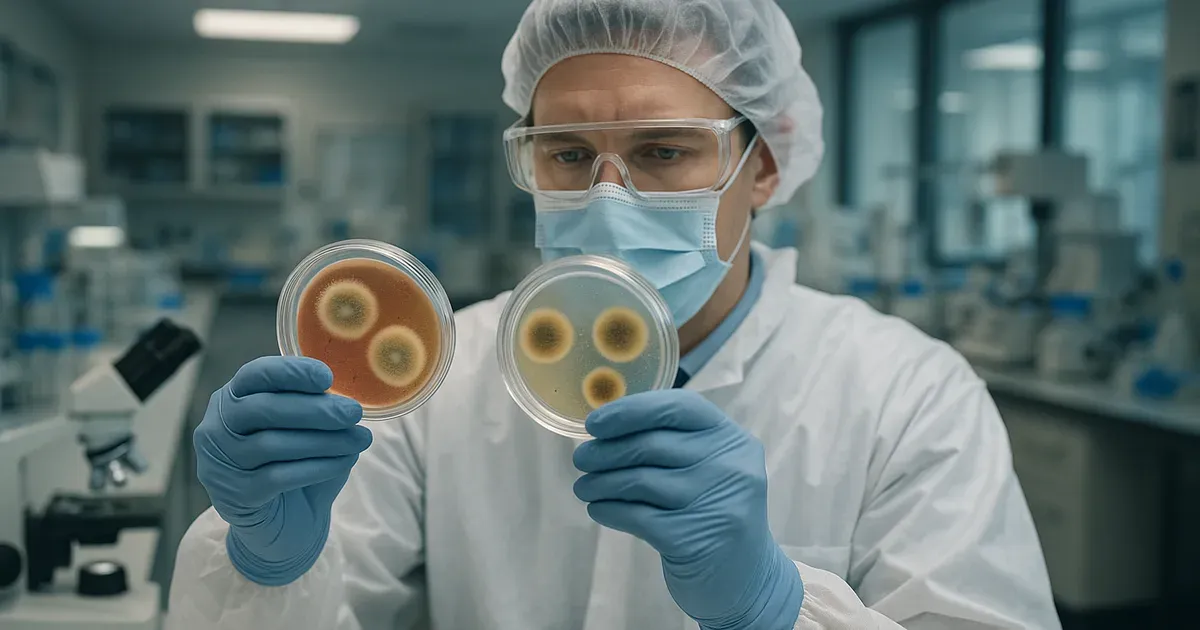
A new study published on PLOS.org on 27 March 2026 reveals fresh insights into how the multidrug-resistant fungal pathogen Candida auris interacts with human skin. Researchers led by Shankar Thangamani and colleagues, including scientists from Michail S. Lionakis' group, examined the host–pathogen dynamics underlying Candida auris skin colonisation — a trait that sets this organism apart from other Candida species and fuels healthcare-associated outbreaks.
Why This Matters
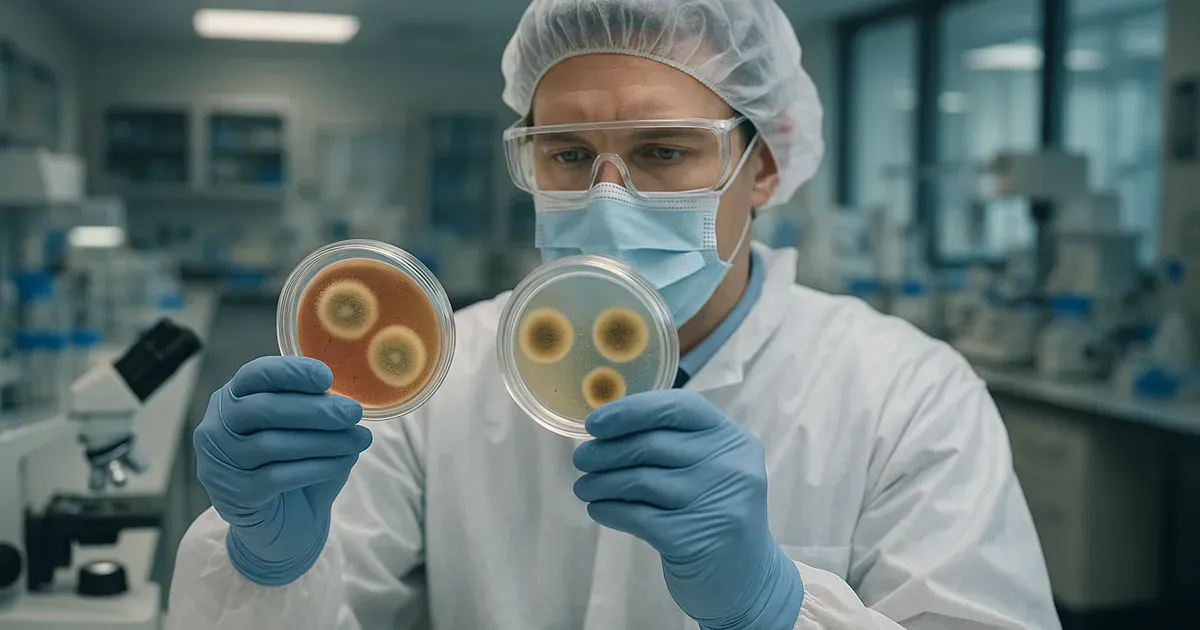
Candida auris has emerged as a significant global health threat, according to researchers, owing to its resistance to multiple antifungal drug classes and its association with life-threatening systemic infections in healthcare settings. Unlike related fungal pathogens, C. auris demonstrates a distinct and persistent capacity to colonise human skin, enabling it to spread rapidly among patients in hospitals and long-term care facilities. Per the study's authors, understanding how the fungus establishes and maintains skin colonisation is essential for developing strategies to contain outbreaks and prevent invasive disease.
Study Examines Host–Fungus Interactions on Skin
The research, authored by Thangamani, Balakumar, Datta, Bryak, and Lionakis, focused specifically on the interactions between human skin defences and C. auris. The study found that the unique capacity of C. auris for persistent skin colonisation distinguishes it from other Candida species, and that host skin responses play a central role in determining colonisation outcomes. Scientists report that analysing these interactions at the skin level may illuminate why standard infection-control measures sometimes fail to eradicate the pathogen from colonised individuals.
What This Means for Healthcare and Patients
For healthcare professionals and infection-control teams, these findings underscore the importance of targeting skin colonisation as a key intervention point, according to the study's authors. Patients in intensive care units and long-term care settings face the greatest risk. The research suggests that deeper knowledge of host–C. auris skin dynamics could guide the development of topical treatments or decolonisation protocols aimed at reducing transmission in clinical environments.
The study, published via PLOS.org, reinforces growing scientific consensus that Candida auris poses a distinct and evolving challenge to healthcare systems worldwide. By mapping the host–pathogen interactions specific to skin colonisation, researchers say this work lays groundwork for targeted interventions that could help break the transmission cycle of this dangerous pathogen.