Cortisol & Weight Loss: What Women Over 40 Must Know
Cortisol dysregulation is a key reason women over 40 struggle to lose weight. Learn how to identify imbalances and support your adrenals effectively.


You're eating less, moving more, and the scale still refuses to budge. If you're a woman over 40, this isn't a willpower problem — it's a hormonal one. And at the centre of it all sits one master hormone that most women have never been told to address: cortisol.
Understanding cortisol and weight loss for women over 40 changes everything. It shifts the conversation away from blame and toward biology — and it opens the door to strategies that actually work for your body right now.

Why Weight Loss Gets Harder After 40
The rules genuinely change in your 40s. Your body is no longer the same hormonal environment it was at 25 or even 35. Several significant shifts begin during this decade, and they compound each other in ways that make standard diet advice fall flat.
The most important shift is the onset of perimenopause — the transitional phase before menopause when the ovaries gradually reduce their production of reproductive hormones. This phase can begin as early as the mid-30s and last anywhere from 4 to 10+ years. It ends only after 12 consecutive months without a period.
During perimenopause, hormones like estrogen and progesterone fluctuate unpredictably. Symptoms can include heavier or skipped periods, mood swings, disrupted sleep, hot flashes, night sweats, and decreased libido. While estrogen and progesterone imbalances absolutely deserve attention, they are not the primary drivers of the stubborn weight gain most women experience. That role belongs to cortisol.
What Cortisol Actually Does in Your Body
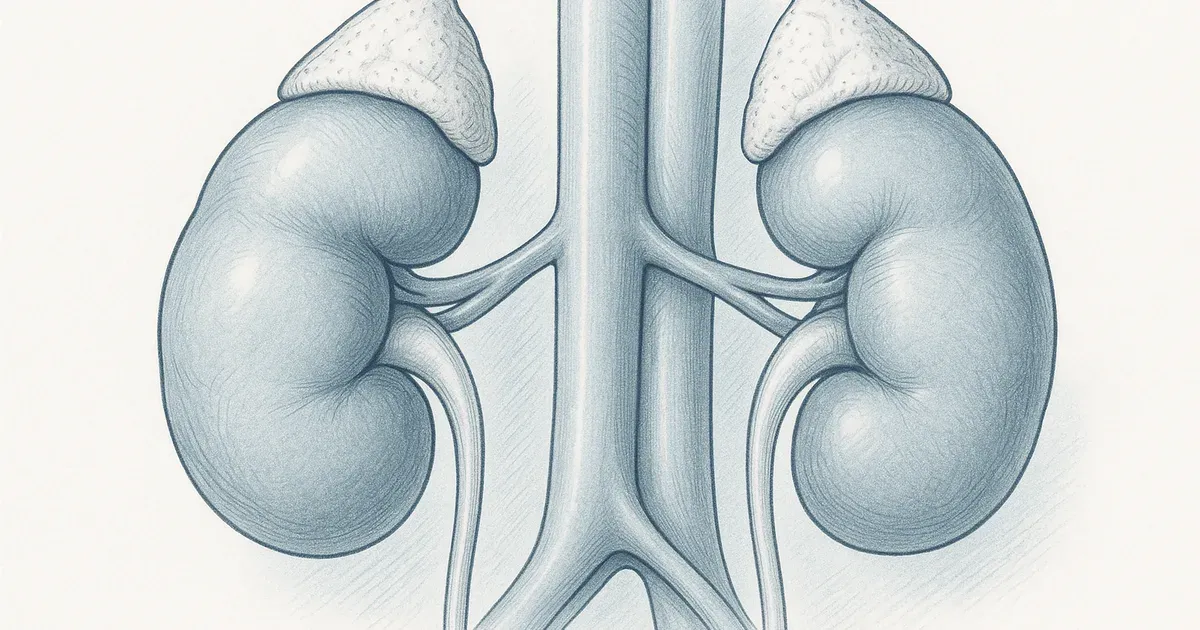
Cortisol is a steroid hormone produced by the adrenal glands, two small but powerful glands that sit on top of your kidneys. Its primary role is to help your body respond to stress — but the word "stress" here means far more than emotional pressure or a bad day at work.
Physiological stress includes poor sleep, blood sugar swings, overexercising, undereating, chronic inflammation, and environmental toxins. Your body cannot tell the difference between being chased by a predator and running on four hours of sleep. To the adrenal glands, stress is stress.
Cortisol follows a daily rhythm called a circadian pattern. Levels should peak in the first two hours after waking to energise you for the day, then decline steadily, reaching their lowest point at night to allow deep, restorative sleep. When this rhythm is disrupted — producing too much, too little, or at the wrong times — the downstream effects are wide-reaching.
How Cortisol Dysregulation Drives Weight Gain
The link between cortisol and weight gain is both direct and indirect. Elevated or poorly timed cortisol affects nearly every system involved in metabolism, making fat loss significantly harder regardless of what you eat or how much you exercise.
Here is what cortisol dysregulation actually triggers in the body:
- Elevated blood sugar levels — cortisol signals the liver to release glucose, even when you haven't eaten
- Increased insulin resistance — cells become less responsive to insulin, promoting fat storage especially around the abdomen
- Stronger cravings — particularly for sugar and refined carbohydrates
- A slower metabolic rate — the body downregulates energy expenditure as a protective mechanism
- Hypothyroidism — cortisol can suppress thyroid function, further slowing metabolism
- Poor sleep — which itself becomes a driver of weight gain and hormonal disruption
- Inflammation — which makes it harder for cells to respond to fat-burning signals
- Worsened estrogen/progesterone balance — contributing to water retention and bloating
This is not a single problem with a single solution. Each of these effects feeds into the others, creating a compounding cycle. Cortisol dysregulation rarely develops overnight — it typically accumulates over years of high-stress living, disrupted sleep, and poor nutrition. This is exactly why women in their 40s so often feel the full weight of it for the first time.
The frustrating reality is that no amount of calorie restriction or cardio directly addresses a dysregulated stress-hormone system. In fact, aggressive dieting and overtraining can worsen cortisol output, making the problem worse.

How to Tell If Cortisol Is Working Against You
The symptoms of cortisol dysregulation are easy to misread as simply "getting older." But there are clear patterns worth paying attention to.
Common signs that your cortisol rhythm may be off include:
- Waking up exhausted even after a full night's sleep
- Getting a second wind of energy late at night when you should be winding down
- Feeling wired but tired simultaneously
- Persistent belly fat that doesn't respond to diet changes
- Strong sugar or carbohydrate cravings, especially in the afternoon or evening
- Feeling flat or unmotivated despite adequate rest
- Difficulty falling or staying asleep
- Feeling disproportionately stressed by minor events
Testing removes the guesswork entirely. The DUTCH (Dried Urine Test for Comprehensive Hormones) adrenal test measures cortisol at five different points across a 24-hour period. This gives a precise picture of your cortisol curve — whether you're over- or under-producing at each part of the day — which makes targeted treatment far more effective than guessing.
5 Evidence-Based Ways to Support Your Adrenals and Cortisol Balance
Restoring cortisol balance is not about doing one thing perfectly — it's about removing multiple stressors at once. The following strategies work synergistically, and many women begin noticing changes in energy, sleep, and cravings before the scale moves.
1. Prioritise Blood Sugar Stability
Blood sugar spikes and crashes are one of the most underestimated sources of physiological stress. Each crash triggers a cortisol response. Reducing refined carbohydrates and processed sugars while increasing healthy fats, protein, and fibre helps flatten this curve. Stable blood sugar means fewer cortisol surges — and far fewer 3pm cravings.
2. Protect Sleep Like a Priority, Not a Luxury
Sleep debt is cortisol fuel. Even one night of poor sleep elevates cortisol the following day, impairs insulin sensitivity, and ramps up hunger hormones. Consistent, quality sleep of 7–9 hours is non-negotiable for adrenal recovery.
For women in perimenopause, poor sleep is often tied to declining progesterone or oestrogen — which can cause night sweats that fragment sleep cycles. In these cases, addressing sex hormone balance alongside adrenal support may be necessary.
3. Use Key Nutrients to Feed the Adrenals
The adrenal glands are nutritionally demanding. Three nutrients are particularly critical for cortisol production and regulation:
- Vitamin B5 (pantothenic acid) — directly involved in cortisol synthesis
- Vitamin C — the adrenal glands have one of the highest concentrations of vitamin C in the body
- Magnesium — supports the nervous system's stress response and promotes sleep
Deficiencies in any of these are common in chronically stressed individuals, and supplementing strategically can make a measurable difference.
4. Consider Adaptogenic Herbs
Adaptogens are a class of herbs specifically studied for their ability to help the body adapt to stress. They work by supporting the adrenal glands and modulating the stress-response system rather than simply suppressing or stimulating it.
Commonly used adaptogens include:
- Ashwagandha — well-researched for reducing cortisol levels in chronically stressed individuals
- Rhodiola rosea — particularly useful for fatigue and mental resilience
- Holy basil (tulsi) — calming and anti-inflammatory
- Maca root — balancing, especially useful during perimenopause
- Licorice root — supports low cortisol but should be avoided in those with high blood pressure
- Ginseng — more stimulating; better suited to those with low-flat cortisol curves
It's important not to self-prescribe adaptogens without understanding your specific cortisol pattern. A stimulating herb taken by someone already overproducing cortisol can make symptoms significantly worse.

5. Get Tested Before You Treat
Guessing at hormonal imbalances is expensive, time-consuming, and often counterproductive. The DUTCH adrenal urine test provides a 24-hour cortisol map that makes treatment precise. It also measures cortisol metabolites, which reflect how the body is actually processing and clearing the hormone — not just how much is being made at any one moment.
This is one area where personalised data dramatically outperforms generic wellness advice. Two women with identical symptoms can have completely opposite cortisol patterns — one overproducing, one underproducing — and they need different interventions.
The Bigger Hormonal Picture
Cortisol doesn't operate in isolation. It sits at the top of a regulatory hierarchy that influences thyroid hormones, insulin, oestrogen, progesterone, and even neurotransmitters like serotonin and dopamine. When cortisol is dysregulated, it creates a ripple effect across the entire hormonal system.
This is why addressing cortisol first — before attempting aggressive calorie restriction or high-intensity training — tends to produce better results for women over 40. It sets the metabolic foundation. It improves sleep, stabilises blood sugar, reduces inflammation, and creates the internal conditions in which fat loss can actually occur.
Diet and exercise remain important. But without addressing the hormonal environment in which they operate, their impact is severely limited — and this frustration is what most women in their 40s are living every day.
The Bottom Line
Cortisol and weight loss for women over 40 are inextricably linked — and ignoring this connection is the single biggest reason so many women feel like they're fighting their own bodies.
Your 40s bring real hormonal shifts. Perimenopause changes the landscape. Years of accumulated stress, disrupted sleep, and blood sugar dysregulation catch up with the adrenal system. The result is a metabolic environment that resists fat loss no matter how disciplined the diet.
The path forward isn't harder — it's smarter. Get tested. Nourish your adrenals. Stabilise blood sugar. Protect sleep. Use targeted herbal and nutritional support guided by your actual data. Address cortisol, and the rest of the hormonal system has a real chance to follow.