Cycle Syncing: Align Your Life to Your Cycle
Cycle syncing aligns your diet, exercise, and daily routines with your menstrual cycle phases to reduce PMS, boost energy, and improve wellbeing.


You drag yourself through the first days of your period, then — almost like clockwork — a wave of energy hits mid-month and you feel unstoppable. That's not a coincidence. Your hormones are running a precise monthly programme, and how you eat, move, work, and socialise can either fight that programme or flow with it.
Cycle syncing is the practice of adjusting your routines to match the four phases of your menstrual cycle. It's gaining serious traction on social media, and while large-scale clinical trials are still catching up, the underlying science — that hormone fluctuations measurably shift mood, energy, appetite, and cognition — is well established. Psychologist Dr. Susan Albers, PsyD, puts it simply: *"The idea that you can and should listen to your body is revolutionary."

What Is Cycle Syncing and Where Did It Come From?
Cycle syncing was coined by functional nutritionist Alisa Vitti in her 2014 book WomanCode. The core idea is that your menstrual cycle — a biological rhythm called an infradian rhythm — is not just "on" or "off." It moves through four distinct phases, each governed by a different hormonal environment that shapes how you feel and function.
Most people are familiar with the misery that can precede a period, but far fewer pay attention to the follicular surge or the ovulation peak. Cycle syncing asks you to track all four phases and make small, deliberate adjustments to your diet, exercise, work schedule, and social life to match what your body actually needs at each stage.
The practice hasn't yet been evaluated as a complete programme in clinical trials. That said, Dr. Albers notes there is substantial research confirming that mood and activity levels shift across the menstrual cycle — so the building blocks are scientifically sound.
The Four Phases of Your Menstrual Cycle
A typical cycle runs 28 days, though most people vary. Understanding the hormonal character of each phase is the foundation of cycle syncing.
Menstrual Phase (Days 0–7)
This is your period. The uterine lining sheds, oestrogen hits its lowest point, and energy levels fall with it. Rest is not laziness here — it is biologically appropriate.
Follicular Phase (Days 8–13)
Rising oestrogen thickens the uterine lining and steadily lifts your energy. This is a window for new projects, social plans, and increasing workout intensity. Creativity and motivation tend to climb alongside oestrogen.
Ovulation Phase (Days 14–15)
Your ovaries release an egg, and both oestrogen and testosterone peak. Energy and confidence are at their highest, making this the ideal time for high-intensity exercise, important presentations, or demanding social engagements.
Luteal Phase (Days 16–28)
The corpus luteum — the sac left after the egg is released — produces progesterone to prepare the uterus for a potential pregnancy. Energy gradually declines, and PMS symptoms can surface toward the end of this phase. Slowing down is not a failure; it is your body signalling a genuine need.
Cycle Syncing Your Diet: What to Eat and When
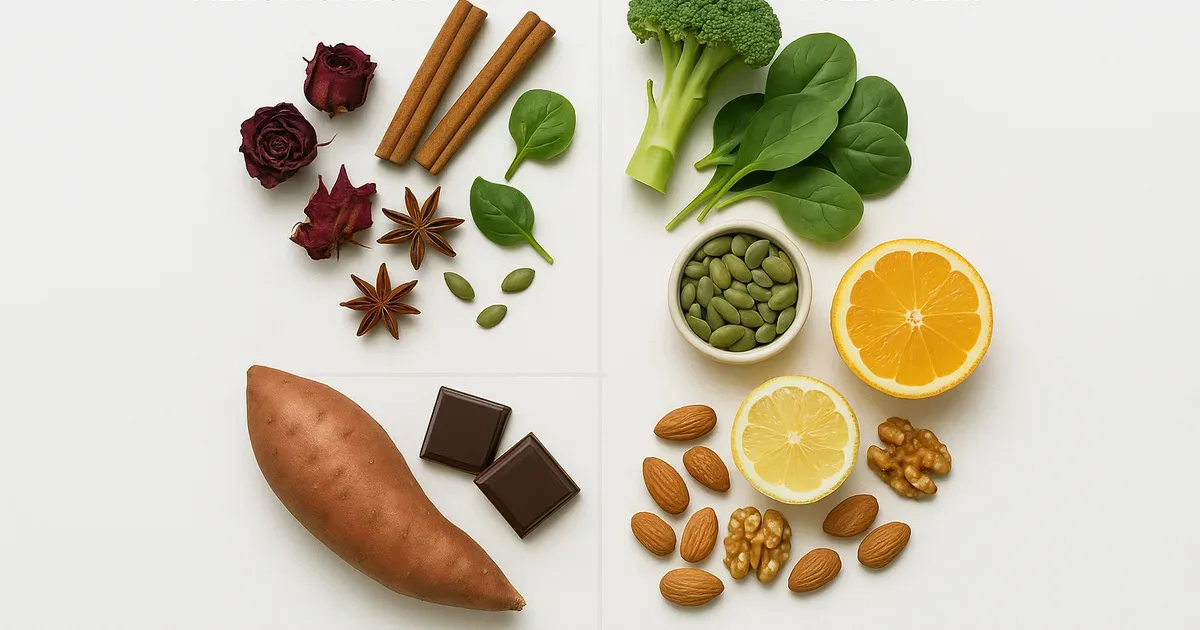
Nutritional needs shift across the cycle, and eating strategically can reduce cramping, stabilise mood, and curb the cravings that derail healthy habits. Dr. Albers recommends building a meal plan and shopping list for each phase — especially stocking up before your period, when a trip to the supermarket is the last thing you want.
These are general guidelines, not personalised prescriptions. Know your own body and how it responds to different foods.
Eating During the Menstrual Phase
Comfort foods are tempting, but sugary and salty snacks can destabilise hormones and deplete nutrients you need most right now.
- Iron-rich foods — leafy greens, lean red meat, lentils, and beans — replace iron lost through bleeding.
- Vitamin C from citrus fruits, berries, broccoli, and red peppers increases iron absorption.
- Vitamin K from leafy greens, blueberries, cheese, and eggs can help reduce heavy bleeding.
- Omega-3 fatty acids from salmon, flaxseed, and tree nuts reduce inflammation and cramping.
Eating During the Follicular Phase
Lean proteins and complex carbohydrates — whole wheat, brown rice, quinoa — fuel rising energy and support higher-intensity workouts. As oestrogen climbs, add foods that help your body balance it: cruciferous vegetables (broccoli, cauliflower, kale), fermented foods (kombucha, kimchi, sauerkraut), healthy fats (avocado, flaxseeds, pumpkin seeds), and leafy greens.
Eating During the Ovulation Phase
With oestrogen surging, your liver works harder to break down excess oestrogen. Keep eating oestrogen-balancing foods from the follicular phase. An overall nutrient-dense diet gives you the stamina you need at peak energy.
Eating During the Luteal Phase
PMS, hunger spikes, and cravings are common here. Complex carbohydrates and high-fibre foods — cruciferous vegetables, sweet potatoes, leafy greens — help stabilise blood sugar and curb hunger. If you crave something sweet or salty, reach for dark chocolate, fruit, nuts, or seeds. Pumpkin seeds are particularly useful: they are rich in magnesium, which can reduce fluid retention. Staying well hydrated throughout this phase helps with bloating and brain fog.

Cycle Syncing Your Exercise: Matching Intensity to Energy
Instead of forcing the same workout every week, cycle syncing invites you to let your energy levels guide exercise intensity. The result is often better performance, fewer injuries from overtraining, and a much healthier relationship with rest.
Moving During the Menstrual Phase
Low-intensity movement is ideal: walking, stretching, yoga, or Pilates. "You may not feel like exercising at all, and that's OK," says Dr. Albers. Honour that.
Moving During the Follicular Phase
As energy returns, start layering in cardiovascular work. Running, swimming, and group fitness classes are excellent choices for getting your heart rate up without overdoing it.
Moving During the Ovulation Phase
This is your peak performance window. Use it for high-intensity workouts: boot camp, kickboxing, spinning, or any activity that benefits from maximum output.
Moving During the Luteal Phase
Medium-intensity cardio and strength training suit this phase well. As your period approaches, begin scaling back intensity — your body is starting to prepare for the menstrual phase again.
Cycle Syncing Beyond the Gym: Work, Relationships, and Daily Life
Cycle syncing is not limited to food and fitness. Because your cognitive style, social energy, and emotional bandwidth all shift with your hormones, you can apply the same logic to your calendar.
During the ovulation phase — your peak energy window — schedule job interviews, creative brainstorms, first dates, or difficult conversations. During the luteal and menstrual phases, front-load administrative tasks, solo projects, and genuinely restful evenings. Planning a night out with friends mid-cycle and a quiet night in at home just before your period is not antisocial — it is self-aware.
For anyone trying to conceive, cycle syncing has an obvious practical benefit: identifying ovulation with confidence. It may also help people with polycystic ovary syndrome (PCOS) by supporting hormone balance through targeted nutrition and exercise.

Does Cycle Syncing Work If You Use Hormonal Birth Control?
Hormonal contraceptives work by introducing synthetic hormones that suppress ovulation. Because they override your natural hormonal rhythm, the four-phase model does not directly apply. The distinct peaks and troughs that cycle syncing is designed to work with are largely flattened.
That said, Dr. Albers advises against tuning out entirely. "You may still have ups and downs in your mood, energy levels, and appetite," she notes. Paying attention to those patterns and adjusting your diet and exercise accordingly is still worthwhile — it just won't follow the classic four-phase structure.
Do You Need Supplements to Cycle Sync?
Short answer: no. The nutritional strategy behind cycle syncing is built around whole foods. "You should get the nutrients you need through your diet," says Dr. Albers. "Supplements are not always as safe as you might think. It's important to talk to your healthcare provider first."
If you are considering supplementing — magnesium for PMS, iron for heavy periods, omega-3s for inflammation — have that conversation with a healthcare professional rather than self-prescribing based on social media.
How to Start Cycle Syncing: A Practical First Step
Begin by tracking your cycle. Use a calendar, a dedicated app, or even a simple notebook. Log your period dates, but also note daily signals: appetite, energy, mood, social drive, and any physical symptoms. Dr. Albers acknowledges it may take several months to identify clear patterns — and that is normal.
Once you can reliably identify which phase you are in, start with one area: food, exercise, or your work calendar. Small, sustainable changes compound. You do not need to overhaul everything at once.
The Bottom Line
Cycle syncing is, at its heart, an act of self-awareness. It asks you to stop fighting your body's monthly rhythm and start working with it — adjusting what you eat, how hard you train, and how you structure your time based on where you are in your cycle.
The clinical evidence for the complete cycle syncing programme is still emerging, but the underlying principle is solid: your hormones shift across four distinct phases, and those shifts have real, measurable effects on how you feel and function. Tracking your cycle, eating to support each phase, and matching exercise intensity to your energy levels are practical, low-risk strategies that many people find genuinely transformative.
Being mindful of your body's patterns is not a wellness trend — it's the foundation of sustainable health.