Cycle Syncing: How to Work With Your Cycle
Cycle syncing adapts your exercise, diet, and lifestyle to your menstrual cycle phases. Learn how to track your cycle and work with your hormones.


Your energy crashes before your period. Your motivation peaks mid-month. Your sleep, skin, mood, and appetite seem to follow their own unpredictable rhythm — and yet that rhythm is anything but random. It's your menstrual cycle, and it shapes more of your daily experience than most people realise.
Cycle syncing is the practice of aligning your diet, exercise, and lifestyle habits with the four phases of your menstrual cycle. It won't override your biology, but it can help you stop fighting it. Here's what the science actually says — and how to start.

What Is Cycle Syncing and Why Does It Matter?
Cycle syncing works from a simple premise: your hormones fluctuate across your menstrual cycle, and those fluctuations affect how you feel, perform, and recover. Rather than expecting your body to perform identically every day of the month, cycle syncing encourages you to adapt your habits to where you are in your cycle.
The concept covers four phases:
- Menstrual phase — your period; oestrogen and progesterone are at their lowest
- Follicular phase — pre-ovulation; both hormones begin rising
- Ovulation phase — the egg is released; a luteinising hormone (LH) surge peaks
- Luteal phase — post-ovulation; progesterone peaks, then both hormones drop
The exact duration of each phase varies from person to person. The average cycle runs 28 days, but anywhere from 21 to 35 days is considered typical. The key point is that your internal hormonal landscape looks very different in week one compared to week four — and your body notices.
Research on cycle syncing is still developing. A 2021 narrative review found that athletes' perceived performance was lower in the late luteal phase, though the authors noted inconsistency across existing studies. A 2023 review flagged that a longstanding pattern of excluding females from exercise research has left a significant gap in the data. The absence of consistent findings doesn't mean your cycle doesn't affect you — it means larger, higher-quality studies are still needed.
How to Track Your Cycle (and Actually Use the Data)
Tracking is the foundation of cycle syncing. Without it, you're guessing. With it, you start to see genuine patterns across your mood, energy, digestion, sleep, and skin — patterns that repeat month after month and tell you something useful.
You have two main options:
- A dedicated notebook — write down how you feel each day, what you ate, how you slept, and any physical symptoms
- A tracking app — many allow you to log multiple variables at once and will flag where you are in your cycle automatically
Whichever method you choose, track as many dimensions as possible:
- General mood and emotional state
- Energy levels throughout the day
- Ability to focus and concentrate
- Sleep quality
- Digestive and bathroom habits
- Skin changes (breakouts, dryness, sensitivity)
- Any shifts in chronic condition symptoms
Give it at least two to three full cycles before drawing conclusions. One month of data shows you what happened. Two or three months show you what's likely to happen again — and that's where cycle syncing becomes genuinely actionable.

Cycle Syncing Your Exercise: Phase by Phase
The relationship between your menstrual cycle and physical performance is real, even if the research is still catching up. Hormonal shifts affect energy availability, perceived effort, recovery time, and even injury risk. Here's how to approach movement in each phase.
Menstrual Phase
Oestrogen and progesterone are at their lowest. Your body is actively shedding the uterine lining, and it's common to feel lethargic or physically uncomfortable. This is not the phase to push for personal bests.
Low-impact movement tends to work best here:
- Gentle yoga or stretching
- Slow, low-intensity walks
- Rest, if that's what you need
If you experience significant pain or fatigue, there's no benefit to pushing through. Listen to what your body is telling you.
Follicular Phase
As oestrogen and progesterone begin rising after your period ends, most people notice a genuine return of energy and motivation. This is an excellent window for building strength and endurance.
Consider:
- Resistance and weight training
- Hiking or brisk walking
- Trying a new workout class or activity
The follicular phase is often described as the "spring" of the cycle — a natural time for initiative and physical challenge.
Ovulation Phase
The LH surge that triggers ovulation also tends to bring a peak in alertness and physical drive. Many people find high-intensity exercise feels more manageable and even enjoyable during this window.
Good options include:
- High-intensity interval training (HIIT)
- Spin classes or group fitness
- Competitive sport or personal record attempts
Note that some people experience mid-cycle abdominal discomfort (mittelschmerz) during ovulation. Scale back as needed — the goal is to work with your body, not against it.
Luteal Phase
This is where most people begin losing steam, and for good reason. Progesterone peaks early in the luteal phase and then drops sharply as your period approaches. Recovery from intense exercise tends to take longer, and PMS symptoms — cramps, breast tenderness, mood changes — can make certain movements uncomfortable.
The luteal phase also has a greater effect on mental health, particularly for those with PMDD (premenstrual dysphoric disorder) or PME (premenstrual exacerbation of an existing condition). If your mood tends to dip in this phase, prioritise movement that feels genuinely enjoyable rather than obligatory:
- A relaxed walk with a friend
- Restorative or yin yoga
- Swimming or gentle cycling
Nutrition and Cycle Syncing: What's Worth Knowing
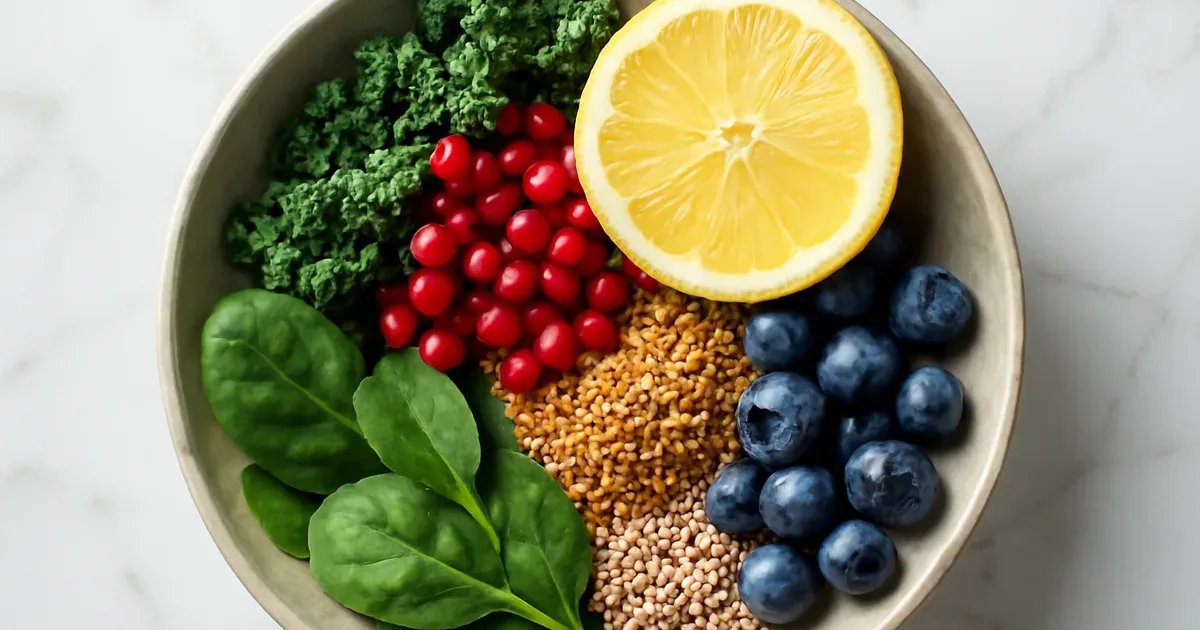
A lot of cycle-specific nutrition advice circulates online, and most of it lacks scientific backing. The honest starting point is simpler: prioritise whole foods, limit sugar, caffeine, and alcohol where possible, and stay well hydrated. Adequate hydration in particular has some evidence behind it for reducing menstrual pain.
Beyond that, tracking what you eat alongside how you feel can surface personal patterns that no generic advice will reveal. You might notice that certain foods worsen bloating in your luteal phase, or that your appetite increases significantly in the days before your period — both common experiences.
The goal is not a rigid phase-specific meal plan. It's awareness. When you know that your cravings spike in week three, you can make deliberate choices rather than reactive ones. That's the practical value of cycle syncing applied to food.
Libido and Cycle Syncing
Sex drive follows its own hormonal arc across the cycle, and it's worth understanding rather than ignoring. Most people notice a natural peak in libido around ovulation — which also happens to be the most fertile window. If pregnancy is not the goal, consistent contraception is essential during this phase.
As progesterone peaks in the luteal phase, libido often drops — sometimes significantly. For some people, this carries into the menstrual phase as well. These fluctuations are normal and vary considerably between individuals and even between cycles.
Open communication with sexual partners helps. Knowing where you are in your cycle — and sharing that context — means partners can align expectations and preferences rather than misread natural hormonal shifts as personal signals.

The Bottom Line on Cycle Syncing
Cycle syncing is not a medically prescribed protocol — it's a framework for self-awareness. The research base is still developing, and there is no single set of guidelines that will work identically for every person. Menstruation affects everyone differently, and cycles themselves vary month to month.
What cycle syncing does offer is a structured way to pay attention. By tracking how you feel, move, eat, and sleep across each phase of your cycle, you start building a personal data set. Over time, that data reveals patterns. And patterns give you the ability to plan, adapt, and make informed choices rather than being caught off guard by your own biology.
Start simple. Pick a tracking method, commit to two or three cycles, and observe without judgment. The insight you gain about your own body is the point — and it's genuinely worth having.
Frequently Asked Questions
What are the four phases of the menstrual cycle used in cycle syncing?
Cycle syncing works across four phases: the menstrual phase (your period), the follicular phase (rising hormones, pre-ovulation), the ovulation phase (egg release and LH surge), and the luteal phase (post-ovulation, leading back to menstruation). Each phase involves distinct hormonal shifts that can affect energy, mood, and physical performance.
Is there scientific evidence that cycle syncing works?
The research is promising but still inconsistent. A 2021 narrative review found that perceived athletic performance tends to be lower in the late luteal phase, while a 2023 review highlighted that females have historically been underrepresented in exercise research. Cycle syncing is not yet a clinically validated protocol, but tracking your own cycle remains a credible tool for personal self-awareness.
How long does it take to see results from cycle syncing?
Most people need two to three full cycles of consistent tracking before meaningful patterns emerge. One month of data shows what happened; two or three months reveal what's likely to repeat — which is where cycle syncing becomes genuinely useful for planning exercise, nutrition, and rest.
Do I need a special app to start cycle syncing?
No. A notebook works just as well as any app, provided you track consistently. The important variables to record include mood, energy, sleep quality, focus, digestion, and any physical symptoms. If you prefer a digital option, several period and health tracking apps allow multi-variable logging alongside cycle phase predictions.
Can cycle syncing help with PMS or PMDD symptoms?
Cycle syncing won't eliminate PMS or PMDD, but awareness of where you are in your cycle can help you plan around difficult phases. Scheduling lower-intensity exercise, prioritising rest, and adjusting social or work commitments during the late luteal phase are practical strategies that many people find helpful. Anyone with PMDD should also consult a healthcare provider for appropriate clinical support.