Cycle Syncing Workouts & Your Gut Health
Learn how cycle syncing workouts aligned with each menstrual phase — and your gut microbiome — can boost energy, burn fat, and reduce PMS. 148 chars


If you've ever crushed a workout one week and dragged yourself through the same routine two weeks later, you're not imagining things — and you're definitely not weak. Your hormones are running the show, and so, quietly, is your gut.
For women in their reproductive years, the menstrual cycle creates four distinct hormonal environments that directly influence energy, metabolism, stress response, and recovery. What's less talked about is how deeply those same hormonal shifts are tied to the gut microbiome — the trillions of bacteria living in your digestive tract that regulate everything from estrogen metabolism to inflammation and mood. Matching your cycle syncing workouts to each phase of your cycle isn't just a fitness hack. It's a way to work with your body's biology, from your hormones all the way down to your gut.

What Is Cycle Syncing — and Why Does It Matter?
Cycle syncing is a method pioneered by functional nutritionist Alissa Vitti that encourages women to align their workouts, diet, and lifestyle habits with the four phases of their menstrual cycle: menstrual, follicular, ovulatory, and luteal. The underlying principle is simple — because your hormones shift dramatically across roughly 28 days, your body's needs shift too.
This matters because hormones don't act in isolation. Estrogen and progesterone influence your gut motility, the diversity of your gut bacteria, and the integrity of your intestinal lining. Research increasingly shows that the gut microbiome in turn helps metabolize and recirculate estrogen through a collection of microbes known as the "estrobolome." In short, your cycle affects your gut, and your gut affects your cycle.
Ignoring this relationship means potentially training against your own biology. High-intensity exercise during low-hormone phases spikes cortisol, which can disrupt gut barrier function and tip the microbiome toward an inflammatory state. Matching workout intensity to your hormonal phase helps keep both stress hormones and gut health in check.
The Four Phases and What Your Hormones (and Gut) Are Doing
Understanding each phase is the foundation of smarter cycle syncing workouts. Here's a quick breakdown of what's happening hormonally — and what that means for your gut-brain axis.
Menstrual Phase (Days 1–7, "Winter"): Estrogen and progesterone drop to their lowest point, triggering the shedding of the uterine lining. Energy and immune response dip with them. The gut often feels this too — fluctuating prostaglandins can accelerate gut motility, which is why many women experience loose stools or cramping during their period. Your microbiome is more vulnerable to stress-related disruption during this window.
Follicular Phase (Days 8–14, "Spring"): Rising estrogen stimulates follicle growth and thickens the uterine lining. Energy, mood, and cognitive sharpness climb. Estrogen also has a positive effect on gut microbiome diversity and supports a stronger gut barrier. The estrobolome is actively processing estrogen during this phase, making fiber-rich foods and probiotic support especially valuable here.
Ovulatory Phase (Days 12–17, "Summer"): A surge of luteinizing hormone (LH) triggers egg release. Estrogen and testosterone peak, delivering maximum energy, stamina, and confidence. The gut-brain axis tends to be most resilient here — serotonin production (roughly 90% of which originates in the gut) is supported by elevated estrogen, and mood reflects that.
Luteal Phase (Days 18–28, "Fall"): Progesterone rises while estrogen and testosterone begin declining. Progesterone slows gut motility — a common reason for bloating and constipation in the second half of the cycle. Cortisol sensitivity increases, and the gut microbiome shifts in ways that can heighten inflammation if high-intensity exercise is overdone. Metabolic rate increases slightly, meaning caloric needs go up.

The Best Cycle Syncing Workouts for Each Phase
Matching exercise type and intensity to your hormonal phase is where cycle syncing workouts deliver real results. Here's what to do — and why it works — in each phase.
Menstrual Phase: Rest and Restore
With hormones at their floor and your body actively losing nutrients through blood, high-intensity exercise is counterproductive. It raises cortisol, which promotes fat storage, muscle wasting, and gut permeability (sometimes called "leaky gut"). Gentle movement supports lymphatic flow and reduces inflammation without adding physiological stress.
Best workouts for this phase:
- Walking
- Yin yoga
- Foam rolling
- Mat Pilates
- Low-impact strength training
From a gut health perspective, light movement aids the sluggish gut motility common during menstruation. A short walk after meals can meaningfully ease cramping and digestive discomfort.
Follicular Phase: Build and Explore
As estrogen climbs, resting cortisol levels fall and your body becomes more efficient at burning fat and building lean muscle. This is an ideal window to push harder and try new things — your brain is more adaptable, and so is your body. The gut microbiome is in a relatively diverse, stable state, meaning you can tolerate more physical stress without it triggering an outsized inflammatory response.
Best workouts for this phase:
- Running
- Cycling or spin
- Dance cardio
- Swimming
- Power Vinyasa
- Metabolic conditioning
- Hiking
Ovulatory Phase: Go Hard
Estrogen and testosterone peak together during ovulation, giving you your best shot at performance. Strength, endurance, and pain tolerance are all elevated. The gut-brain axis is firing on all cylinders — serotonin is well-supported, mood is high, and your body can handle significant training loads. This is your power window.
Best workouts for this phase:
- HIIT
- Bootcamp
- Boxing
- CrossFit
- High-intensity cycling
- Any form of intense cardio
One caveat: estrogen's peak also loosens ligaments slightly via relaxin, so prioritize form over ego lifts to avoid injury.
Luteal Phase: Strength Then Soften
The luteal phase has two distinct halves that call for different approaches. In the first five to seven days, estrogen and testosterone remain elevated enough to support strength training effectively — this is a great window to lift heavy and build muscle. But as progesterone dominates the second half, energy drops, cortisol sensitivity rises, and the gut slows down. Overtraining here is a fast track to burnout, bloating, and hormonal disruption.
Best workouts for this phase:
- Strength training (early luteal)
- Yoga
- Pilates
- Barre
- Low-incline walking
Supporting your gut during the luteal phase matters enormously. Because progesterone slows motility, feeding your gut with prebiotic fiber and probiotic-rich foods helps counteract bloating and constipation — which in turn reduces the full-body inflammation that worsens PMS symptoms.
The Gut-Brain Connection You Can't Ignore
The gut-brain axis is a two-way communication highway between your digestive system and your brain, mediated by the vagus nerve, immune signals, and microbial metabolites. Your menstrual cycle sits right at the intersection of this system. Hormonal shifts alter gut bacteria composition; gut bacteria regulate hormone metabolism; and both influence your mood, energy, and capacity to exercise.
A diverse, well-fed microbiome helps the estrobolome process estrogen efficiently, reducing the risk of estrogen dominance — a hormonal imbalance linked to painful periods, PMS, and difficulty losing weight despite intense training. If this sounds familiar, gut health may be a missing piece of the puzzle.
Exercise itself is one of the most powerful tools for improving microbiome diversity — but only when it's appropriate in intensity for your current hormonal phase. Chronic overtraining during the wrong phases elevates cortisol chronically, which degrades the gut lining and reduces microbial diversity. Cycle syncing workouts help you reap the microbiome benefits of exercise without the cortisol tax.
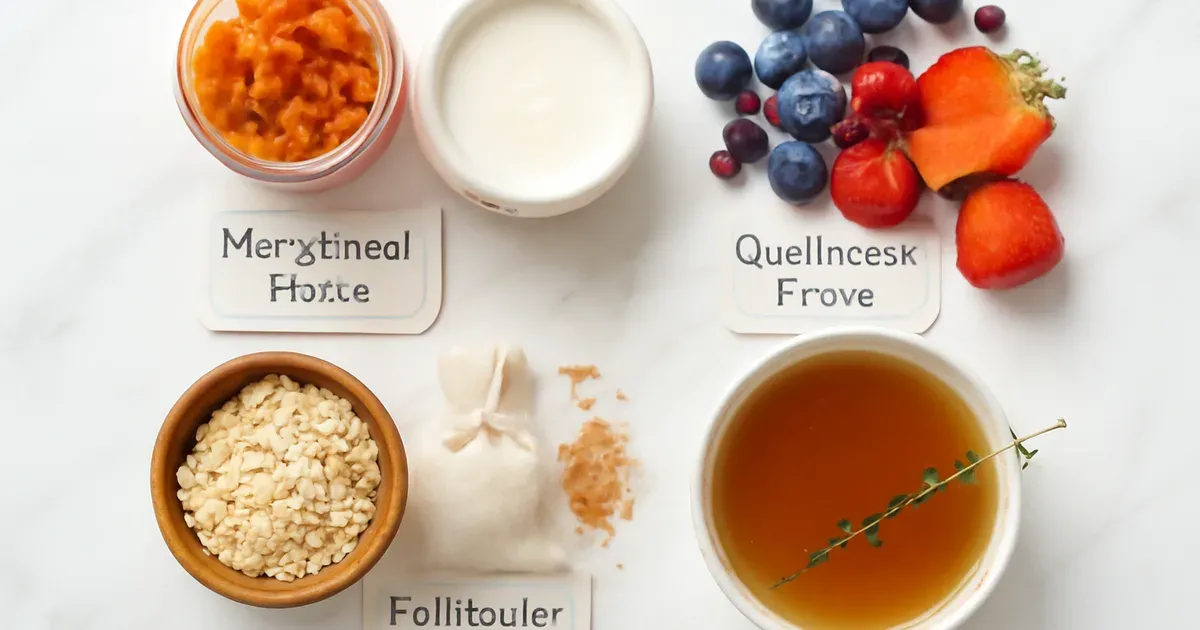
Practical gut-brain support to layer alongside your cycle syncing:
- Menstrual phase: Anti-inflammatory foods (turmeric, omega-3s), bone broth for gut lining repair
- Follicular phase: Fermented foods (yogurt, kimchi, kefir) to build microbiome diversity
- Ovulatory phase: Hydration and antioxidant-rich foods to offset intense training inflammation
- Luteal phase: Prebiotic fiber (oats, flaxseed, bananas), magnesium for motility and mood

How to Start Cycle Syncing Your Workouts Without Overwhelm
You don't need to overhaul your entire schedule overnight. Start with these three steps and build from there.
Step 1 — Track your cycle. Use an app (Clue, Flo, MyFLO) or a simple journal to log the first day of your period and any notable energy or mood shifts. After two to three months, you'll have enough data to roughly map the length of each phase.
Step 2 — Plan two or three workouts phase by phase. Don't try to pre-schedule every session. Instead, as you enter a new phase, loosely plan two or three workouts that suit it. In your follicular phase, maybe that's a couple of run dates or a spin class. In late luteal, look up a gentle yoga class or a restorative Pilates session.
Step 3 — Add gut-supportive nutrition by phase. Once your workout rhythm feels natural, layer in phase-appropriate nutrition to amplify results. Focus on how your digestion, energy, and recovery feel — these are direct signals from your gut-brain axis about whether your approach is working.
The goal is attunement, not perfection. Some weeks life will override your ideal plan, and that's fine. The more you practice listening to your body's signals — fatigue, hunger, bloat, mood — the more intuitive cycle syncing becomes.
The Bottom Line
Cycle syncing workouts are one of the most evidence-aligned strategies available to women who want to train smarter, recover faster, and feel better across the entire month. By respecting the hormonal reality of each menstrual phase — and understanding how deeply those hormones interact with the gut microbiome — you stop fighting your biology and start leveraging it.
Your gut and your cycle are in constant conversation. The best thing you can do for both is show up with the right workout at the right time, feed your microbiome what it needs for each phase, and give yourself permission to rest when your body is working hardest behind the scenes.
Frequently Asked Questions
Can cycle syncing workouts actually help with bloating and PMS?
Yes — and the gut connection explains a lot of why. Avoiding high-cortisol workouts during the luteal and menstrual phases reduces gut permeability and systemic inflammation, two major drivers of PMS symptoms. Pairing phase-appropriate movement with prebiotic and probiotic foods during the luteal phase specifically addresses the progesterone-related gut slowdown that causes bloating.
How does the gut microbiome affect hormone balance?
A specific group of gut microbes called the estrobolome produces an enzyme (beta-glucuronidase) that regulates how estrogen is metabolized and recirculated in the body. An imbalanced microbiome can lead to excess estrogen reabsorption, contributing to estrogen dominance, painful periods, and weight gain — regardless of how hard you exercise.
What if my cycle is irregular — can I still cycle sync?
Yes, though it requires a bit more flexibility. Track your cycle for two to three months to identify rough phase lengths even if they vary. Focus on symptom cues — rising energy and mood usually signal the follicular phase, peak energy indicates ovulation, and fatigue plus increased appetite suggests the luteal phase. Your gut signals (bloating, motility changes) are also reliable phase indicators.
Is it okay to do HIIT during my period?
It's generally best to avoid high-intensity exercise during your menstrual phase. HIIT raises cortisol significantly, and with estrogen and progesterone at their lowest, your body has less buffering capacity against that cortisol spike. This can worsen cramping, increase inflammation, and disrupt gut barrier function. Light movement like walking or yin yoga is far more restorative.
How long does it take to see results from cycle syncing workouts?
Most women notice meaningful differences in energy, recovery, and PMS symptoms within two to three full cycles. Gut microbiome shifts in response to dietary and exercise changes can occur within days to weeks, so incorporating gut-supportive nutrition alongside cycle syncing accelerates the results.