Cycle Syncing Workouts: Your Phase-by-Phase Guide
Learn how cycle syncing workouts align exercise to your menstrual phases to boost energy, reduce PMS, and improve fitness performance.

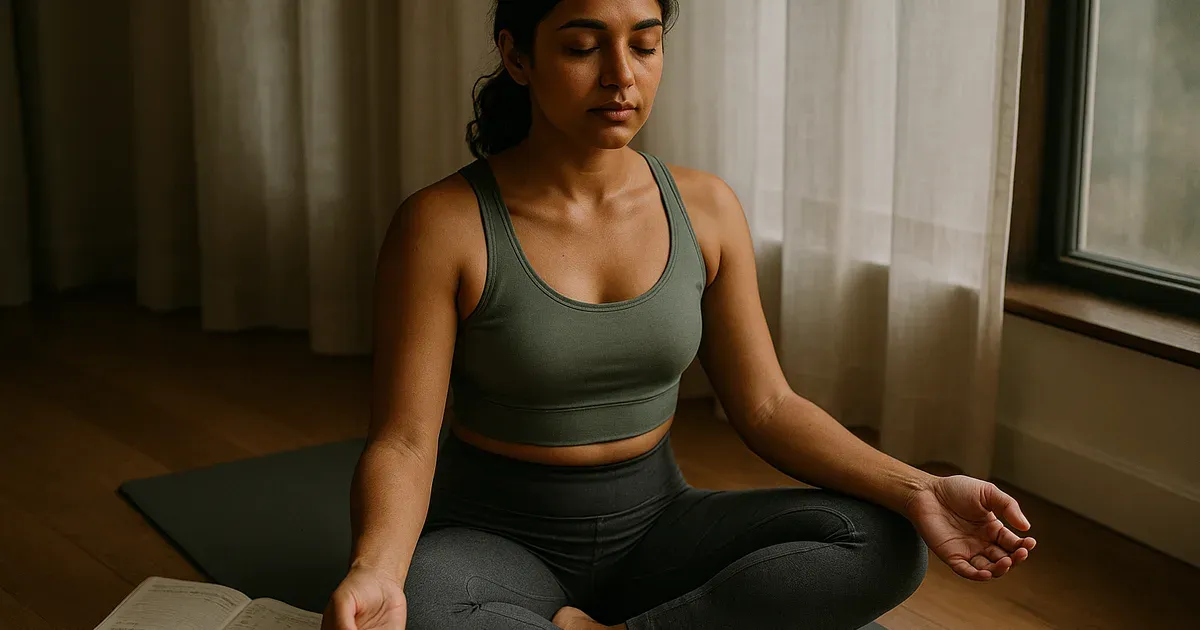
Ever wonder why the same workout feels effortless one week and brutal the next? You haven't lost fitness overnight. Your hormones have shifted — and your body is asking for something different. Cycle syncing workouts offer a framework for working with those hormonal changes instead of against them, helping you train smarter, recover faster, and feel better across the entire month.
This guide breaks down exactly what cycle syncing is, whether the science supports it, and which exercises to prioritize in each phase of your menstrual cycle.
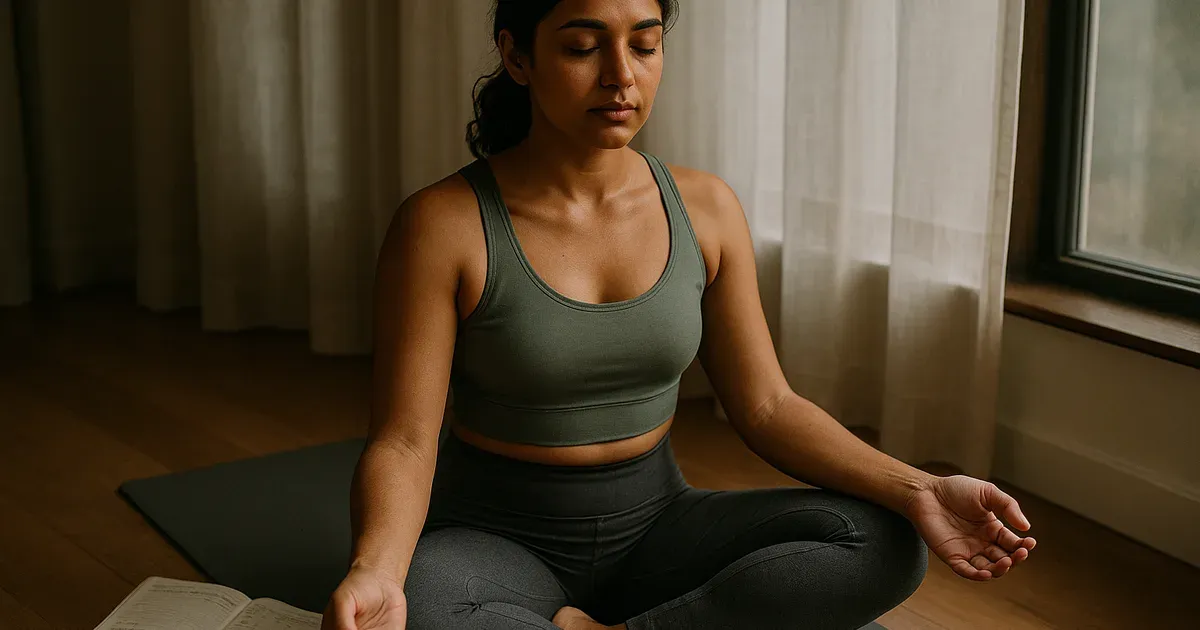
What Are Cycle Syncing Workouts?
Cycle syncing is an approach to fitness — and broader well-being — that aligns your exercise routine with the four phases of your menstrual cycle. Each phase triggers distinct hormonal shifts that affect your energy levels, strength, mood, and recovery capacity. Cycle syncing workouts take those variations into account so you're not forcing a high-intensity session on a day your body is primed for rest, or holding back on a day you could be setting personal records.
The method extends beyond the gym, too. Proponents adapt nutrition, sleep habits, and self-care practices to match each phase. But for fitness purposes, the core idea is simple: match workout intensity and type to where you are in your cycle.
Does Cycle Syncing Actually Work?
The short answer is: the evidence is promising, and many people find it genuinely useful. Research shows that hormonal fluctuations throughout the menstrual cycle influence metabolism, energy availability, and muscular strength. Estrogen, for example, has anabolic properties that support muscle growth and recovery — and estrogen levels are not constant throughout the month.
By timing higher-intensity training to phases when estrogen is elevated, you may be able to extract more benefit from hard sessions and reduce injury risk during phases when your body is less resilient. Individual responses vary, but the physiological rationale is sound.
Anecdotal reports are also consistent. Many people who adopt cycle syncing workouts describe improved energy, better mood management, reduced PMS symptoms, and a stronger sense of body awareness. These outcomes aren't trivial — they compound into more consistent training habits over time.
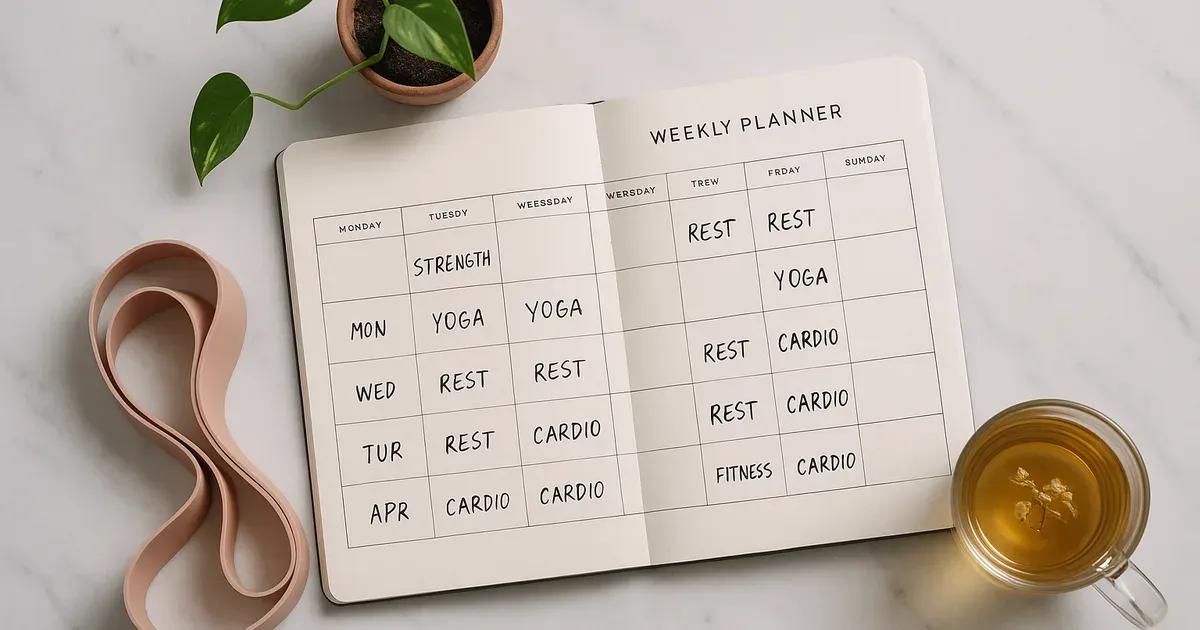
Does Cycle Syncing Help With Hormonal Balance and Weight Loss?
Hormonal imbalances can stem from many sources — stress, medications, conditions like diabetes or PCOS, or injury. Aligning your lifestyle to your cycle can help nudge certain hormones back toward balance. For instance, cardiovascular exercise during phases when estrogen is naturally low can support estrogen production and help manage symptoms like fatigue and brain fog.
On the weight loss question, cycle syncing workouts are not a standalone solution — but they can make your existing routine more efficient. By supporting muscle growth and optimizing recovery, cycle syncing helps you get stronger and fitter more consistently. Diet, genetics, sleep, and stress management still drive the bulk of body composition changes. Cycle syncing is best understood as a productivity layer on top of sound fundamentals, not a replacement for them.
If weight loss is a specific goal, consulting a healthcare provider before restructuring your training around your cycle is a sensible first step.
The Four Phases and the Best Workouts for Each
Phase 1 — Menstrual Phase (Days 1–5, approximately)
Your period marks the start of the cycle, and hormone levels hit their lowest point here. Estrogen and progesterone both drop, which can bring fatigue, cramps, and mood fluctuations. This is not the time to push for a new deadlift max.
The goal during the menstrual phase is to support your body's natural processes, reduce discomfort, and maintain movement without adding physiological stress.
Best workouts for the menstrual phase:
- Yoga — Gentle poses targeting the lower back, hips, and pelvis (child's pose, reclining bound angle, supine spinal twist) ease cramps and improve circulation.
- Pilates — Low-load core work improves posture and alleviates lower back pain without taxing the system. The hundred, pelvic curl, and side-lying leg lifts are good starting points.
- Walking or light cardio — A moderate-paced walk or easy cycle ride releases endorphins and boosts circulation without spiking cortisol.
- Stretching and breathwork — Deep breathing, guided meditation, or progressive muscle relaxation reduce stress hormones and ease muscle tension.
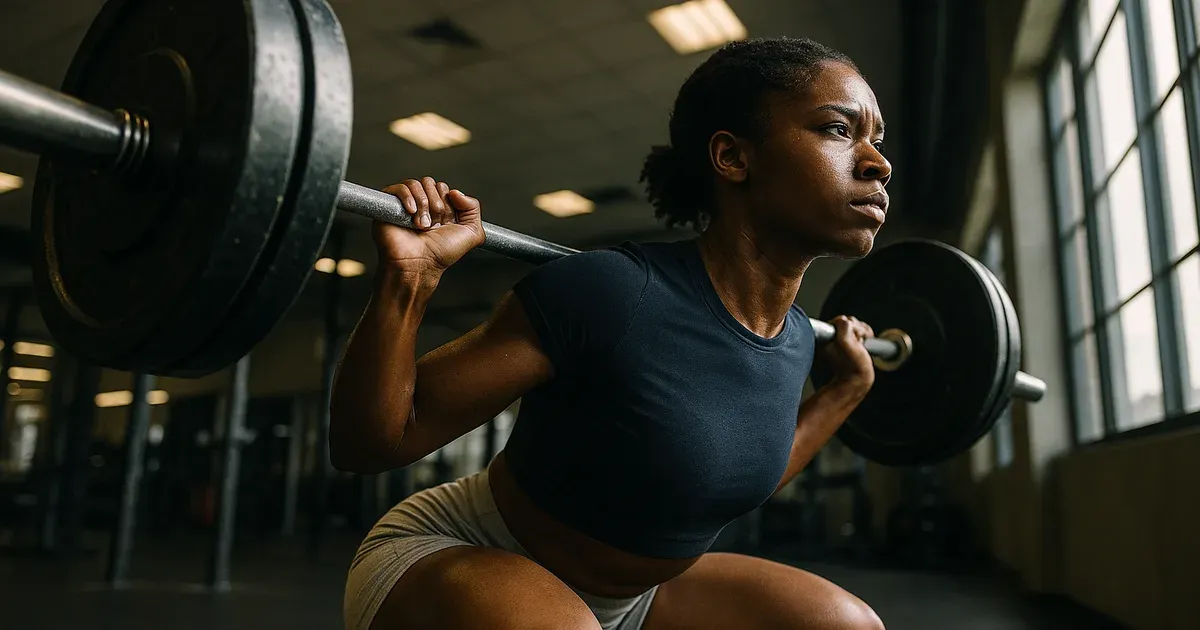
Phase 2 — Follicular Phase (Days 6–13, approximately)
After your period ends, estrogen begins its steady rise toward ovulation. Energy climbs with it. Many people notice improved mood, sharper focus, and a genuine enthusiasm for physical challenge during this window. This is an excellent phase to tackle harder training goals.
Estrogen's anabolic properties mean your muscles respond well to strength stimulus and recover more efficiently. Take advantage of it.
Best workouts for the follicular phase:
- Strength training — Compound movements like squats, lunges, deadlifts, push-ups, and overhead presses build lean muscle mass, improve bone density, and accelerate metabolism. Load up progressively.
- High-intensity interval training (HIIT) — Rising energy makes the follicular phase ideal for short bursts of all-out effort followed by active recovery. HIIT improves cardiovascular fitness and burns calories efficiently.
- Dance or group fitness classes — The mood lift from estrogen pairs well with social, high-energy formats. If you've been putting off trying a new class, this is the week to go.
- Running or cycling at higher intensity — Endurance performance tends to be stronger here. Use this phase to push pace or distance goals.
Phase 3 — Ovulatory Phase (Days 14–16, approximately)
Ovulation is the hormonal peak of the cycle. Estrogen surges to its highest point, and testosterone briefly spikes alongside it. Many people feel at their strongest, most confident, and most physically capable during this short window.
This is your power phase. It's an ideal time to test maximums in the gym, tackle a race or competitive event, or take on a physically demanding challenge.
Best workouts for the ovulatory phase:
- Heavy strength training or powerlifting — Aim for personal bests. Your neuromuscular system is firing efficiently and your recovery capacity is high.
- High-intensity cardio or sport — Team sports, sprinting, or intense cycling classes align well with peak energy and competitive drive.
- Circuit training — Combining strength and cardio in a single session capitalizes on the hormonal environment without wasting the window.
One note of caution: some research suggests ligament laxity increases slightly around ovulation due to estrogen's effects on connective tissue. Warm up thoroughly and pay attention to form, particularly in high-impact or rotational movements.

Phase 4 — Luteal Phase (Days 17–28, approximately)
After ovulation, progesterone rises and estrogen gradually falls. This hormonal shift brings a slower, more inward energy. Body temperature rises slightly, metabolism increases modestly, and PMS symptoms may emerge in the later days of this phase — bloating, mood changes, breast tenderness, and fatigue.
The luteal phase calls for a gradual step-down in intensity, particularly in the final week. Honoring that shift reduces injury risk, manages cortisol, and sets you up for a smoother menstrual phase ahead.
Best workouts for the luteal phase (early):
- Moderate strength training — Maintain your training frequency but ease off peak loads. Focus on form and mind-muscle connection rather than hitting new maximums.
- Steady-state cardio — A longer, lower-intensity run, swim, or bike ride suits the energy profile of the early luteal phase well.
- Pilates or barre — These modalities build strength without excessive systemic stress.
Best workouts for the luteal phase (late, pre-menstrual):
- Yoga and stretching — Transition toward the restorative work you'll lean on during your period.
- Walking — Gentle movement manages mood and maintains circulation without depleting already-lower energy reserves.
- Breathwork and stress reduction — Cortisol management becomes especially important here. High-intensity exercise can amplify PMS symptoms if overdone.
Additional Benefits of Cycle Syncing Workouts
The fitness gains are only part of the picture. People who practice cycle syncing often report a broader set of improvements that compound over time:
- Better sleep quality — Aligning exercise intensity to hormonal rhythm reduces the cortisol spikes that disrupt sleep architecture.
- Improved digestive health — Reduced physical stress and better recovery support gut motility and microbiome balance.
- Enhanced psychological well-being — Working with your body rather than against it builds self-trust and reduces the anxiety of "bad workout days."
- Heightened productivity and creativity — Many practitioners find that leaning into the cognitive strengths of each phase (focus in the follicular, reflection in the luteal) improves output beyond the gym.
- Reduced injury risk — Periodizing intensity across the cycle prevents the overtraining that accumulates when you push hard every week regardless of recovery capacity.

How to Start Cycle Syncing Your Workouts
You don't need a perfect plan on day one. Start by tracking your cycle with a simple app or journal. Note your energy levels, mood, and how your body feels during workouts across a full cycle or two. Patterns will emerge.
From there, use those patterns to make small adjustments — saving your hardest sessions for the follicular and ovulatory phases, and building in intentional recovery during the late luteal and menstrual phases. Consistency over weeks and months will reveal whether cycle syncing works for your body specifically.
If you have underlying hormonal conditions such as PCOS, endometriosis, or irregular cycles, work with a healthcare provider before significantly restructuring your training. Cycle syncing is a complementary tool — not a medical intervention.
The Bottom Line
Cycle syncing workouts are not a magic fix, but they are a genuinely intelligent way to train. By matching your exercise intensity and type to the hormonal environment of each menstrual phase, you can improve performance, support recovery, reduce PMS symptoms, and build a more sustainable relationship with fitness.
The four phases — menstrual, follicular, ovulatory, and luteal — each call for something different. Honor those differences and your body will reward you with more energy, fewer injuries, and better results from every session you put in.