Dietary Fibre Unlocks Gut Worms' Anti-Inflammatory Power
New research finds dietary fibre determines whether beneficial gut worms reduce inflammation — with major implications for gut health in the UK.

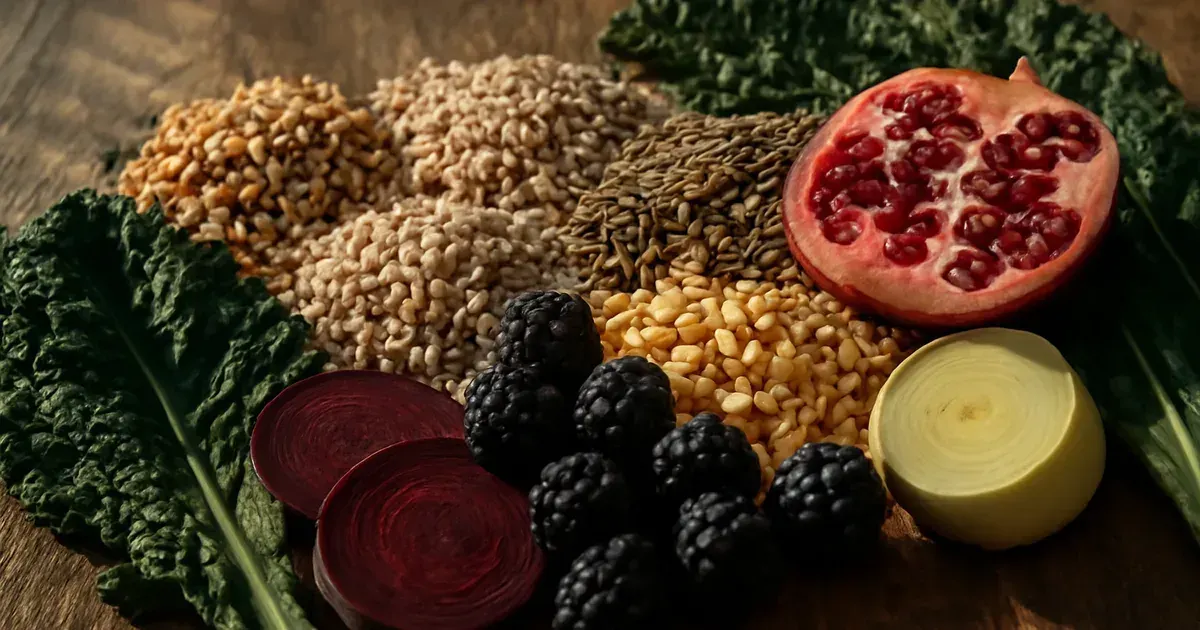
Scientists have discovered that dietary fibre is the critical factor determining whether beneficial intestinal worms can protect against inflammation, according to new research published in Nature Communications. Without sufficient fibre, the worms enter a dormant, hibernation-like state and lose their anti-inflammatory function entirely. The finding adds a significant new dimension to our understanding of the gut-brain connection and the broader role of microbiome health in human wellbeing.
Why This Matters for Gut Health in the UK
In the UK, dietary fibre intake remains well below recommended levels. The NHS and the UK Eatwell Guide advise adults to consume 30g of fibre per day, yet surveys consistently show the average British adult eats closer to 18g. Against this backdrop, research linking fibre deprivation to impaired gut immune function carries real public health weight. Scientists working in the field of microbiome UK research have long argued that the modern Western diet — low in fibre, high in processed foods — is quietly dismantling protective mechanisms in the gut.
Fibre Deprivation Sends Gut Worms Into Hibernation
The study, which used the intestinal tapeworm Hymenolepis diminuta as a model organism, found that fibre availability shapes the entire developmental trajectory of intestinal helminths in a stage-dependent manner. According to the researchers, when fibre was plentiful, the worms grew normally, reproduced, and actively supported an anti-inflammatory immune response in the host. When fibre was removed from the diet at the point of host colonisation, the worms arrested their development — showing reduced growth, no reproduction, and, critically, a loss of their beneficial immune-modulating effects, per the published findings in Nature Communications.
This phenomenon, described by the researchers as developmental plasticity, suggests that the worms are exquisitely sensitive to the nutritional environment of the gut. A 2026 study in Nature Communications confirmed that fibre deprivation at colonisation leads to developmental arrest and an absence of the anti-inflammatory activity that makes these helminths potentially therapeutic.
What This Means for Improving Gut Health Naturally
For health-conscious adults in the UK looking to improve gut health naturally, the research reinforces a message that is both simple and urgent: fibre is foundational. The findings suggest that the gut ecosystem — including not just bacteria but potentially parasitic organisms that have co-evolved with humans — depends on adequate fibre to function as intended. Researchers have not yet tested these findings in humans, and the study authors caution that further investigation is needed before clinical conclusions can be drawn.
The gut-brain connection also comes into focus here. Chronic inflammation, which beneficial helminths may help suppress when fibre is sufficient, is increasingly linked in the scientific literature to mood disorders, cognitive decline, and stress dysregulation. British Gut Project data and UK Biobank research have both highlighted links between low dietary diversity, poor fibre intake, and compromised gut microbiome composition. This new study suggests the consequences of a low-fibre diet may extend even further than previously understood.
The Takeaway
New science is revealing that the gut is an ecosystem shaped profoundly by what we eat. According to researchers, dietary fibre is not merely food for beneficial gut bacteria — it may also be the decisive factor in whether other gut-dwelling organisms, including potentially therapeutic worms, can do their anti-inflammatory work. For UK adults already falling short of fibre targets, the case for closing that gap has never been stronger.
You might also like
- UK Diet Gaps Linked to Poor Gut Health
- Fasting-Mimicking Diet Cuts Gum Disease Inflammation
- How to Improve Gut Health Naturally in 5 Steps
96 Bacterial Strains. Two Shots a Day.
GOODIE is an award-winning fermented drink with 96 live bacterial strains — more than any yogurt or kombucha — never pasteurised, clinically tested, and 8 in 10 users felt less bloating within 14 days. Curious?