Drinking Water With Meals: Your Top Questions Answered
Drinking water with meals supports digestion, helps manage weight, and prevents constipation. Learn the science-backed answers to the most common questions abou

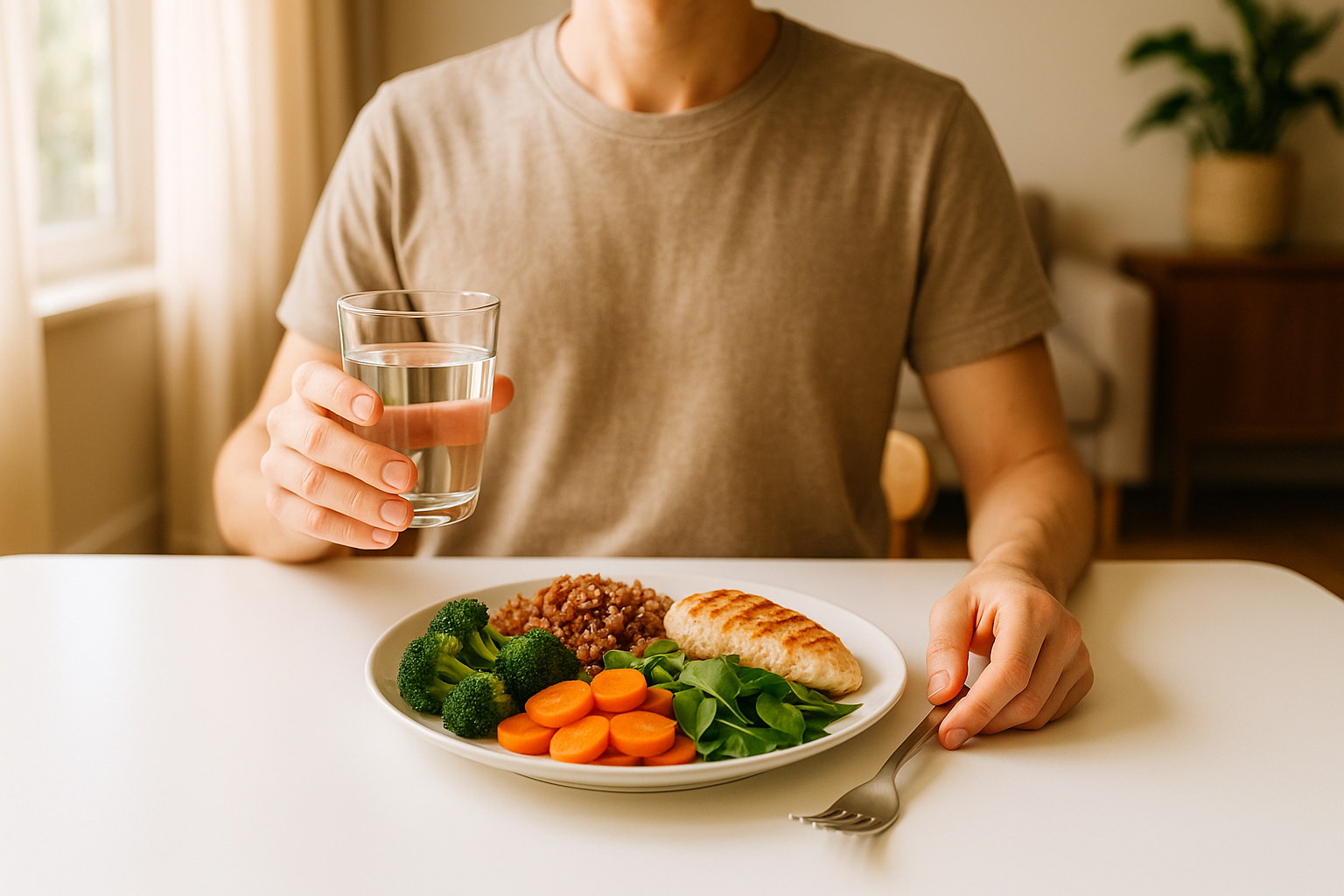
If you've ever wondered whether sipping water during dinner is helping or hurting your digestion, you're not alone. The internet is full of conflicting advice — from warnings about "diluting stomach acid" to claims that water before meals melts fat. Most of this is noise. This article cuts through the confusion with evidence-backed answers to the questions people actually search for, so you can eat, drink, and digest with confidence.
Jump to Your Question
- Does drinking water with meals hurt digestion?
- Does water dilute stomach acid or digestive juices?
- Can drinking water before or during meals help with weight loss?
- Should you avoid water with meals if you want to gain weight?
- How much water should you drink per day for good digestion?
- Are there people who should limit water intake at mealtimes?
- What else can you do to improve digestion beyond drinking water?
- Is warm water better than cold water for digestion?
Does drinking water with meals hurt digestion?
Drinking water with meals does not harm digestion — this is a common myth that has been consistently unsupported by nutritional science. Water actively participates in the digestive process rather than interfering with it. It helps break down food into smaller particles that your intestines can absorb, contributes to the production of saliva, and is a core component of stomach acid and other digestive fluids.
Far from being a problem, water at mealtimes helps your gut do its job more efficiently. It softens food as it travels through the digestive tract and helps prevent constipation by keeping stool soft enough to pass comfortably. The idea that water "washes away" digestive enzymes or impairs gut function is not supported by current evidence from nutrition research, including the Academy of Nutrition and Dietetics.
In short, drinking a glass of water with your meal is a healthy, practical habit for most people — not a digestive hazard.
Does water dilute stomach acid or digestive juices?
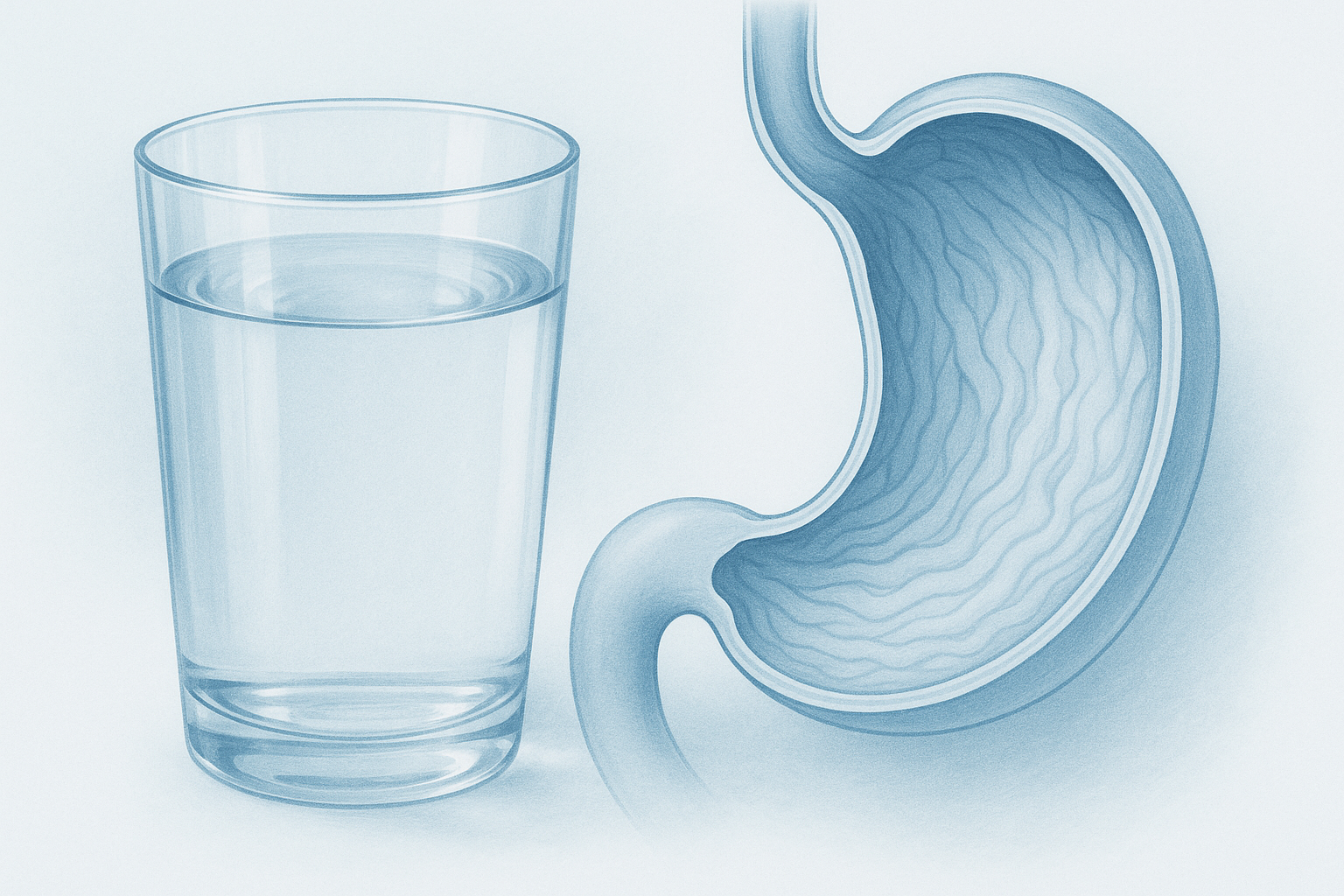
Water does not meaningfully dilute stomach acid or impair digestive juices during a normal meal. This concern circulates widely online, but it misunderstands how the digestive system works. The stomach is a dynamic organ that continuously regulates its own pH and fluid balance regardless of what you drink.
Your stomach acid (gastric acid) and digestive enzymes are produced on demand in response to food entering the stomach. Even if water temporarily changes the concentration of fluids in the stomach, the body quickly compensates. Digestive juices are produced in quantities far exceeding what a glass or two of water could realistically dilute.
Water is actually a component of stomach acid itself, as well as other digestive fluids including bile and pancreatic juice. Drinking water supports the production of these fluids rather than undermining them. The digestive system is designed to handle a wide range of fluid volumes — that is, after all, part of its job.
Can drinking water before or during meals help with weight loss?
Drinking water before or during meals can be a useful strategy for weight management because it promotes a sense of fullness without adding any calories. When the stomach is partially filled with water, there is less room for high-calorie food, which may naturally reduce how much you eat at a given sitting.
This effect is particularly helpful for people who are trying to maintain their current weight or reduce their caloric intake. Water has zero calories, zero sugar, and zero fat — making it the most calorie-neutral beverage available. Replacing sugary drinks at mealtimes with water also eliminates a significant source of excess calories for many people.
Research and dietary guidelines consistently support adequate hydration as part of a healthy weight management approach. The 2020–2025 Dietary Guidelines for Americans highlight water as the preferred beverage for good reason. If weight loss is your goal, pairing water at mealtimes with mindful eating practices like slower chewing and appropriate portion sizes amplifies the benefit.
| Strategy | Calorie Impact | Hunger Effect | Suitable For |
|---|---|---|---|
| Water before meal | 0 calories | Reduces appetite | Weight loss / maintenance |
| Sugary drink with meal | High calories | May increase cravings | Neither goal |
| Water during meal | 0 calories | Slows eating pace | Weight loss / maintenance |
| No drink with meal | Neutral | No direct effect | Flexible |
Should you avoid water with meals if you want to gain weight?
If your goal is to gain weight, it may be worth limiting how much water you drink during meals — not because water is harmful, but because it takes up stomach space without contributing any calories or nutrients. Feeling full from water can reduce how much calorie-dense food you are able to eat at a sitting, which works against a weight-gain goal.
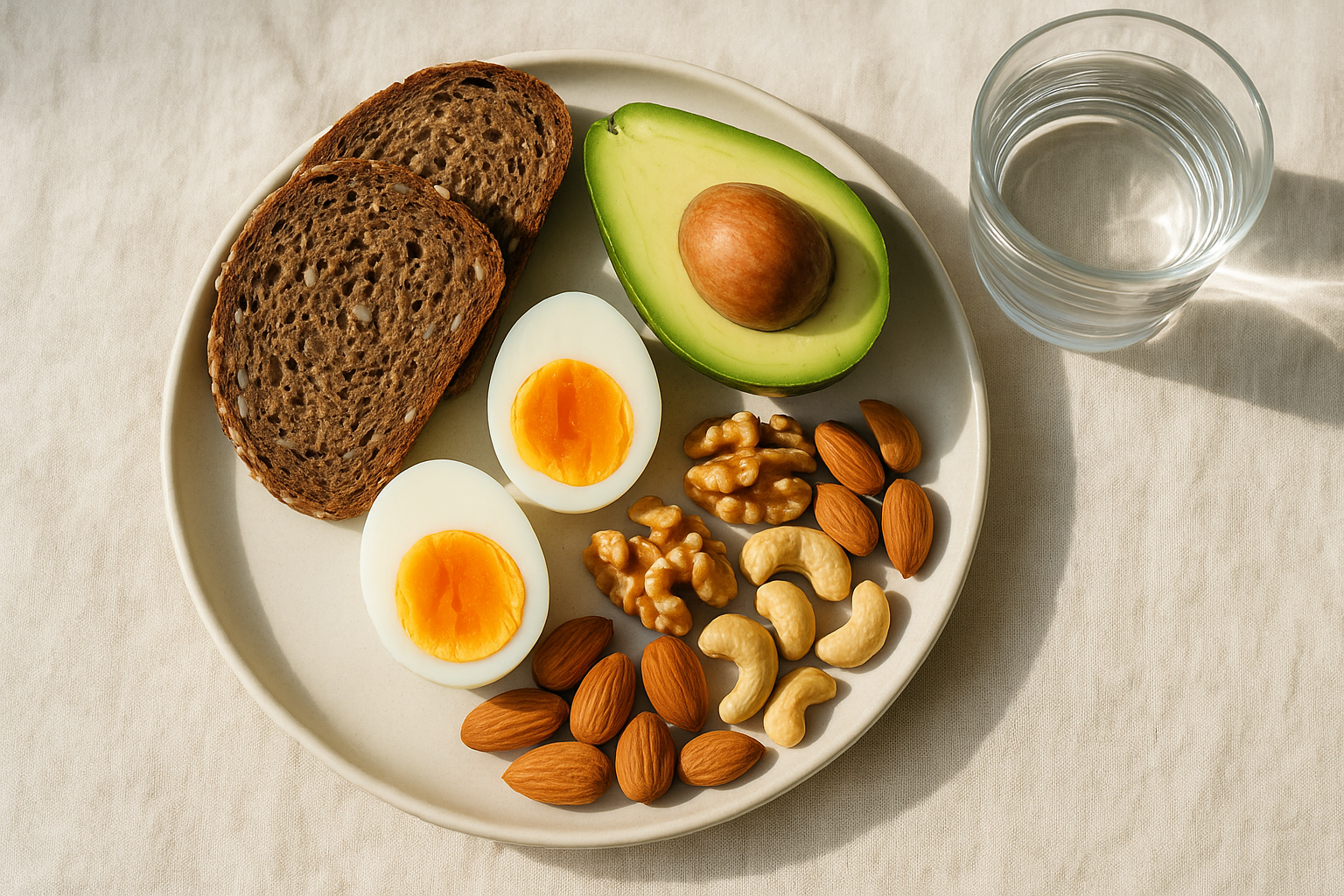
The focus for healthy weight gain should be on nutrient-dense, calorie-rich foods: whole grains, healthy fats, lean proteins, dairy, legumes, and starchy vegetables. These foods provide the energy surplus needed to build mass safely. Drinking water between meals rather than with them lets you stay hydrated without blunting your appetite at the table.
This does not mean avoiding hydration altogether. Adequate water intake remains essential for every bodily function, including muscle recovery and nutrient transport. Simply shift the timing — drink water an hour before or after meals rather than immediately before or during them.
How much water should you drink per day for good digestion?
Adequate daily water intake is essential for healthy digestion, and most adults need roughly 8 cups (about 2 litres) per day, though individual needs vary based on body size, activity level, climate, and diet. People who eat a high-fibre diet — which is excellent for gut health — particularly need to ensure they are drinking enough water, because fibre absorbs fluid as it moves through the intestines.
Water supports digestion in multiple ways throughout the day, not just at mealtimes. It helps produce saliva, maintains the mucosal lining of the intestines, keeps stool soft enough to prevent constipation, and assists the kidneys in filtering waste products from the blood. Chronic mild dehydration is a common and underappreciated contributor to sluggish digestion and constipation.
Practical signs you are drinking enough include pale yellow urine, regular bowel movements, and rarely feeling thirsty. Dark urine, infrequent urination, and persistent constipation can all signal that your fluid intake needs attention.
- Aim for at least 8 cups of water daily as a baseline
- Increase intake during exercise, hot weather, or illness
- High-fibre eaters need more water than low-fibre eaters
- Count water-rich foods (fruits, vegetables, soups) toward your daily total
Are there people who should limit water intake at mealtimes?
People living with heart disease, kidney disease, or liver disease may need to monitor and limit their overall fluid intake, including water consumed at meals. For these individuals, excess fluid can accumulate in the body and place additional strain on already-compromised organs. This is not a concern for healthy adults but is a meaningful medical consideration for those managing these conditions.
If you are taking medications that affect your digestive system — such as certain pain relievers, antidepressants, iron supplements, or antibiotics — your healthcare provider may have specific guidance on how and when to take them relative to meals and fluid intake. Some medications are better absorbed with food and water; others interact with specific foods or beverages.
The key message is that water at mealtimes is safe and beneficial for the general population, but individual health conditions can change that equation. Always consult your healthcare team if you have a chronic condition or are managing complex medication regimens.

What else can you do to improve digestion beyond drinking water?
Good digestion depends on a combination of habits, not just hydration. Water is one important piece, but several other lifestyle factors have a significant and well-documented impact on how efficiently and comfortably your gut functions day to day.
Key habits that support healthy digestion include:
- Eat slowly — chewing thoroughly gives your stomach time to signal fullness and begins the breakdown of food before it even reaches the stomach
- Get enough fibre — the recommended daily intake is 25–38 grams; fibre feeds beneficial gut bacteria and keeps bowel movements regular
- Stay physically active — movement helps food travel through the gastrointestinal tract and reduces the risk of constipation
- Manage stress — chronic stress disrupts gut motility and can worsen conditions like irritable bowel syndrome (IBS)
- Eat on a schedule — regular meal timing trains the digestive system to activate and rest in a predictable rhythm
- Watch portion sizes — overeating strains the digestive system and can cause bloating, reflux, and discomfort
The gut-brain connection is also worth noting here. Stress, anxiety, and poor sleep can each directly disrupt gut function through the gut-brain axis. Addressing mental wellbeing is a legitimate and evidence-supported strategy for better digestion.
Is warm water better than cold water for digestion?
There is no strong clinical evidence that warm water is significantly better than cold water for digestion in healthy adults. The body regulates the temperature of everything that enters the stomach relatively quickly, so whether your water is room temperature, warm, or cold, it reaches the digestive system at a similar temperature within minutes.
Warm water is sometimes recommended in traditional medicine systems — such as Ayurveda and Traditional Chinese Medicine — as a gentler option for the gut, particularly first thing in the morning or after meals. Some people find that warm water feels more soothing and causes less discomfort than very cold water, particularly if they are prone to bloating or cramps.
From a practical standpoint, the most important thing is that you are drinking water consistently throughout the day. Temperature is a matter of personal preference and comfort. If warm water encourages you to drink more, that is a benefit in itself — drink whatever temperature you enjoy most.
Bottom Line
Key takeaways on drinking water with meals and digestion:Drinking water with meals supports digestion — it does not dilute stomach acid or harm digestive function in healthy people.Water at mealtimes helps with weight management by promoting fullness without adding calories; limit mealtime water if your goal is weight gain.Aim for adequate daily hydration (around 8 cups for most adults), especially if you follow a high-fibre diet.People with heart, kidney, or liver disease should consult their healthcare team about appropriate fluid intake.Hydration is just one piece of the puzzle — eating slowly, staying active, managing stress, and maintaining a high-fibre diet all contribute to healthy digestion.