Drinks for Digestion: Your Biggest Questions Answered
Discover the best drinks for digestion — from warm water to kombucha — and which beverages to avoid for better gut health.

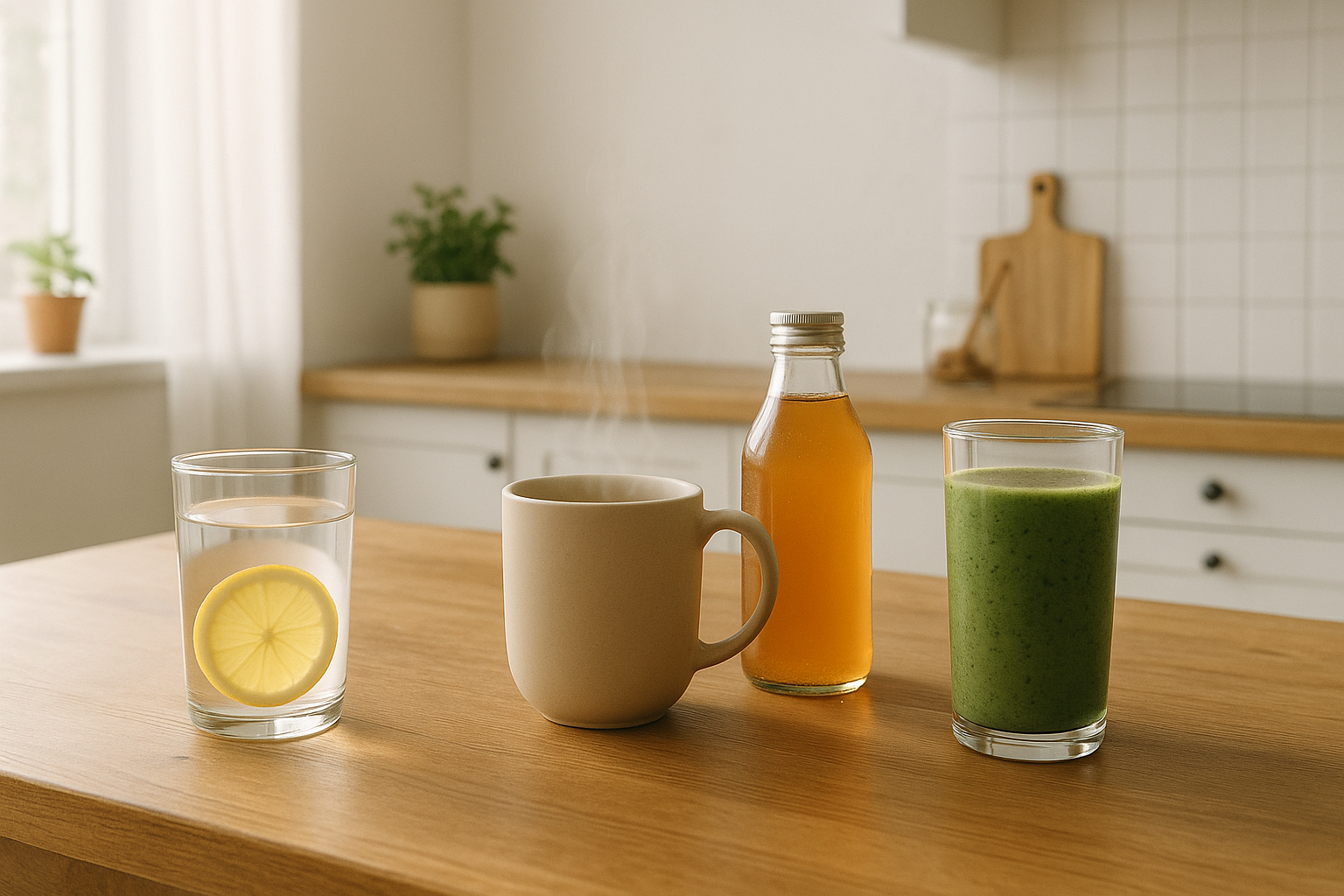
If you've ever finished a meal feeling bloated, gassy, or just plain uncomfortable, you're not alone. Millions of people deal with digestive issues daily — and many are unsure which drinks actually help versus which ones quietly make things worse. This guide answers the most common questions about drinks for digestion, pulling together what the research says so you can make confident, practical choices starting today.
Jump to Your Question
- What drinks are best for digestion?
- Does warm water actually help digestion?
- Which herbal teas are best for gut health?
- Is kombucha good for digestion?
- Kombucha vs. kefir: which is better for gut health?
- What drinks should you avoid if you have digestive issues?
- Can green juice or smoothies improve digestion?
- Does prune juice really help with bowel movements?
- What lifestyle changes support better digestion beyond drinks?
What drinks are best for digestion?
The best drinks for digestion are those that support gut bacteria, reduce intestinal inflammation, and help move waste through the digestive tract. These include warm water, herbal teas, prune juice, green juices, kombucha, and kefir — each working through a slightly different mechanism to ease digestive discomfort.
When food enters the body, it travels down the esophagus to the stomach, where digestive enzymes break it down. It then moves into the intestines, where nutrients are absorbed into the bloodstream. Gut bacteria play a critical role throughout this process, and a disruption in that bacterial balance has been linked to conditions like obesity and inflammatory bowel disease.
Water and dietary fibre are foundational — they soften stool and help waste move efficiently through the digestive tract. Probiotic-rich drinks like kombucha and kefir add beneficial bacteria to the gut, while herbal teas offer anti-inflammatory compounds that can soothe the intestinal lining.
Key drinks that support digestion:
- Warm water
- Peppermint, ginger, turmeric, and fennel teas
- Prune juice
- Green juice or vegetable smoothies
- Kombucha
- Kefir
Does warm water actually help digestion?
Warm water can genuinely support digestion by aiding gut bacteria and helping waste move more smoothly through the digestive system. While plain water at any temperature is essential for digestion, research suggests that warm water may offer additional benefits beyond basic hydration.
Water is critical for softening bowel movements and helping fibre do its job in the digestive tract. Without adequate hydration, waste can become compacted, making bowel movements difficult and uncomfortable. Warm water, specifically, appears to have a mild stimulating effect on gut activity.
Drinking warm water after meals — rather than ice-cold water — is a practice supported in both traditional medicine and emerging research. It's one of the simplest, most accessible drinks for digestion available to everyone.

Which herbal teas are best for gut health?
Peppermint, ginger, turmeric, and fennel teas are among the most effective herbal teas for gut health, each containing plant compounds that reduce inflammation and relieve common symptoms of digestive distress.
Peppermint tea contains menthol, which has antispasmodic properties that can relax the muscles of the gastrointestinal tract and ease cramping. Ginger tea is well known for reducing nausea and supporting gastric emptying — the process by which the stomach moves food into the small intestine. Turmeric tea contains curcumin, a potent anti-inflammatory compound that may help protect the intestinal lining. Fennel tea has traditionally been used to reduce bloating and gas.
Herbal teas are also an excellent source of warm fluids, meaning they contribute to overall hydration while delivering targeted digestive benefits. Drinking a cup after meals is a practical, low-effort way to incorporate more of these gut-supportive compounds into your daily routine.
Best herbal teas for digestion at a glance:
- Peppermint — eases cramping and spasms
- Ginger — reduces nausea, supports gastric emptying
- Turmeric — fights intestinal inflammation
- Fennel — relieves bloating and gas
Is kombucha good for digestion?
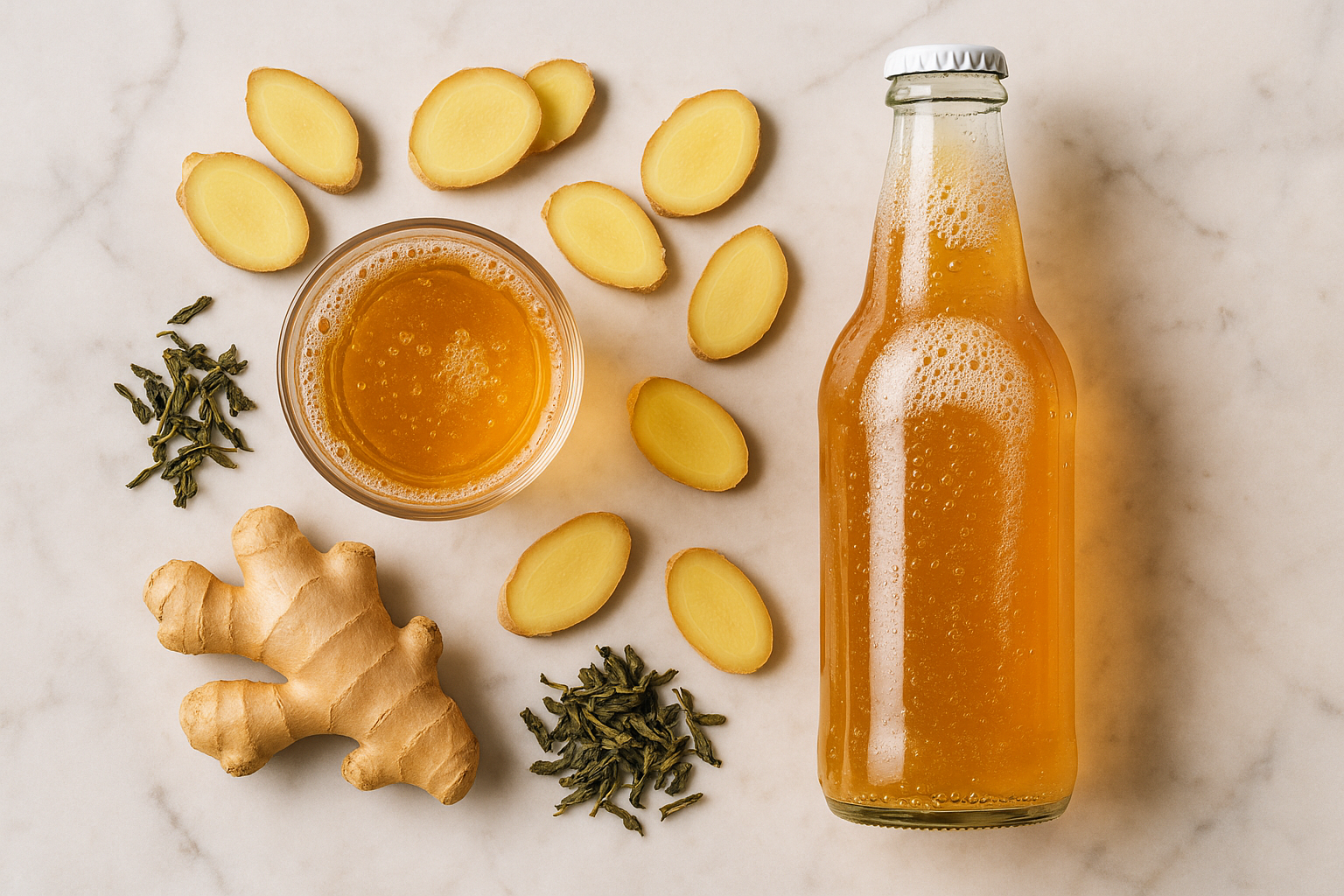
Kombucha is a fermented tea that contains a broad range of probiotics, and research indicates it may help with nutrient absorption in addition to supporting gut health. Because it is made through a fermentation process involving bacteria and yeast, each bottle contains live cultures that can contribute to a healthier gut microbiome.
A well-balanced gut microbiome is essential for efficient digestion. When the balance of gut bacteria is disrupted, it can contribute to bloating, irregular bowel movements, and even broader health issues like inflammation. Kombucha introduces beneficial bacterial strains that may help restore that balance.
One important caveat: kombucha is slightly carbonated. For those who are particularly sensitive to gas and bloating, it's worth starting with a small amount to see how your body responds. Choosing low-sugar varieties is also advisable, since excess sugar can feed harmful bacteria in the gut.
Kombucha vs. kefir: which is better for gut health?
Both kombucha and kefir are probiotic-rich fermented drinks that support gut health, but they differ significantly in their nutritional profile, source, and best use cases. Choosing between them often comes down to dietary preferences, lactose tolerance, and specific digestive goals.
Kefir is a fermented dairy beverage — thick, tangy, and packed with both probiotics and important nutrients like calcium, protein, and B vitamins. It typically contains a higher diversity of bacterial strains than kombucha. However, because it is made from cow's milk, it is not suitable for people who are lactose intolerant — and consuming it in that case may actually worsen digestive distress.
Kombucha is dairy-free, making it accessible to a wider range of people. Its probiotic content varies by brand and brewing method, and it also contains organic acids that may support digestion.
| Feature | Kombucha | Kefir |
|---|---|---|
| Base | Fermented tea | Fermented dairy |
| Probiotic content | Moderate | High (diverse strains) |
| Suitable for lactose intolerance | Yes | No |
| Key nutrients | Organic acids, B vitamins | Calcium, protein, B vitamins |
| Calories | Low | Moderate |
| Best for | Dairy-free probiotic boost | Nutrient-dense gut support |
Both drinks offer real digestive benefits — the best choice is the one you'll drink consistently and that agrees with your digestive system.
What drinks should you avoid if you have digestive issues?
Carbonated beverages and alcohol are the two drink categories most likely to worsen digestive issues, and reducing or eliminating them is one of the most impactful steps you can take for gut health.
Carbonated drinks release gas in the digestive tract, which can raise stomach acid levels and lead to bloating, discomfort, and an urgent need to burp. Even sparkling water, while generally healthier than fizzy soft drinks, may aggravate symptoms in people who are already experiencing digestive problems.
Alcohol has a well-documented negative impact on gut health. Research clearly shows that consuming large amounts of alcohol can increase inflammation in the intestines, damage the digestive tract lining, and negatively disrupt the gut microbiome. Even moderate alcohol consumption may slow digestion and irritate the stomach lining.
Drinks to limit or avoid:
- Carbonated soft drinks and sparkling water (if sensitive)
- Alcohol — especially in large quantities
- Milk-based beverages (if lactose intolerant)
- High-sugar drinks that may feed harmful gut bacteria

Can green juice or smoothies improve digestion?
Green juices and smoothies made from vegetables and fruits are high in both water and dietary fibre, making them effective drinks for digestion that help waste move smoothly through the digestive system. They can be particularly useful for people who struggle to eat enough whole vegetables throughout the day.
Fibre is essential for healthy digestion — it adds bulk to stool and feeds beneficial gut bacteria, a process known as prebiotic feeding. Water content in green vegetables like cucumber, celery, and spinach also contributes to hydration, which is critical for softening bowel movements.
Smoothies retain more fibre than juices, since blending keeps the whole fruit or vegetable intact. If digestive support is the primary goal, smoothies are generally the better option over strained juices. Adding ingredients like ginger, flaxseed, or a small amount of kefir can amplify the digestive benefits even further.
Does prune juice really help with bowel movements?
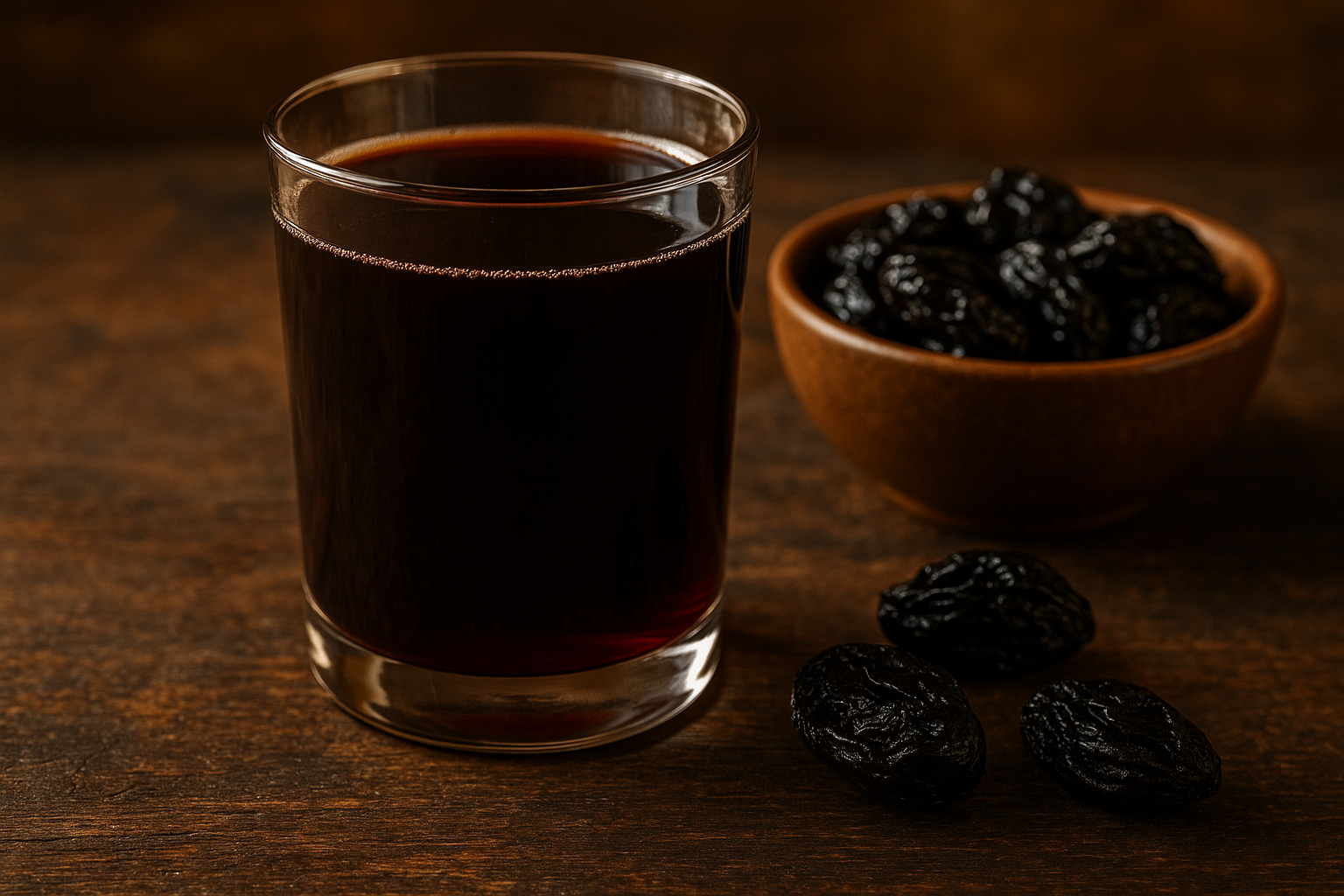
Prune juice is one of the most well-established drinks for digestion specifically targeting constipation, thanks to its high fibre content and naturally occurring sorbitol. Sorbitol is a sugar alcohol that draws water into the large intestine, softening stool and stimulating bowel movements.
A single glass of prune juice contains meaningful amounts of dietary fibre, which adds bulk to stool and encourages regularity. It also contains phenolic compounds that may have mild laxative effects by stimulating intestinal contractions.
Prune juice is widely recommended as a natural, food-based approach to constipation before turning to over-the-counter laxatives. Starting with a small glass — around 120ml — and gradually increasing intake allows your digestive system to adjust without causing cramping or discomfort.
What lifestyle changes support better digestion beyond drinks?
Drinks for digestion work best as part of a broader lifestyle approach that includes mindful eating habits, regular movement, and stress management. If digestive symptoms persist even after improving your beverage choices, these additional strategies can make a meaningful difference.
Movement and meal timing matter more than most people realise. Taking a short walk after eating uses gravity and gentle physical activity to help food move through the digestive system. Avoiding lying down immediately after meals — and steering clear of late-night eating when possible — also supports more efficient digestion.
Stress is a significant but often overlooked driver of digestive problems. Activities like deep breathing exercises, yoga, and acupuncture have been shown to lower stress levels and, in turn, support healthier gut function. Quitting smoking and keeping a food journal to identify personal trigger foods are also practical, evidence-backed strategies.
Mindful eating habits to adopt:
- Chew food thoroughly before swallowing
- Eat a balanced diet rich in fibre and water-dense whole foods
- Choose whole foods over ultra-processed options
- Be aware of portion sizes and meal timing
- Consider speaking with a registered dietitian if symptoms persist
If digestive problems continue despite these lifestyle changes, consulting a doctor is the right next step. They can arrange diagnostic testing and refer you to specialists — including dietitians — who can help identify and address underlying causes.
Bottom Line
- Warm water, herbal teas, kombucha, kefir, green juice, and prune juice are among the best drinks for digestion — each supporting gut health through different mechanisms.
- Carbonated drinks and alcohol are the most common beverage culprits behind digestive discomfort and should be reduced if you're experiencing gut issues.
- Probiotics in kombucha and kefir help restore gut bacterial balance; kefir is more nutrient-dense but not suitable for those with lactose intolerance.
- Fibre and hydration are the foundation of good digestion — drinks high in both (like green smoothies and prune juice) support regular, comfortable bowel movements.
- Drinks alone aren't enough — pairing smart beverage choices with mindful eating, regular movement, and stress reduction delivers the best long-term results for gut health.