Fiber Macros: How Much Fiber Do You Need?
Learn how to set your fiber macros using the 14g per 1,000 calories formula, understand soluble vs insoluble fiber, and track it alongside your other macros.

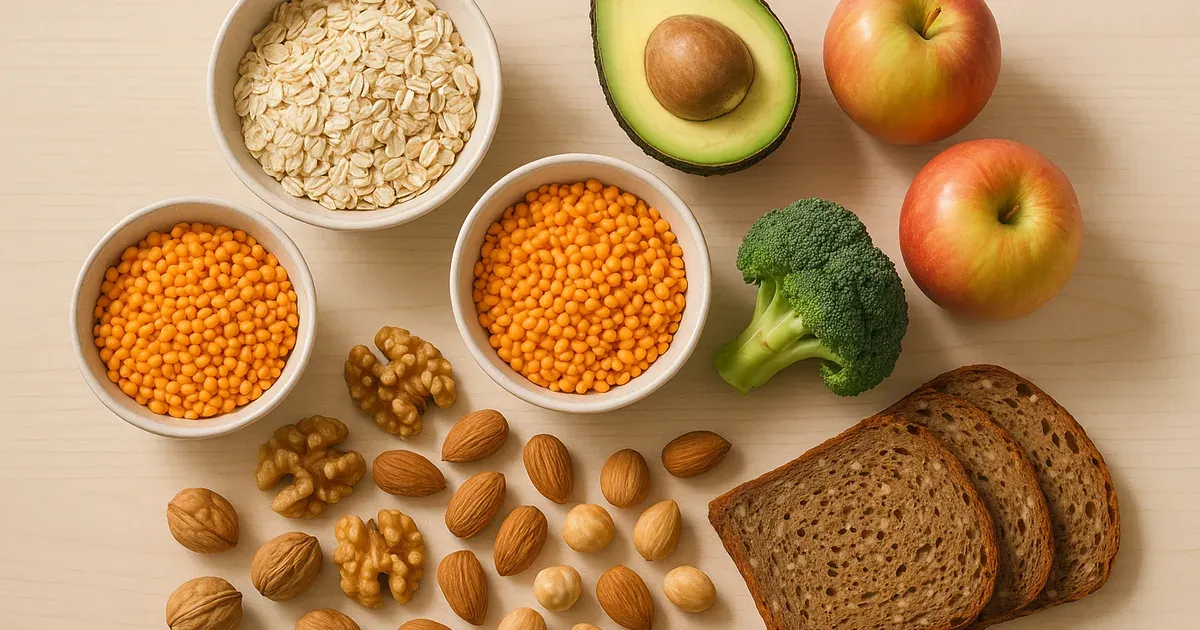
Most people obsess over protein, carbs, and fat — but there's a fourth player that quietly determines whether your diet actually works: fiber. Miss your fiber target and you're looking at sluggish digestion, cravings that won't quit, and a gut microbiome that's struggling to keep up. Nail it, and everything else tends to fall into place.
This guide breaks down exactly how to set your fiber macros, what types of fiber matter, and how fiber fits into your overall macro tracking — without overcomplicating things.
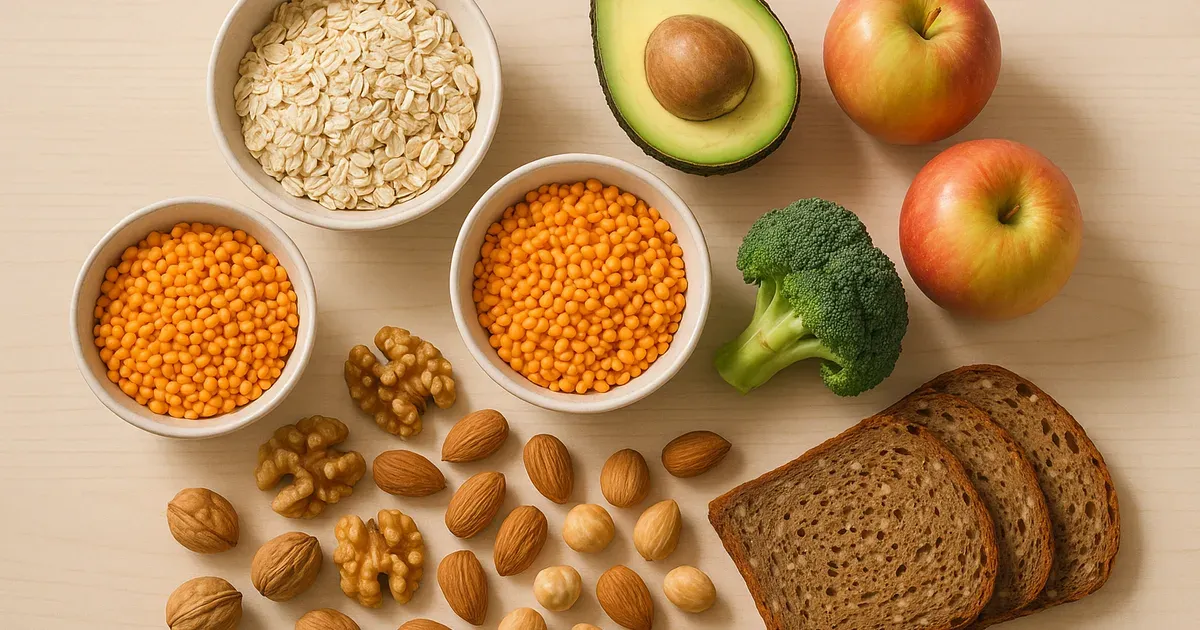
Why Fiber Deserves a Spot in Your Macro Plan
Fiber is technically a carbohydrate, but it behaves in a completely different way inside your body. Unlike other carbs, fiber isn't fully digested and absorbed in the small intestine. Instead, it travels further into the gut where it feeds beneficial bacteria, softens waste for easier movement, and signals the brain that you're full.
Some nutrition experts argue fiber should be classified as the fourth macronutrient — separate from carbohydrates entirely. Whether or not that label sticks, the functional evidence is clear: fiber has distinct health benefits that no other macro can replicate.
The gut-brain connection is real here. Fiber supports a healthy gut microbiome, and your microbiome sends signals directly to the brain that influence mood, appetite, and even hormones related to hunger and satiety. Treating fiber as an afterthought means leaving all of those benefits on the table.
The Simple Formula for Setting Your Fiber Macros
Rather than chasing a fixed gram target, fiber intake should scale with your daily calorie consumption. The formula is straightforward:
14g of fiber per 1,000 calories consumed
Here's how that plays out in practice:
- A person eating 2,000 calories/day targets 28g of fiber
- A person eating 2,500 calories/day targets 35g of fiber
- A person eating 3,000 calories/day targets 42g of fiber
To calculate your number, divide your daily calorie target by 1,000, then multiply by 14. For example, a 195 lb male with a 2,730 calorie target would calculate: 14 × 2.73 = 38g of fiber per day.
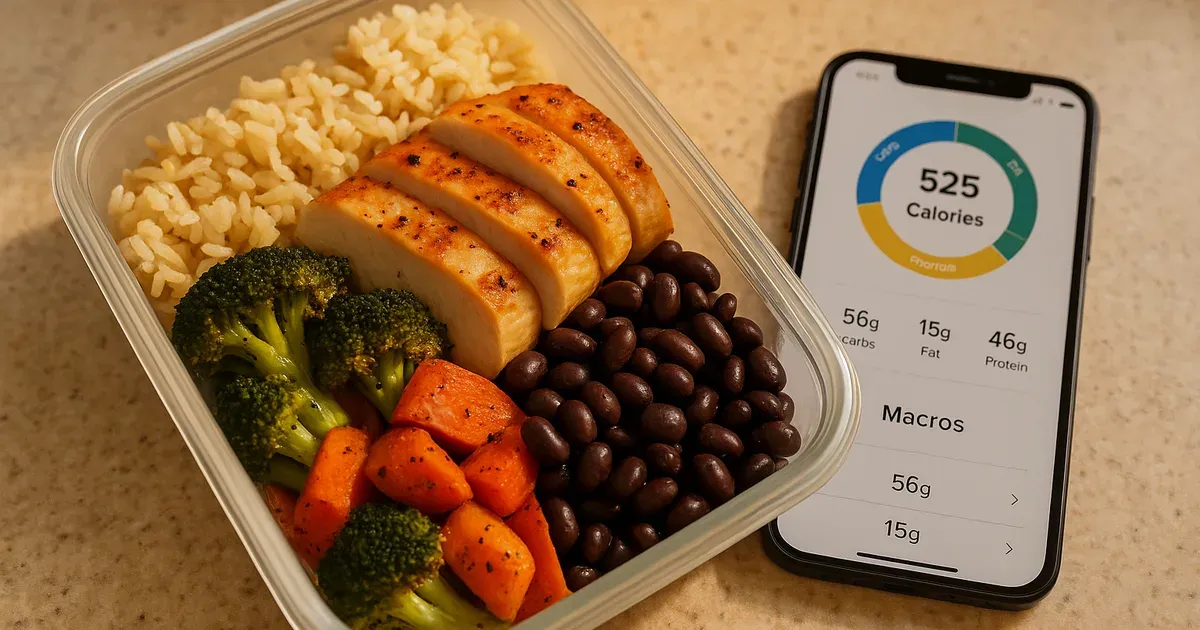
That same person's complete macro breakdown might look like this:
- Protein: 195g
- Fat: 76g
- Carbohydrate: 317g
- Fiber: 38g
One important caveat: smaller or lighter individuals may get a fiber recommendation below 25g using this formula. In that case, default to a minimum of 25g of fiber daily for basic bowel health and gut function.
Soluble vs. Insoluble Fiber: What's the Difference?
Not all fiber works the same way, and understanding the two main types helps you choose better food sources — and troubleshoot digestive issues when they arise.
Soluble Fiber
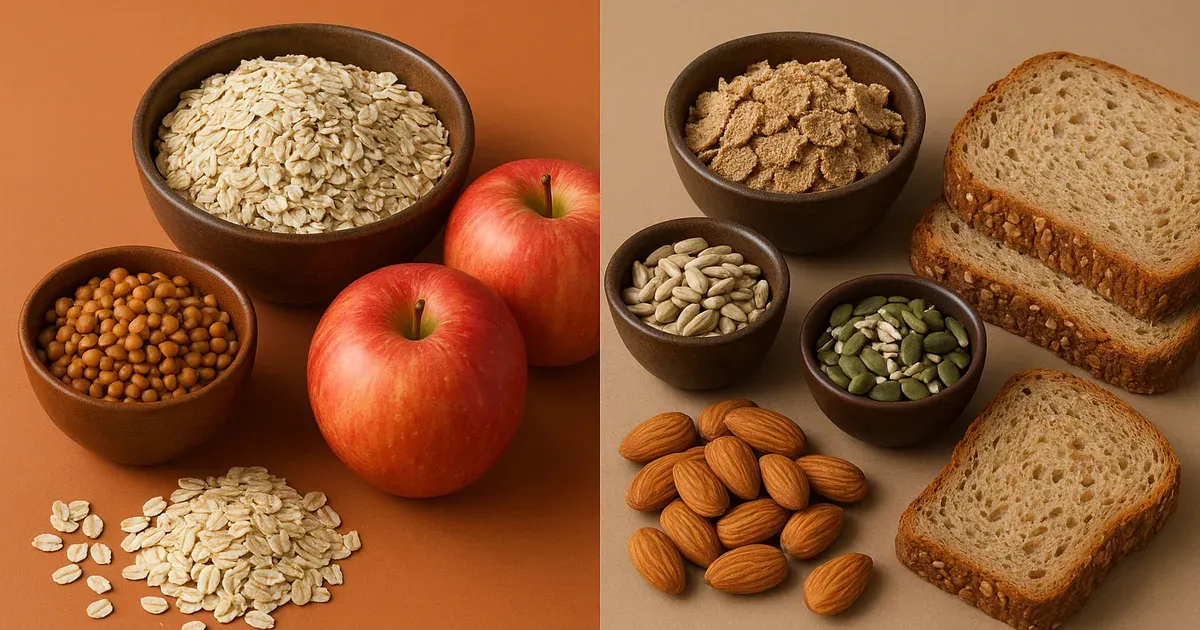
Soluble fiber dissolves in water. As it moves through the digestive tract, it's fermented by gut bacteria and absorbs water to create a gel-like substance. This slows digestion, helps regulate blood sugar, and softens stool for easier passage.
Best food sources of soluble fiber:
- Fruits (apples, pears, citrus)
- Oats, oatmeal, and barley
- Lentils, beans, and peas
- Potatoes and dried fruit
- Most vegetables
Insoluble Fiber
Insoluble fiber doesn't dissolve in water and passes through the digestive tract largely unchanged. It adds bulk to stool and speeds up transit time — making it the primary driver of regularity.
Best food sources of insoluble fiber:
- Bran and wholemeal flour
- Brown rice and whole grain cereals
- Nuts and seeds
- Edible fruit peels
- Vegetables
A well-rounded diet includes both types. Most whole foods that are rich in fiber contain a mix of soluble and insoluble, so eating a variety of sources naturally covers both bases.
High Protein Diets and Fiber: Why You Need More
High-protein diets come with a common but rarely discussed side effect: constipation. Protein-dense foods — chicken breast, eggs, beef, protein shakes — are almost universally low in fiber. When protein dominates your plate, fiber often gets crowded out.
There's no fixed ratio of fiber grams per protein grams, but the principle is simple: the higher your protein intake, the more fiber you need to compensate. If you're eating well above average protein, consider pushing beyond the standard 14g per 1,000 calories formula.
Hormones also play a role here. Cortisol — a stress hormone that rises with intense training — can slow gut motility. Combined with a low-fiber, high-protein diet, this creates a recipe for digestive discomfort. Prioritising fiber helps keep things moving regardless of training load.
Practical ways to increase fiber on a high-protein diet:
- Add lentils or beans as a carbohydrate source
- Include a serving of oats daily
- Use psyllium husk as a supplement when food sources fall short
- Eat whole fruit rather than juice
Don't Be Fooled by Vegetables Alone
Many people assume eating a lot of vegetables means eating a lot of fiber. This is a common misconception that leads to people consistently under-hitting their fiber macros while believing they're on track.
Leafy greens like lettuce, spinach, and cucumber are mostly water — they're nutrient-dense, but their fiber content per serving is relatively low. You'd need to eat an enormous volume of salad greens to reach a 35–40g fiber target from greens alone.
Better high-fiber vegetable and food choices include:
- Legumes (lentils, black beans, chickpeas)
- Avocado
- Peas
- Brussels sprouts and broccoli
- Whole grains like oats and barley
If you consistently eat well but still fall short, supplementing with psyllium husk is a practical, natural solution. It's tasteless, mixes easily into water or smoothies, and provides a significant fiber boost without adding meaningful calories.

Should You Track Fiber Separately From Carbs?
This is one of the most common questions in macro tracking, and the answer depends on your experience level.
Nutrition labels include fiber in the total carbohydrate count. Because fiber doesn't provide usable energy to the body the way other carbs do, many experienced trackers subtract it to calculate net carbs:
Net Carbs = Total Carbs − Fiber
For beginners, skip this step. The mental overhead of subtracting fiber from every food label adds complexity that can derail consistency. Start with total carbs. Get your habits right first.
For advanced trackers, switching to net carbs gives you a more accurate picture of the carbohydrates your body is actually using for energy. It also allows more flexibility — you can eat higher-fiber foods without it eating into your carb budget as aggressively.
Either way, tracking fiber as a standalone target (separate from your carb goal) is worth doing. Hitting your carb macro means nothing for gut health if all those carbs are coming from low-fiber, processed sources.
The Bottom Line on Fiber Macros
Fiber is not optional — it's a foundational part of any serious nutrition plan. It supports digestion, feeds the gut microbiome, regulates hunger hormones, and prevents the constipation that derails so many high-protein diets.
Here's a quick reference to carry forward:
- Formula: 14g of fiber per 1,000 calories
- Minimum floor: 25g/day regardless of calorie intake
- High-protein adjustment: Increase fiber beyond the standard formula
- Supplement option: Psyllium husk when food sources fall short
- Tracking approach: Beginners track total carbs; advanced trackers use net carbs
- Eat variety: Rely on legumes, whole grains, and fruits — not just leafy greens
Get your fiber macros right and you'll notice the difference — in the gym, in the mirror, and in how your gut feels day to day.