Fiber Macros: How Much Fiber Do You Need?
Learn how to set your fiber macros using a simple calorie-based formula, understand soluble vs. insoluble fiber, and avoid the pitfalls of high-protein dieting.

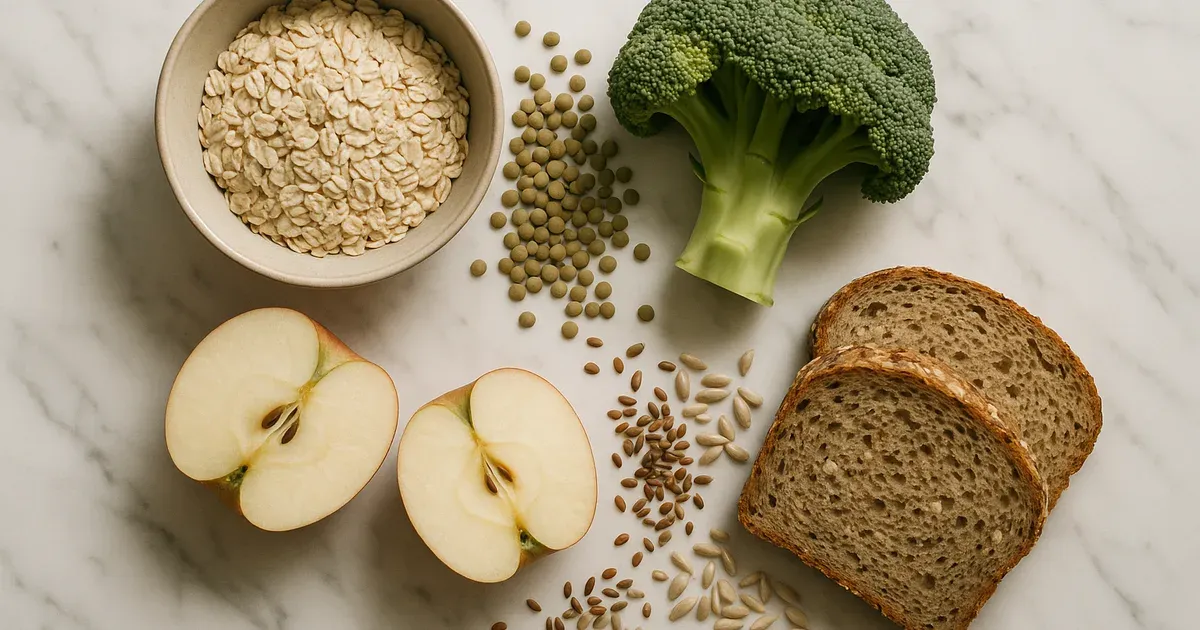
Most people tracking macros obsess over protein, carbs, and fat — and completely overlook fiber. That's a mistake. Fiber is the quiet driver behind digestion, fullness, and a healthy gut, and if you're not accounting for it in your daily targets, your macro plan has a gap.
Whether you're new to tracking or a seasoned macro counter, here's everything you need to know about fiber macros: what they are, how to calculate them, and why they matter more than most nutrition plans let on.
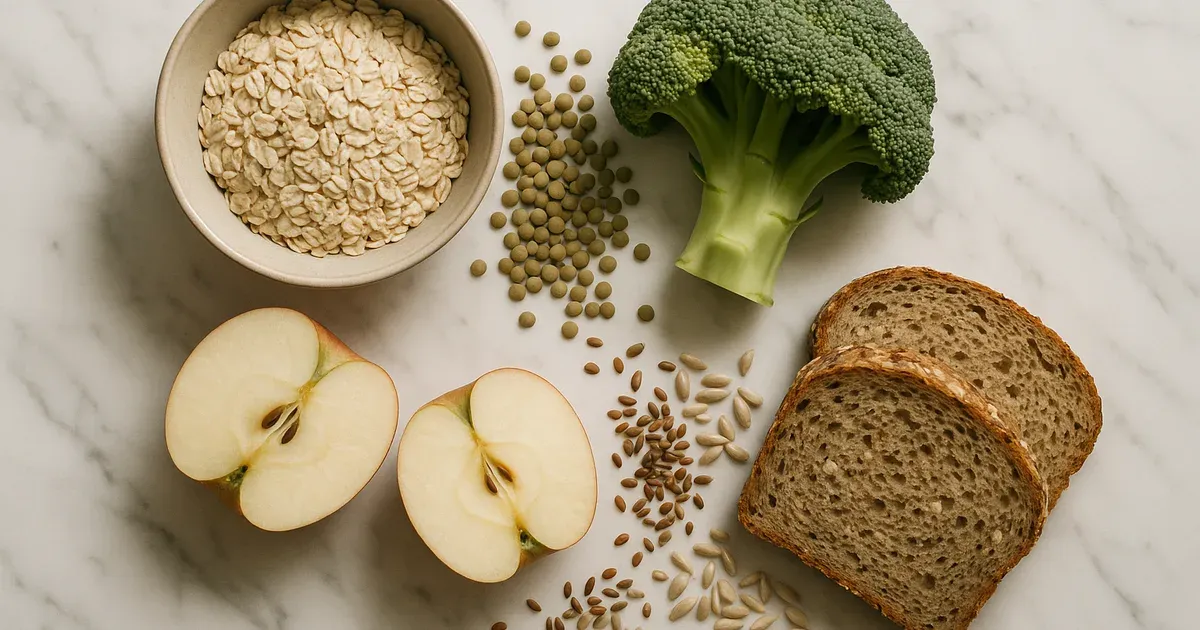
What Are Fiber Macros — and Is Fiber a Macronutrient?
The three classic macronutrients are carbohydrates, protein, and fat. Fiber is technically classified as a type of carbohydrate, but it behaves so differently in the body that some nutrition experts argue it deserves its own category as the fourth macronutrient.
Unlike other carbs, fiber isn't fully digested and absorbed in the small intestine. Instead, it travels further into the digestive tract where it feeds beneficial gut bacteria, aids waste movement, and promotes a lasting sense of fullness.
The practical takeaway: fiber doesn't provide usable energy the way other carbohydrates do, but its impact on your health — gut microbiome, digestion, satiety — is significant enough that it deserves a dedicated target in any serious macro plan.
How to Calculate Your Fiber Macros
Rather than picking an arbitrary daily gram target, anchor your fiber intake to your total calorie goal. The formula is simple:
14g of fiber per 1,000 calories consumed
Here's how that looks in practice:
- Daily calorie target: 2,730 calories
- Calculation: 14 × (2,730 ÷ 1,000) = 14 × 2.73
- Fiber target: ~38g per day
For that same person — say, a 195 lb male — a full macro breakdown might look like:
| Macro | Daily Target |
|---|---|
| Protein | 195g |
| Fat | 76g |
| Carbohydrate | 317g |
| Fiber | 38g |
One important caveat: if you're a smaller or lighter individual and this formula puts your fiber target below 25g, default to a minimum of 25g per day. That floor exists to support basic bowel health regardless of calorie intake.
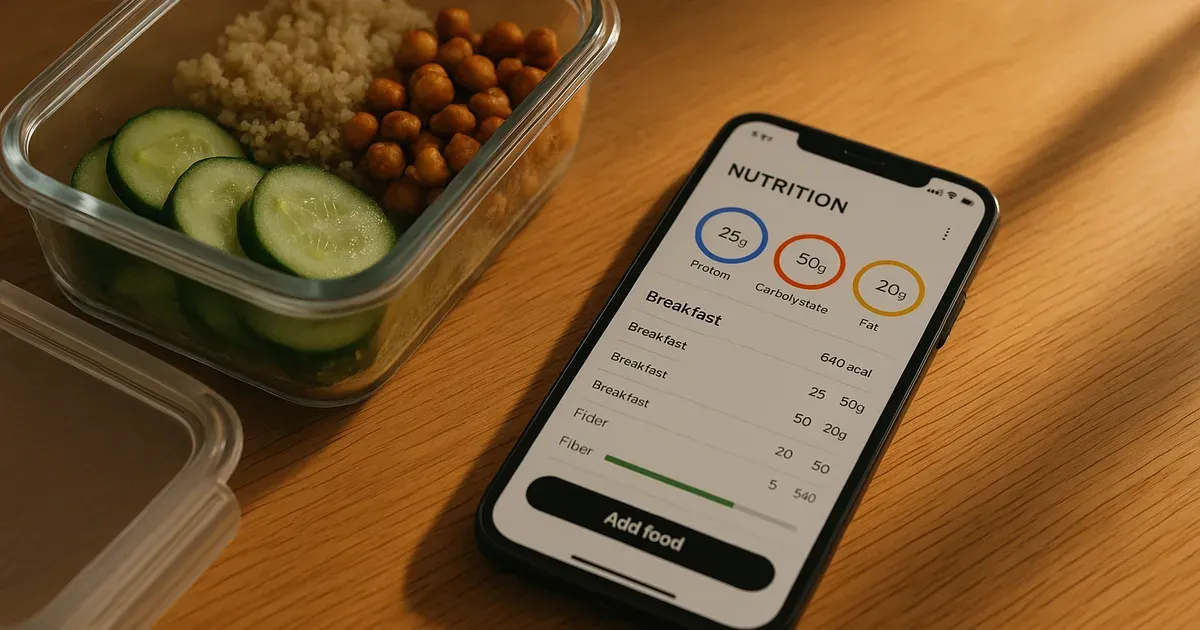
Soluble vs. Insoluble Fiber: What's the Difference?
Not all fiber works the same way in your body. There are two main types, and a healthy diet ideally includes both.
Soluble Fiber
Soluble fiber dissolves in water. As it moves through your digestive tract, bacteria ferment it and it absorbs water, softening waste and making it easier to pass. It also helps regulate blood sugar and cholesterol levels.
Best food sources: fruits, vegetables, lentils, peas, beans, oats, barley, oatmeal, potatoes, and dried fruit.
Insoluble Fiber
Insoluble fiber doesn't dissolve in water and holds its form as it passes through your gut. It adds bulk to stool and speeds up the transit of waste through the intestines — making it particularly effective against constipation.
Best food sources: bran, wholemeal bread and flour, brown rice, whole grain cereals, vegetables, edible fruit peels, nuts, and seeds.
A practical approach is to focus on whole food variety rather than trying to micromanage each fiber type separately. Eating a range of the sources listed above naturally delivers both.
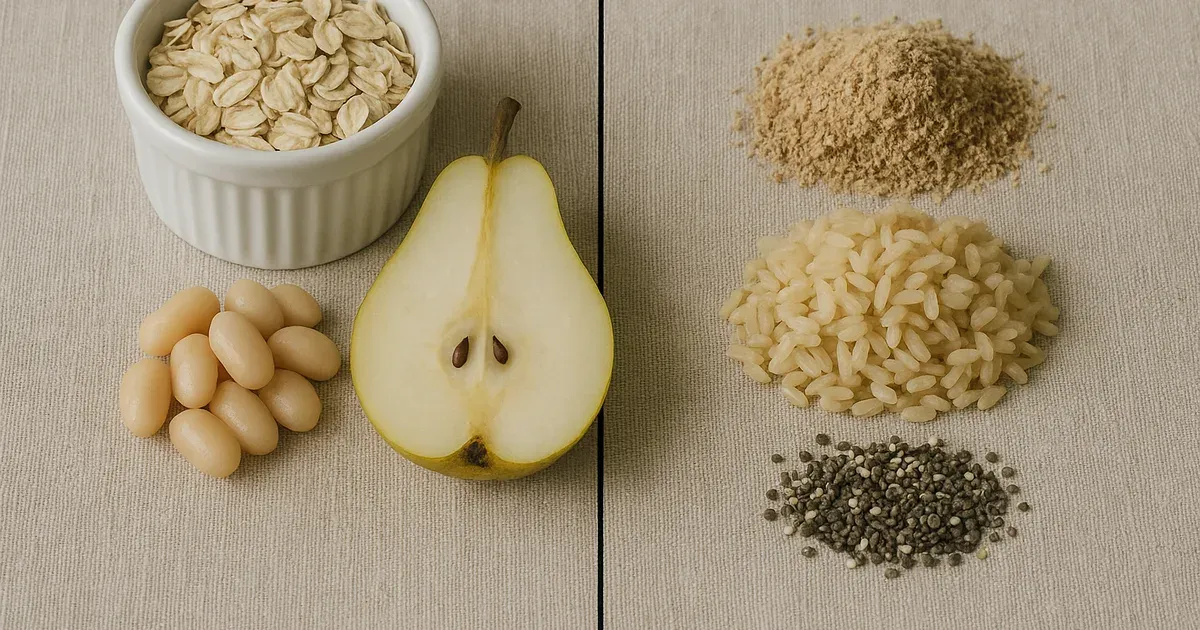
Fiber Macros on a High-Protein Diet
High-protein diets have a well-documented but often ignored side effect: constipation. Foods that are dense in protein — chicken breast, eggs, whey, beef — are almost universally low in fiber. When protein dominates your plate, fiber often gets crowded out.
There's no fixed fiber-per-gram-of-protein recommendation, but the direction is clear: if your protein intake is high, your fiber target should be higher than the standard 14g per 1,000 calories baseline.
Think of it as a counterbalance. The more your diet skews toward animal proteins and processed protein sources, the more deliberately you need to chase fiber through vegetables, legumes, and whole grains.
If whole food sources aren't getting you there, supplementing with a natural fiber source like psyllium husk is a legitimate and practical option. It's unflavoured, easy to mix into water or protein shakes, and effective.
Do You Subtract Fiber from Carbs When Tracking Macros?
This is one of the most common questions for anyone starting to count macros, and the answer depends on your experience level.
Standard nutrition labels include fiber in the total carbohydrate count. But because fiber isn't digested and doesn't contribute usable energy, some trackers prefer to subtract it out — leaving what's called net carbs:
Net Carbs = Total Carbs − Fiber
If you're a beginner, don't bother subtracting fiber. Tracking total carbs is simpler, and adding the mental load of net carb math can derail consistency before you've built the habit. Get the habit first.
If you're an experienced tracker, switching to net carbs gives you a more precise picture of the carbohydrates your body is actually using for energy. It also tends to free up a little more room in your carb budget, which can make hitting fiber targets feel less restrictive.

Why Eating Lots of Vegetables Doesn't Guarantee Enough Fiber
Here's a counterintuitive truth that trips up many health-conscious eaters: you can load your plate with vegetables and still fall short of your fiber macros.
Leafy greens like lettuce, spinach, and many popular salad vegetables are high in water content and relatively low in fiber per volume. A large salad bowl can feel substantial but deliver only a few grams of fiber.
The fiber-dense vegetables and foods you actually need to prioritise include legumes (lentils, chickpeas, black beans), root vegetables, brassicas like broccoli and Brussels sprouts, whole grains, and fruit with the skin on.
If your diet is already full of vegetables but your fiber numbers are still low, this is the first place to look — and psyllium husk supplementation is a reliable backup that doesn't require overhauling your meals.
Bottom Line
Fiber macros are a missing piece in most macro-tracking plans. The formula is simple — 14g per 1,000 calories, with a 25g daily minimum — and the benefits are real: better digestion, a healthier gut microbiome, improved satiety, and a useful counterweight to high-protein eating.
You don't need to obsess over soluble versus insoluble, or stress about net carbs when you're starting out. Set a fiber target, track it alongside your other macros, and adjust based on how your body responds. That's the whole system.
Frequently Asked Questions
How many grams of fiber should I eat per day?
Use the formula of 14g of fiber per 1,000 calories you consume. For example, someone eating 2,000 calories daily should aim for around 28g of fiber. If your calculated target falls below 25g, use 25g as your minimum regardless of calorie intake.
Should I count fiber as part of my carb macros?
For beginners, count total carbs including fiber — it's simpler and more sustainable. Advanced trackers can subtract fiber from total carbs to get net carbs, which reflects only the carbohydrates your body actually digests and uses for energy.
Does fiber count toward your daily macros?
Fiber is technically a carbohydrate and appears in the carb count on nutrition labels, but it provides no usable calories. Whether you count it explicitly depends on your tracking method. Setting a separate daily fiber target is a practical way to ensure you're hitting an amount that supports gut health.
Why am I constipated on a high-protein diet?
High-protein foods are almost always low in fiber, which means a protein-heavy diet can easily crowd out the fiber your digestive system needs to function well. Increasing fiber intake — either through food or supplementation — is the most direct fix. Aim for more than the standard 14g-per-1,000-calories baseline if your protein intake is high.
What's the best fiber supplement for people tracking macros?
Psyllium husk is a natural, largely unflavoured soluble fiber supplement that mixes easily into water or shakes. It's a practical option when whole food sources aren't sufficient to meet your fiber macro target, particularly on high-protein diets where fiber-rich foods are limited.