Fiber vs Protein: What Americans Get Wrong
95% of Americans under-eat fiber while exceeding protein needs. Learn the risks, ideal targets, and simple food swaps to close the gap.

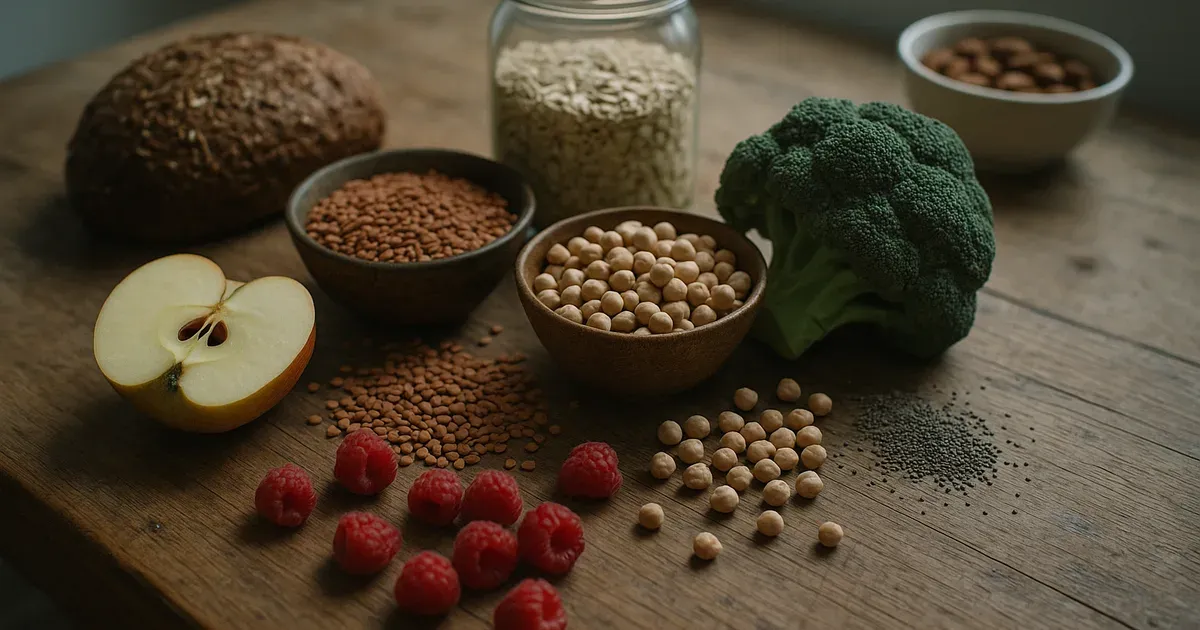
Most Americans are obsessed with protein — but a preventive medicine specialist says we're asking the wrong nutritional question. While high-protein diets dominate headlines and grocery store shelves, nearly 95% of Americans are falling dangerously short on fiber intake. The gap between what we eat and what our bodies actually need may be quietly driving some of the most common chronic diseases in the country.
According to Karen R. Studer, MD, MBA, MPH, FACPM, chair of Preventive Medicine, the protein craze has distracted us from a far more widespread deficiency. "In all my decades of practicing medicine in the United States, I have never encountered a single person who was protein-deficient. But there are many people who are fiber-deficient."
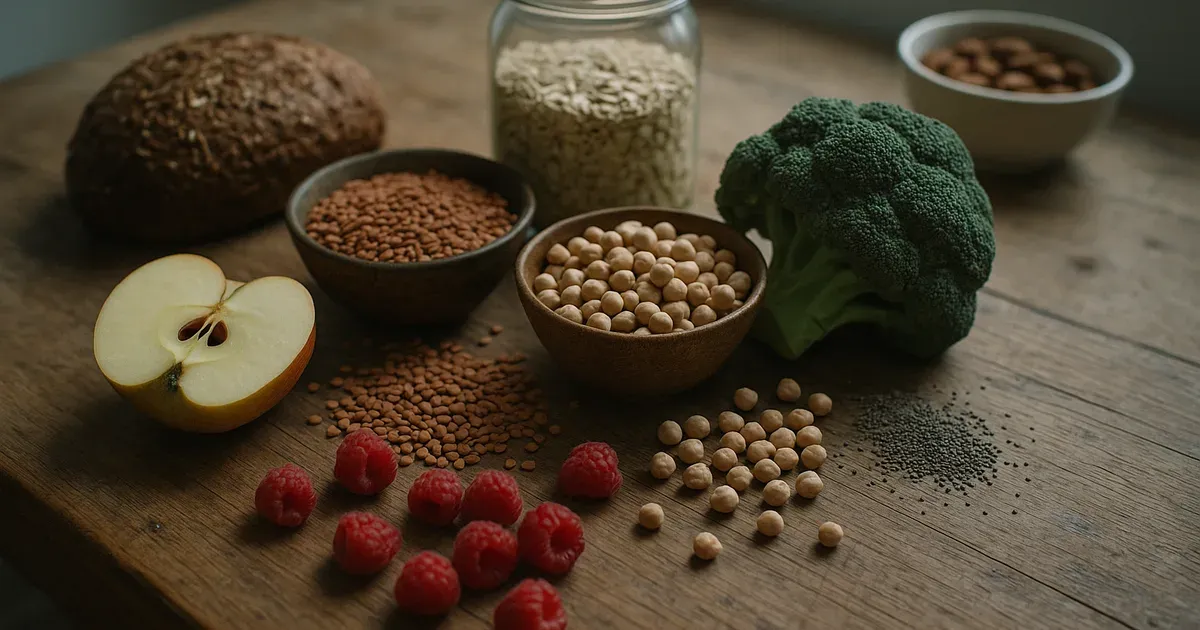
The Fiber Gap: A Crisis Hidden in Plain Sight
The numbers are striking. A study shows that nearly 95% of Americans do not meet the recommended 25–35 grams of fiber per day. Most adults consume only about 15 grams daily — less than half the minimum target.
Meanwhile, the average American is eating more protein than their body requires. The recommended daily intake is roughly 46 grams for women and 56 grams for men. Most adults in the U.S. are already exceeding those numbers through everyday meals, without needing protein shakes, bars, or supplements.
Fiber intake in Americans has declined as diets have shifted toward processed foods, refined grains, and animal products. The result is a population that is simultaneously over-nourished in protein and under-nourished in one of the most essential dietary components for long-term health.
How Much Protein Do You Actually Need?
Protein needs are more modest than the fitness industry suggests. According to Dr. Studer, the average woman needs about 46 grams of protein per day, and the average man needs about 56 grams. These targets are achievable through a normal diet without any supplementation.
Certain groups do need slightly more. People who are older, actively trying to lose weight, or building muscle may benefit from a moderately higher intake. But "moderately higher" is not the same as the extreme amounts promoted by some diet trends.
Excess protein does not simply disappear. Dr. Studer explains that protein consumed beyond what the body needs is broken down into amino acids, which can then be converted into sugar or fat. Far from being a free nutrient, surplus protein adds metabolic load.
The Real Risks of Too Much Protein and Too Little Fiber
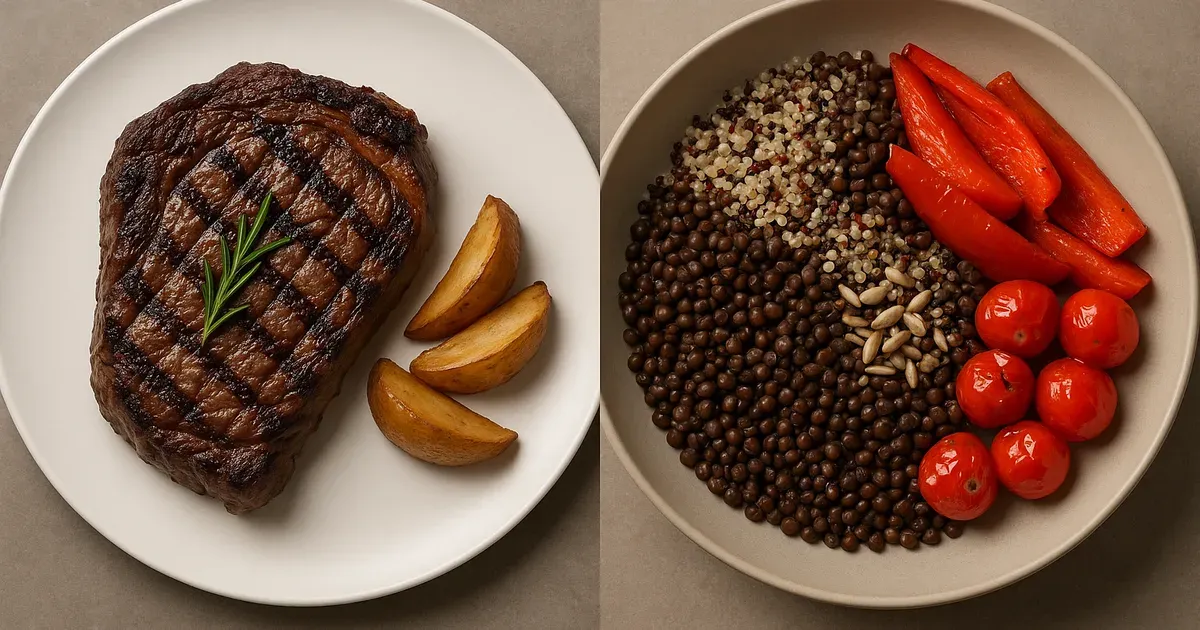
Chronic high-protein diets carry measurable health risks. Long-term excessive intake has been linked to damage in the digestive tract, kidneys, and blood vessels. The source of that protein compounds the problem — most Americans get their protein from animal products that are high in cholesterol, saturated fat, and calories.
As Dr. Studer puts it: "My main problem with the current protein craze is that most of the protein people are eating comes from animals that are high in cholesterol, saturated fat, and calories."
Low fiber intake is independently associated with serious disease risk. Research links insufficient fiber consumption to:
- Increased risk of premature death
- Higher rates of cardiovascular disease, certain cancers, and type 2 diabetes
- Elevated cholesterol, higher systolic blood pressure, and increased body weight
The gut microbiome is particularly vulnerable to low fiber diets. Fiber is the primary fuel source for beneficial gut bacteria. Without adequate fiber, microbial diversity declines, bowel regularity suffers, and systemic inflammation can rise. Moderate protein intake, by contrast, supports better insulin sensitivity when it is not excessive.
Plant-Based Protein: The Best of Both Worlds
Plant proteins solve both problems simultaneously. Unlike animal sources, plant-based proteins are naturally high in fiber, lower in calories, and rich in essential vitamins and micronutrients. They deliver protein without the saturated fat and cholesterol burden.
Excellent sources of plant-based protein and fiber include:
- Beans and chickpeas — versatile, affordable, and fiber-dense
- Lentils — among the highest fiber legumes available
- Quinoa — a complete protein that also provides dietary fiber
- Tofu — a low-fat protein source derived from soybeans
- Broccoli — surprisingly protein-rich for a vegetable, with added fiber and micronutrients
Shifting even a portion of daily protein from animal to plant sources can meaningfully improve fiber intake Americans typically struggle to reach, while simultaneously reducing saturated fat consumption.
High-Fiber Foods Worth Adding to Your Diet
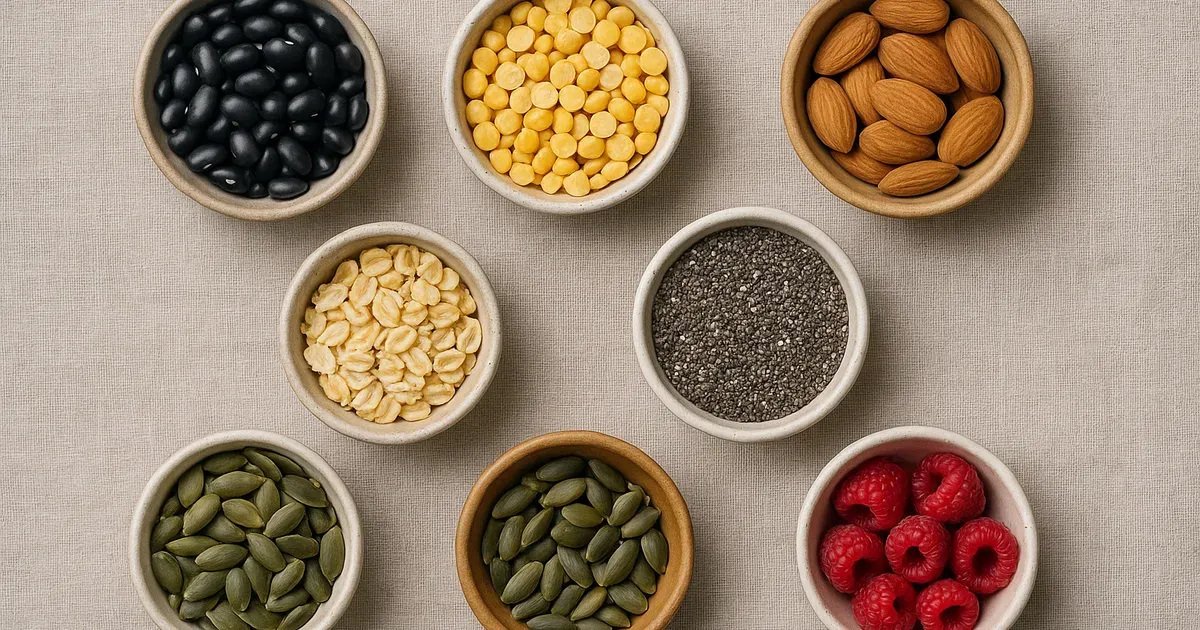
Fiber is not hard to find — it just requires prioritisation. A wide range of everyday foods deliver substantial amounts, and most people only need to make a handful of consistent swaps to close the fiber gap.
Fruits
- Raspberries
- Pears
- Apples (eaten with the skin)
- Bananas
- Oranges
- Strawberries
Vegetables
- Brussels sprouts
- Potatoes (with skin)
- Carrots
Grains
- Barley
- Oatmeal
- Quinoa
Legumes, Nuts, and Seeds
- Lentils
- Split peas
- Chia seeds
- Almonds
- Pumpkin seeds
- Sunflower seeds
Simple swaps make a measurable difference. Replacing refined grains with whole grains, choosing whole fruit over fruit juice, and adding beans to soups or salads are low-effort changes that add up quickly across a week of eating.
How to Increase Fiber Intake Without the Side Effects
Going from 15 grams to 30 grams overnight is a recipe for discomfort. Jumping fiber intake too quickly causes gas, bloating, and abdominal cramping as the gut microbiome scrambles to adapt.
Dr. Studer recommends a gradual approach: increase by about 1–2 servings of high-fiber foods per day, and allow your digestive system several weeks to adjust. "Your gut needs time to adapt to the increase in fermentation, which is a good thing," she explains.
Hydration matters too. Fiber absorbs water as it moves through the digestive tract. Increasing fiber without also increasing water intake can worsen constipation rather than relieve it. Aim to drink more water alongside any dietary fiber increases.
Consistency beats intensity. Small, sustainable changes made daily will close the fiber gap far more effectively than aggressive short-term overhauls that are hard to maintain.

The Bottom Line
Fiber intake in Americans is a genuine public health problem — one that is being overshadowed by a protein obsession that, for most people, is solving a problem they don't have. Nearly every American adult already meets their protein needs. Almost none of them are meeting their fiber targets.
The evidence is consistent: diets lower in animal protein and higher in fiber are associated with better gut health, lower disease risk, and longer life. The shift does not require dramatic overhaul. It requires awareness, a few practical food swaps, and a willingness to question the narrative that more protein is always better.
Your gut microbiome, cardiovascular system, and long-term health will benefit far more from an extra serving of lentils than from another protein bar.