Fibre Joins Protein in 'Maxxing' Diet Trend
Fibre is the latest 'maxxing' trend on social media. Experts warn overconsumption risks gut health, urging a balanced dietary approach instead.

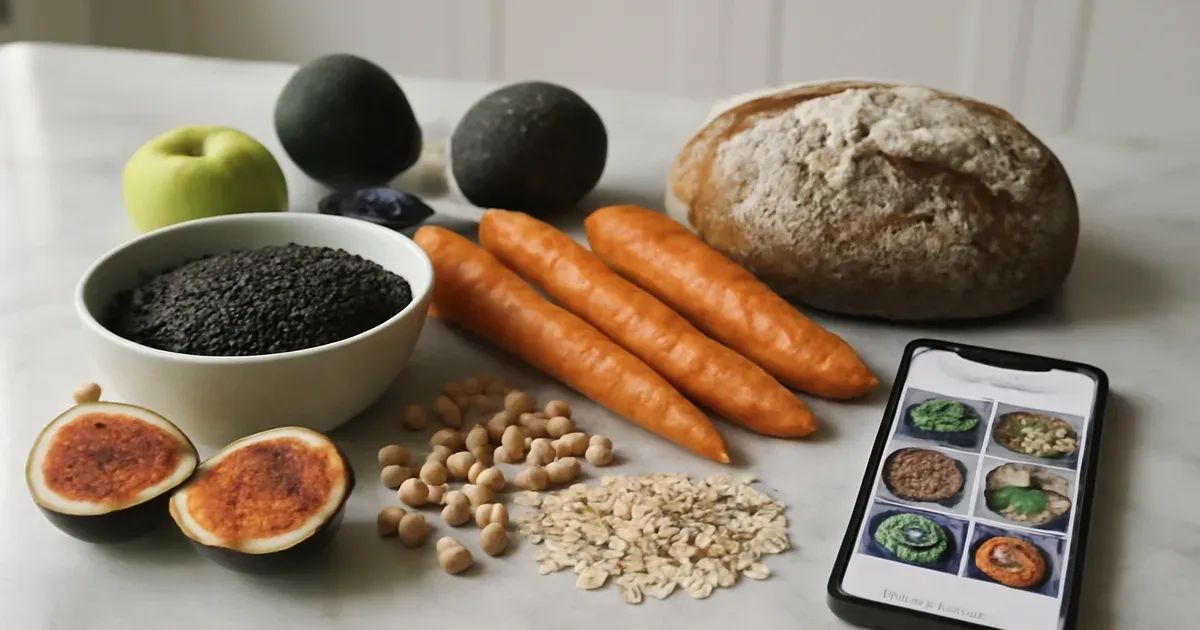
Fibre has become the latest nutrient to dominate social media wellness culture, following closely behind protein in the so-called "maxxing" diet trend, according to AFP reporting published by The Times of India on 5 April 2026. Wellness influencers are urging followers to dramatically increase their fibre intake, claiming it is the key to vitality and transformative health — a message that is reshaping consumer habits and the food industry alike, while raising fresh questions about gut microbiome health.
Why This Matters for Gut Health
The gut microbiome — the vast community of bacteria and microorganisms living in the digestive tract — relies heavily on dietary fibre as its primary fuel source. Fibre fermentation by gut bacteria produces short-chain fatty acids, compounds widely linked by researchers to reduced inflammation, improved immunity, and stronger gut-brain communication. As "fibre maxxing" gains traction on social platforms, nutritionists and gastroenterologists are paying close attention to whether this viral trend aligns with what science actually supports about microbiome nourishment.
What the 'Maxxing' Trend Actually Involves
Per The Times of India, the "maxxing" mindset first took hold around extreme protein consumption before pivoting toward fibre as its next frontier. Influencers insist that loading up on these nutrients is essential for optimal health and energy. Experts cited in the source warn, however, that more is not always best — and that overconsumption of any single nutrient can disrupt the very gut balance that consumers are hoping to improve. Companies are capitalising on the trend, with fibre-fortified food products rapidly expanding on retail shelves.
What This Means for Consumers and the Microbiome
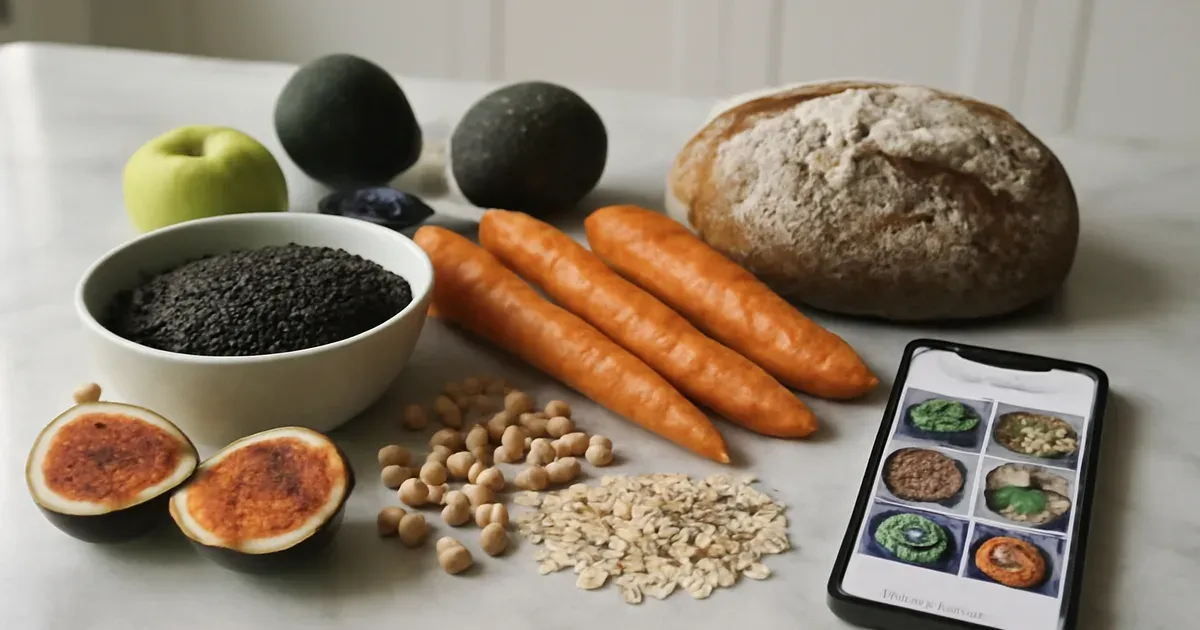
For people focused on gut and gut-brain health, the fibre trend carries real relevance — but also real caveats. Researchers consistently support adequate fibre intake for microbiome diversity, yet the "maxxing" framing risks encouraging imbalanced eating, according to experts referenced in the AFP report. A measured, varied diet remains the evidence-backed approach. Consumers should be cautious of heavily marketed fibre-fortified products, which may not replicate the microbiome benefits of whole-food fibre sources such as vegetables, legumes, and wholegrains.
The core takeaway, per the AFP report, is that fibre genuinely matters for gut health and microbiome function — but extremes rarely serve the body well. As the wellness industry races to profit from the maxxing trend, nutrition experts advocate for balance over maximisation, particularly when the health of the gut-brain axis is at stake.