Fitness After 30: What Your Body Really Needs
Fitness after 30 demands smarter recovery, functional strength, and hormonal awareness. Here's what your body actually needs to thrive.

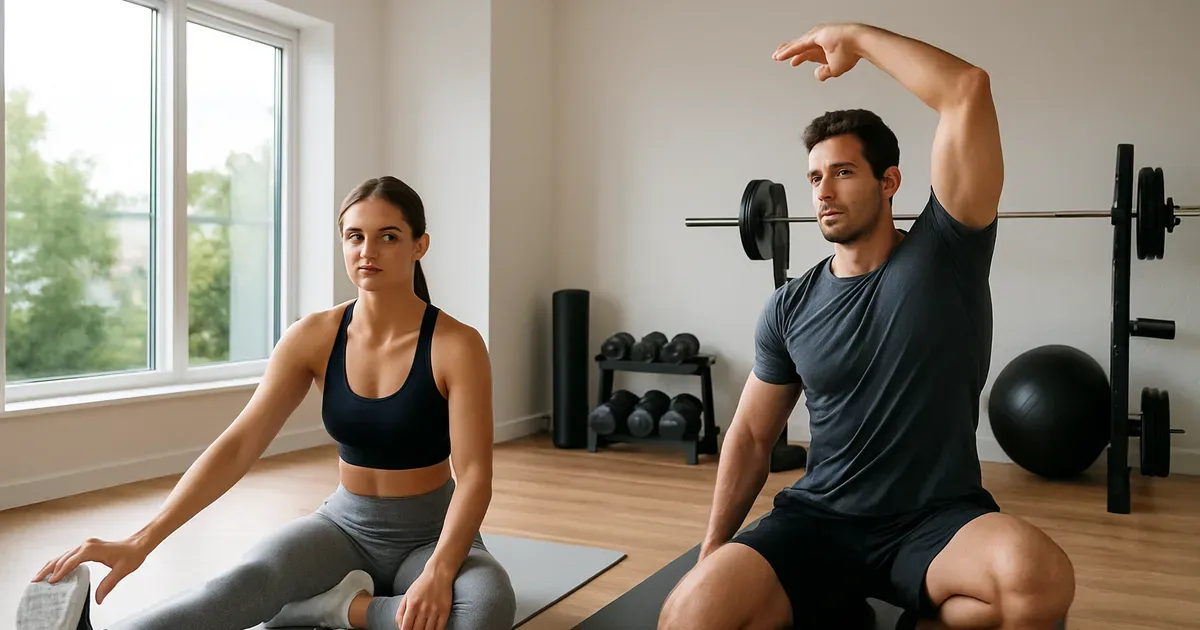
Your knees crack when you squat. Rest days no longer feel optional. That late-night meal you used to get away with now sits around your waistline for weeks. If any of this sounds familiar, your body isn't breaking down — it's asking for a smarter approach. Fitness after 30 isn't about fighting your body into submission. It's about understanding what it needs and working with it, not against it.
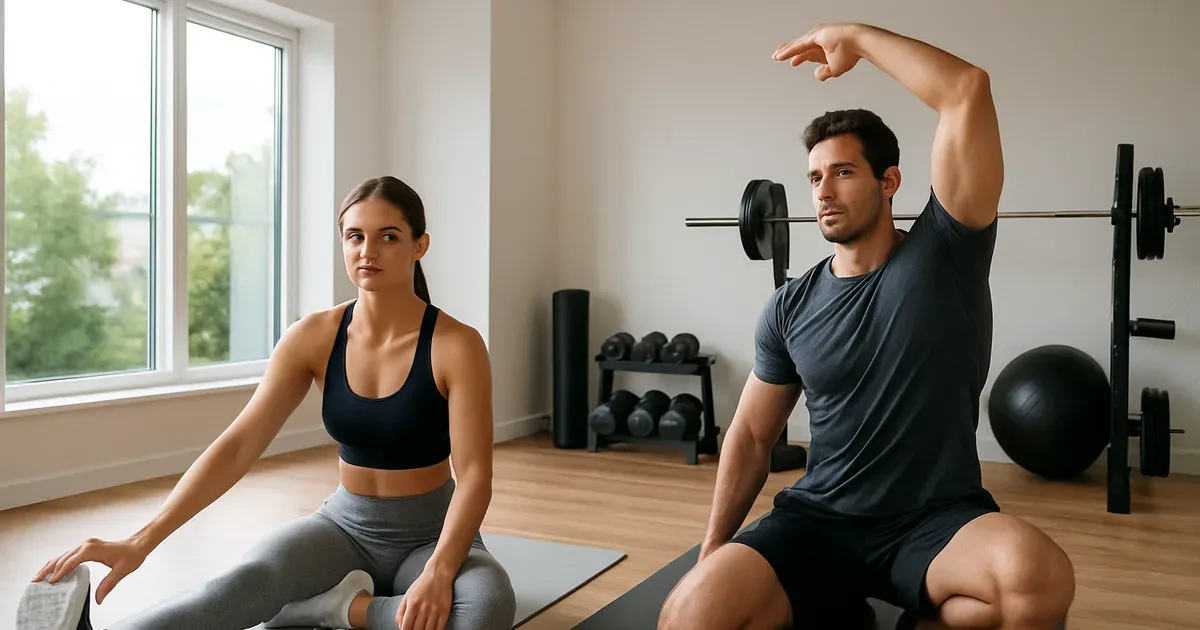
Why Fitness After 30 Hits Differently
The shift isn't dramatic, but it's real. After 30, human growth hormone (HGH) declines, collagen production slows, and the hormones that once kept your energy and muscle mass stable begin to fluctuate. These aren't signs of decline — they're signals that your approach needs to evolve.
Recovery slows down for a biological reason. Micro-tears in muscle tissue that once healed overnight now take 48 to 72 hours to repair properly. Inflammation markers rise faster when you're sleep-deprived or dehydrated, making soreness linger longer than it used to.
The good news is that your 30s are actually prime time to build a fitness foundation that holds up for decades — if you stop copying what you did at 22 and start building what your body genuinely needs right now.
1. Recovery Is Not a Weakness — It's Doing the Work
Skipping rest days isn't dedication; it's a shortcut to chronic fatigue. After 30, recovery is where actual adaptation happens. Without it, training harder produces diminishing returns and raises your injury risk significantly.
Sleep is your most underrated performance tool. Aim for 7 to 9 hours consistently — this is when HGH is released, muscle tissue repairs, and cortisol resets. Cutting sleep to fit in an extra workout is a net loss.
Practical recovery tools that work:
- Prioritise 1 to 2 full rest days per week
- Use active recovery (walking, yoga, light stretching) on off-days
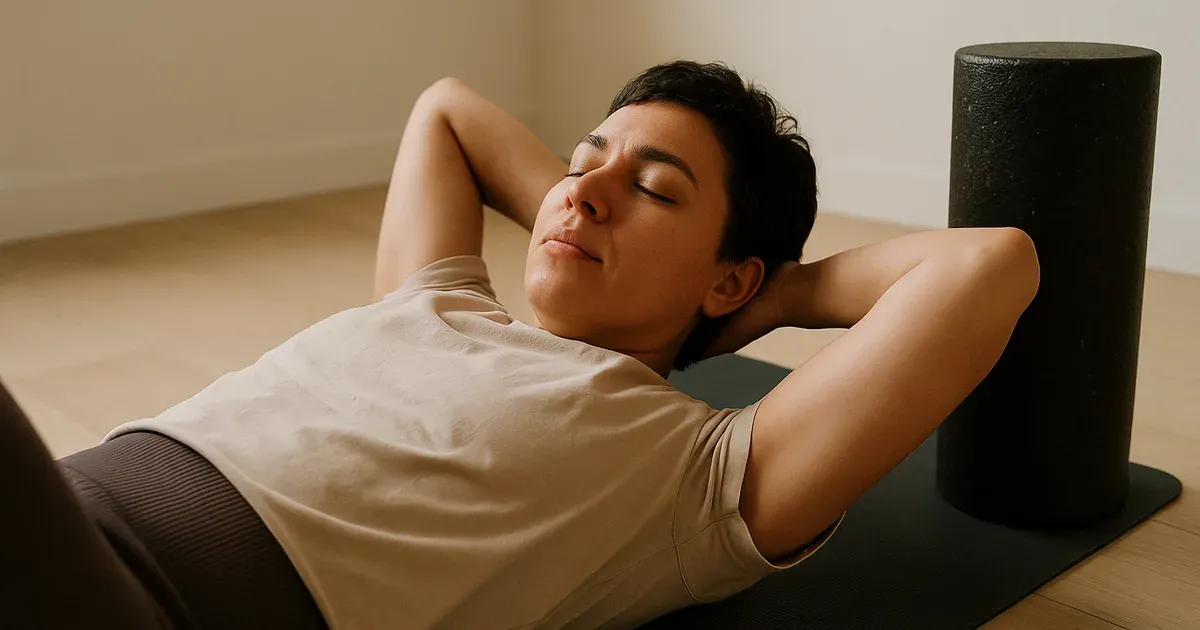
- Try Epsom salt baths or foam rolling post-workout to reduce soreness
- Stay hydrated — even mild dehydration amplifies inflammation
2. Smarter Workouts Beat Longer Ones Every Time
Two hours of unfocused gym time worked at 22. It won't cut it now. After 30, quality of movement matters far more than volume. Hormonal shifts — including gradual drops in testosterone and estrogen — affect energy availability and muscle retention, making efficient training non-negotiable.
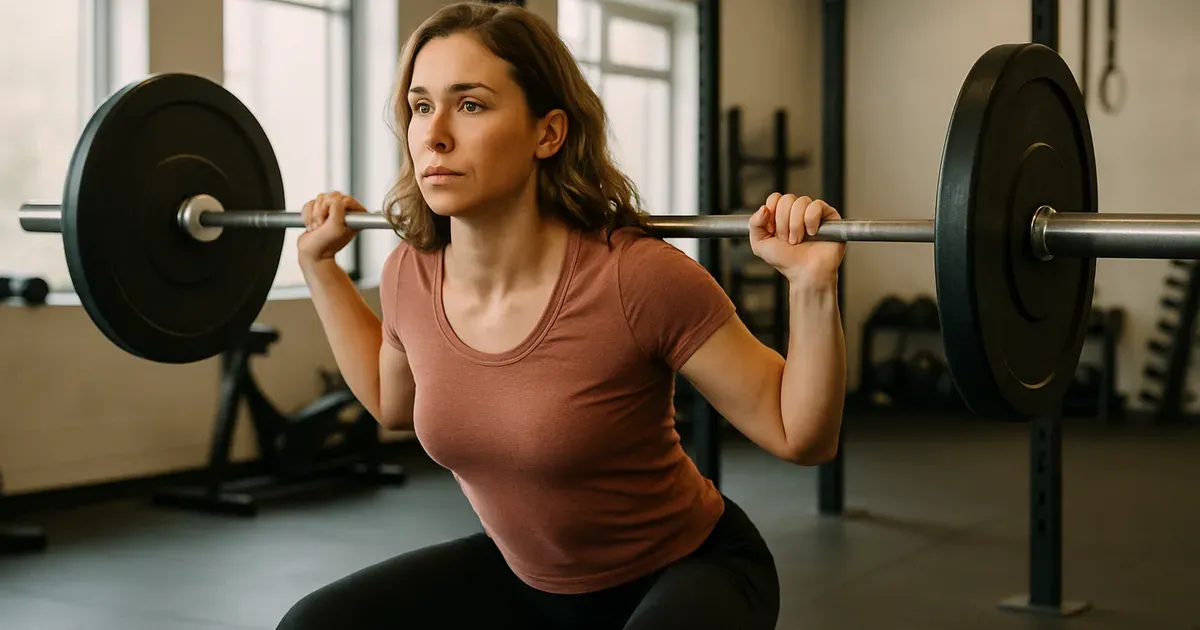
Functional training is one of the best investments you can make. Movements like squats, lunges, deadlifts, and push-ups mimic real-life mechanics, build multi-joint strength, and improve how your body moves day to day. They deliver more return per minute than isolated machine exercises.
A balanced weekly structure for fitness after 30 might look like this:
- 2 to 3 days of strength training (compound, multi-joint lifts)
- 2 days of moderate cardio or HIIT (no more than 20 to 30 minutes per session)
- 1 to 2 days of mobility, yoga, or light recovery movement
- At least 1 complete rest day
Women especially benefit from lifting weights. Strength training after 30 directly counters the bone density loss that accelerates through the 30s and 40s, reducing long-term osteoporosis risk while keeping muscles toned and metabolism active.
3. Hormones Are Running More of the Show Than You Realise
Most people don't think about hormones until something feels off — and by then, the effects have been building quietly for months. In your 30s, hormones govern your energy levels, fat storage patterns, mood stability, and recovery capacity.
For women, progesterone begins declining in the early 30s. This can cause bloating, more intense PMS symptoms, and post-exercise fatigue that feels disproportionate to the effort. Tracking your cycle and adjusting workout intensity across the month can make a significant difference.
For men, testosterone levels start a gradual decline around this decade. The effects — reduced muscle-building efficiency, lower stamina, increased fat around the abdomen — are subtle at first but compound over time without intervention.
Cortisol is the wildcard for everyone. Chronic stress keeps this hormone elevated, which disrupts sleep, accelerates fat storage around the belly, and undermines muscle repair. Adaptogenic herbs like ashwagandha and magnesium supplementation have evidence behind them for supporting cortisol balance — but lifestyle changes like reducing screen time before bed and incorporating low-intensity movement come first.
4. Sitting All Day Is Quietly Undoing Your Workouts
A 45-minute gym session cannot undo 9 hours of sitting. After 30, prolonged desk work creates a cascade of problems: tight hip flexors, weakened glutes, compressed spinal discs, and reduced NEAT (Non-Exercise Activity Thermogenesis) — the calories burned through everyday movement.
Your hips and lower back feel it first. When hip flexors tighten from sitting, the pelvis tilts forward, which puts the lumbar spine under load even when you're standing or walking. This is a primary driver of the lower back pain that becomes so common in the 30s.
Simple fixes that actually integrate into a real workday:
- Set a 2-minute movement break every hour — stand, walk, or stretch
- Do a short glute activation and core warm-up before every workout
- Consider a standing desk or even a wobble cushion to engage your core passively while seated
- Prioritise hip mobility work: 90/90 stretches, hip circles, and pigeon pose consistently pay dividends
5. Fitness After 30 Means Redefining What the Goal Actually Is
The obsession with weight loss as the primary metric is one of the biggest traps people fall into after 30. Extreme calorie restriction and aggressive "shred" cycles spike cortisol, drain lean muscle, and often result in rebound weight gain — leaving you worse off than before.
Your body may hold extra weight as a stress response. Overtraining without adequate nutrition doesn't accelerate fat loss after 30; it signals scarcity to your metabolism, which responds by conserving energy and breaking down muscle instead.
Shift your performance targets away from the scale:
- Can you do 10 clean push-ups?
- Can you run 3km without stopping?
- Can you touch your toes comfortably?
- Do you wake up with energy most mornings?
These markers reflect functional fitness — and they are far better predictors of long-term health than a number on a scale.
Nutrition should fuel performance, not punish intake. Prioritise protein at every meal to support muscle repair, fibre to support gut and hormonal health, and anti-inflammatory foods (berries, leafy greens, fatty fish, olive oil) to keep recovery efficient. Avoid extreme elimination diets unless medically necessary.

Frequently Asked Questions About Fitness After 30
What's the best type of workout after 30? A combination of strength training, mobility work, and moderate cardio delivers the best results. Compound lifts, functional movement, and 1 to 2 HIIT sessions per week cover all the bases efficiently.
How often should I work out in my 30s? Aim for 4 to 5 days of intentional movement per week, with 1 to 2 rest or active recovery days built in. More isn't better — consistency over months and years matters most.
Do I need supplements after 30? Not necessarily, but nutrient gaps are common. Vitamin D, magnesium, and collagen are the most frequently deficient after 30. Always consult a doctor or registered dietitian before starting any supplement protocol.
Is it harder to lose weight after 30? Yes — hormonal shifts and metabolic changes make it slower. But the bigger issue is that aggressive weight loss approaches backfire more sharply after 30. Sustainable, moderate deficits with high protein intake work far better than crash diets.
The Bottom Line
Your 30s are not the beginning of the end for your fitness. They're the decade where smart, intentional training — built around recovery, functional strength, and hormonal awareness — pays off more than it ever did in your 20s.
The body you're building now isn't just about how you look today. It's about moving well at 50, staying strong at 60, and having the physical capacity to show up fully for your life at every stage. Fitness after 30 done right isn't harder. It's just more honest.