Foods That Aid Digestion: Your Biggest Questions Answered
Discover which everyday foods that aid digestion — from ginger and papaya to yogurt and dark chocolate — can relieve bloating and discomfort after meals, with s

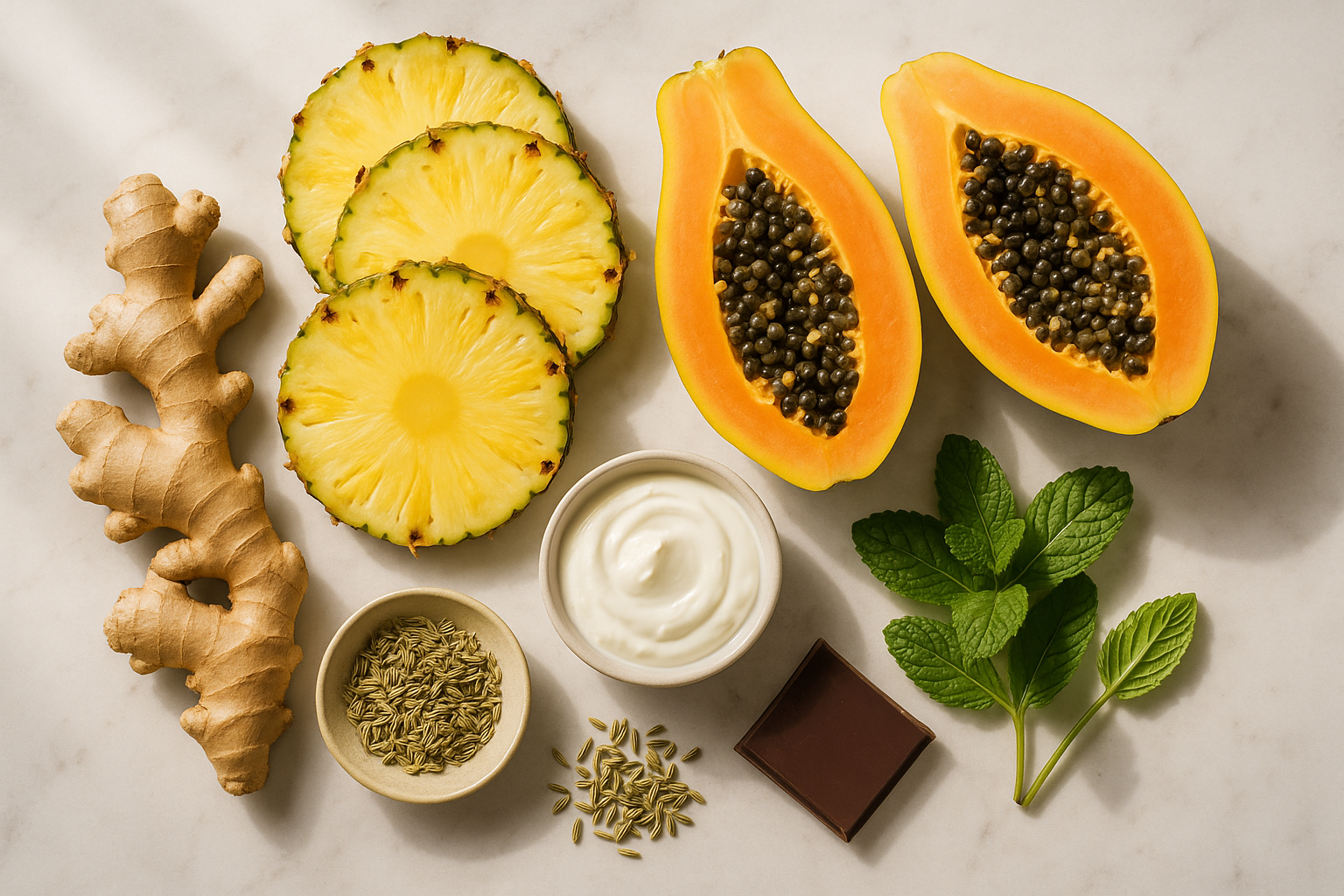
Bloating after a big meal, that tight uncomfortable feeling, or sudden stomach pain — these are experiences most people share, yet the solutions remain surprisingly misunderstood. Many people reach for pills without realising that certain everyday foods that aid digestion may offer real, natural relief. This guide answers the most commonly searched questions about post-meal digestion support, cutting through the confusion so you can make smarter choices for your gut health starting today.
Quick Navigation — Jump to Your Question
- What foods actually help with digestion after a meal?
- Why do I feel bloated after eating and what can I eat to stop it?
- Is ginger good for digestion and how should I take it?
- Does yogurt help digestion or is that a myth?
- How do digestive enzymes in pineapple and papaya work?
- Is apple cider vinegar good for digestion after meals?
- What are the best digestion tips that combine well with fasting?
- Can dark chocolate actually help with digestion?
What foods actually help with digestion after a meal?
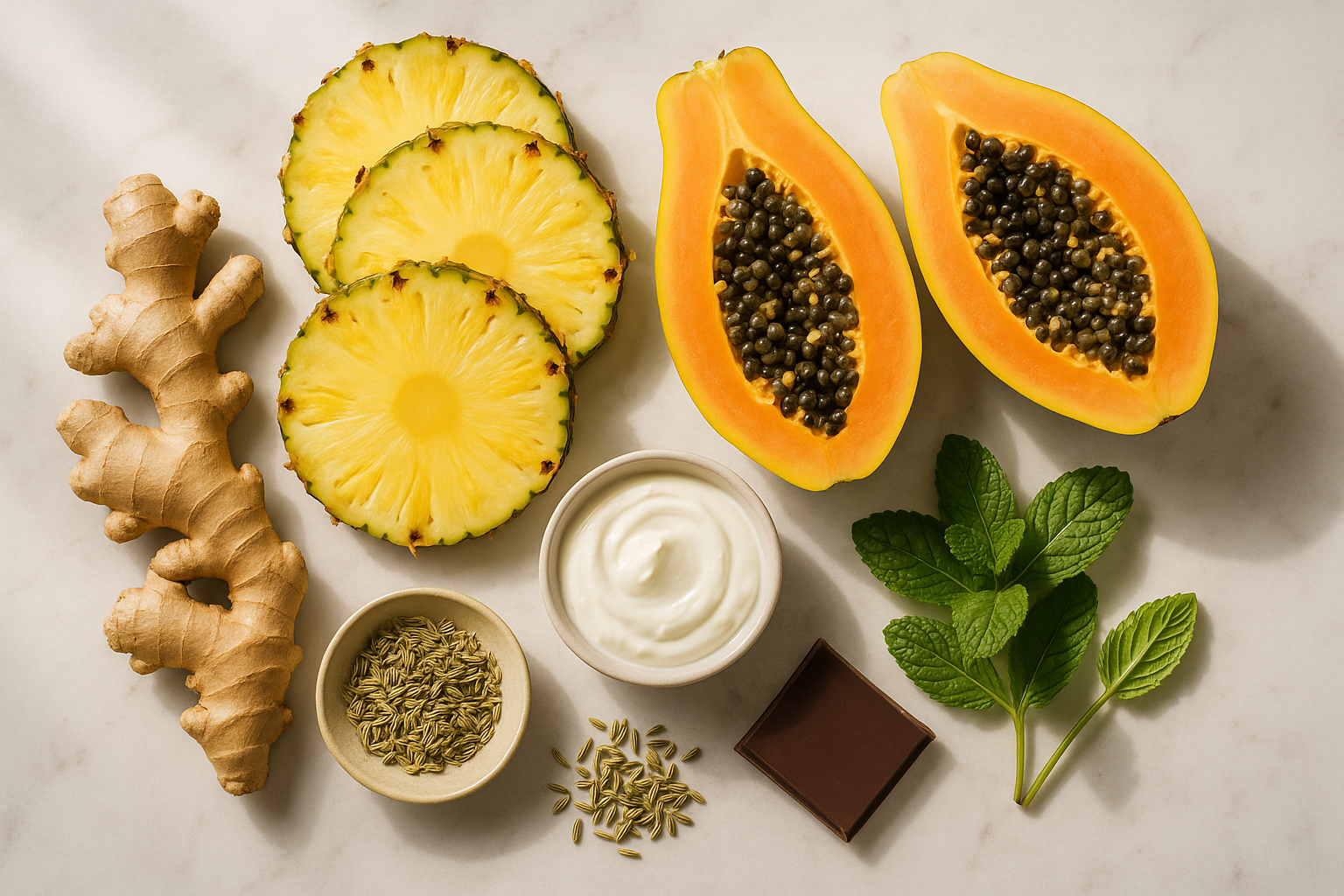
Several everyday foods that aid digestion can be eaten directly after a meal to reduce discomfort, stimulate digestive enzymes, and improve nutrient absorption. Health experts confirm that digestion is not purely mechanical — what you eat immediately after a heavy meal can meaningfully influence how smoothly your gut processes that food.
The most evidence-supported options include ginger, pineapple, papaya, yogurt, fennel seeds, mint, apple cider vinegar, and dark chocolate. Each works through a distinct mechanism, from enzyme activity to probiotic support to anti-inflammatory action. Rather than relying on a single food, rotating through a few of these after different types of meals tends to offer the broadest benefit.
Key post-meal digestive foods at a glance:
- Ginger — stimulates digestive enzymes, reduces inflammation
- Pineapple — contains bromelain to break down proteins
- Papaya — rich in papain for protein digestion
- Yogurt — delivers probiotics that support gut microbiome balance
- Fennel seeds — reduce gas and bloating
- Mint — relaxes gastrointestinal muscles
- Apple cider vinegar — boosts stomach acid for food breakdown
- Dark chocolate — stimulates digestive enzyme production
Why do I feel bloated after eating and what can I eat to stop it?
Bloating after eating occurs when gas builds up in the stomach and intestines faster than the body can process it, often triggered by eating too quickly, consuming high-fat or spicy foods, or a temporary imbalance in gut bacteria. This feeling of tightness and pressure is one of the most common digestive complaints worldwide.
Foods that aid digestion and specifically target bloating include fennel seeds and fresh mint. Chewing one teaspoon of fennel seeds after a meal has been used across multiple cultures for centuries as a reliable bloating remedy — the seeds contain volatile oils that relax intestinal muscles and help dispel trapped gas. Sipping peppermint tea or chewing fresh mint leaves achieves a similar relaxing effect on the gastrointestinal tract.
Ginger water or ginger tea is another fast-acting option. Its anti-inflammatory compounds soothe the gastrointestinal lining, reducing that swollen, uncomfortable sensation within minutes for many people.

Is ginger good for digestion and how should I take it?
Ginger is one of the most well-researched natural aids for digestion, with active compounds like gingerol and shogaol known to stimulate the production of digestive enzymes and accelerate gastric emptying — meaning food moves through your stomach more efficiently. It is especially effective after oily or heavily spiced meals.
You do not need a large quantity to feel the benefit. A small piece of raw ginger chewed after a meal, a cup of ginger tea, or a glass of warm ginger water are all effective delivery methods. The anti-inflammatory properties of ginger also calm irritation along the gastrointestinal tract, which is why it reliably reduces both bloating and nausea.
Practical ways to use ginger after meals:
- Ginger tea — steep fresh slices in hot water for 5–7 minutes
- Raw ginger — chew a thin slice directly after eating
- Ginger water — add grated ginger to room-temperature water
- Ginger chews — convenient for on-the-go digestion support
For people experimenting with intermittent fasting as part of the broader fasting and longevity revolution, plain ginger tea during eating windows is a particularly compatible digestive tool — it supports gut motility without adding significant calories or disrupting metabolic benefits.
Does yogurt help digestion or is that a myth?
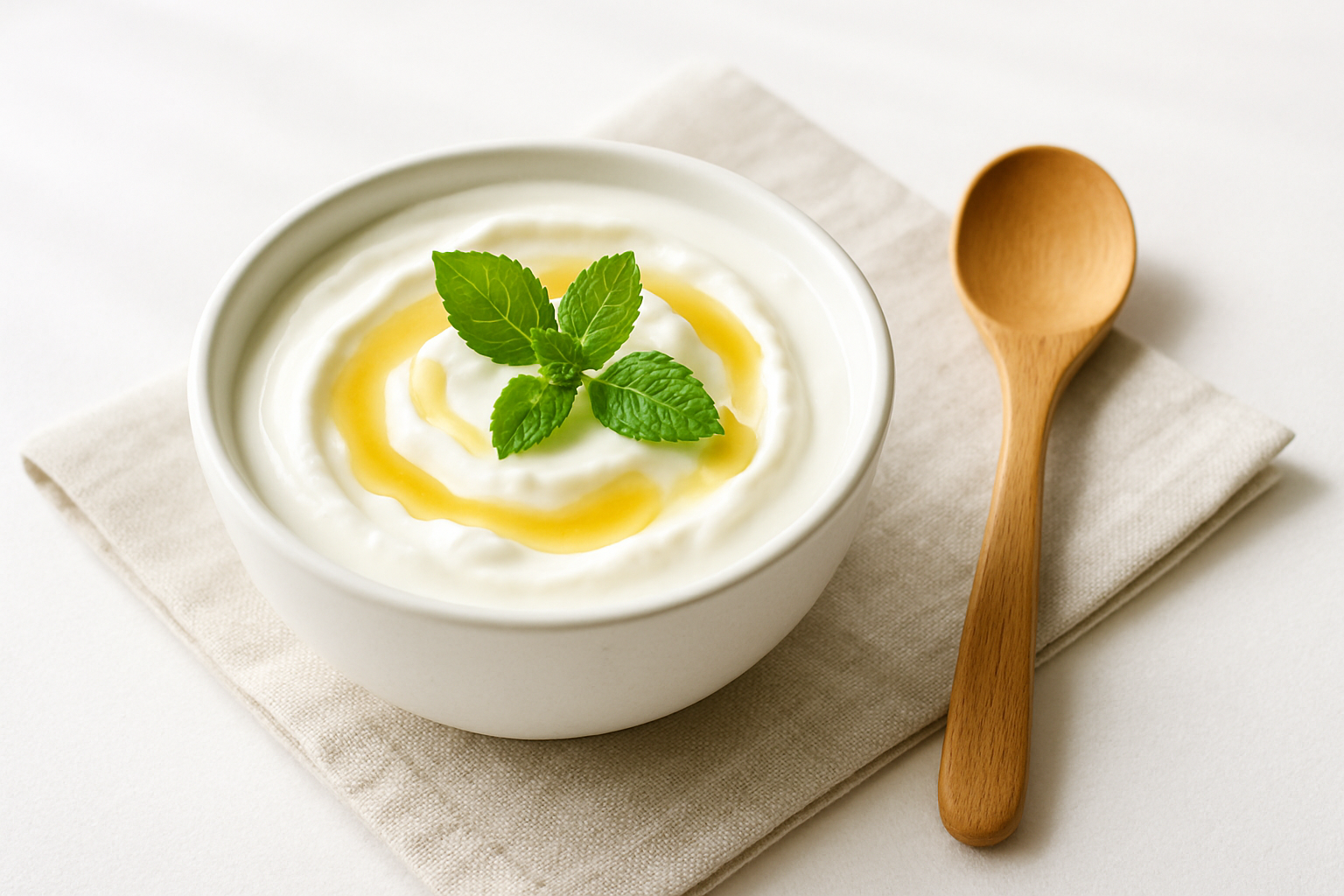
Yogurt genuinely helps digestion and is not a myth — its benefit comes from live probiotic cultures, which are beneficial bacteria that directly support the gut microbiome. A balanced gut microbiome is essential for efficient digestion, reduced inflammation, and optimal nutrient absorption.
A small bowl of plain, live-culture yogurt consumed after a meal can help rebalance the bacteria in your gut that heavy or processed foods tend to disrupt. Probiotics found in yogurt — particularly Lactobacillus and Bifidobacterium strains — have been shown in clinical research to reduce symptoms of bloating, gas, and general digestive discomfort.
The key is choosing the right yogurt. Opt for plain, unsweetened yogurt with confirmed live and active cultures. Flavoured or heavily processed yogurts often contain added sugars that can feed harmful gut bacteria and counteract the probiotic benefit.
How do digestive enzymes in pineapple and papaya work?
Pineapple and papaya each contain powerful naturally occurring digestive enzymes that assist the body in breaking down food molecules — particularly proteins — more efficiently than the body's own enzymes can manage alone after a very large meal.
Pineapple contains bromelain, a protease enzyme that cleaves protein chains into smaller, more absorbable amino acid fragments. Papaya contains papain, which works similarly on proteins and can also assist in breaking down certain fats and carbohydrates. Eating a few slices of either fruit after a protein-heavy meal — think a large dinner with meat or legumes — can noticeably reduce post-meal heaviness.
| Feature | Pineapple (Bromelain) | Papaya (Papain) |
|---|---|---|
| Primary enzyme | Bromelain | Papain |
| Best for breaking down | Proteins | Proteins, some fats |
| Gut health bonus | Reduces inflammation | Supports gut lining health |
| Taste profile | Sweet, tangy | Mild, tropical |
| Best consumed | Fresh, raw | Fresh, raw |
Both enzymes are significantly reduced or destroyed by cooking, so fresh, raw fruit is always the better choice for digestive benefits.
Is apple cider vinegar good for digestion after meals?
Apple cider vinegar can support digestion after meals by increasing stomach acidity, which helps the body break down food more efficiently — particularly proteins and fats that require a sufficiently acidic gastric environment. Low stomach acid is a surprisingly common but under-discussed cause of post-meal discomfort.
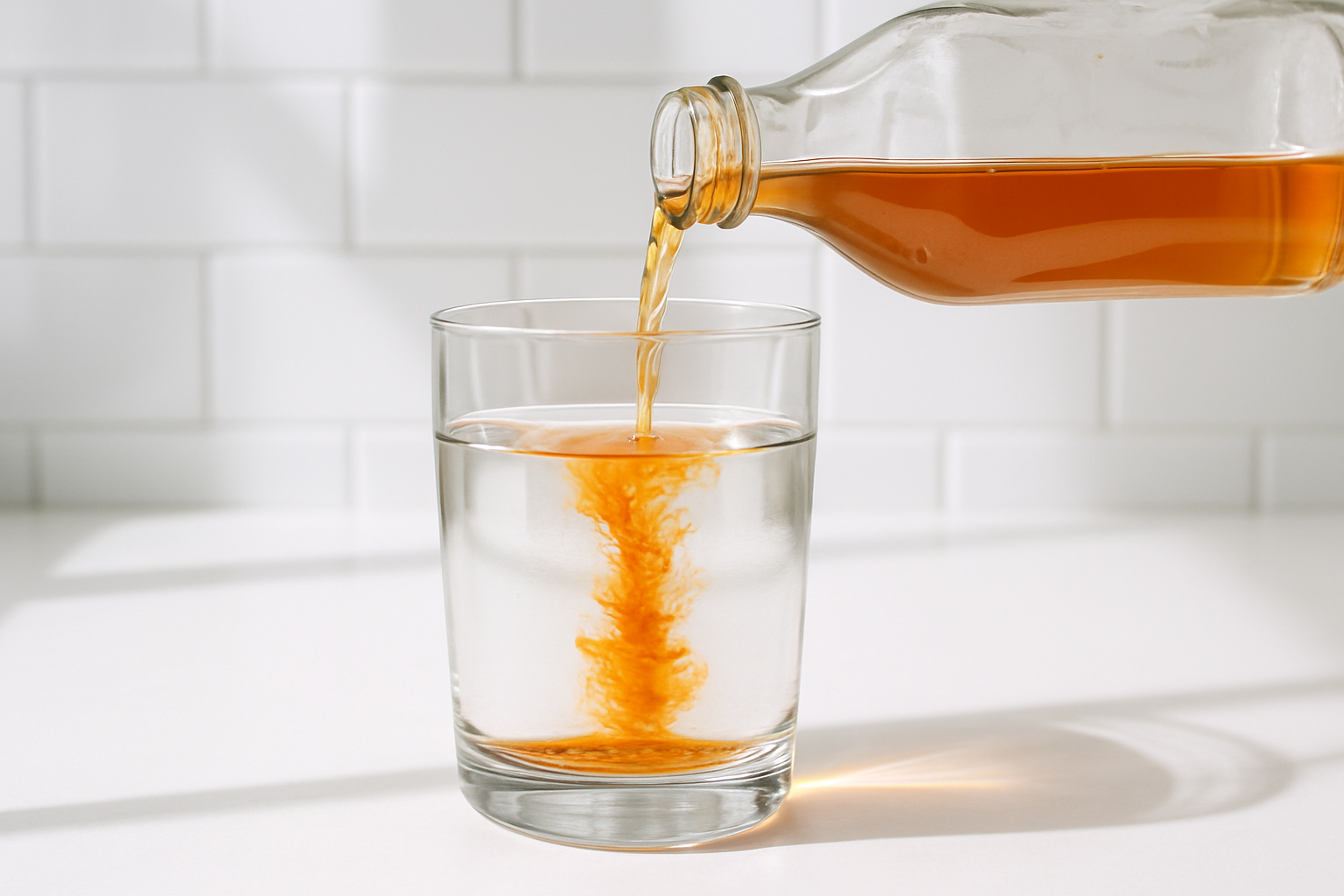
The recommended approach is simple: dilute one tablespoon of apple cider vinegar in a full glass of water and sip it slowly after eating. This dilution is important — undiluted apple cider vinegar is highly acidic and can damage tooth enamel or irritate the oesophagus if consumed straight. Starting with a smaller amount and increasing gradually allows the body to adjust.
Apple cider vinegar is not suitable for everyone. People with acid reflux, GERD, or ulcers should consult a healthcare professional before adding it to their routine, as increasing stomach acidity may worsen those conditions.
What are the best digestion tips that combine well with fasting?
The fasting and longevity revolution has brought renewed attention to how eating windows affect gut health, with many people discovering that what they eat during those windows matters as much as when they eat. Strategic use of foods that aid digestion becomes even more important when meals are larger or less frequent.
During eating windows, prioritising easily digestible, enzyme-rich foods like papaya, pineapple, and yogurt helps the gut handle larger meal loads without the prolonged discomfort that can make fasting protocols feel unsustainable. Ginger tea — calorie-negligible and gut-supportive — is compatible with most fasting protocols and can be consumed across both fasting and eating periods.
Top digestion strategies for fasting practitioners:
- End meals with enzyme-rich fruit (papaya or pineapple) to ease protein digestion
- Use fennel seeds after the final meal of the day to reduce overnight bloating
- Sip ginger or peppermint tea during the transition between eating and fasting windows
- Choose plain yogurt as a probiotic-rich light meal closer to the end of your eating window
- Avoid apple cider vinegar on a completely empty stomach during fasting periods
Can dark chocolate actually help with digestion?
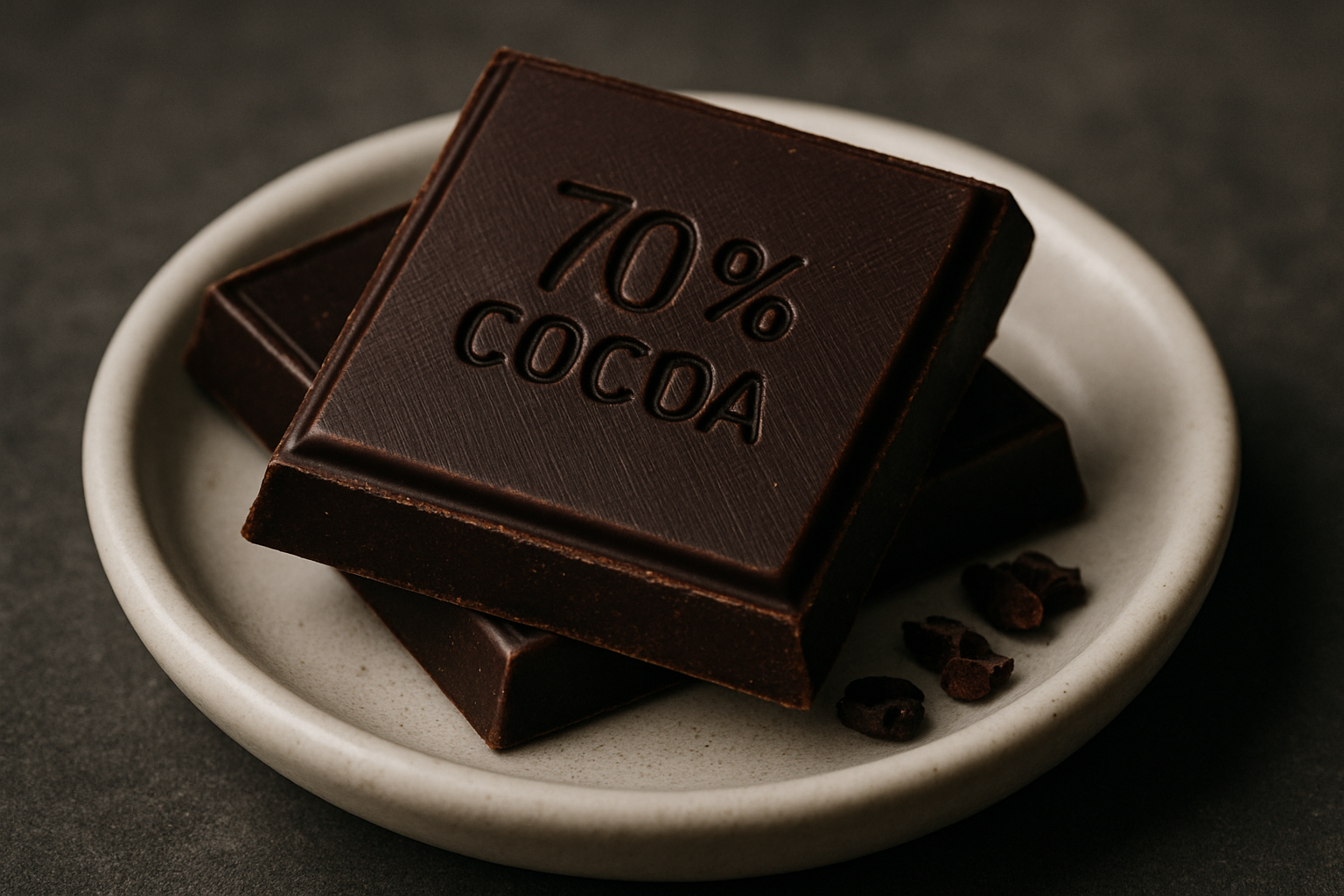
Dark chocolate can genuinely support digestion in small quantities, making it one of the more surprising entries on the list of foods that aid digestion. It contains polyphenol antioxidants — specifically flavanols — that stimulate the production of digestive enzymes and positively influence the gut microbiome by acting as a prebiotic.
Research suggests that the gut bacteria responsible for fermenting dark chocolate's fibre and polyphenols produce short-chain fatty acids as a by-product — compounds that nourish the gut lining and reduce inflammation. The operative phrase is portion control: a square or two of high-quality dark chocolate (70% cocoa or above) after a meal is where the digestive benefit lives. Larger amounts tip the balance toward excess calories and sugar.
Milk chocolate does not offer the same benefit. Lower cocoa content and higher sugar levels mean the digestive and antioxidant advantages are largely absent in milk or white chocolate varieties.
Bottom Line
- Foods that aid digestion — including ginger, pineapple, papaya, yogurt, and fennel seeds — each work through distinct mechanisms and are most effective when matched to the type of meal consumed.
- Bloating and post-meal discomfort are not inevitable; targeted food choices made immediately after eating can offer meaningful, fast-acting relief.
- Probiotics in yogurt and enzymes in fresh tropical fruits represent two of the most evidence-backed natural digestion strategies available.
- Apple cider vinegar and dark chocolate offer real digestive benefits but require mindful portioning and are not appropriate for everyone.
- Fasting protocols and digestive food strategies are highly compatible — the right post-meal choices can make fasting windows more comfortable and sustainable long-term.
- Every gut is different: monitor your own responses and adjust your post-meal routine based on what genuinely works for your body.