7 Foods That Wreck Your Digestion After Meals
Seven science-backed foods — including ginger, papaya, and fennel seeds — that actively improve digestion after meals by targeting bloating, gas, and enzyme def

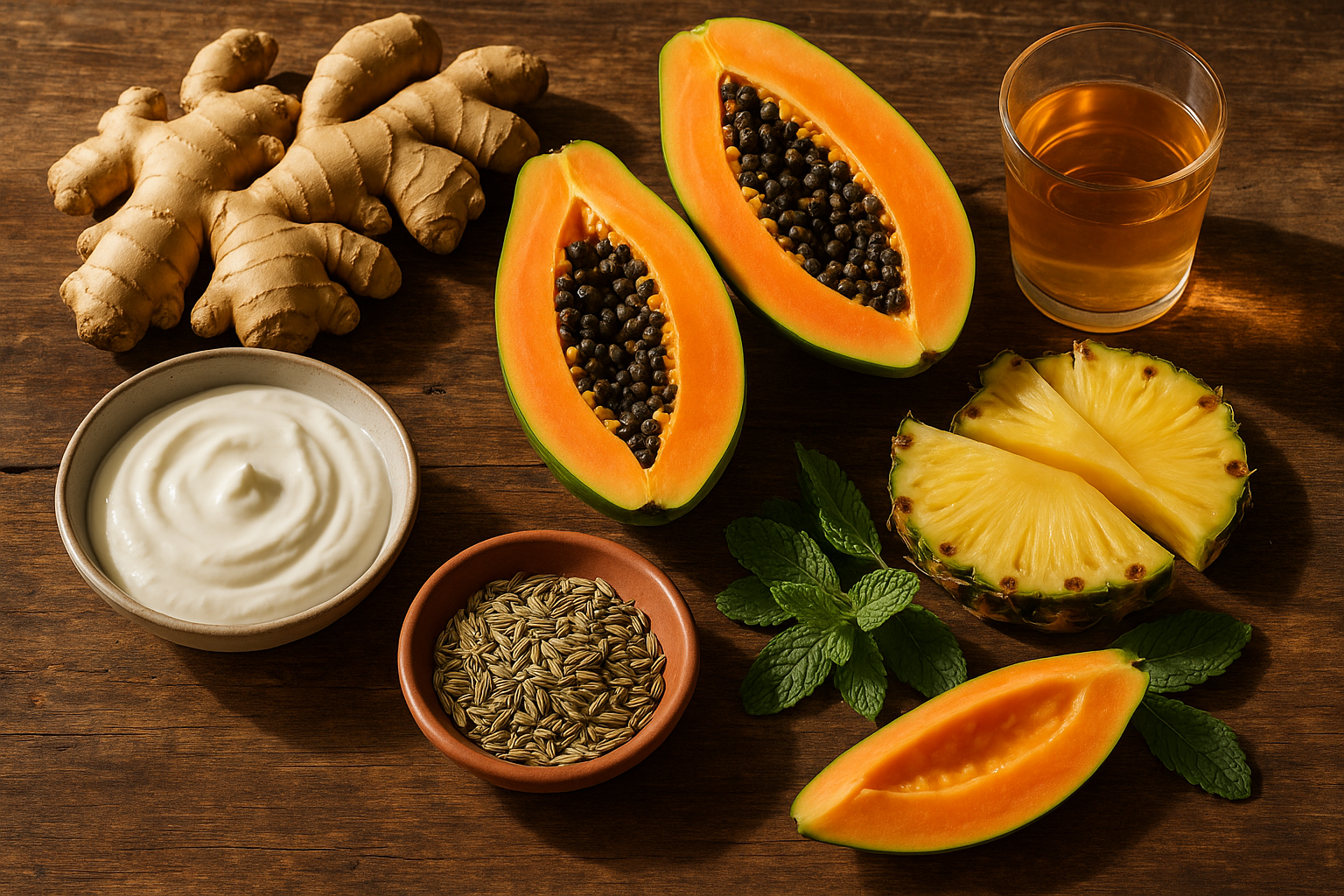
That bloated, sluggish feeling after a big meal isn't just annoying — it's your gut signalling that something needs to change. Most people reach for antacids or digestive pills without realising that certain foods that help digestion after meals can do the job faster, more naturally, and with lasting benefits. Your post-meal choices matter more than you think. Start making them count right now.
Research consistently shows that the right dietary additions after eating can stimulate digestive enzyme production, balance gut microbiome activity, and reduce inflammatory responses in the gastrointestinal tract — no prescription required.
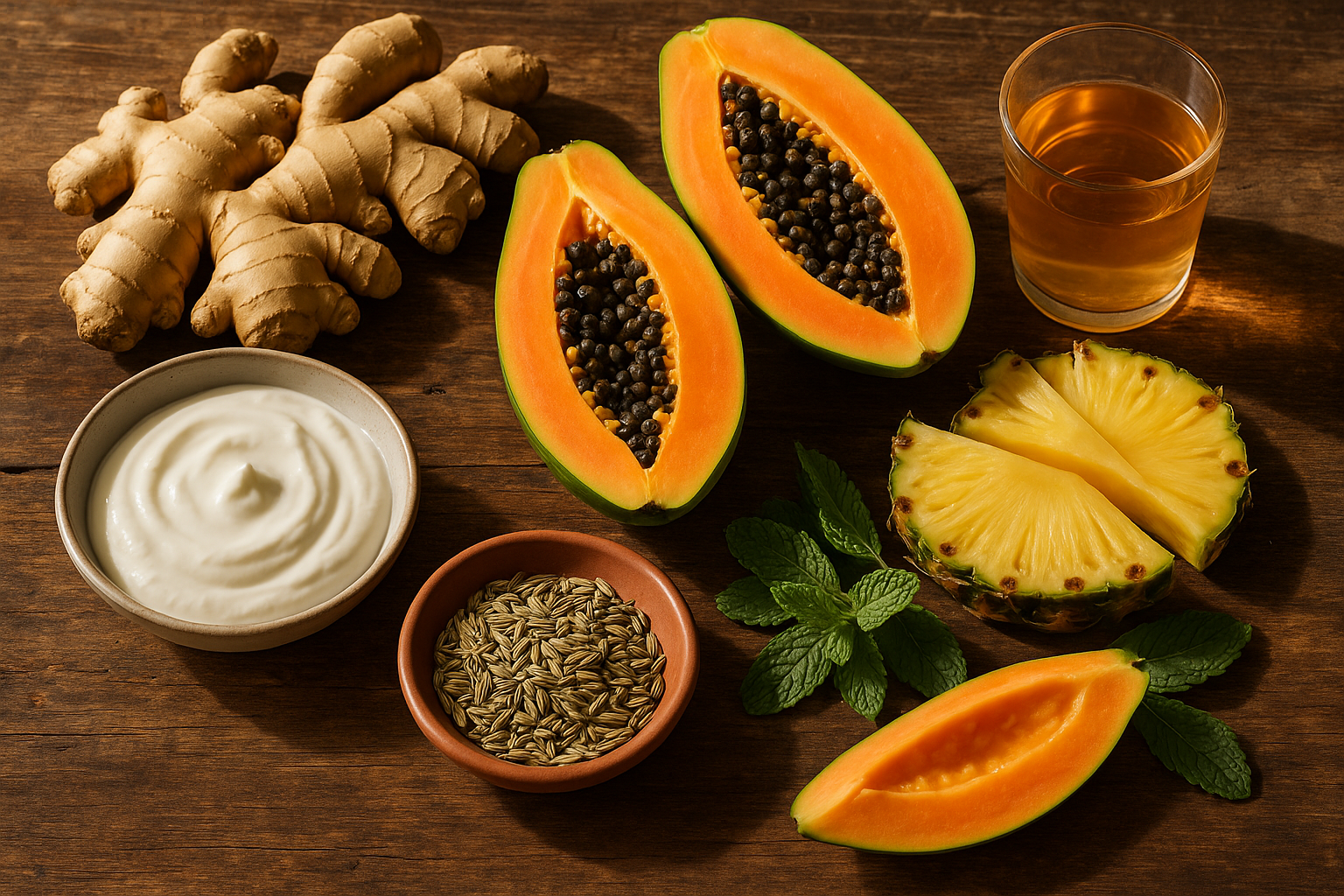
1. Ginger: The Anti-Bloat Powerhouse You're Probably Ignoring
Ginger has been used as a digestive remedy across cultures for over 2,000 years — and modern science backs it up. It contains active compounds called gingerols and shogaols that accelerate gastric emptying, meaning food moves out of your stomach faster and with less discomfort. Its anti-inflammatory properties also calm the gastrointestinal lining, reducing that tight, uncomfortable pressure after a heavy or spicy meal.
The reason bloating happens is often delayed gastric emptying — food sitting in your stomach longer than it should, fermenting and producing gas. Ginger directly addresses this mechanism at the source.
Actionable takeaway: Steep a half-inch slice of fresh ginger in hot water for five minutes and sip it slowly within 15 minutes of finishing your meal. Avoid ginger supplements if you're on blood thinners — consult your doctor first.
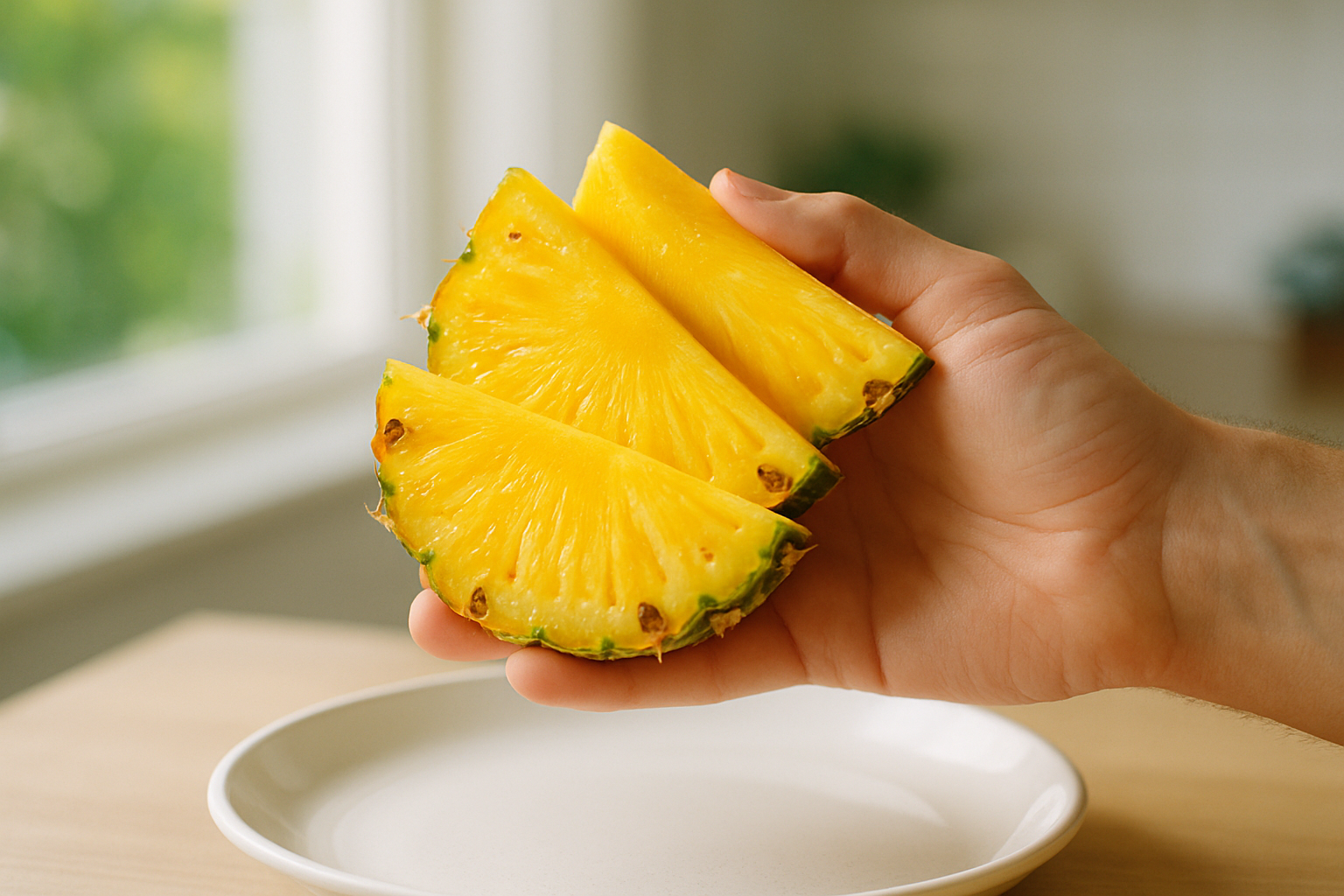
2. Pineapple: The Tropical Enzyme Bomb That Breaks Down Protein
Pineapple contains bromelain, a proteolytic enzyme that actively dismantles protein molecules your stomach may struggle to process on its own. This makes it especially useful after protein-heavy meals — think grilled meats, legumes, or dairy-rich dishes. Bromelain has also demonstrated mild anti-inflammatory effects in the gut lining, reducing post-meal puffiness and discomfort.
When protein isn't fully broken down in the stomach, it passes into the intestine partially intact, where bacteria ferment it and produce gas. Bromelain short-circuits that process.
Actionable takeaway: Eat three to four fresh pineapple slices after meals — not canned, as heat processing destroys bromelain activity. Fresh is non-negotiable here.
3. Papaya: The Gut-Healing Fruit Most People Overlook
Papaya contains papain, one of the most studied plant-based digestive enzymes, which breaks down both proteins and carbohydrates with remarkable efficiency. Unlike some digestive aids that only target one macronutrient, papain works broadly — making papaya one of the most versatile foods that help digestion after meals, particularly after mixed, complex dishes. Regular consumption has also been linked to reduced symptoms of irritable bowel syndrome.
The gut needs functional enzymes to convert food into absorbable nutrients. When enzyme activity is low — due to stress, age, or poor diet — undigested particles accumulate and trigger discomfort. Papain supplements the body's natural enzyme pool.
Actionable takeaway: A small bowl of ripe, fresh papaya after lunch or dinner is enough. Those exploring intermittent fasting and the longevity revolution may find papaya a smart choice during their eating window to maximise nutrient absorption in fewer meals.
4. Fennel Seeds: The After-Dinner Ritual Backed by Centuries of Use
Fennel seeds are a staple post-meal digestive aid in South Asian, Middle Eastern, and Mediterranean cultures — and for very good reason. They contain volatile oils including anethole, fenchone, and estragole, which relax the smooth muscles of the gastrointestinal tract and allow trapped gas to pass more easily. The result is rapid, natural relief from bloating and cramping without any pharmacological intervention.
Gas pain and bloating typically occur when intestinal muscles spasm around trapped air. Fennel's antispasmodic compounds directly release that muscular tension.
Actionable takeaway: Chew one teaspoon of raw fennel seeds slowly after meals, or brew fennel seed tea by steeping a teaspoon in boiling water for 10 minutes. Keep a small jar at your dining table so the habit sticks.
Gut Health Fact: A 2023 review in Nutrients found that naturally occurring digestive enzymes from whole foods — including bromelain and papain — can reduce post-meal bloating symptoms by up to 40% compared to no intervention, with zero side effects reported.
5. Yogurt: Your Gut Microbiome's Best Post-Meal Friend
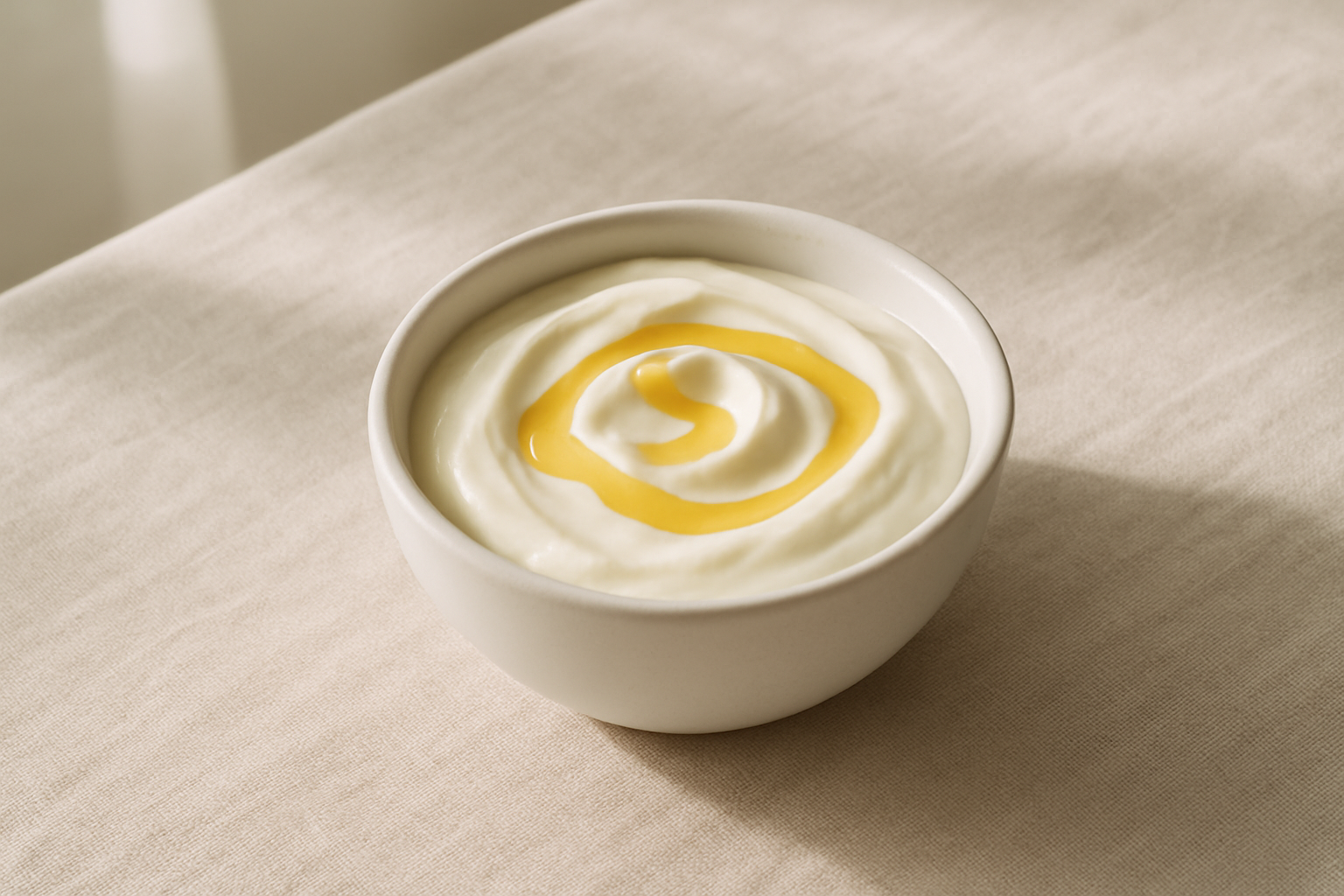
Yogurt is one of the most accessible and effective probiotic foods that help digestion after meals, delivering live bacterial cultures directly to your gut. Strains like Lactobacillus acidophilus and Bifidobacterium compete with harmful bacteria, reduce gut inflammation, and enhance the breakdown of lactose and other complex sugars. A consistently balanced microbiome is also emerging as a key pillar in the fasting and longevity revolution, with researchers linking diverse gut bacteria to longer healthspan.
Post-meal gut dysbiosis — an imbalance of bacteria — is a hidden driver of chronic bloating, irregular bowel movements, and nutrient malabsorption. Probiotics rebalance this ecosystem meal by meal.
Actionable takeaway: Choose plain, unsweetened yogurt with at least two live cultures listed on the label. A small 150g serving after meals is sufficient — flavoured varieties often contain enough added sugar to feed harmful bacteria instead.
6. Peppermint: The Muscle-Relaxing Herb That Calms Your Gut Instantly
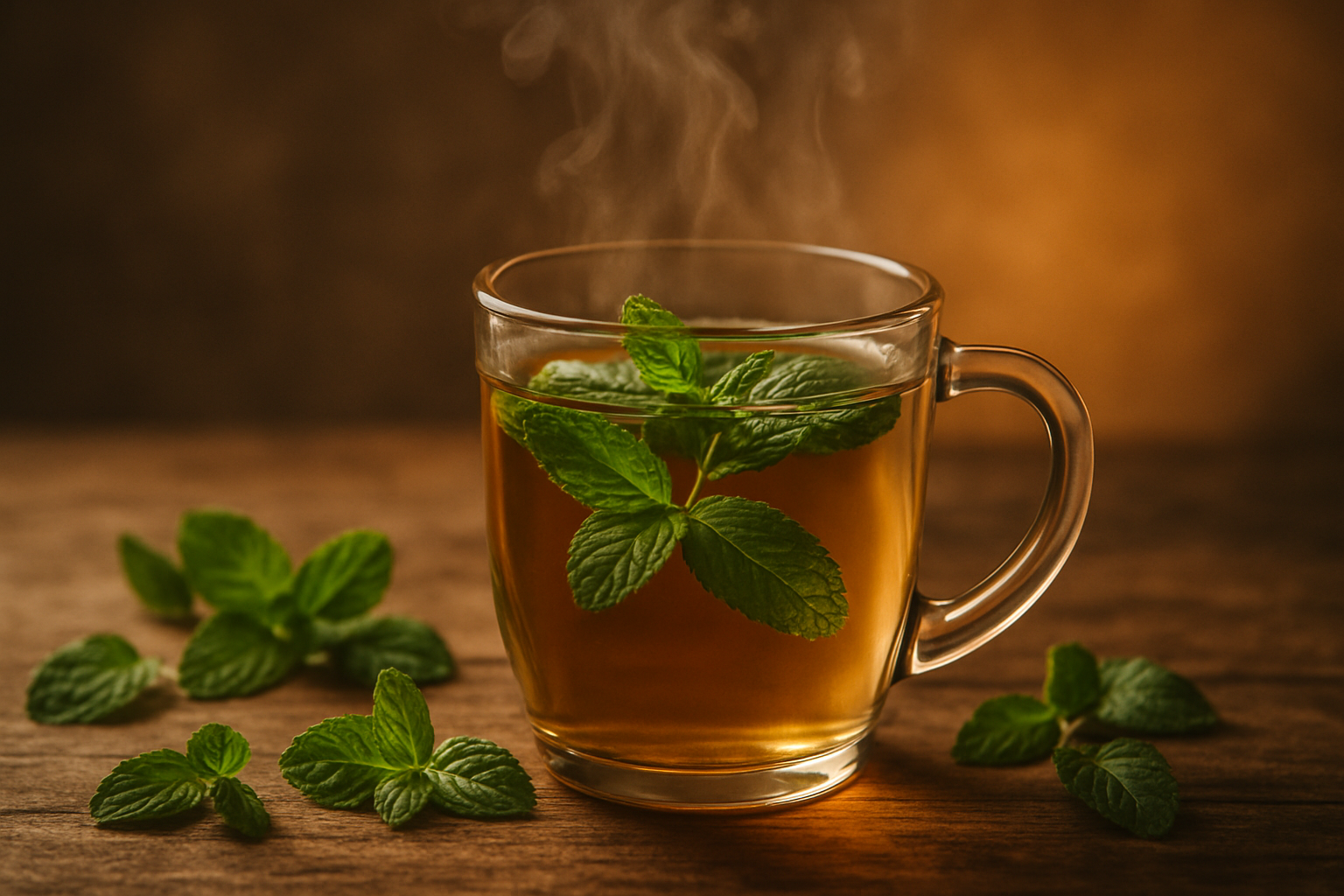
Peppermint's active compound, menthol, has a direct antispasmodic effect on the smooth muscles lining your digestive tract — making it one of the fastest-acting natural remedies for post-meal discomfort. Clinical trials have repeatedly shown enteric-coated peppermint oil capsules to be effective for IBS symptoms, and even a simple cup of peppermint tea produces measurable relaxation of intestinal muscles. This translates to less cramping, less bloating, and faster transit of food through the gut.
Tight, over-contracted gut muscles trap gas and slow food movement. Menthol essentially tells those muscles to stand down.
Actionable takeaway: Brew peppermint tea using fresh leaves or a quality dried herb bag and sip it warm after meals. Note: peppermint can worsen acid reflux in people with GERD — if that applies to you, opt for fennel or ginger instead.
7. Apple Cider Vinegar: The Acidic Shortcut to Faster Food Breakdown
Apple cider vinegar works by temporarily increasing stomach acidity, which primes your digestive system to break down food more completely and efficiently. Low stomach acid — a surprisingly common condition, especially in people over 40 or those on frequent antacid use — is a leading cause of indigestion, belching, and heaviness after meals. A diluted dose of ACV can bridge that gap and restore a more functional digestive environment.
When stomach pH is too high (too alkaline), protein-digesting enzymes like pepsin can't activate properly, leaving food partially undigested and creating downstream fermentation in the intestine.
Actionable takeaway: Mix one tablespoon of raw, unfiltered apple cider vinegar into a full glass of water and drink it 5–10 minutes after eating. Never drink ACV undiluted — it can erode tooth enamel and irritate the oesophagus. Those with ulcers should avoid it entirely.
The Smarter Way to End Every Meal
Your post-meal routine is as important as the meal itself. These seven foods that help digestion after meals work by targeting the actual mechanisms behind bloating, gas, and discomfort — enzyme deficiency, gut dysbiosis, muscular tension, and low stomach acid. Pick one or two to start, observe how your body responds, and build from there. Every digestive system is different, and small, consistent changes compound into significantly better gut health over time.