Gut Bacteria's Achilles' Heel Found by Scientists
Scientists identify a shared enzyme vulnerability in E. coli and Shigella that could enable a single vaccine against multiple deadly gut pathogens.

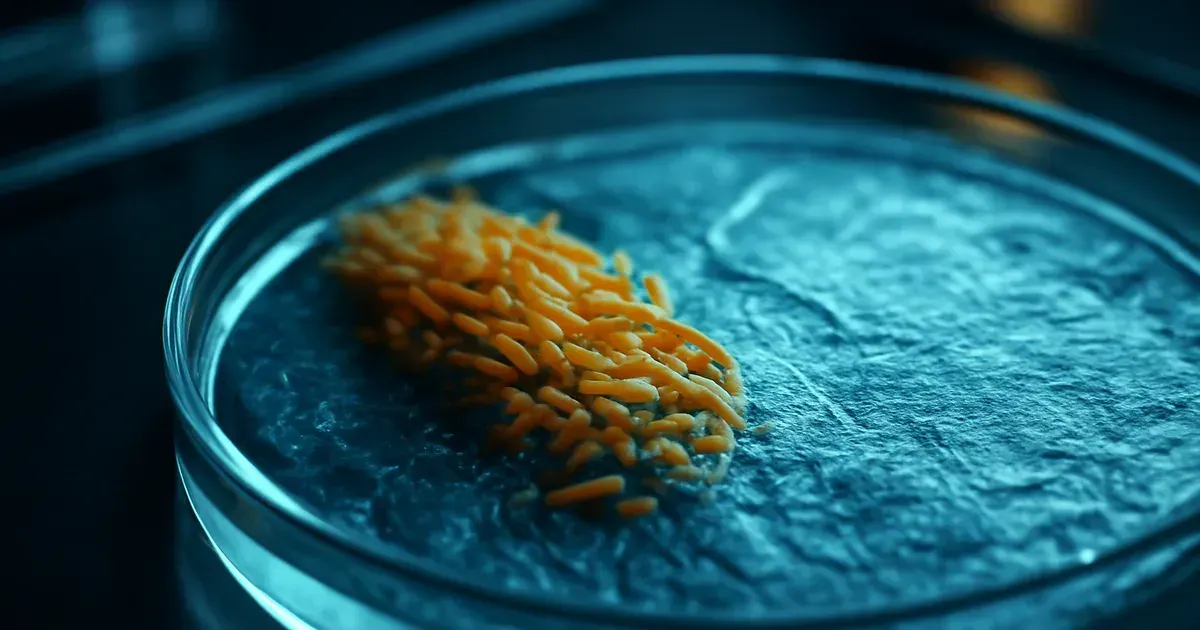
Scientists have identified a shared vulnerability in deadly gut bacteria — including E. coli and Shigella — that could lead to a single broad-spectrum vaccine targeting multiple diarrhoeal diseases. According to researchers, these pathogens rely on the same enzymes to break through the gut's protective mucus layer, a discovery that may transform how infectious gut disease is prevented worldwide, with significant implications for gut health UK and global microbiome research.
Why This Matters
Enterotoxigenic E. coli (ETEC) and Shigella are responsible for hundreds of millions of infections worldwide each year, and remain among the leading causes of fatal diarrhoeal disease, particularly in young children in low- and middle-income regions, per Science Daily. Understanding how these pathogens interact with the gut's mucosal barrier is central to microbiome UK research — the gut lining and its mucus layer are now widely recognised as critical components of overall gut health, influencing immunity, digestion, and even the gut-brain connection.
The Enzyme That Breaches the Gut's Defences
The study, published in PNAS, found that ETEC produces a virulence protein called EatA, which belongs to a family of enzymes known as SPATEs (Serine Protease Autotransporters of the Enterobacteriae). According to the research, EatA specifically degrades MUC2 — the primary mucus protein secreted by goblet cells lining the human intestine. Crucially, a study in PNAS found that infections caused by ETEC elicit antibodies capable of broadly neutralising these mucinase enzymes across multiple pathogenic species, including certain Shigella strains — pointing to a shared molecular weakness ripe for therapeutic targeting.
What This Means for Gut Disease Prevention
By targeting this common enzymatic vulnerability, scientists report it may be possible to develop a single vaccine effective against several distinct gut pathogens simultaneously. This approach could dramatically simplify vaccination programmes and reduce the burden of diarrhoeal disease globally. For the wider field of gut health and microbiome science, the findings also deepen understanding of how the gut's mucosal barrier — a front-line defence in the gut-brain axis — can be compromised by bacterial infection.
This discovery underscores how foundational gut health research continues to yield breakthroughs with far-reaching public health consequences. Protecting the gut's mucus layer is not only key to preventing infection — it is increasingly understood as essential to maintaining the broader microbiome balance that supports immunity, mental wellbeing, and the gut-brain connection. Scientists say further research is needed to advance this work towards clinical trials.
You might also like
- Fasting-Mimicking Diet Cuts Gum Disease Inflammation
- How to Improve Gut Health Naturally in 5 Steps
- Gut Microbiome Research Unlocks New Cancer Care Hope
96 Bacterial Strains. Two Shots a Day.
GOODIE is an award-winning fermented drink with 96 live bacterial strains — more than any yogurt or kombucha — never pasteurised, clinically tested, and 8 in 10 users felt less bloating within 14 days. Curious?