Gut Bacteria Linked to Chronic Kidney Disease in Millions
Scientists have found the gut microbiome may be a hidden driver of chronic kidney disease, which affects 35 million Americans, per mindbodygreen.com.

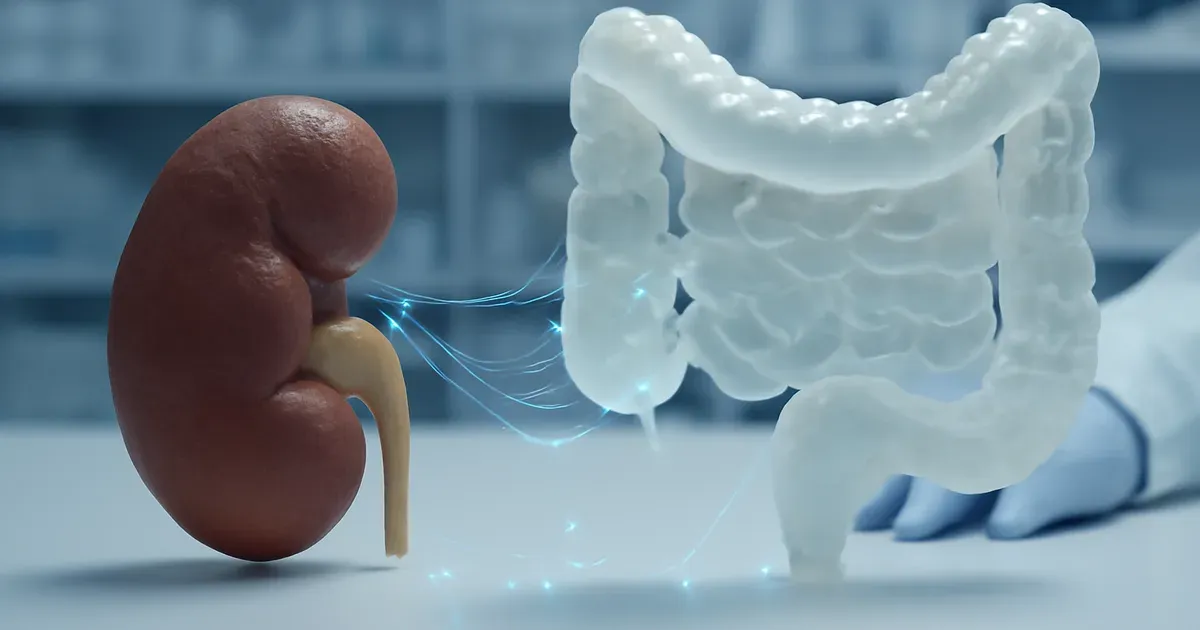
Scientists have identified an unexpected gut-related driver behind chronic kidney disease (CKD), a condition already affecting approximately 1 in 7 adults in the United States — roughly 35 million people. According to a report published by mindbodygreen.com on April 1, 2026, researchers have pinpointed activity in the gut microbiome as a previously underrecognised contributor to the gradual progression of CKD, a disease long associated with blood sugar, blood pressure, and lifestyle factors.
Why This Matters
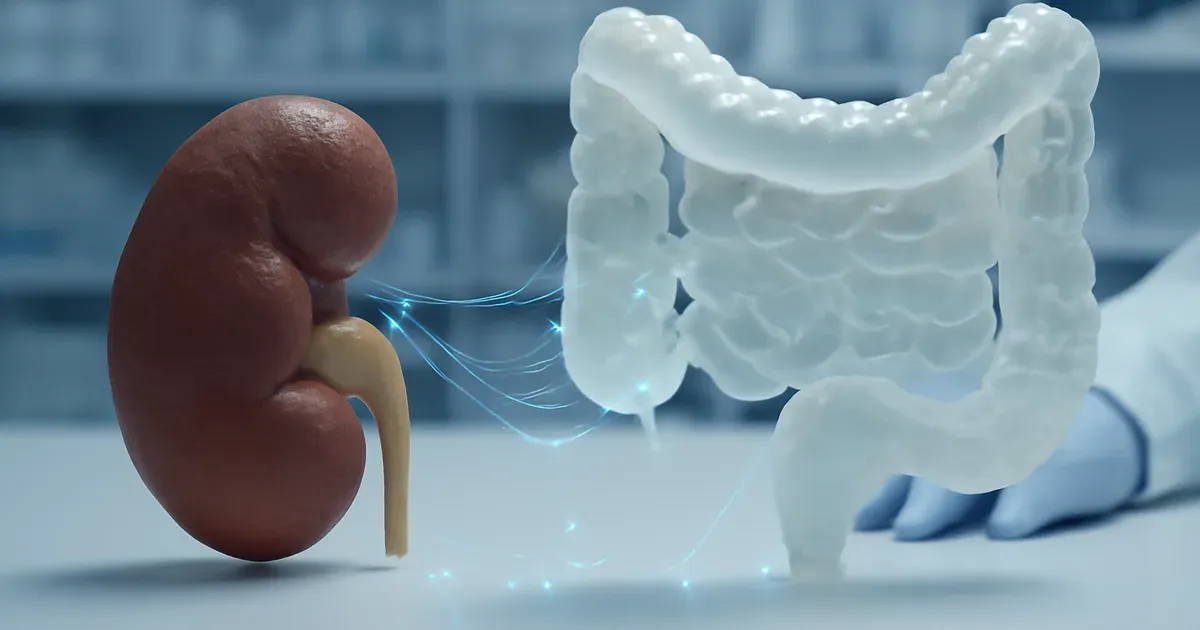
Chronic kidney disease progresses silently for most people, with symptoms often going unnoticed until significant damage has occurred. Per mindbodygreen.com, CKD develops gradually under the influence of multiple intersecting forces, including inflammation and metabolic dysfunction. The discovery of a gut-based mechanism adds a new dimension to that picture. Scientists have long studied the gut-kidney axis, but this latest finding suggests the relationship may be more direct and clinically significant than previously understood, potentially reshaping how clinicians approach early detection and intervention.
Gut Microbiome Identified as a Hidden CKD Contributor
According to the source report, researchers have found that gut-related processes appear to play a meaningful role in driving kidney disease progression. The gut microbiome — the vast community of microorganisms residing in the digestive tract — is understood to influence systemic inflammation and metabolic health. Scientists report that disruptions in this microbial environment may contribute to the mechanisms that damage kidney function over time. The finding is described as unexpected, suggesting it was not the primary hypothesis researchers were investigating at the outset.
What This Means for People at Risk
For the estimated 35 million Americans living with CKD, many of whom may be undiagnosed, this research points toward the gut as a potential new target for disease management. Per mindbodygreen.com, the condition's development is shaped by a combination of factors, and the gut now appears to be among them. Individuals with risk factors for CKD — including elevated blood sugar or blood pressure — may benefit from closer attention to gut health as further research develops.
The emerging link between gut bacteria and chronic kidney disease underscores how interconnected the body's systems are. As scientists continue to investigate the gut-kidney axis, the findings could eventually inform new strategies for slowing or preventing CKD progression in at-risk populations, according to reporting by mindbodygreen.com.