Your Gut Bacteria Are Rewriting the Rules of Modern Medicine
Gut bacteria are reshaping modern medicine, with 2025 research linking specific microbial compounds to heart disease, mental health, and metabolic conditions. Scientists identified early cardiovascular biomarkers and gut-brain communication pathways, moving microbiome science firmly into mainstream

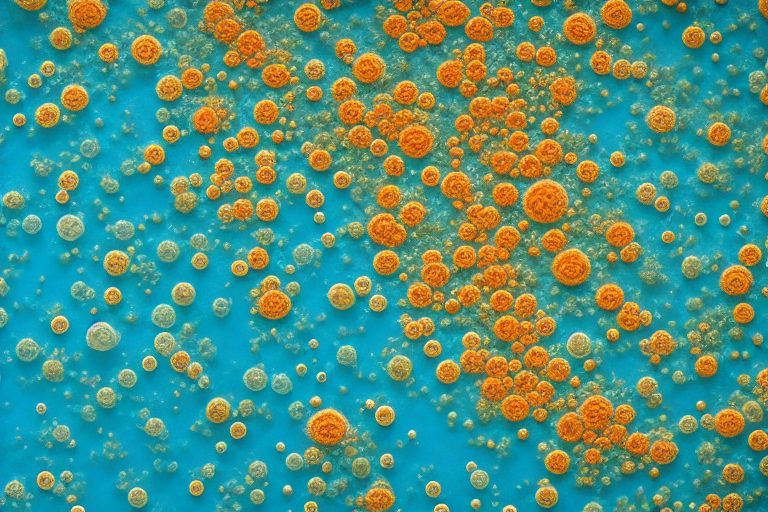
Your Gut Bacteria Are Rewriting the Rules of Modern Medicine
Your gut is home to trillions of microorganisms — and in 2025, scientists made some of their most significant strides yet in understanding exactly how those tiny tenants shape your heart health, mental wellbeing, and digestive system. This isn't fringe science anymore. The gut microbiome has moved firmly into the mainstream of clinical medicine, and the latest research is beginning to offer real, actionable insights for patients and doctors alike.
---
The Heart-Gut Connection Just Got a Lot More Specific
For years, researchers suspected a link between gut bacteria and cardiovascular disease. In 2025, they started pinpointing the exact molecules responsible.
One major discovery involved a compound called imidazole propionate, produced by certain gut bacteria. A study published in Nature found that this metabolite doesn't just contribute to the buildup of arterial plaque — it also disrupts insulin signaling and ramps up inflammation. Perhaps most importantly, it may be detectable in the blood before standard clinical markers show any warning signs, making it a potential early-warning biomarker for cardiovascular risk.
Separately, new mechanistic research revealed that gut microbes play a direct role in regulating bile acid production — a key process in cholesterol metabolism. When microbial pathways go awry, harmful bile acid imbalances can accumulate and destabilize metabolic health. Together, these findings suggest your cholesterol panel may one day need a gut microbiome component to tell the full story.
---
Your Gut Talks to Your Brain More Than You Think
The gut-brain axis — the two-way communication highway between your digestive system and your nervous system — generated some of the most fascinating findings of the year.
Researchers at McMaster University discovered that immune cells called intestinal dendritic cells can actually migrate from the gut to the brain, where they appear to influence behavior. This suggests that disruptions in early-life gut colonization — say, from antibiotics or formula feeding — could have consequences that extend well beyond digestion, potentially affecting brain development and long-term behavioral health.
On the stress front, new research showed that gut microbes help regulate the body's cortisol rhythm and stress response system. Specifically, they appear to modulate the HPA axis — the hormonal circuit that governs how we respond to stress — and keep it synchronized with our natural circadian rhythms. When the microbial balance is disturbed, stress hormone regulation goes haywire, potentially raising vulnerability to anxiety and stress-related disorders.
For people with conditions like irritable bowel syndrome (IBS), gut-brain communication is already central to how symptoms are managed. Highlights from a major neurogastroenterology conference this year reinforced that targeted dietary interventions, probiotics, and prebiotics can meaningfully reduce visceral pain and improve quality of life for people with gut-brain disorders.
---
IBD Treatment Gets More Nuanced — and Honest
Inflammatory bowel disease (IBD) research in 2025 delivered both sobering results and cautious optimism.
On the sobering side: a rigorous double-blind, placebo-controlled trial found that fecal microbiota transplantation (FMT) failed to induce remission in adults with Crohn's disease after eight weeks. This is a significant reality check for FMT enthusiasm, underscoring just how complex Crohn's disease is and how much more targeted microbial therapies need to become.
The optimistic note? Multiple studies found that microbiome shifts often precede Crohn's disease flares, potentially offering clinicians a way to anticipate relapses before symptoms escalate. Integrating microbial biomarkers into treatment planning — alongside existing immune-targeted drugs — could meaningfully improve outcomes for patients who currently cycle through periods of remission and relapse without much warning.
---
The Gluten Sensitivity Puzzle Gets a Twist
If you've cut out gluten or wheat because you felt it was triggering your IBS symptoms, 2025 research suggests the picture may be more complicated than you think.
A new randomized, double-blind crossover trial found that many IBS patients who believed they were sensitive to gluten or wheat may not actually be reacting to those proteins at all. Instead, their symptoms may be driven by FODMAPs (fermentable carbohydrates found in wheat), individual gut sensitivity, or even the psychological expectation of feeling unwell. This doesn't mean symptoms aren't real — they absolutely are. It just means the cause may require a more personalized investigation than simply going gluten-free.
---
Practical Takeaways: What This Means for You
You don't need to wait for the science to fully mature to start supporting your gut health. Here's what the current evidence supports:
- Eat a diverse, plant-rich diet. Fiber variety feeds a broader range of beneficial bacteria, supporting metabolic and immune function.
- Don't self-diagnose food sensitivities. Work with a registered dietitian to properly identify dietary triggers — especially for IBS.
- Manage stress actively. Since gut microbes help regulate your stress response, chronic stress can become a vicious cycle that undermines gut health too.
- Be cautious about microbiome trends. FMT and probiotic supplements are not one-size-fits-all solutions. Always consult your healthcare provider.
- Ask about microbiome testing. While not yet standard, microbial biomarkers for cardiovascular and IBD risk are edging closer to clinical use.
---
The gut microbiome is no longer just a curiosity — it's becoming a cornerstone of how we understand chronic disease, mental health, and personalized medicine. The science of 2025 makes one thing abundantly clear: what lives in your gut has a profound influence on the rest of you. Paying attention to it isn't a wellness trend. It's just good medicine.