Gut-Friendly Diet: Foods for Better Digestion
Discover how a gut-friendly diet supports digestion, eases IBS and heartburn, and nourishes your microbiome for better overall health.

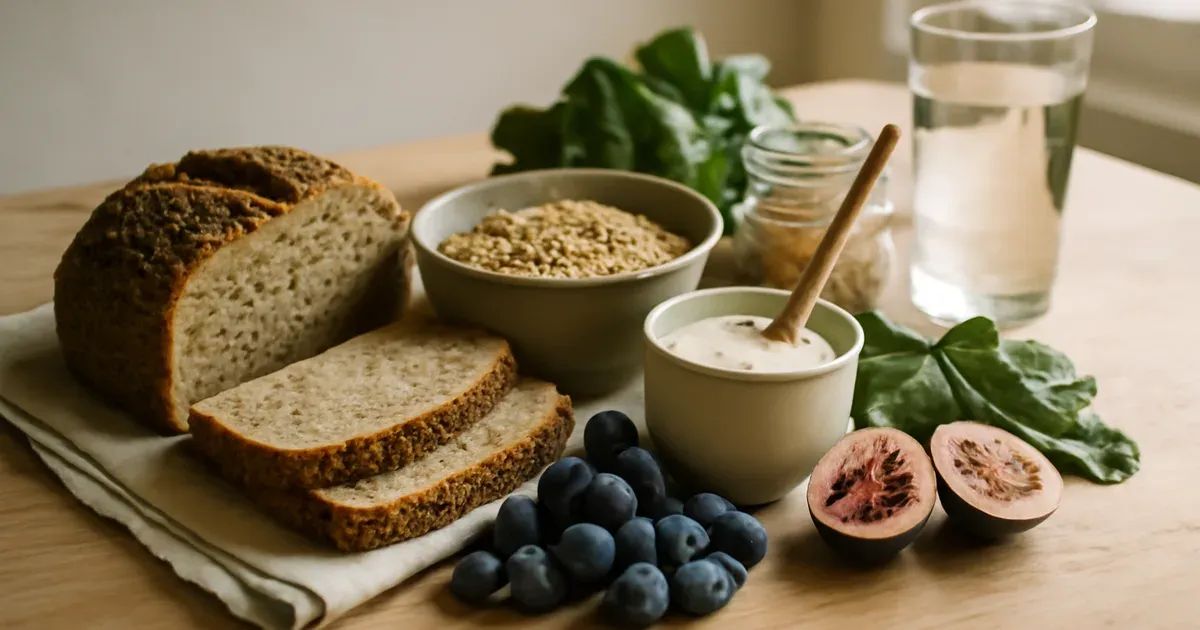
Your digestive system is doing something extraordinary right now. It is not just breaking down food — it is communicating with your brain, training your immune system, and hosting trillions of microbes that influence everything from your mood to your metabolism. Yet for millions of people, poor dietary choices quietly disrupt this entire ecosystem, leading to bloating, constipation, heartburn, and irritable bowel syndrome (IBS). A gut-friendly diet is not just about avoiding discomfort — it is about protecting one of the body's most complex and consequential systems.
Why Your Gut Microbiome Needs the Right Fuel
The gut microbiome — the vast community of bacteria, viruses, and fungi living in your digestive tract — is increasingly recognised as a cornerstone of overall health. Research consistently links a diverse, well-nourished microbiome to better immune function, lower inflammation, and even improved mental health via the gut-brain axis.
What you eat is the single biggest factor shaping your microbiome. Processed foods, excess fat, and low fibre intake starve beneficial bacteria while allowing harmful strains to flourish. A gut-friendly diet, by contrast, feeds the microbes that keep your digestive system — and your broader health — running smoothly.
The good news is that meaningful change can happen quickly. Studies suggest that dietary shifts can alter microbiome composition within days, making every meal a genuine opportunity to improve your gut health.
Fill Up on Fibre: The Gut Microbiome's Favourite Food
Fibre is non-negotiable for a healthy gut, yet most people in the UK fall well short of the recommended 30g per day. Dietary fibre does two critical things: it keeps waste moving through the digestive system to prevent constipation, and it acts as a prebiotic — feeding the beneficial bacteria that make up a healthy microbiome.
The best fibre sources for a gut-friendly diet include:
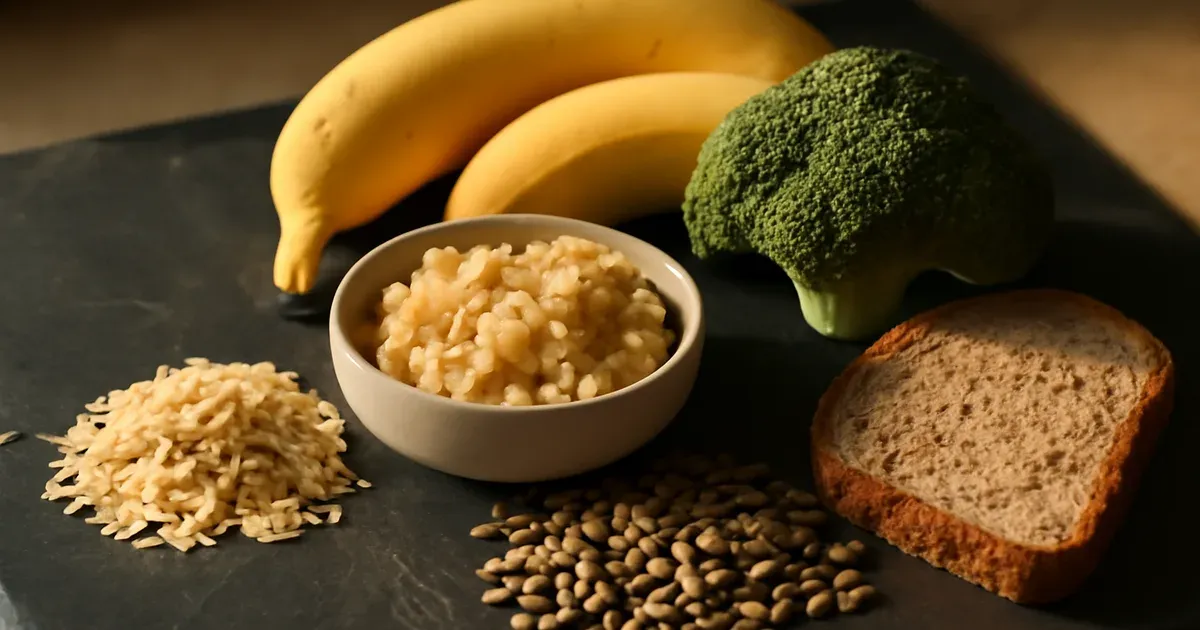
- Wholemeal bread and brown rice — slow-release carbohydrates that also feed gut bacteria
- Fruit and vegetables — rich in diverse plant fibres that encourage microbial diversity
- Beans and legumes — among the most powerful prebiotic foods available
- Oats — contain beta-glucan, a soluble fibre with well-documented gut and heart benefits
Variety matters as much as volume. Different bacterial strains thrive on different types of fibre, so eating a wide range of plant foods is the most effective way to build a resilient, diverse microbiome. If cereals and grains trigger bloating or IBS symptoms, prioritise fruit and vegetables as your primary fibre source instead.
Drink More Water to Support Digestion
Hydration is the unsung hero of a gut-friendly diet. Fibre acts like a sponge — it absorbs water and uses it to soften stool and ease its passage through the bowel. Without adequate fluid, even a high-fibre diet can lead to constipation rather than prevent it.
Aim to drink a glass of water with every meal as a simple, sustainable habit. Plain water, herbal teas, and diluted juices are your best options. Avoid caffeine-heavy drinks like coffee and cola, which can increase stomach acid and trigger heartburn — and limit fizzy drinks, which tend to bloat the stomach and worsen reflux symptoms.
Caffeine is worth a special mention in the context of the gut-brain axis. High caffeine intake is associated with elevated cortisol levels, and chronic stress is one of the most significant disruptors of gut microbiome balance. Limiting caffeine to one or two cups of tea or coffee daily is a practical step that benefits both your gut and your stress response.
Cut Down on Fat and Spice to Reduce Gut Inflammation
Fatty, fried foods place an outsized burden on your digestive system. Chips, burgers, and deep-fried foods are harder to digest, slow gastric emptying, and are strongly associated with heartburn and stomach pain. They also tend to feed pro-inflammatory gut bacteria, which can compromise the gut lining over time.
Swapping fried foods for grilled lean meat and fish, choosing skimmed or semi-skimmed milk, and reducing overall saturated fat intake are practical steps that directly support gut health. These changes reduce the digestive workload while also shifting the gut microbiome towards a less inflammatory profile.
Spicy foods are more nuanced. Many people tolerate — and even benefit from — spices like chilli, which contains capsaicin, a compound with some evidence for anti-inflammatory properties. However, for those prone to heartburn or IBS, even milder flavourings like garlic and onion (both high-FODMAP foods) can trigger symptoms. If spicy or strongly flavoured foods consistently cause you discomfort, reduce them and note whether symptoms improve.

Identify and Avoid Your Personal Gut Symptom Triggers
Not every gut is the same, and this is one of the most important lessons emerging from microbiome science. The same food that causes no reaction in one person can trigger significant symptoms in another, partly because individual microbiome composition varies so widely.
Common trigger foods worth monitoring include:
- Acidic foods — tomatoes, citrus fruits, salad dressings, and fizzy drinks can provoke heartburn
- Wheat and onions — frequent culprits in IBS flare-ups
- Dairy products — those with lactose intolerance will experience wind and diarrhoea after consuming milk, cheese, cream, yoghurt, or chocolate
Keeping a food diary is one of the most effective and underused tools for managing digestive symptoms. Recording what you eat alongside any symptoms — timing, severity, type — allows you to identify patterns that an elimination approach alone might miss. Digital apps or a simple notebook both work well.
The gut-brain axis adds another layer of complexity here. Stress and anxiety are known to intensify gut symptoms in people with IBS, which means a food that seems fine on a calm day may cause problems when you are under pressure. Tracking mood alongside food gives a more complete picture.
Probiotics and the Living Gut Ecosystem
Probiotics are live microorganisms — the "friendly bacteria" — that, when consumed in adequate amounts, can confer health benefits on the host. They are found naturally in the gut and in fermented foods, and are available as concentrated supplements.
The evidence base for probiotics is growing but nuanced. There is meaningful evidence that certain probiotic strains can help reduce IBS symptoms, restore gut balance after antibiotic use, and support immune function. However, not all probiotic products are equal — the strain, dose, and delivery method all matter significantly.
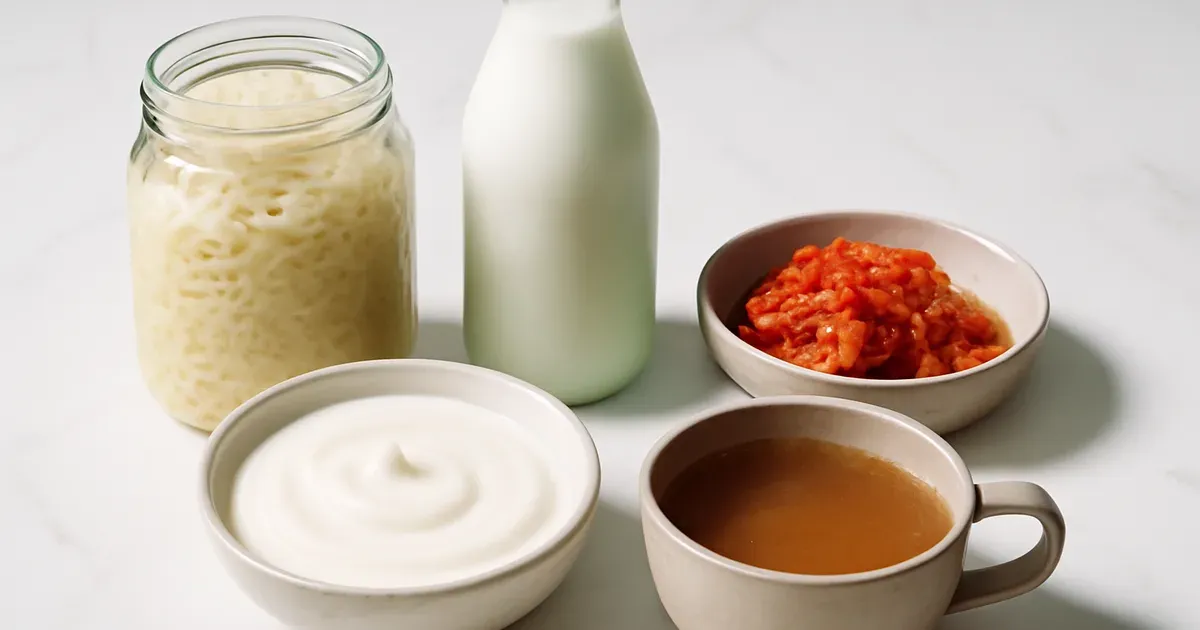
Natural food sources are a reliable and accessible starting point. Live yoghurt is one of the best-studied sources of beneficial bacteria. Other fermented foods — kefir, kimchi, sauerkraut, miso, and kombucha — each contribute different microbial strains that can diversify the gut ecosystem. Eating a variety of these regularly is a practical way to support microbiome diversity without relying on supplements.
If you choose to try probiotic supplements, take them daily for at least four weeks to assess their effect. Always consult a doctor before starting supplements if you have an existing health condition or a compromised immune system.
Choose Drinks That Work With Your Gut, Not Against It
What you drink matters as much as what you eat when it comes to digestive health. Caffeinated drinks — coffee, cola, and some teas — increase stomach acid production, which raises the risk of heartburn. Carbonated drinks add gas to the digestive tract, causing bloating that can itself trigger reflux.
The gut-brain connection is relevant here too. Herbal teas such as peppermint, ginger, and chamomile have a long history of use for digestive complaints, and emerging research suggests some may have genuine effects on gut motility and inflammation. Peppermint in particular has reasonable evidence supporting its use in IBS management.
For a practical gut-friendly drinks strategy: lead with water and herbal teas throughout the day, limit caffeine to a maximum of one or two servings, and treat fizzy drinks — including diet versions — as occasional choices rather than daily staples.
The Bottom Line: Building a Gut-Friendly Diet
A gut-friendly diet is not a rigid prescription — it is a set of evidence-based principles that work together to support both digestive comfort and long-term microbiome health. The core habits are straightforward: eat at least 30g of varied fibre daily, stay well hydrated with non-caffeinated drinks, reduce fatty and fried foods, moderate spice intake based on your own tolerance, include fermented foods regularly, and keep a food diary to identify personal triggers.
What makes this approach particularly powerful is that it works on two levels simultaneously. It addresses immediate digestive symptoms — the bloating, heartburn, and constipation that affect daily life — while also nourishing the microbiome in ways that support immunity, mood, and long-term metabolic health via the gut-brain axis.
Start with one or two changes rather than overhauling everything at once. Even a modest increase in dietary fibre or a switch from fizzy drinks to herbal tea can produce noticeable improvements within a matter of weeks.
Frequently Asked Questions
What is the single most important change for a gut-friendly diet?
Increasing dietary fibre is consistently the most impactful change for most people. Aim for 30g per day from a variety of sources including wholegrains, legumes, fruit, and vegetables. This both improves digestive function and feeds a diverse, healthy gut microbiome.
Can the gut microbiome affect my mood and mental health?
Yes — through the gut-brain axis, the gut and brain communicate bidirectionally via the vagus nerve, immune signals, and neurotransmitters. A healthy, diverse microbiome is associated with lower rates of anxiety and depression, while dysbiosis (microbial imbalance) has been linked to worsened mental health outcomes.
How quickly can diet change the gut microbiome?
Dietary changes can alter microbiome composition within 24 to 72 hours, though more lasting shifts require sustained dietary changes over weeks. This means it is never too late to start improving your gut health through food.
Are probiotic supplements better than fermented foods?
Fermented foods offer broader microbial diversity than most single-strain supplements and come with additional nutritional benefits. Supplements can be useful in targeted situations — such as post-antibiotic recovery — but for general gut health maintenance, regular consumption of live yoghurt, kefir, or other fermented foods is a well-supported approach.
What drinks are best for digestion?
Water, herbal teas, and milk are the most gut-friendly choices. Peppermint and ginger teas in particular have evidence supporting their role in easing digestive discomfort. Limit caffeine to one or two servings daily and minimise fizzy drinks to reduce bloating and acid reflux risk.