Gut Health and Menopause: The Hidden Link
Gut health and menopause share a powerful two-way relationship through the estrobolome. Discover how gut bacteria regulate estrogen and what to do about it.


Hot flashes, mood swings, bloating, fatigue — when these symptoms arrive together, most women assume menopause is the sole culprit. But a growing body of research reveals a second player hiding in plain sight: the gut. Understanding the relationship between gut health and menopause may be the missing piece for millions of women who never fully find relief.

How Gut Health and Menopause Are Deeply Connected
The gastrointestinal tract and the female reproductive system are in constant dialogue. Hormonal shifts during perimenopause and menopause alter the gut environment, and a disrupted gut can, in turn, worsen menopausal symptoms. This bidirectional relationship means that treating one without considering the other often leaves women only partially better.
Estrogen does far more than regulate the menstrual cycle. It influences brain function, bone density, cardiovascular health, mood, and — critically — gastrointestinal motility and inflammation. When estrogen levels drop or fluctuate wildly, the ripple effects extend well beyond the reproductive system and directly into the gut.
Practitioners are increasingly recognising that interference runs both ways: gut health issues complicate menopause management, and menopausal hormone changes destabilise the gut microbiome. Separating the two conditions — or treating them as unrelated — is no longer scientifically defensible.
The Estrobolome: Your Gut's Estrogen Regulator
Inside the gut lives a collection of microbial genes called the estrobolome. This specialised subset of the gut microbiome is responsible for metabolising and regulating circulating estrogen. Its balance directly determines how much estrogen the body retains or eliminates — making gut flora a key hormonal gatekeeper.
Here is how the process works. The liver conjugates (binds) estrogens so they can be safely excreted through urine or stool. However, certain gut bacteria produce an enzyme called beta-glucuronidase, which deconjugates these estrogens — essentially freeing them so the intestine reabsorbs them and returns them to the bloodstream.
Deconjugated, unbound estrogens are biologically active. They can bind to estrogen receptors throughout the body, including in the brain, liver, colon, skin, and the enteric nervous system (ENS) — the vast neural network embedded in the gut wall. When the estrobolome is imbalanced due to dysbiosis, estrogen metabolism becomes erratic, compounding the hormonal chaos of menopause.

Estrogen's Wide-Ranging Roles — And What Happens When It Falls
Estrogen is one of the most influential steroid hormones in female physiology. The ovaries produce most of it, but the adrenal glands and fat cells also contribute. Even a specific gut bacterium — Lactobacillus plantarum — can increase levels of estradiol, the most potent form of estrogen.
When estrogen is sufficient, it supports an impressive range of functions:
- Reproductive health — stimulating egg development, maintaining vaginal wall thickness, and supporting the uterine lining
- Brain health — improving blood flow and reducing neuroinflammation
- Mood regulation — influencing serotonin and endorphin pathways
- Bone and muscle integrity — regulating bone resorption and supporting muscle's extracellular matrix
- Cardiovascular protection — stabilising blood pressure and managing cholesterol levels
- Gastrointestinal function — through estrogen receptors linked to IBS, IBD, GERD, gut transit time, and inflammatory responses
When estrogen declines or fluctuates dramatically, every system on that list becomes vulnerable. The GI tract is no exception — and its dysfunction then feeds back into hormonal imbalance, creating a self-reinforcing cycle.
Overlapping Symptoms: Why Gut Issues Get Mistaken for Menopause
One of the most clinically consequential problems in women's health is that gut dysfunction and menopause share a striking number of symptoms. Misattributing gut-driven symptoms to menopause — or vice versa — delays appropriate treatment and prolongs suffering.
Below are four key overlapping symptoms and the distinct mechanisms driving each:
Fatigue
Gut-driven fatigue is linked in part to low microbial diversity, which impairs nutrient absorption, immune regulation, and neurotransmitter production. Menopause-related fatigue often stems from estrogen's effect on thyroid and adrenal function, or from sleep deprivation caused by night sweats and hot flashes.
Mood Changes and Depression
Dysbiosis-related inflammation is strongly associated with a range of mental health conditions, including clinical depression. Menopausal mood disruption arises from estrogen's influence on serotonin and endorphin pathways — and, again, through the medium of systemic inflammation that low estrogen promotes.
Constipation or Diarrhea
Gut-origin transit problems include conditions such as small intestine bacterial overgrowth (SIBO), Candida overgrowth, and inflammatory bowel disease (IBD) — all of which alter how quickly or slowly waste moves through the digestive system. Menopause-related changes in bowel habits are driven by estrogen's direct effect on intestinal motility; as estrogen falls, the gut's rhythmic contractions can become irregular.
Inflammation
Gut-sourced inflammation can result from dysbiosis, intestinal permeability ("leaky gut"), damage to the intestinal villi, or direct irritation from medications and ingested substances. Menopause-related inflammation emerges because low estrogen triggers an increase in reactive oxygen species (ROS) and pro-inflammatory cytokines — shifting the immune system toward a more reactive state.

Why Low Estrogen Is Not Always the Full Story
Estrogen deficiency is the most recognised driver of menopausal symptoms, but it is rarely a standalone issue. Hypothyroidism and adrenal dysfunction can also suppress estrogen levels, meaning that treating the ovarian decline alone may leave underlying contributors unaddressed.
The estrobolome adds another layer of complexity. A woman with adequate estrogen production may still experience estrogen-related symptoms if her gut microbiome is metabolising hormones inefficiently — either recirculating excess estrogen in a more reactive form or failing to maintain enough estrogen for normal function.
This is why a root-cause approach matters. Testing for gut dysbiosis, assessing estrobolome function, and evaluating adrenal and thyroid health alongside reproductive hormones gives practitioners — and patients — a far more complete picture than looking at ovarian hormone levels alone.
Strategies That Address Both Gut Health and Menopause
Supporting the gut and managing menopausal symptoms are not separate projects — they share significant therapeutic overlap. The following evidence-informed approaches target both systems simultaneously.
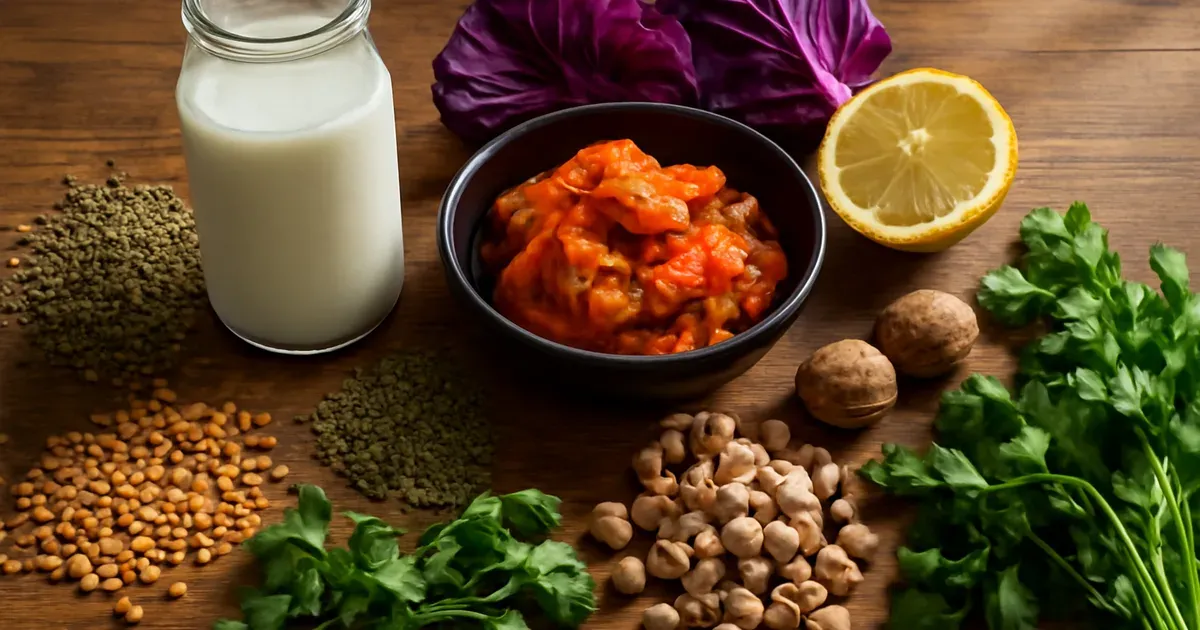
Dietary fibre and phytoestrogens. A high-fibre diet feeds beneficial gut bacteria and supports the estrobolome's ability to process estrogen efficiently. Foods rich in phytoestrogens — such as flaxseed, soy, and legumes — provide plant-based estrogen precursors that may ease hormonal fluctuations while also serving as prebiotic substrates for gut microbes.
Probiotic and fermented foods. Lactobacillus and Bifidobacterium strains are among the most studied for their role in estrogen metabolism and gut barrier integrity. Fermented foods such as kefir, sauerkraut, and kimchi introduce beneficial bacteria while also providing short-chain fatty acids that reduce intestinal inflammation.
Reducing gut disruptors. Antibiotics, ultra-processed foods, alcohol, and chronic psychological stress all degrade the gut microbiome and can worsen estrobolome function. Managing these inputs is a foundational step before more targeted interventions make their full impact.
Stress management and sleep hygiene. The gut-brain axis means that chronic stress measurably shifts microbial composition toward dysbiosis. Prioritising restorative sleep — already compromised by hot flashes in many menopausal women — also supports both cortisol regulation and gut barrier health.
Working with a knowledgeable practitioner. Comprehensive hormone panels, stool microbiome testing, and markers of intestinal permeability can together map the full terrain. Treatments, whether dietary, lifestyle, or clinical, can then be tailored rather than guessed at.
The Bottom Line
Gut health and menopause are not parallel stories — they are the same story, told from two different angles. The estrobolome links them biochemically. Shared symptoms link them clinically. And the experience of millions of women who cycle through treatments without lasting relief links them in human terms.
A truly effective approach to menopausal wellbeing must account for gut function. Whether the entry point is hormonal testing, microbiome assessment, or dietary change, the goal is the same: restore the internal environment in which estrogen is produced, metabolised, and balanced without unnecessary interference.
Women who have spent years managing symptoms in isolation often find that addressing gut health unlocks progress they had stopped expecting. The gut is not a footnote to the menopause conversation — it may well be the headline.
Frequently Asked Questions
Can an unhealthy gut make menopause symptoms worse?
Yes — significantly. A disrupted gut microbiome impairs the estrobolome, the collection of microbial genes responsible for metabolising estrogen. When the estrobolome is imbalanced, estrogen may be deconjugated and reabsorbed rather than excreted, returning to the bloodstream in a more reactive form and amplifying hormonal instability.
What is the estrobolome and why does it matter during menopause?
The estrobolome is the portion of the gut microbiome's genetic material that specifically regulates estrogen metabolism. During menopause, when estrogen levels are already declining, an inefficient estrobolome can either worsen the deficiency or create erratic recirculation of active estrogen — both of which drive symptoms.
Do gut symptoms like bloating and constipation during menopause come from the gut or from hormones?
They can come from either — or both. Estrogen directly affects intestinal motility, so hormonal decline can slow or disrupt bowel movements. Simultaneously, gut dysbiosis independently causes bloating, constipation, and diarrhoea. Because the symptoms overlap, identifying the root cause requires testing rather than assumption.
Which probiotics are most helpful for supporting gut health during menopause?
Lactobacillus and Bifidobacterium strains have the strongest evidence for supporting both gut barrier integrity and estrogen metabolism. Lactobacillus plantarum in particular has been shown to increase estradiol levels. That said, individual microbiome composition varies considerably, and personalised guidance from a practitioner is advisable.
Is it possible to have low-estrogen symptoms even if hormone tests look normal?
Yes. If the estrobolome is overactive — producing excess beta-glucuronidase — deconjugated estrogens may be recirculating in a more reactive form rather than being excreted. Conversely, poor gut absorption of nutrients needed for hormone synthesis can suppress estrogen production even when the ovaries are functioning adequately. Hormone testing alone does not capture the full picture.