Gut Health Explained: Your Biggest Questions Answered
Lund University researchers share the latest science on gut health, covering how gut bacteria affect mood, immunity, and mental health — plus what diet changes


Gut Health Explained: Your Biggest Questions Answered
Gut health is everywhere — on social media, in supplement aisles, and now firmly in mainstream science. Yet the flood of information makes it genuinely hard to know what is real and what is noise. Researchers at Lund University in Sweden have been studying the gut microbiota for years, and their latest findings are both surprising and actionable. This guide cuts through the confusion and answers the questions people are actually searching for.
Jump to a question:
- What exactly is the gut microbiota and why does gut health matter?
- Can gut health affect your mood and mental wellbeing?
- How quickly can diet change your gut microbiota?
- Is a healthy gut microbiota the same for everyone?
- Are probiotics and supplements actually worth taking?
- What is the link between gut health and mental health conditions like ADHD and depression?
- Can the same food have different health effects on different people?
- What are the best foods for gut health?

What exactly is the gut microbiota and why does gut health matter?
The gut microbiota is the vast community of bacteria, fungi, and other microorganisms living in your digestive tract, weighing close to two kilograms in a typical adult. For decades, these microbes were thought to exist mainly to help digest food. Research now shows they do far more than that.
Gut bacteria act as a kind of communication centre for the entire body. When they break down food, they produce satiety hormones and other signalling molecules that travel via the nervous system and bloodstream to organs throughout the body. They can also interact directly with white blood cells and the lymphatic system.
Around 80 per cent of the immune system is located in and around the gut, which helps explain why gut health has such wide-ranging effects. Abnormal bacterial compositions have been identified in people with Alzheimer's disease and type 2 diabetes, and research is ongoing to establish whether diet can prevent or reduce symptoms.
Can gut health affect your mood and mental wellbeing?
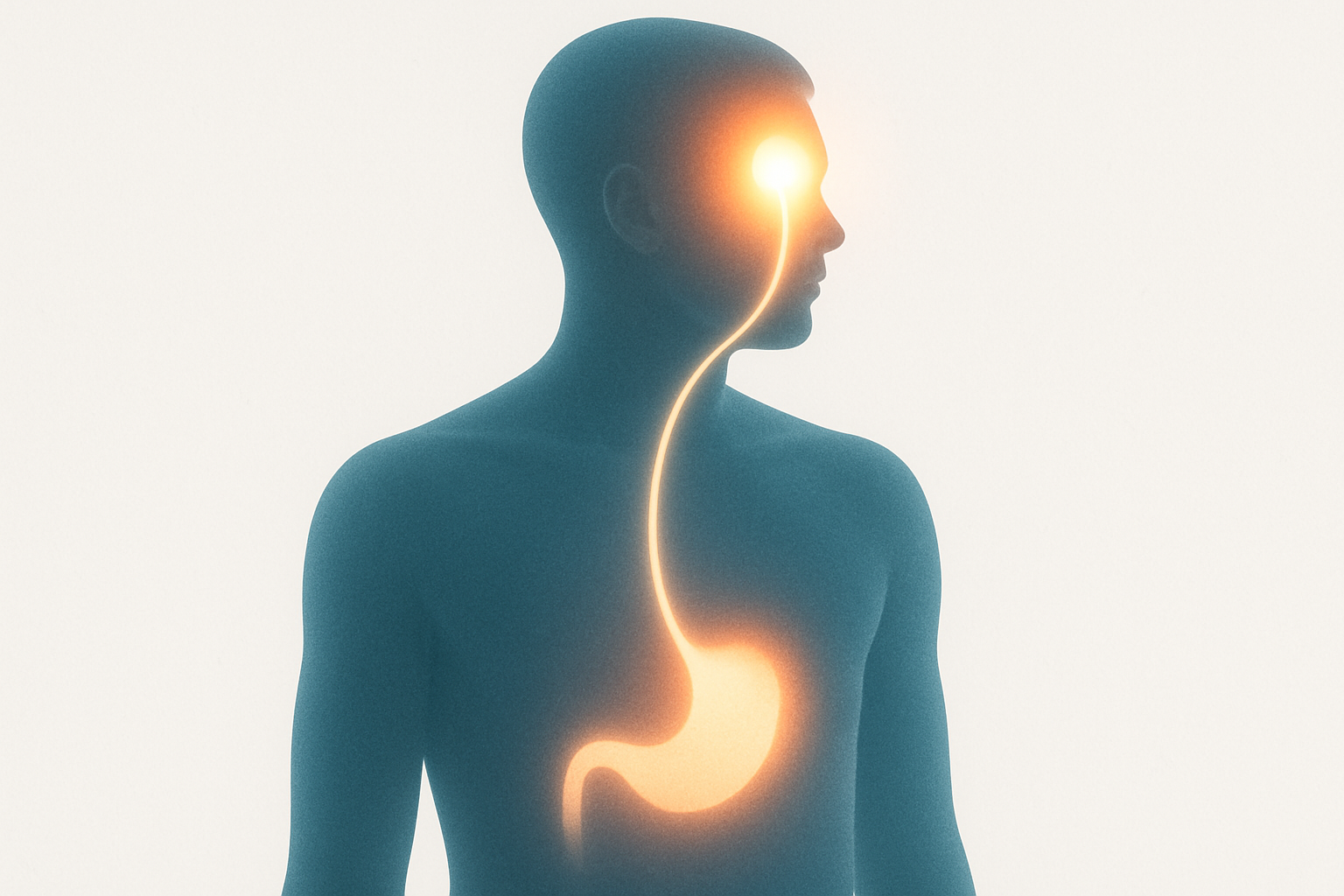
Yes — gut health has a direct and measurable influence on mood, largely because approximately 90 per cent of the body's serotonin is produced in the gut. Serotonin is the hormone that regulates mood, sleep, and appetite, making the gut-brain connection far more than a metaphor.
This bidirectional relationship is known as the gut-brain axis. Stress and a sedentary lifestyle can impair gut microbiota diversity, while regular exercise and good mental wellbeing can improve it. The relationship runs in both directions simultaneously.
Researchers are currently investigating how diet influences serotonin levels via gut bacteria, and whether targeted dietary changes could be used to support mood. More recent studies have also revealed that gut flora influences immune responses in the lungs, suggesting the gut communicates with organs well beyond the brain.
How quickly can diet change your gut microbiota?
Gut microbiota can respond to dietary changes within hours — but those changes may reverse just as quickly if the new dietary habit is not maintained. This is one of the most striking and practically useful discoveries in recent gut health research.
In a study from Lund University, participants replaced white bread with rye bread for just one evening meal. By the following morning, their gut microbiota already showed measurable improvements:
- Higher levels of Faecalibacterium prausnitzii, a bacterium with well-documented anti-inflammatory effects
- Increased Prevotella, a bacterium associated with better blood sugar regulation
The catch is that if participants returned to eating white bread, their microbiota reverted toward its previous state. Consistency matters more than intensity. Small, sustained dietary changes — like choosing rye over white bread daily — appear to be the most effective strategy for lasting gut health improvement.
Is a healthy gut microbiota the same for everyone?
No — while healthy individuals share the same broad groups of gut bacteria, the specific species present vary significantly from person to person. This individual variation is partly genetic and partly shaped by early life experiences.
The first major transfer of microorganisms to an infant occurs at birth, when the newborn is colonised by the mother's intestinal and vaginal flora, as well as microbes in the surrounding environment. Genetics then determines which strains thrive, creating a unique microbial fingerprint that remains relatively stable through adulthood.
That said, gut microbiota does evolve. Diet and lifestyle influence its composition throughout life, and it changes again as we age alongside shifts in the immune system. What healthy gut microbiota looks like broadly is this: high diversity. When diversity falls sharply — a state called dysbiosis — there are fewer beneficial bacteria to keep harmful strains in check.
Prebiotics vs Probiotics vs Fermented Foods: What's the Difference?
| Prebiotics | Probiotics | Fermented Foods | |
|---|---|---|---|
| What they are | Dietary fibres that feed gut bacteria | Live beneficial microorganisms | Foods containing live cultures from fermentation |
| Examples | Onions, garlic, oats, rye bread | Lactobacillus, Bifidobacterium supplements | Yoghurt, kefir, kimchi, sauerkraut |
| How they work | Nourish existing gut bacteria | Add new bacteria to the gut | Deliver live cultures alongside nutrients |
| Scientific backing | Strong for fibre-rich whole foods | Varies significantly by strain and product | Growing body of evidence |

Are probiotics and supplements actually worth taking?
Probiotics can be beneficial, but their value depends entirely on which specific strains a product contains and whether those strains are backed by scientific evidence. The market is vast and highly variable in quality.
Most probiotic supplements contain species and strains of lactobacilli and bifidobacteria. These can be taken as capsules or powders, or consumed via fermented foods such as yoghurt, kefir, or fermented vegetables. According to Åsa Håkansson of Lund University, even a healthy person can benefit from nurturing their gut microbiota — but only if they choose products with a genuine scientific foundation.
Practical guidance when choosing a probiotic:
- Look for specific strain names, not just genus (e.g., Lactobacillus rhamnosus GG, not just "Lactobacillus")
- Check for clinical studies on that specific strain for your intended health goal
- Be sceptical of broad health claims without referenced research
- Consider fermented whole foods as a well-evidenced, lower-cost alternative
No supplement replaces the foundation of a diverse, fibre-rich diet.
What is the link between gut health and mental health conditions like ADHD and depression?
People diagnosed with ADHD, schizophrenia, and depression have been found to have distinctly different gut microbiota compared to those without these conditions, though causality has not yet been established. The direction of the relationship — whether poor gut health contributes to these conditions or the conditions alter the gut — remains an active area of research.
Animal studies have produced intriguing results. Mice genetically predisposed to autism-like behaviour showed reduced anxiety, improved social skills, and fewer repetitive behaviours when their gut microbiota was enhanced with lactobacilli and bifidobacteria. Human trials are now underway, though the human gut microbiome is significantly more complex than that of mice.
Several clinical trials are also investigating whether dietary interventions and gut microbiota changes can help alleviate depression — particularly through the gut-serotonin-brain pathway. Results are pending, but the hypothesis is biologically well-grounded given that the gut produces the majority of the body's serotonin.
Can the same food have different health effects on different people?
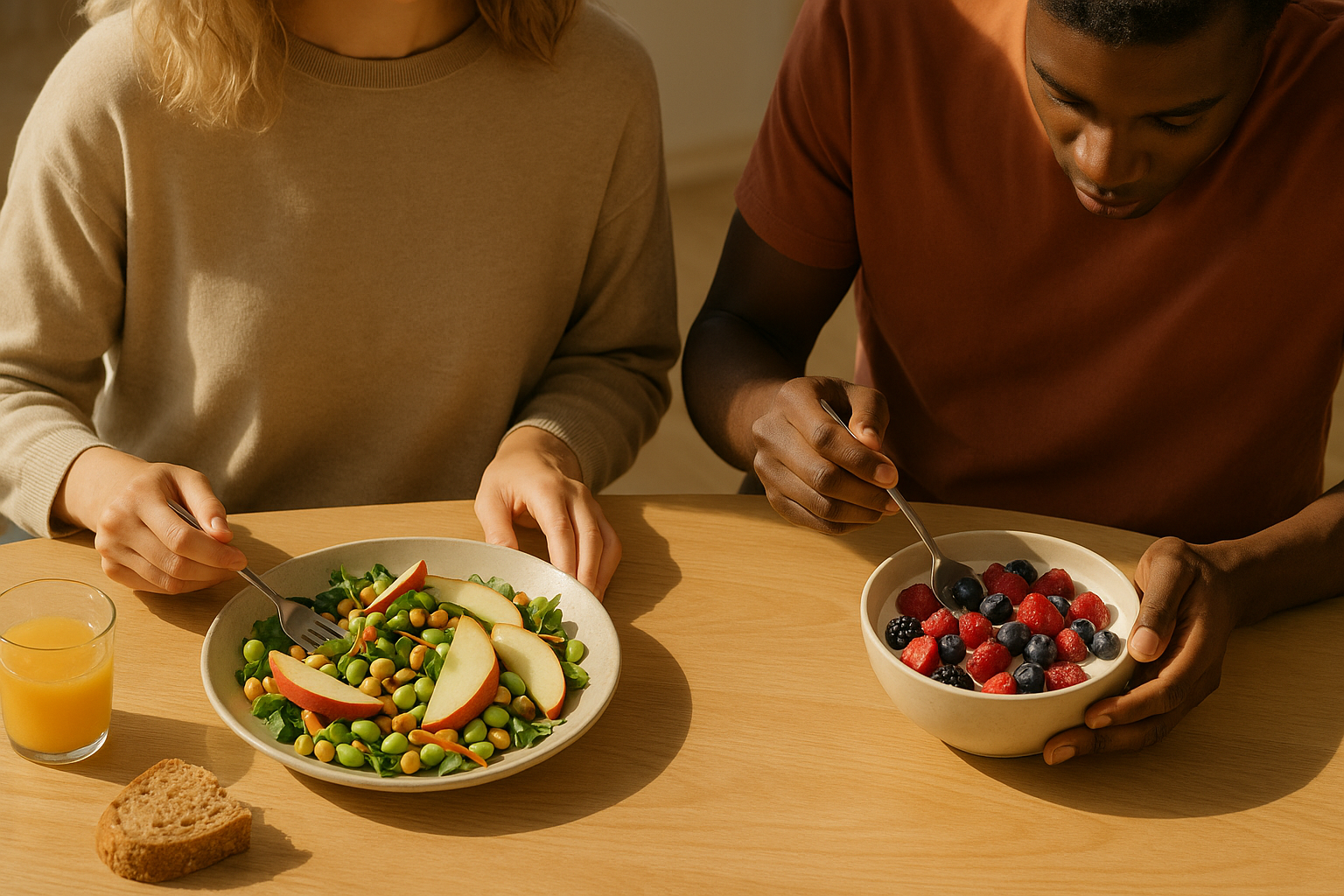
Yes — emerging research shows that the same food can produce meaningfully different health outcomes depending on an individual's gut microbiota composition. An apple, for example, may be significantly more beneficial for one person than for their neighbour, purely based on which bacteria they each carry.
The mechanism is straightforward: certain bacterial species are particularly efficient at breaking down specific types of carbohydrates, fibre, or plant compounds. If you carry those bacteria in abundance, you extract more of the nutritional and metabolic benefit from that food. If you lack them, you absorb less.
This has major implications for the future of nutrition. Personalised dietary advice — tailored to an individual's gut microbiota profile — could one day help people maximise the health benefits of what they eat. Researchers at Lund University acknowledge this is a compelling direction, though the science is not yet mature enough for clinical application.
What are the best foods for gut health?
The foods most consistently shown to benefit gut health are those high in diverse plant fibres, polyphenols, and fermentable carbohydrates — including rye bread, berries, legumes, and fermented vegetables. These foods feed beneficial bacteria and encourage microbial diversity.
Researchers at Lund University have specifically studied blueberries, lingonberries, and rye bread, finding measurable positive effects on gut microbiota composition. Key dietary patterns linked to good gut health include:
- High-fibre whole grains (rye, oats, barley) — feed Prevotella and anti-inflammatory species
- Colourful berries — rich in polyphenols that act as prebiotics
- Legumes (lentils, chickpeas, beans) — provide fermentable fibre
- Fermented foods (yoghurt, kefir, kimchi, sauerkraut) — deliver live cultures
- Variety of vegetables and fruits — diversity in plant foods drives microbial diversity
Conversely, ultra-processed foods, excess sugar, and a sedentary lifestyle are consistently associated with reduced gut microbiota diversity and increased inflammation.
The Bottom Line
- Gut health affects far more than digestion — it shapes immunity, mood, blood sugar regulation, and potentially mental health conditions.
- Diet changes gut microbiota fast — even one meal swap (white bread to rye) can show measurable effects by the next morning.
- Diversity is the hallmark of a healthy gut — eating a wide variety of plant-based whole foods is the most evidence-backed strategy.
- Probiotics can help, but choose carefully — only products backed by strain-specific research are worth your money.
- Individual responses to food vary — your gut bacteria influence how much nutritional benefit you get from any given food, and personalised nutrition is a real future possibility.
Sources: Åsa Håkansson and Frida Fåk Hållenius, Lund University. Research published through the Department of Food Technology, Engineering and Nutrition.