Gut Health & Menopause: What You Need to Know
Discover how menopause affects gut microbiome diversity and learn evidence-based strategies to support gut health through the menopausal transition.


If you've noticed your digestion feeling "off" as you approach menopause, you're not imagining it. The connection between gut health and menopause is real, increasingly well-researched, and more important to your overall wellbeing than most people realise. From bloating and fatigue to mood shifts and cardiovascular risk, what's happening in your gut during this life stage may be shaping far more than just your digestion.
Gut health refers to the balance of microorganisms — bacteria, fungi, and other microbes — living in your gastrointestinal tract. A thriving, diverse gut microbiome is linked to a strong immune system, healthy metabolism, and efficient digestion. Poor gut health, on the other hand, has been associated with allergies, fatigue, skin issues, and food intolerances. But here's where it gets especially relevant for women in midlife: your hormones and your gut bacteria are in constant conversation with each other.

How Menopause Affects Your Gut Microbiome
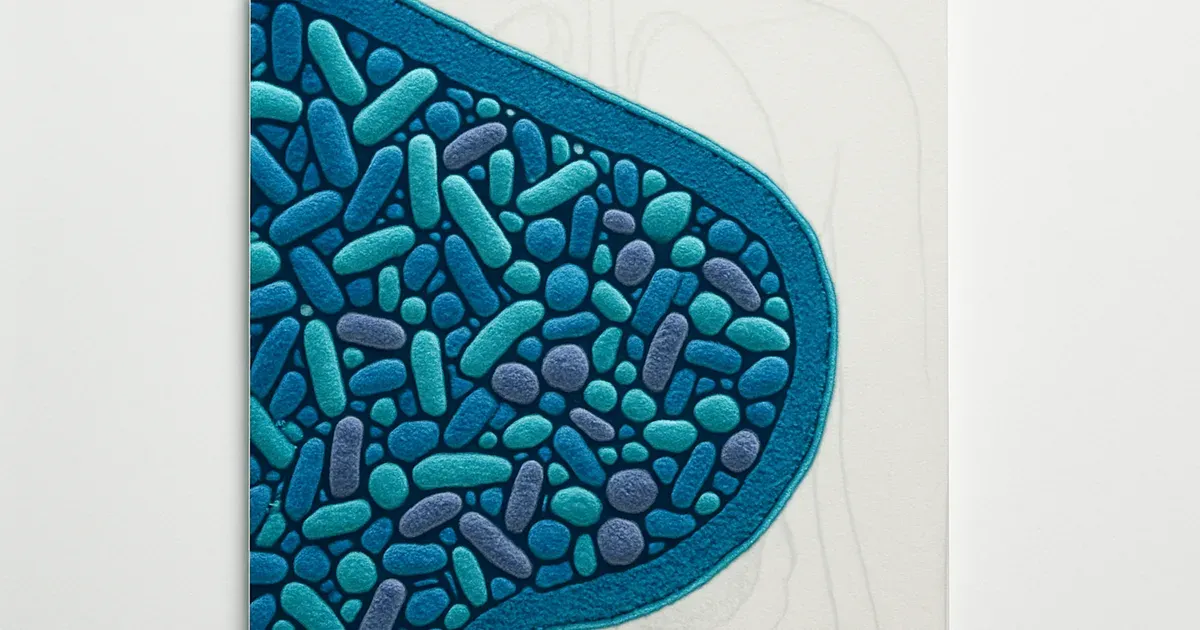
Sex hormones like estrogen and progesterone don't just regulate your reproductive system — they also influence the composition of your gut bacteria. Research has confirmed this relationship works both ways: your hormones affect your microbiome, and your microbiome affects your hormones. As estrogen levels decline during perimenopause and menopause, the diversity of your gut microbiome may decline along with them.
Why does diversity matter so much? The human microbiome contains thousands of species of bacteria, each playing distinct roles throughout the body. Scientists broadly agree that a more diverse microbiome is a healthier one — associated with lower inflammation and reduced risk of chronic disease. When diversity drops, the body becomes more vulnerable.
A landmark 2021 study tracking the gut flora of 9,000 people found that those with lower bacterial diversity showed signs of accelerated aging — including cognitive decline, loss of strength and mobility, and poorer cardiovascular health. For menopausal women, whose estrogen levels are already falling, this intersection of hormonal and microbial change can compound health risks including poor heart health, low mood, obesity, and type 2 diabetes.
The encouraging news? This is not an inevitable fate. Gut health is modifiable at every stage of life, including during and after menopause.
Gut Health, Hormones, and Digestive Symptoms
Many women navigating menopause experience digestive complaints they don't immediately connect to their hormones. Bloating, constipation, and diarrhea are all commonly reported during the menopausal transition — and declining estrogen is frequently a contributing factor. When gut health is already compromised, these symptoms can become more frequent and more severe.
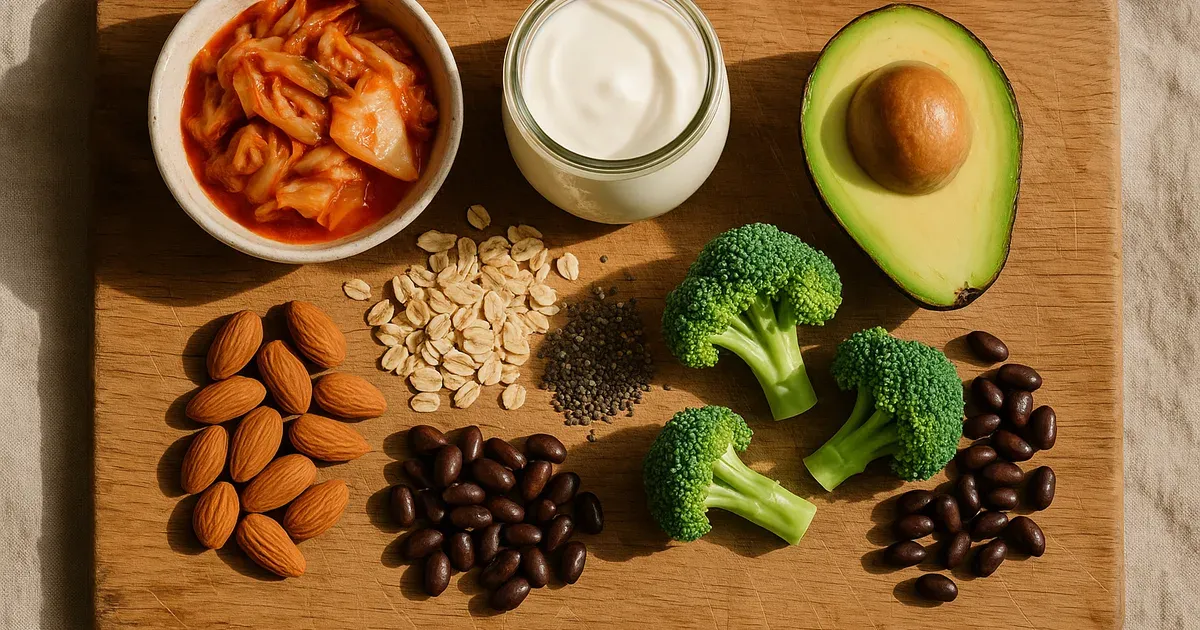
One of the most effective dietary levers you can pull is increasing your fiber intake. Experts recommend that women aged 51 and older consume at least 22 grams of fiber per day, while women under 50 should aim for 25–28 grams daily. Fiber supports smoother digestion and is associated with reduced risk of heart disease, stroke, diabetes, and certain cancers.
High-fiber foods to prioritise include:
- Fresh fruits and vegetables such as peas, broccoli, carrots, oranges, bananas, and strawberries
- Nuts and seeds including almonds, pistachios, and chia seeds
- Oats and whole grains
- Whole-grain breads and cereals
- Potatoes with their skin on
- Beans and lentils
- Whole wheat pasta and rice
Beyond fiber, fermented foods like yogurt and kimchi can help support gut biodiversity by introducing beneficial bacteria directly into your digestive system. Garlic acts as a prebiotic, feeding the good bacteria already present. Collagen-boosting foods such as bone broth may also help maintain the integrity of the gut lining — an often-overlooked aspect of gut health.
The Stress–Gut Connection During Menopause
Midlife is rarely a low-stress period. Career pressures, family responsibilities, and the physical and emotional weight of hormonal change can all pile up simultaneously. What many women don't realise is that chronic stress directly alters the bacterial composition of the gut — compounding the microbial disruption already caused by shifting hormones.
Stress triggers the release of cortisol, which can negatively affect gut bacteria balance and gut permeability. Managing stress is therefore not just good for your mental health — it's a concrete strategy for protecting your microbiome during menopause.
Research points to several activities that help regulate the nervous system and lower cortisol levels:
- Meditation — even short, daily sessions can measurably reduce physiological stress markers
- Walking and gentle exercise — movement supports both mood and microbial diversity
- Hot baths — warmth activates the parasympathetic nervous system, promoting calm
- Low-stimulation activities such as gardening and reading
- Breathwork — slow, deliberate breathing patterns signal safety to the nervous system
Building at least one of these practices into your daily routine creates a meaningful buffer against the gut-disrupting effects of chronic stress — and the benefits extend well beyond your microbiome.

Hydration and Gut Health During Menopause
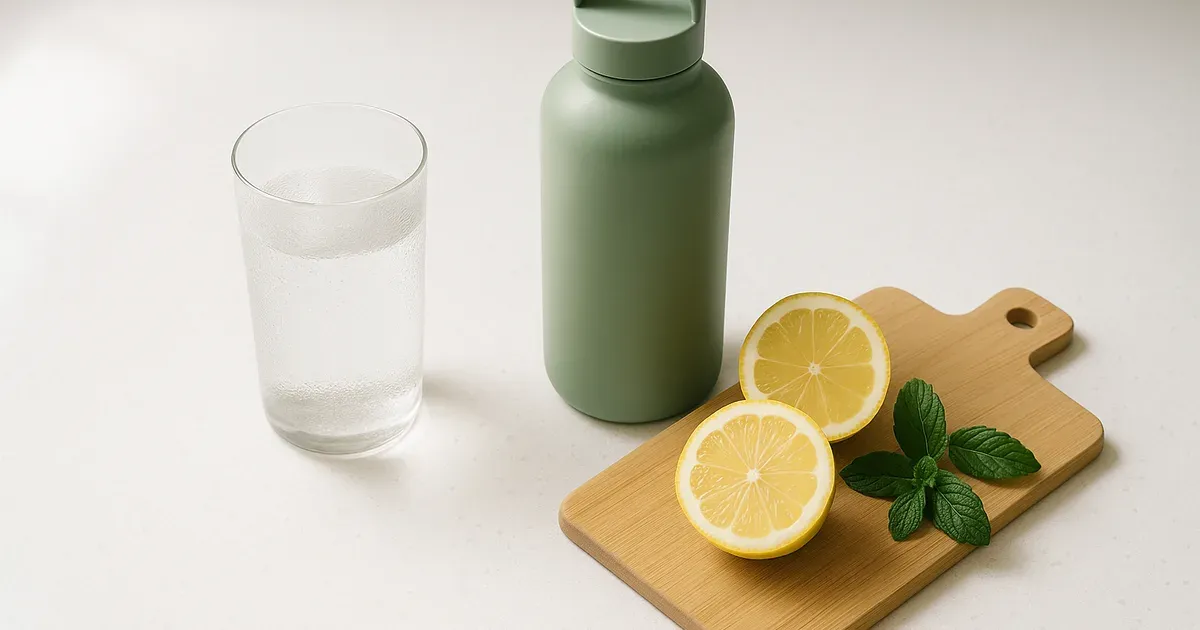
Staying well-hydrated is one of the simplest, most underrated tools for gut health — and menopause makes it harder to stay on top of. Adequate hydration supports digestion by helping the body break down food efficiently and absorb nutrients properly. It also helps the body remove waste and keeps the mucosal lining of the intestines functioning as it should.
General guidelines recommend that adult women drink at least 11.5 cups (approximately 2.7 litres) of fluid per day. However, menopause-specific symptoms like hot flashes and night sweats can significantly increase fluid loss, meaning your personal needs may be higher than the standard recommendation.
Practical hydration tips for menopausal women:
- Start each morning with a large glass of water before coffee or tea
- Keep a water bottle visible throughout the day as a visual reminder
- Factor in increased fluid needs on hot days or after exercise
- Herbal teas and broths count toward your daily fluid intake
- Monitor the colour of your urine — pale yellow is the goal
Dehydration, even mild dehydration, can worsen constipation and bloating — two complaints already common during the menopausal transition. Treating hydration as a non-negotiable daily habit supports your gut and every other system in your body.
What the Emerging Science Tells Us
Research into gut health and menopause is still evolving, but the direction of the evidence is clear. The gut microbiome does not exist in isolation — it interacts with your hormones, your immune system, your brain, and your metabolism. Menopause disrupts one major variable in this ecosystem (estrogen), and the downstream effects ripple through all the others.
Scientists are increasingly interested in whether supporting the gut microbiome — through diet, lifestyle, and potentially targeted probiotics — could help mitigate specific menopause symptoms. While it's too early for definitive clinical recommendations tailored purely to menopause-related gut changes, the foundational evidence for prioritising microbiome diversity is robust and growing.
What is already clear is this: the habits that support a healthy gut — a fiber-rich diet, stress management, adequate hydration, fermented foods, and regular movement — overlap almost entirely with the habits that support better menopause outcomes across the board.
The Bottom Line
Gut health and menopause are more tightly linked than most women are told. Declining estrogen during the menopausal transition doesn't just affect your reproductive system — it can reshape the bacterial landscape of your gut, with potential consequences for your heart, brain, metabolism, and mood.
The good news is that your microbiome is remarkably responsive to lifestyle choices, regardless of your hormonal status. Prioritising fiber, managing stress, staying hydrated, and incorporating fermented foods are practical, evidence-informed steps that can meaningfully support your gut health during menopause — and pay dividends across every dimension of your health and longevity.
The science is still unfolding, but what it's already telling us is worth acting on now.