Gut Microbe Builds Muscle Strength in Mice and Humans
A gut microbe boosted muscle strength in mice and correlated with stronger grip in humans, per new research reported by Futurism.

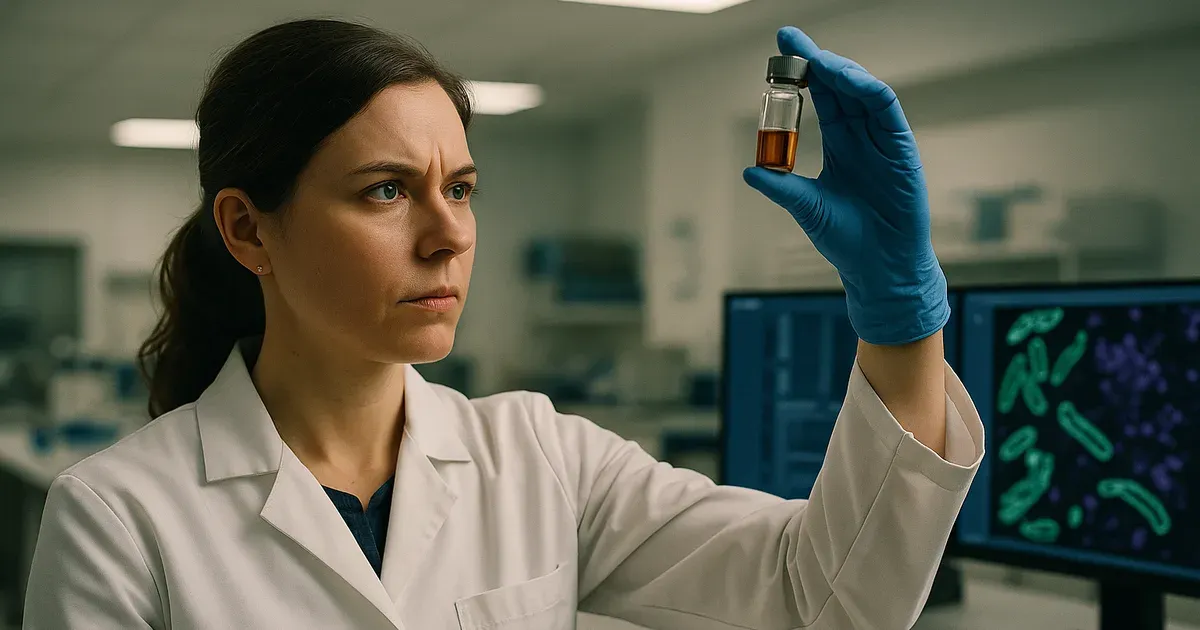
A specific gut microbe has been found to significantly boost muscle strength, according to researchers whose findings were reported by Futurism on March 29, 2026. Humans carrying the microbe showed stronger grip strength, while mice fed the microbe developed notably stronger forearms. The discovery raises the possibility that gut bacteria could one day play a role in strategies to improve physical strength in people.
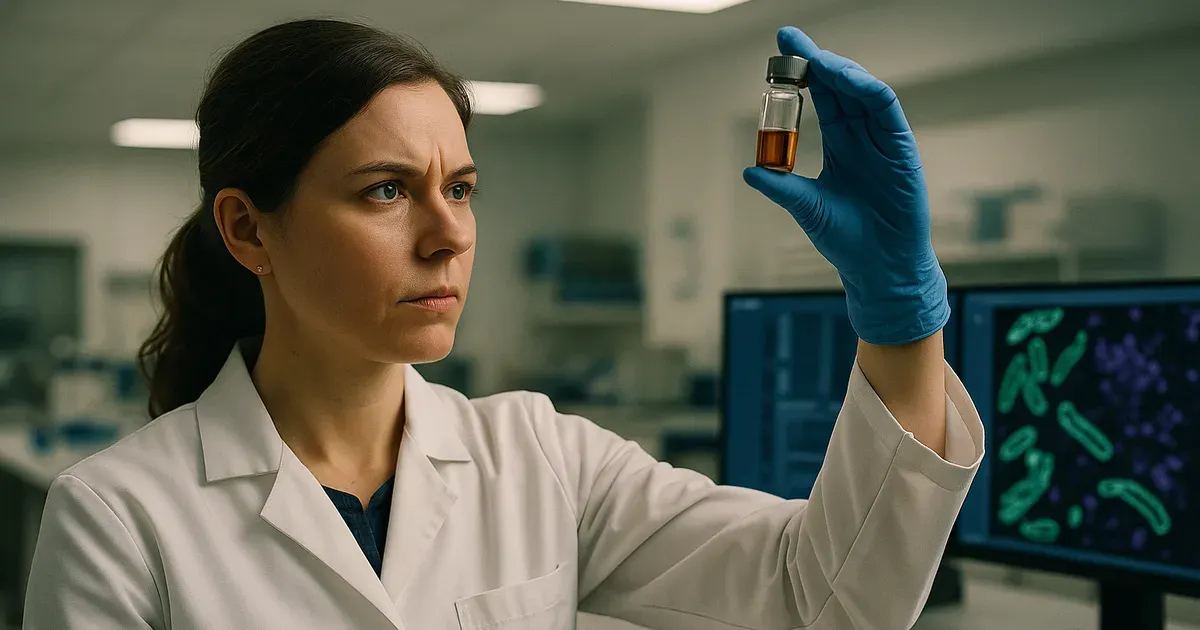
Why This Matters
The gut microbiome has long been studied for its role in digestion, immunity, and even mental health, but its potential influence on physical muscle development is a newer frontier. Because the microbe identified in this research is also found in humans — not just laboratory animals — scientists say the findings carry real translational potential. Per Futurism, the connection between a single microbial species and measurable strength outcomes marks a notable step forward in understanding how the gut shapes the body beyond the digestive system.
Microbe Linked to Stronger Grip and Forearm Development
In the study, mice that were fed the gut microbe developed stronger forearms compared to those that were not, the research found. In humans, the presence of this same microbe was associated with greater grip strength — a widely used clinical marker of overall muscular fitness and longevity. According to researchers, these parallel findings across species strengthen the case that the microbe is playing an active role in muscle physiology rather than being a coincidental presence in stronger individuals.
What This Means for Gut and Muscle Health Research
For researchers and health professionals tracking the gut-muscle axis, these findings add a concrete microbial candidate worth investigating further. Clinical applications remain speculative at this stage, but scientists report the results open a pathway toward probiotic or microbiome-based interventions targeting muscle health. The study's cross-species consistency suggests future human trials could be warranted to test whether introducing or increasing this microbe has a measurable effect on strength outcomes.
The core takeaway, per Futurism, is that a single gut microbe appears capable of influencing skeletal muscle strength in both mice and humans — a finding that could reshape how scientists think about the relationship between the microbiome and physical performance.