Gut Microbiome & Immune System: FAQs Answered
Discover how the gut microbiome shapes your immune system, brain health, and disease risk — with clear answers to your biggest questions.

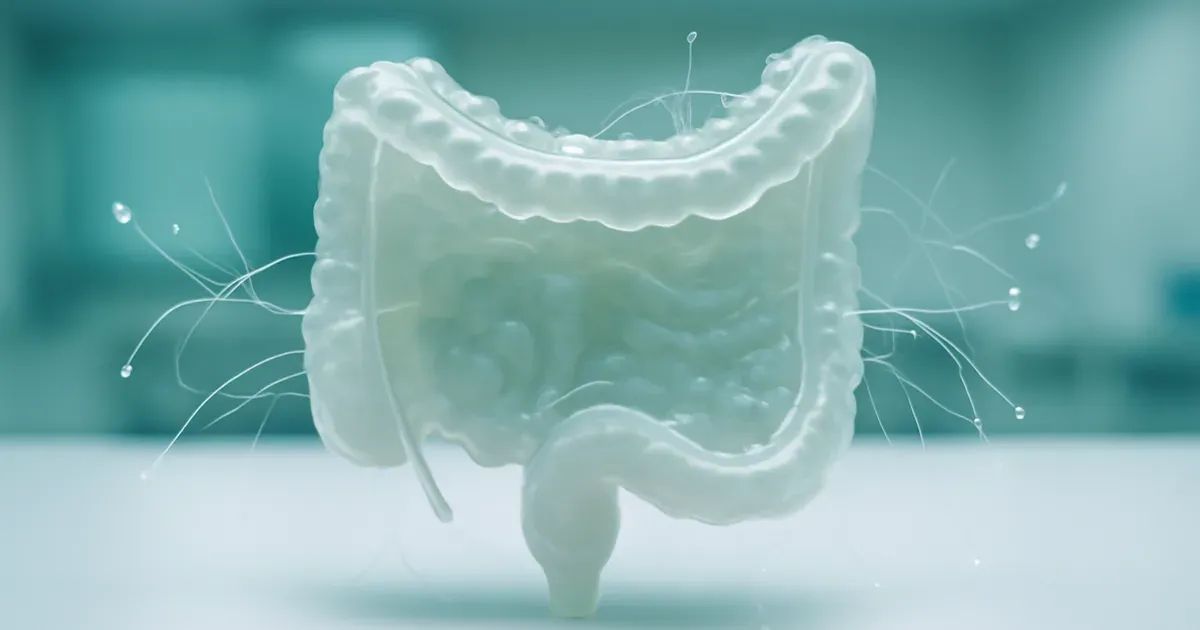
The relationship between your gut microbiome and your immune system is one of the most talked-about — and most misunderstood — topics in modern health science. You may have heard that "gut health affects everything," but what does that actually mean? Whether you're wondering how bacteria in your intestines shape your body's defences, or why early-life gut health matters so much, this guide cuts through the noise with clear, evidence-based answers.
Jump to Your Question
What exactly is the gut microbiome?
How does the gut microbiome interact with the immune system?
When does gut microbiome development begin?
Does birth method affect your gut health and immunity?
How do antibiotics and formula feeding affect the gut microbiome?
What diseases are linked to gut microbiome imbalance?
What is the gut-brain connection and why does it matter?
Vaginal delivery vs. cesarean section: what's the gut microbiome difference?
What exactly is the gut microbiome?
The gut microbiome is the vast community of microorganisms — bacteria, viruses, and fungi — that live inside your gastrointestinal tract. It is considered one of the most densely populated microbial habitats on Earth, housing over 100 trillion microorganisms.
These microbes are not passive passengers. They collectively encode over 3 million genes, compared to the roughly 23,000 genes in the human genome. This enormous genetic capacity allows the gut microbiome to produce thousands of metabolites that are essential for digestion, nutrient absorption, and immune regulation.
The gut microbiome exists in a state of symbiosis with its human host — meaning both sides benefit from the relationship. When this balance is disturbed, a condition called dysbiosis occurs, which is increasingly linked to a wide range of health problems. Modern techniques like 16S rRNA gene sequencing have transformed scientists' ability to identify and study individual microbial species with precision.
How does the gut microbiome interact with the immune system?
The gut microbiome plays a direct and critical role in training, developing, and regulating the human immune system. Immune cells lining the gut are in constant communication with the microbes living there, and this dialogue shapes how the immune system responds to threats.
Key mechanisms include:
- T-helper (Th) cell regulation: Certain gut bacteria, including members of the Bacteroidetes phylum, influence the balance between different types of Th cells — particularly Th1 and Th2 cells — which govern inflammatory and anti-inflammatory responses.
- Cytokine production: Bacteria such as Bacteroides fragilis interact with the immune system to stimulate the production of interleukin-10 (IL-10), an anti-inflammatory cytokine that promotes immune tolerance.
- Metabolite signalling: Microbial metabolites act as chemical messengers that regulate immune cell behaviour throughout the body, not just in the gut.
Disruptions to this communication — caused by poor diet, antibiotic use, or stress — can trigger immune dysregulation, contributing to conditions ranging from inflammatory bowel disease (IBD) to autoimmune disorders.

When does gut microbiome development begin?
Gut microbiome development begins before birth. Research suggests that initial microbial exposure occurs in utero, meaning the process starts during pregnancy — not after delivery as was previously assumed.
This early colonisation then expands dramatically at birth, when the newborn is exposed to a rush of environmental and maternal microbes. The gut microbiome continues to develop rapidly throughout infancy, showing high variability until approximately age 3, after which it begins to resemble an adult microbiome in composition and stability.
This period of early development is critically important because it coincides with the maturation of the immune system. A well-structured early microbiome helps calibrate immune responses; a disrupted one can leave the immune system poorly regulated. Conditions like necrotizing enterocolitis in premature infants illustrate the consequences of an immature, unbalanced early gut environment.
Does birth method affect your gut health and immunity?
Yes — the way a baby is born has a measurable and lasting impact on the gut microbiome and immune development. During vaginal delivery, newborns are exposed to the mother's vaginal, fecal, and skin microbiota, providing a diverse microbial "seed" for the gut.
Babies born by cesarean section miss this exposure entirely. Instead, they tend to be colonised by skin bacteria such as Staphylococcus, Corynebacterium, and Propionibacterium species. They also show:
- Delayed colonisation by beneficial Bacteroides and Bifidobacterium species
- Higher levels of Clostridioides difficile (C. difficile)
- Significantly lower Th1 cell-associated immune responses in the first two years of life
Remarkably, these differences in microbiome composition have been detected up to 7 years after birth, suggesting the initial microbial colonisation event has long-lasting consequences. These immune differences may partly explain why cesarean-born infants show higher rates of allergic conditions and type 1 diabetes later in life.
Vaginal delivery vs. cesarean section: what's the gut microbiome difference?
The two modes of birth result in meaningfully different microbiome profiles from day one. Here is a direct comparison of the key differences:
| Feature | Vaginal Delivery | Cesarean Section |
|---|---|---|
| Initial microbes | Vaginal, fecal, skin (maternal) | Skin bacteria primarily |
| Key bacteria present | Lactobacillus, Prevotella, Sneathia | Staphylococcus, Corynebacterium |
| Bacteroidetes abundance | Normal | Significantly lower |
| Bifidobacterium colonisation | On schedule | Delayed |
| C. difficile levels | Lower | Higher |
| Th1 immune response | Normal range | Reduced for up to 2 years |
| Duration of difference | — | Detectable up to 7 years |
It is important to note that cesarean sections are medically necessary in many situations and these findings are not intended to discourage their use. Rather, they highlight the value of understanding early microbiome exposure and exploring ways — such as microbiome-restorative strategies — to support gut health in cesarean-born children.

How do antibiotics and formula feeding affect the gut microbiome?
Both antibiotic exposure and formula feeding can significantly alter the developing gut microbiome, particularly in infants and young children. These are two of the most common early-life disruptions to microbial development.
Formula feeding is associated with:
- Increased prevalence of C. difficile, B. fragilis, and Escherichia coli
- Decreased levels of beneficial Bifidobacterium species
- Even small amounts of formula introduced alongside breastfeeding can alter microbiome structure
Antibiotic exposure — particularly antibiotics given during labour (intrapartum antibiotics) — has been shown to:
- Decrease bacterial diversity in the infant gut
- Reduce the abundance of Lactobacillus and Bifidobacterium species, both of which are associated with healthy immune development
These findings reinforce the importance of gut health decisions made in early life. While antibiotics are sometimes unavoidable and formula feeding is a valid choice, awareness of their microbiome effects allows parents and clinicians to consider supportive strategies such as probiotic supplementation where appropriate.
What diseases are linked to gut microbiome imbalance?
A disrupted gut microbiome — known as dysbiosis — has been associated with a striking range of diseases, both within the gut and throughout the body. The common thread in many of these conditions is immune dysregulation, which the gut microbiome is now known to influence profoundly.
Gastrointestinal diseases linked to dysbiosis include:
- Irritable bowel syndrome (IBS)
- Inflammatory bowel disease (IBD), including Crohn's disease and ulcerative colitis
- Celiac disease
- Colorectal cancer
Systemic and extra-intestinal diseases include:
- Metabolic disorders: obesity and type 2 diabetes
- Autoimmune conditions: rheumatoid arthritis, systemic lupus erythematosus (SLE), psoriasis
- Type 1 diabetes (T1D), particularly associated with early-life microbiome disruption
- Central nervous system diseases, including those connected to the gut-brain axis
This breadth of association has made the gut microbiome one of the most active areas of medical research globally, with scientists working to understand whether dysbiosis causes disease or results from it — and in many cases, the answer appears to be both.

What is the gut-brain connection and why does it matter?
The gut-brain axis is a bidirectional communication network linking the gut microbiome directly to the central nervous system. This connection operates through neural, hormonal, and immunological pathways — meaning your gut bacteria can influence how your brain functions, and vice versa.
Microbial metabolites produced in the gut can cross into systemic circulation and affect brain chemistry. The gut houses the enteric nervous system, sometimes called the "second brain," which contains as many neurons as the spinal cord and communicates constantly with the brain via the vagus nerve.
Why does this matter for everyday health? Emerging research links gut microbiome health to:
- Mood regulation and mental health conditions including anxiety and depression
- Neurological disorders such as Parkinson's disease
- Cognitive function and neuroinflammation
The gut microbiome and immune system together appear to act as a critical interface between the external environment and the brain. Maintaining a diverse, balanced gut microbiome through diet, stress management, and avoiding unnecessary antibiotic use may therefore support not just digestive health, but mental and neurological wellbeing too.
Bottom Line
- Your gut microbiome is vast and powerful: over 100 trillion microorganisms encode 3 million genes and produce thousands of immune-regulating metabolites.
- The gut-immune relationship is foundational: gut bacteria directly train and calibrate your immune system from before birth through early childhood and beyond.
- Early life matters enormously: birth method, feeding choices, and antibiotic exposure in infancy all shape the gut microbiome in ways that can influence immune health for years.
- Dysbiosis is widespread in disease: imbalances in gut microbiome composition are associated with IBD, autoimmune diseases, metabolic disorders, and neurological conditions.
- The gut-brain axis is real: your microbiome communicates directly with your brain, making gut health inseparable from mental and neurological health.