Gut Microbiota Dysbiosis: Causes & Treatments
Gut microbiota dysbiosis drives diseases from IBD to obesity. Discover its causes, disease links, and the best therapeutic strategies to restore balance.

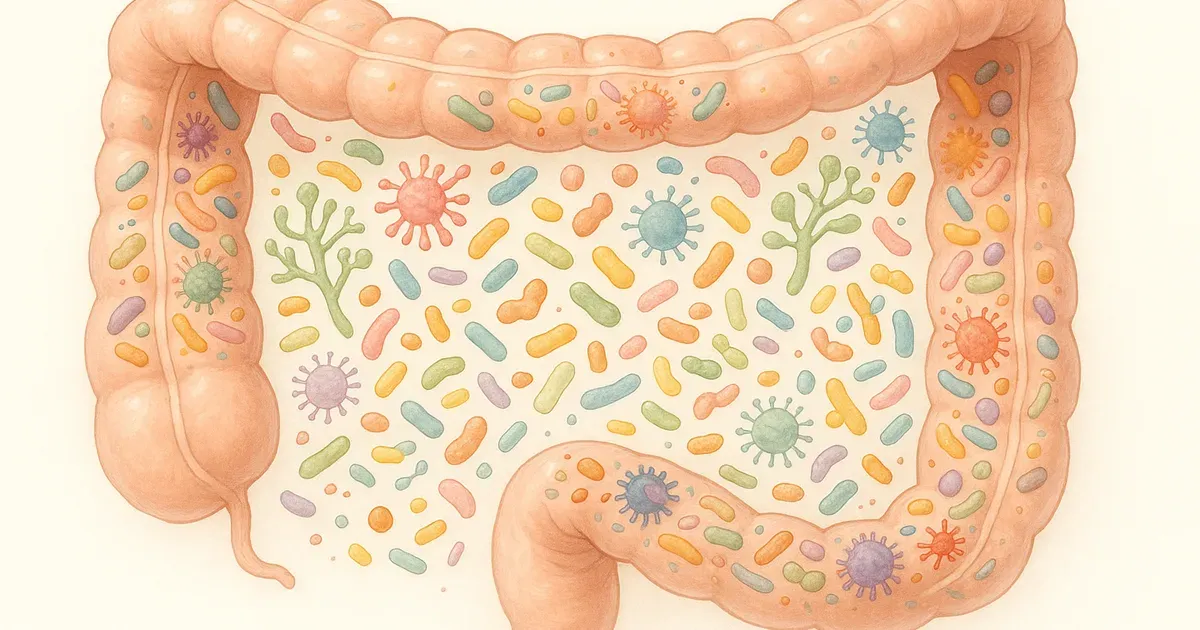
Your gut is home to trillions of microorganisms — bacteria, fungi, and viruses — that keep you alive and healthy. When this community falls out of balance, the consequences reach far beyond your digestive system. Gut microbiota dysbiosis is now linked to conditions ranging from irritable bowel syndrome to obesity, cardiovascular disease, and even asthma. Understanding what disrupts this balance — and how to restore it — could be one of the most important things you do for your long-term health.
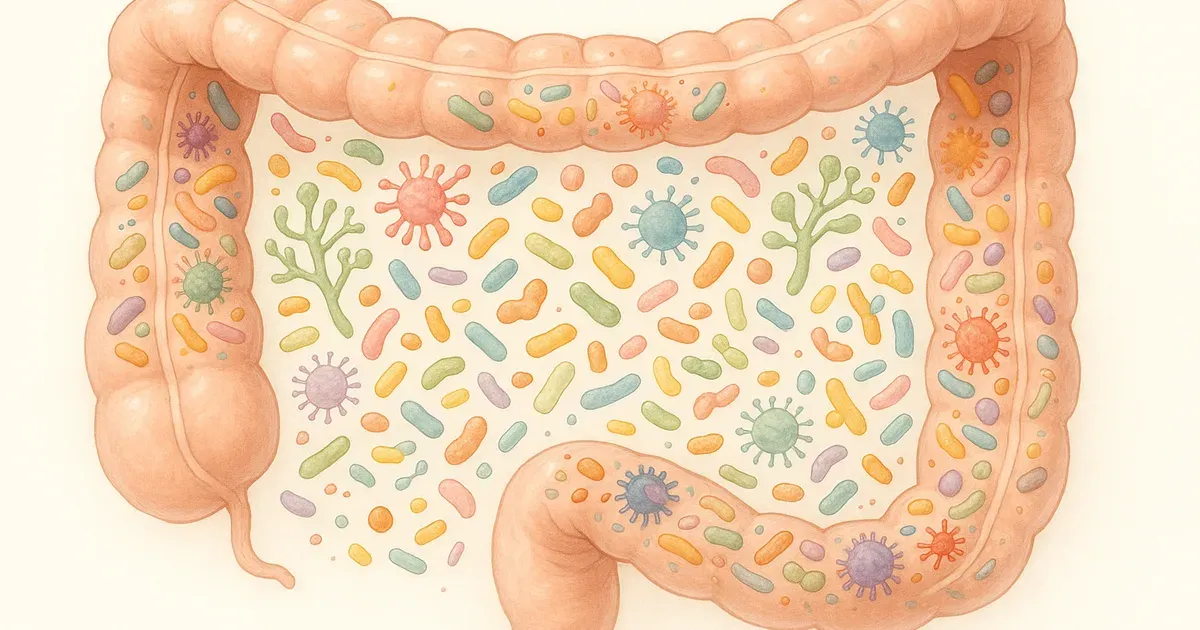
What Is Gut Microbiota Dysbiosis?
Dysbiosis describes a state in which the microbial ecosystem of the gut is no longer functioning in mutualistic harmony. Nobel laureate Eli Metchnikoff put it plainly: most diseases begin in the digestive tract when "good" bacteria can no longer control "bad" bacteria.
A healthy gut — called a state of eubiosis — maintains a dynamic equilibrium between hundreds of microbial species. In adults, the microbiota is dominated by two major phyla: Firmicutes and Bacteroidetes, which together account for roughly 70% of all gut microbes. Proteobacteria, Actinobacteria, Verrucomicrobia, Fusobacteria, and Cyanobacteria make up most of the remainder.
The gut microbiome's coding capacity is approximately 150 times greater than the entire human genome. This means your microbial community provides metabolic functions that human biology alone never evolved — making it, in effect, a functional organ.
How Gut Microbiota Forms — and What Disrupts It
Colonisation begins before birth. Contrary to the long-held belief that the womb is sterile, microbial species have now been detected in amniotic fluid, umbilical cord blood, and fetal membranes during apparently normal pregnancies. From birth onwards, the infant acquires microbes rapidly from the environment, food, and close contacts.
Several early-life factors have an outsized influence on the composition of the gut microbiota:
- Delivery mode: Vaginally delivered babies acquire microbiota directly from the mother's birth canal. Caesarean-section babies miss this exposure, resulting in a measurably different microbial profile.
- Feeding method: Breastfed infants develop a microbiota composition distinct from formula-fed infants, with breastfeeding generally associated with greater microbial diversity.
- Antibiotic exposure: Early antibiotic use disrupts developing microbial communities at a critical window of immune system education.
Gut microbiota stabilises at around three years of age. After this point, the composition remains relatively consistent throughout adult life, though measurable shifts occur in older age — particularly a shift toward greater dominance of Bacteroides and Clostridium genera, compared with the Firmicutes dominance seen in younger adults.
Diseases Linked to Gut Microbiota Dysbiosis
The list of conditions associated with dysbiosis continues to grow. Research has now connected imbalanced gut microbiota to both intestinal and extra-intestinal diseases, making this one of the most active areas in modern medicine.
Intestinal Conditions
- Inflammatory bowel disease (IBD): Crohn's disease and ulcerative colitis are strongly associated with disrupted microbial communities and altered mucosal immune responses.
- Irritable bowel syndrome (IBS): Dysbiotic patterns are consistently observed in IBS patients, though causality remains under investigation.
- Celiac disease: Altered gut microbiota composition has been documented in celiac patients, both before and after gluten exposure.
Extra-Intestinal Conditions
- Obesity and metabolic disorders: The gut microbiome regulates energy harvesting and storage. Dysbiosis can tip this balance toward excess fat accumulation and insulin resistance.
- Cardiovascular disease: Microbial metabolites — including trimethylamine N-oxide (TMAO) — produced by certain bacteria have been directly implicated in cardiovascular risk.
- Allergy and asthma: Early-life dysbiosis disrupts immune system education, potentially increasing susceptibility to hypersensitivity conditions.
The mucosa-associated microbiota — the microbial layer directly adjacent to the intestinal epithelium — plays a particularly critical role. Its proximity to the mucosal immune system means it can either maintain cellular homeostasis or trigger inflammatory cascades that drive systemic disease.

Therapeutic Strategies to Restore Gut Balance
Multiple approaches exist to counteract gut microbiota dysbiosis, ranging from well-established dietary interventions to cutting-edge experimental therapies. Each targets the microbial imbalance through a different mechanism.
Probiotics, Prebiotics, and Synbiotics
Probiotics are live microorganisms — typically Lactobacillus and Bifidobacterium species — that, when consumed in adequate amounts, confer a health benefit on the host. They work by competing with pathogenic bacteria, producing antimicrobial compounds, and modulating immune responses.
Prebiotics are non-digestible dietary fibres that selectively feed beneficial bacteria. Common examples include inulin, fructooligosaccharides (FOS), and galactooligosaccharides (GOS). By nourishing the right microbial populations, prebiotics help shift the community toward a more eubiotic state.
Synbiotics combine probiotics and prebiotics in a single formulation. The logic is straightforward: deliver beneficial bacteria alongside the fuel they need to survive and thrive in the gut environment.
Fecal Microbiota Transplantation (FMT)
Fecal microbiota transplantation involves transferring stool from a healthy donor into the gut of a dysbiotic recipient. FMT has shown remarkable efficacy against recurrent Clostridioides difficile infection and is under active investigation for IBD, metabolic syndrome, and neurological conditions.
The procedure effectively transplants an entire microbial ecosystem — not just individual strains — which may explain its potency compared with probiotic supplementation alone.
Phage Therapy
Bacteriophages — viruses that infect and kill bacteria — make up approximately 90% of the intestinal virome. Phage therapy exploits this natural predator–prey relationship to selectively eliminate harmful bacterial strains without disrupting the broader microbial community.
Unlike broad-spectrum antibiotics, phages can be engineered to target specific pathogens with precision. This selectivity makes phage therapy a compelling tool in the fight against antibiotic-resistant gut pathogens.
Bacterial Consortium Transplantation (BCT)
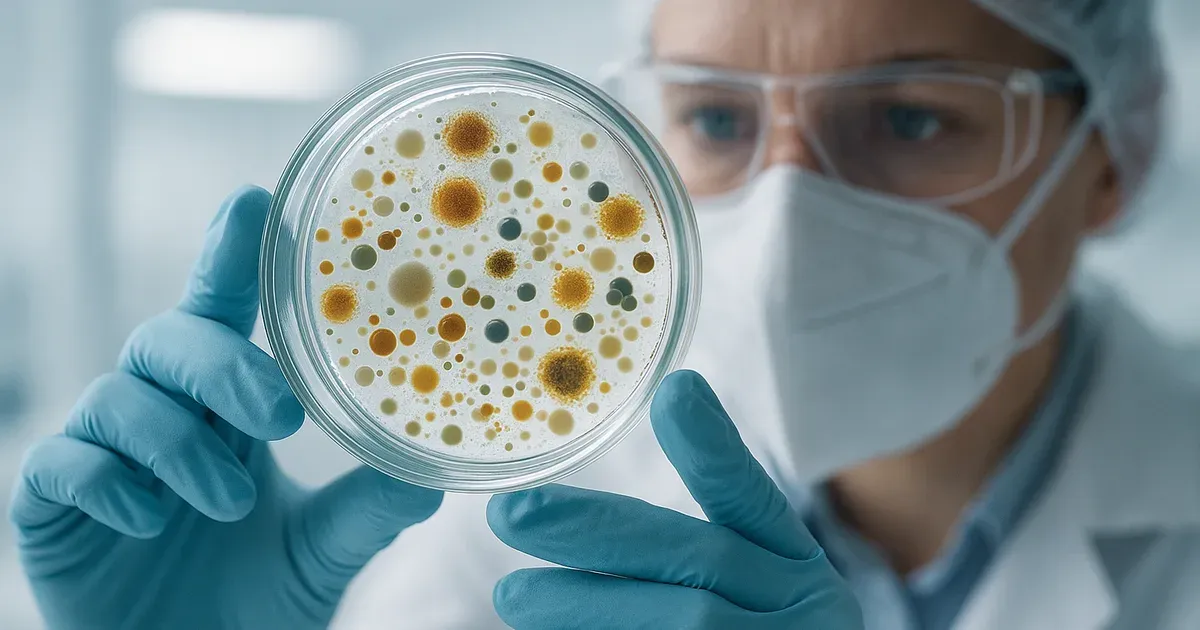
BCT is a more targeted alternative to FMT. Rather than transplanting a full stool sample, BCT delivers a defined, curated collection of bacterial strains. This approach offers greater control over what is introduced into the recipient's gut and reduces the risk of transferring unknown pathogens present in donor stool.
Research into BCT is still emerging, but early results suggest it may offer a reproducible and scalable path to restoring specific microbial functions lost during dysbiosis.
Predatory Bacteria
One of the most novel strategies involves bacteria that prey on other bacteria — most notably Bdellovibrio bacteriovorus. These predatory organisms naturally hunt and consume gram-negative bacterial pathogens, offering a self-limiting biological control mechanism.
This approach remains poorly understood and largely experimental, but it represents a genuinely new paradigm in how researchers think about correcting microbial imbalance. The self-limiting nature of predatory bacteria — they decline once their prey is depleted — is seen as a potential safety advantage over other interventions.
The Hologenome: Why Your Microbiome Is Part of You
Your genome alone does not define your metabolism. The combined genetic material of your human cells and your gut microbiome — termed the hologenome — together determine your metabolic characteristics. This framing has profound implications: interventions that alter the microbiome are, in a meaningful sense, altering the functional genome of the organism.
The gut microbiome functions like a metabolic organ comparable in activity to the liver. It consumes and redistributes energy, drives chemical transformations, supports immune function, and maintains itself through self-replication. Dysbiosis, then, is not merely a microbial inconvenience — it is the dysfunction of an organ.
Enterotype research has identified three broad variants of human gut microbiota, classified by the dominant genus: Bacteroides (enterotype 1), Prevotella (enterotype 2), and Ruminococcus (enterotype 3). Crucially, these variants appear to be independent of body mass index, age, sex, and nationality — suggesting they reflect deep biological patterns rather than lifestyle factors alone.
The Bottom Line on Gut Microbiota Dysbiosis
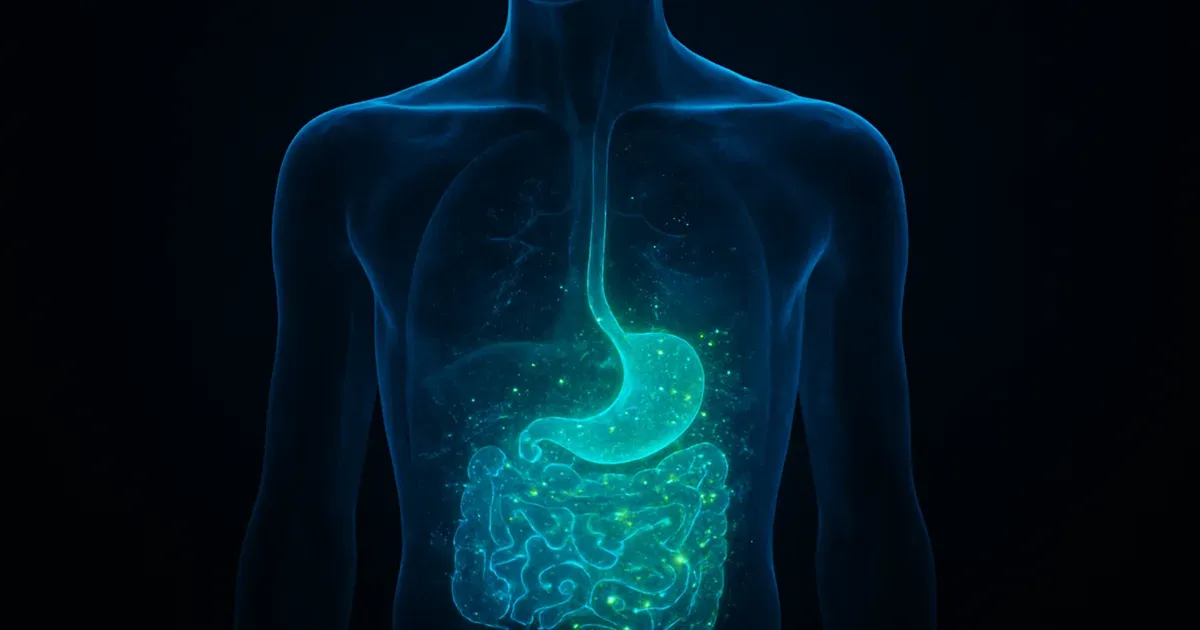
Gut microbiota dysbiosis is not a niche gastroenterology concern — it is a systemic health issue with implications across virtually every major disease category. The microbial community in your gut is a functional organ, shaped from before birth and influenced by every dietary choice, antibiotic course, and lifestyle factor throughout your life.
Restoring eubiosis — the balanced, mutualistic state — is an active and rapidly evolving field. Probiotics, prebiotics, FMT, phage therapy, BCT, and predatory bacteria each offer distinct mechanisms for correcting dysbiosis, and the evidence base for each is growing. The right strategy depends on the nature of the imbalance, the condition being treated, and the individual's microbial fingerprint.
What is clear is this: maintaining gut microbial balance is not optional for good health. It is foundational to it.