7 Gut Microbiota Mistakes Destroying Your Health
Seven common but damaging gut microbiota mistakes — from antibiotic overuse to xenobiotic exposure — explained with the science behind each and one actionable f

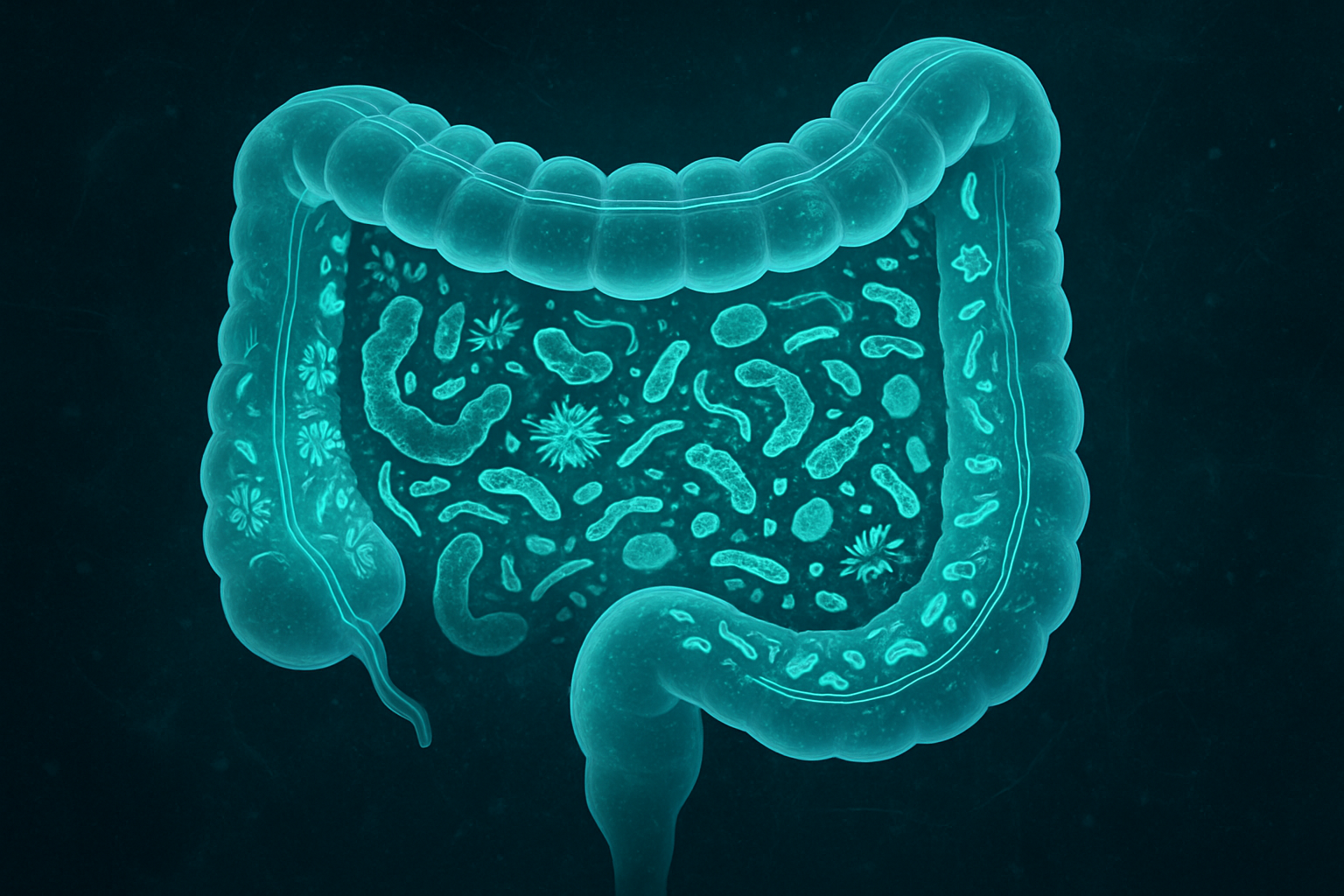
You eat reasonably well, sleep most nights, and still feel off — bloated, foggy, anxious, exhausted. Most people blame stress or ageing. The real culprit is often a disrupted gut microbiota, the vast ecosystem of microbes quietly running critical systems throughout your body. These mistakes are common, largely invisible, and entirely fixable — but only once you know what you're actually doing wrong.
Research now confirms that the human gut harbours over one thousand microbial species carrying approximately 150 times more genes than the entire human genome — a biological powerhouse most people are unknowingly sabotaging every day.
1. Overusing Antibiotics and Ignoring the Fallout
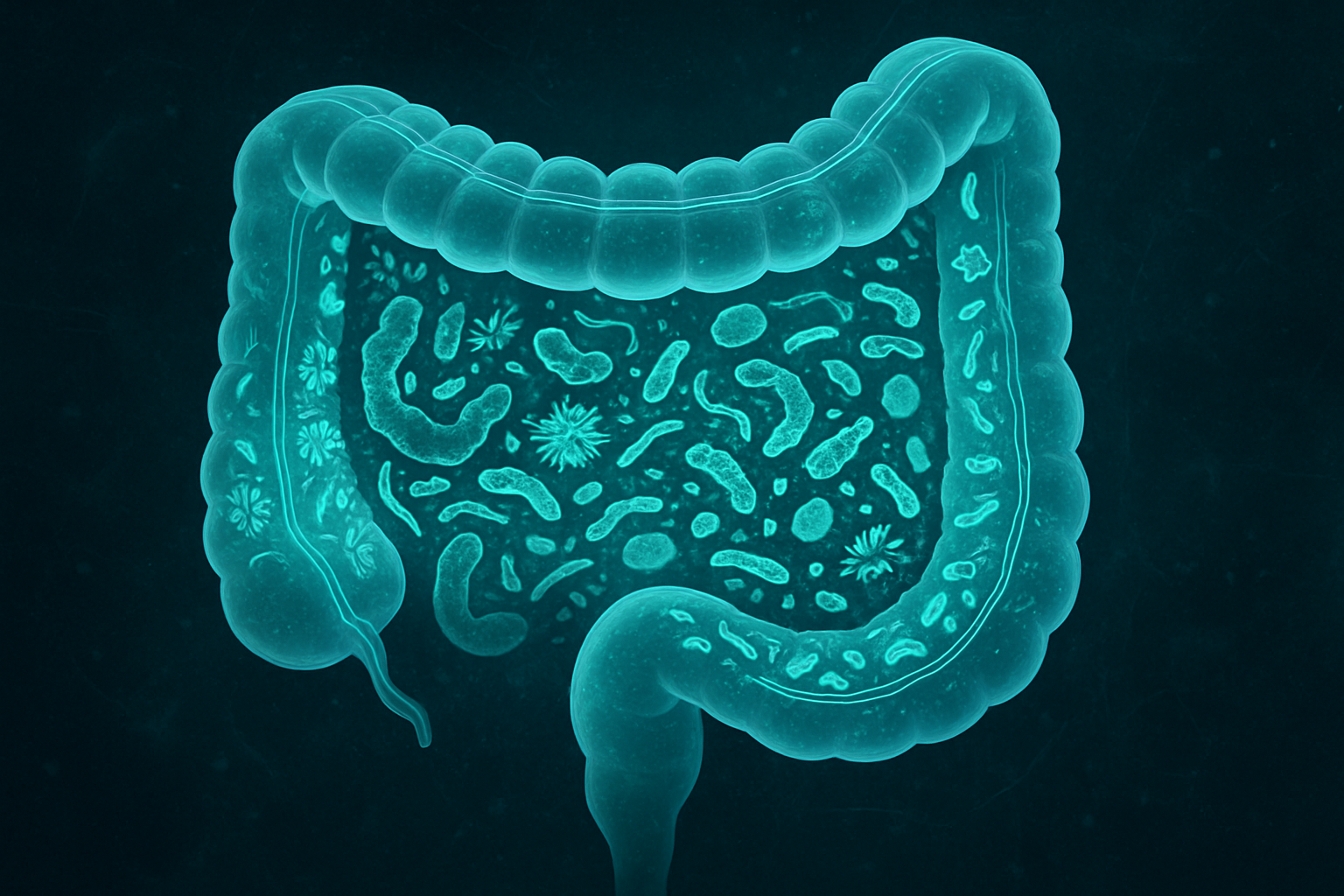
Antibiotics are life-saving tools, but treating every minor illness with them is quietly dismantling your microbial balance. High antibiotic intake disrupts the delicate eubiosis — the healthy equilibrium of gut microbiota — and creates conditions that favour systemic diseases ranging from obesity to cardiovascular dysfunction. The collateral damage extends well beyond the gut itself. Actionable step: Ask your doctor whether an antibiotic is truly necessary, and follow any course with a targeted probiotic protocol to begin rebuilding lost microbial diversity.
2. Eating a Low-Fibre Diet That Starves Beneficial Microbes
Gut microbes depend on dietary substrates that pass undigested through the upper digestive tract — primarily fibre from plants, legumes, and whole grains. When carbohydrates are insufficient, saccharolytic bacteria switch to alternative energy sources, producing metabolites that can be actively harmful to human health. This metabolic switch is one of the most underappreciated drivers of chronic inflammation. Actionable step: Aim for at least 30 different plant-based foods per week to provide the substrate diversity your gut microbiota genuinely needs to thrive.
3. Ignoring How Profoundly Stress Rewires Your Gut
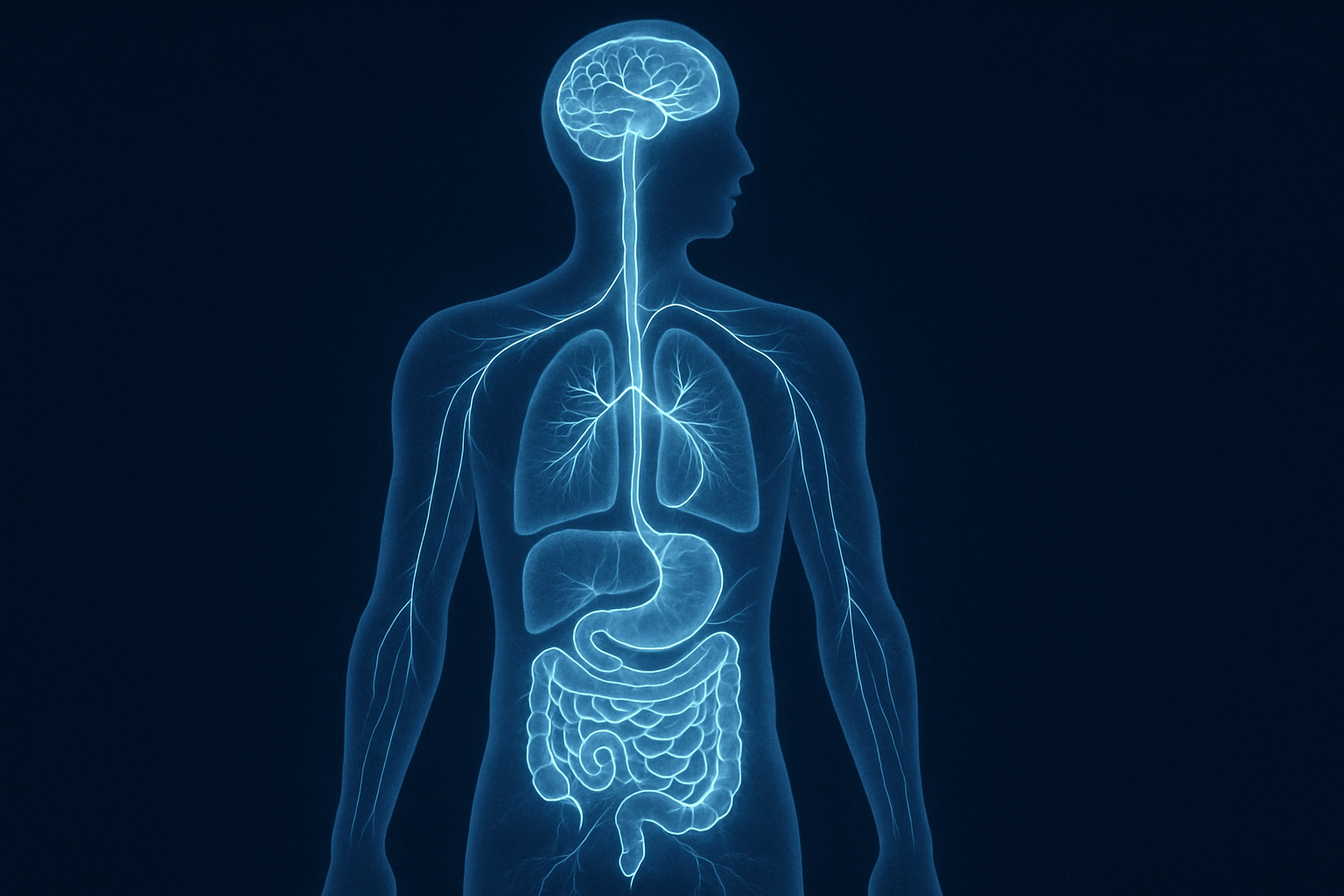
The gut and brain communicate through a multidirectional axis involving neural, endocrine, humoral, immunological, and metabolic pathways — meaning chronic psychological stress does not stay in your head. Dysbiosis of the gut microbiota is directly linked to anxiety and depression, creating a feedback loop where a disrupted gut worsens mental health and vice versa. The mechanism is bidirectional and surprisingly fast-acting. Actionable step: Incorporate daily vagal nerve stimulation practices — diaphragmatic breathing, cold exposure, or humming — which have emerging evidence for positively influencing the gut-brain signalling axis.
4. Treating All Gut Symptoms as Digestive Problems Only
A disrupted gut microbiota doesn't stay local. The evidence now links dysbiosis to hypertension, cardiovascular disease, non-alcoholic fatty liver disease, chronic kidney disease, and even hepatocellular carcinoma — conditions most clinicians still investigate independently of gut health. The gut microbiota has been reclassified by researchers as a vital organ precisely because its influence is systemic, not just digestive. Actionable step: If you're managing a chronic condition outside the gut, ask your healthcare provider specifically about the role gut microbiota composition may play in your case — it's a question most clinics are not yet raising proactively.

Key finding: According to recent clinical research, the human gut microbiota communicates with virtually every major organ system in the body. Dysbiosis — the disruption of this microbial balance — has now been associated with over a dozen distinct chronic diseases, from type 2 diabetes to colorectal cancer.
5. Relying on Geography and Genetics as Excuses
Population-based studies confirm that gut microbiota composition is shaped by food, age, geography, and systemic disorders — but this is a two-way relationship, not a fixed sentence. Phyla like Firmicutes, Bacteroidetes, Actinobacteria, Proteobacteria, and Verrucomicrobia shift in response to lifestyle choices you make daily. Blaming your genes or your postcode keeps you passive while actionable variables go unaddressed. Actionable step: Track dietary patterns and symptom patterns together for 30 days; the correlations often become obvious and point directly to the levers you can pull. Exploring evidence-based resources at gutbrain.news can help you interpret those patterns in the context of the latest microbiome science.
6. Underestimating the Role of Archaea in Gut Function
Most gut health conversations stop at bacteria, but Archaea — particularly Methanobrevibacter smithii — play a vital and often overlooked role in the gut ecosystem. This microorganism synthesises methane from hydrogen produced during bacterial metabolism, directly influencing fermentation efficiency, gas production, and the overall metabolic environment of the gut. When this Archaeal population is disrupted, downstream metabolic consequences ripple through the system. Actionable step: Be aware that standard probiotic supplements target bacteria only; emerging prebiotic strategies that support a broader microbial ecosystem — including Archaeal populations — represent the next frontier in microbiome support, and staying informed gives you a genuine edge.
7. Dismissing Xenobiotic Exposure as Irrelevant to Gut Health
Gut microbes are active participants in xenobiotic metabolism — the processing of drugs, dietary chemicals, environmental pollutants, and pesticides. These microbial communities alter the chemical structures of the substances you're exposed to daily, meaning the health impact of your environment passes through your gut microbiota before it passes through you. A depleted or imbalanced microbial community processes these exposures less effectively, amplifying their potential harm. Actionable step: Reducing ultra-processed food consumption, filtering drinking water, and choosing organic produce where feasible are practical ways to lower the xenobiotic burden your gut microbiota is asked to manage every day.
Your gut microbiota is already doing remarkable work — regulating immunity, metabolising nutrients, defending against pathogens, and communicating with your brain and organs simultaneously. The seven mistakes above are not exotic or rare; they are woven into the fabric of modern life. Correct even two or three of them consistently, and the downstream benefits — clearer cognition, more stable mood, better metabolic function — tend to follow. The science is no longer emerging. It's here.