Your Gut Is Running the Show: What the Latest Microbiome Science Reveals
New research reveals gut microbes — trillions of bacteria producing key signaling molecules — actively influence metabolism, immunity, and disease risk far beyond basic digestion, representing one of medicine's most promising frontiers.

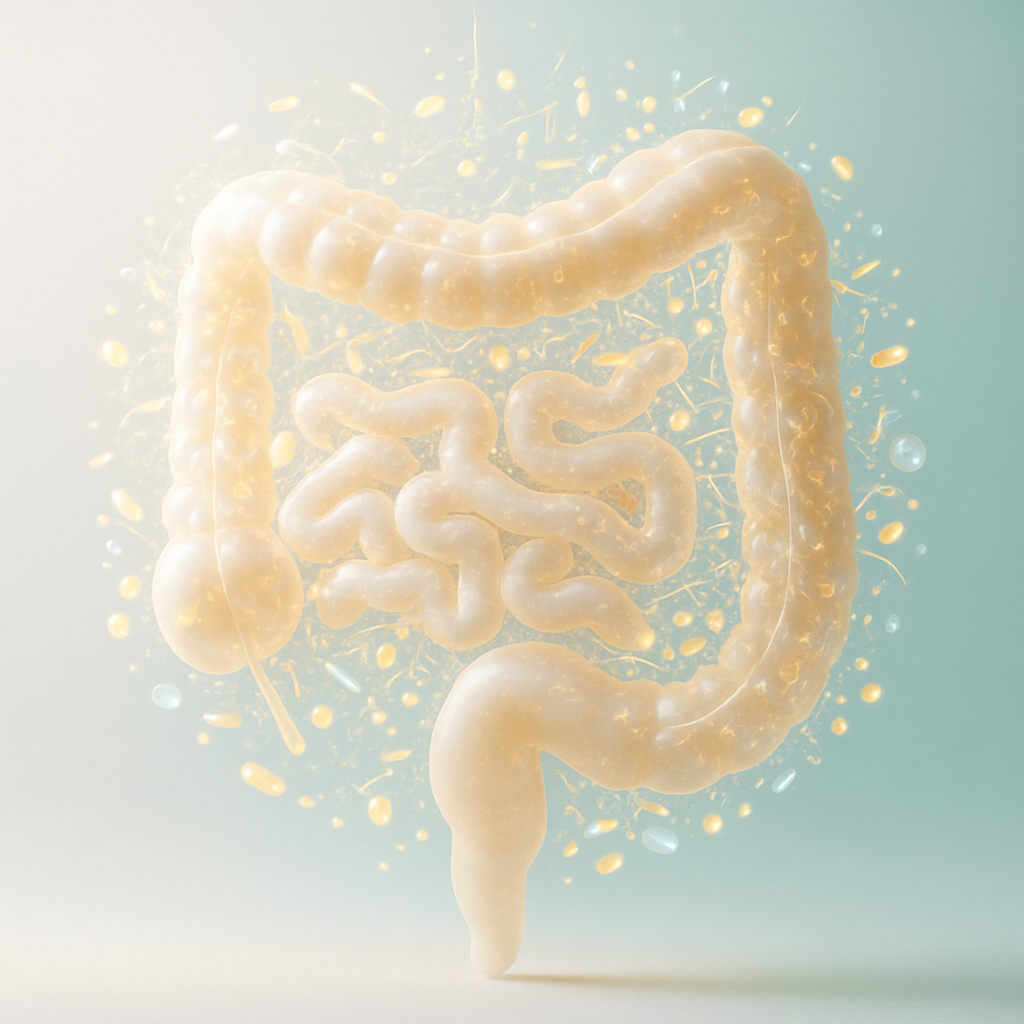
Your Gut Is Running the Show: What the Latest Microbiome Science Reveals
You've probably heard that gut health matters. But the emerging science goes far beyond "eat more yogurt." Researchers now believe the trillions of microbes living inside your intestines are quietly influencing your metabolism, immune system, liver function, and even your risk of chronic diseases like type 2 diabetes and certain cancers. Understanding how this happens — the actual molecular machinery at work — is one of the most exciting frontiers in modern medicine.
---
You're Outnumbered: Meet Your Inner Ecosystem
Your gut is home to communities of bacteria so dense that the colon alone houses up to 100 billion microbial cells per gram of content. We're talking thousands of species and millions of genes — a biological universe operating inside you right now.
This isn't random colonization. From the moment you're born, microbes begin staking out territory across your entire body — your skin, mouth, lungs, and gut — each site hosting a distinct community shaped by its environment. The colon, with its slow transit time and low-oxygen conditions, becomes the most densely populated neighborhood, dominated by anaerobic bacteria from families like Ruminococcaceae, Lachnospiraceae, and Bacteroidetes.
The composition of this community isn't static. It's constantly responding to what you eat, how you sleep, the medications you take, and the stress you carry.
---
The Chemical Language Your Microbes Speak
Here's where it gets genuinely fascinating. Your gut bacteria don't just sit there — they're metabolic factories, churning out signaling molecules that travel through your bloodstream and communicate with your organs.
Some of the most well-studied of these molecules include:
- Short-chain fatty acids (SCFAs): Produced when gut bacteria ferment dietary fiber, SCFAs like butyrate help regulate blood sugar, reduce inflammation, and strengthen the gut lining.
- Bile acids: Originally made by your liver to digest fats, bile acids are chemically transformed by gut bacteria into secondary compounds that influence metabolism and appetite.
- Trimethylamine N-oxide (TMAO): Generated when bacteria process certain nutrients found in red meat and eggs, TMAO has been linked to elevated cardiovascular risk.
Researchers are also uncovering a newer cast of molecular players — including endocannabinoids (yes, your gut makes cannabis-like compounds), bioactive lipids, and phenolic-derived compounds from plant foods — all of which interact with specific receptors throughout your body to regulate everything from fat storage to immune response.
---
When the Balance Breaks: Dysbiosis and Disease
A healthy microbiome is a diverse, balanced one. When that balance is disrupted — a state researchers call dysbiosis — the consequences can ripple outward in serious ways.
Studies have now linked microbiome imbalances to a striking range of conditions:
- Obesity and type 2 diabetes — altered microbial communities appear to affect how efficiently calories are extracted from food and how well cells respond to insulin
- Non-alcoholic fatty liver disease — gut bacteria influence how much fat accumulates in liver tissue
- Inflammatory bowel diseases (IBD) — a compromised gut ecosystem is associated with chronic gut inflammation
- Certain cancers — microbiome composition is an active area of investigation in colorectal and other cancers
The key insight here isn't just correlation. Scientists are increasingly identifying causal mechanisms — specific bacterial species and the molecules they produce that directly tip the body toward disease or protect against it.
---
The Gut Barrier: Your First Line of Defense
One underappreciated piece of the puzzle is the intestinal barrier — the single-cell-thick wall separating your gut contents from your bloodstream. A healthy microbiome helps maintain this barrier. When dysbiosis occurs, it can become "leaky," allowing bacterial fragments and toxins to seep into circulation, triggering low-grade inflammation that has been implicated in metabolic disease and beyond.
Certain bacterial strains — like Akkermansia muciniphila, found in the Verrucomicrobia family — appear to play a protective role in maintaining that barrier, and are now being studied as potential therapeutic targets.
---
Practical Takeaways: How to Support Your Gut Today
The science is still evolving, but evidence-backed strategies for nurturing a healthy microbiome are already clear:
- Eat more fiber-rich plants — vegetables, legumes, whole grains, and fruits feed beneficial bacteria that produce protective SCFAs
- Diversify your diet — research consistently shows that greater dietary variety correlates with greater microbial diversity
- Include fermented foods — yogurt, kefir, kimchi, and sauerkraut introduce beneficial live microbes
- Limit ultra-processed foods — these are linked to reduced microbial diversity and increased inflammation
- Be cautious with antibiotics — they're sometimes necessary, but they can significantly disrupt your microbiome; always discuss necessity with your doctor
- Manage stress and sleep — both are increasingly recognized as significant modulators of gut health
---
The gut microbiome story is still being written, but the plot is already compelling. What lives inside your intestines isn't just a passive passenger — it's an active participant in your health, for better or worse. The more we understand the molecular conversations happening between microbes and our bodies, the closer we get to genuinely personalized medicine. In the meantime, the best prescription may be simpler than you'd expect: feed your microbes well, and they'll return the favor.