High-Protein Diet: Why Fiber Balance Matters
High-protein diets often lack fiber, risking gut issues and disease. Learn how to balance protein and fiber for optimal digestion and long-term health.

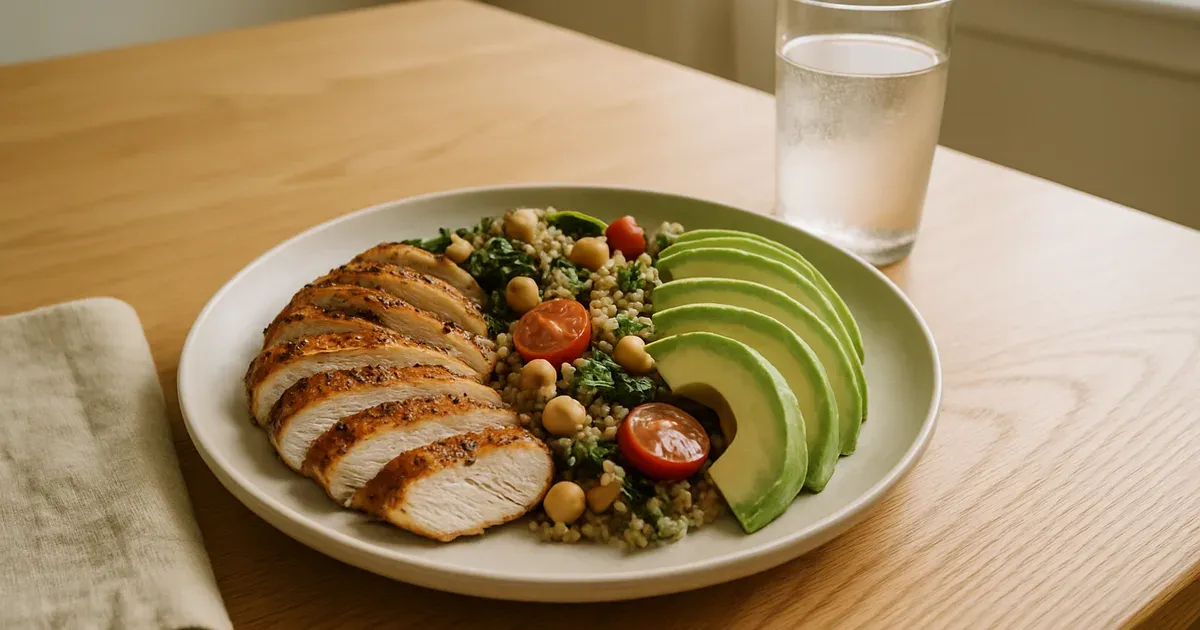
You've dialed in your protein intake. Chicken breast at lunch, Greek yogurt as a snack, protein shakes after workouts. But if fiber isn't part of that picture, your gut is likely paying the price — even if you don't feel it yet.
High-protein diets are effective for weight management and building muscle, but they create a nutritional blind spot: fiber. When protein dominates your plate, fiber-rich foods like fruits, vegetables, legumes, and whole grains often get crowded out. That imbalance sets off a chain reaction in your digestive system that can affect everything from your bowel movements to your long-term cancer risk.
Here's what the science says — and how to fix it.
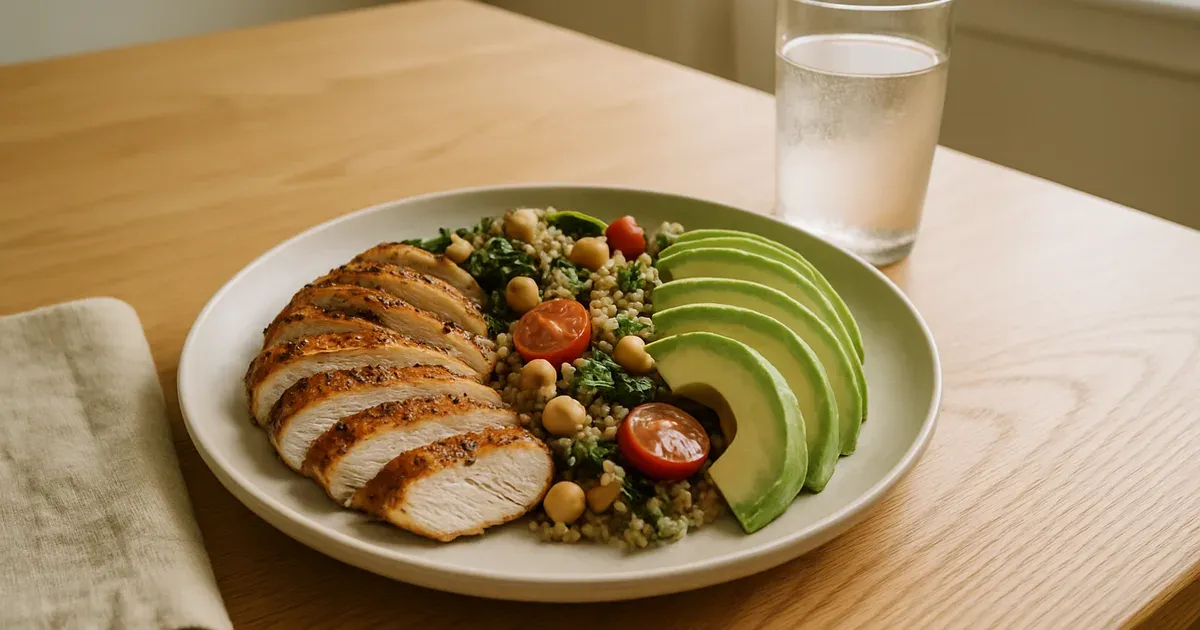
Why Fiber Gets Neglected on a High-Protein Diet
Protein is filling by nature. When you eat 80 to 90 grams of protein a day, appetite signals can suppress the drive to eat enough plant-based foods. The result is that most adults in the United States already eat less than half of the recommended daily fiber — a problem that becomes significantly worse on a high-protein eating plan.
The recommended fiber intake is 25 to 35 grams per day. Yet the average American falls far short of that target, typically consuming fewer than 15 grams daily. For someone on a high-protein diet, that gap can widen further.
"People on high-protein diets should ensure they're getting enough fiber because protein is filling on its own," says Olufemi Kassim, MD, a gastroenterologist at Northwestern Medicine. "It can help to get a baseline on how much fiber you are eating by tracking your total grams of fiber in a food diary."
Tracking is a practical first step. Tools like the Dietary Guidelines for Americans provide a comprehensive list of high-fiber foods, making it easier to identify where your diet is falling short.
What Happens to Your Gut Without Enough Fiber
Fiber does something no amount of protein can do: it moves food through your intestines. Without adequate fiber, digestion slows, waste accumulates, and the gut microbiome — the ecosystem of bacteria essential to immune function and overall health — begins to suffer.
Short-term effects of low fiber intake on a high-protein diet include constipation, bloating, and general digestive discomfort. Over time, the risks escalate.
Long-term consequences of high protein, low fiber eating include:
- Constipation and irregular bowel movements
- Bloating and inflammation
- Increased risk of diverticulosis, where small pouches form in the colon lining and can become infected or inflamed
- Higher risk of colon cancer
- Elevated risk of heart disease
"The main concern is that if someone only focuses on protein, they may not pay attention to their fiber intake," says Dr. Kassim. "That can lead to bowel irregularity and more significant risks in the future."
Fiber also feeds the beneficial bacteria in your gut. People who eat high-fiber diets consistently show a more diverse, robust microbiome — and that diversity is directly linked to a lower risk of gastrointestinal issues, metabolic disease, and chronic inflammation.
Soluble vs. Insoluble Fiber: Understanding the Difference
Not all fiber works the same way in your body. There are two main types — soluble and insoluble — and both play distinct, complementary roles in gut health.
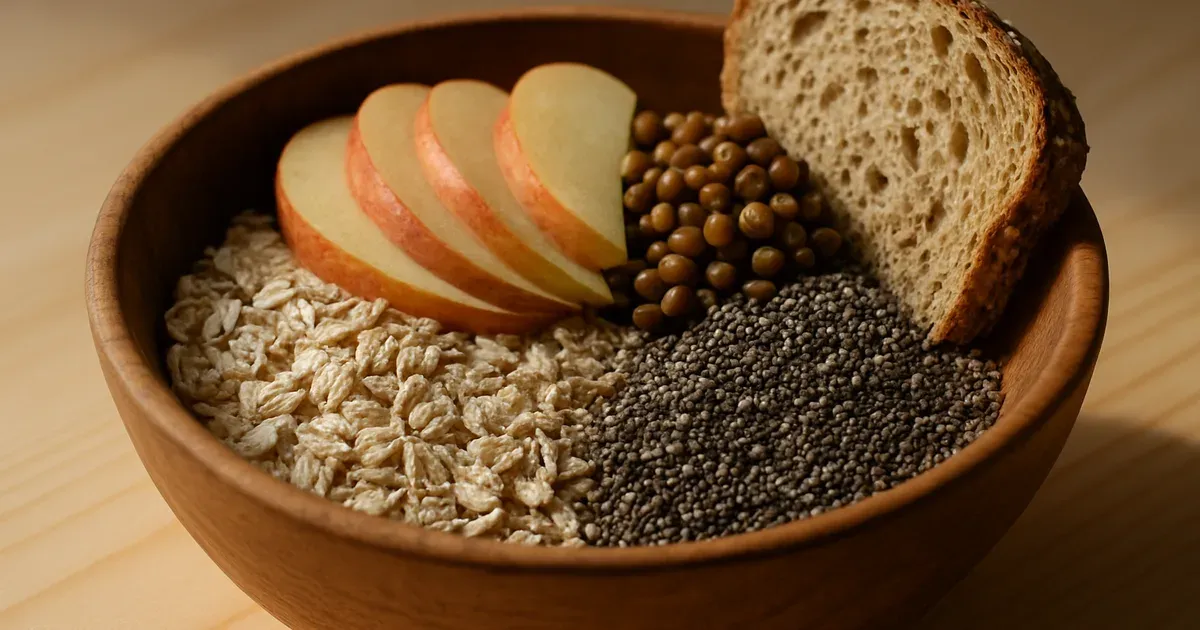
Soluble fiber dissolves in water to form a gel-like substance. This slows digestion, helps regulate blood sugar levels, and supports lower cholesterol. Good sources include oats, apples, bananas, and legumes.
Insoluble fiber does not dissolve. Instead, it adds bulk to stool and stimulates the bowels to move, preventing constipation. It's found in whole grains, nuts, and the skin of fruits and vegetables like plums, apples, and sweet potatoes.
"Both soluble and insoluble fiber have benefits, and it's important to have both," says Dr. Kassim.
Most plant foods contain a mix of both fiber types, though proportions vary. If you have a digestive condition like irritable bowel syndrome (IBS) or inflammatory bowel disease (IBD), insoluble fiber can sometimes aggravate symptoms. In those cases, soluble fiber sources like oats are often better tolerated. Always consult a doctor if you have a condition that affects how your body handles fiber.
How to Balance Protein and Fiber Without Overhauling Your Diet
The goal isn't to eat less protein — it's to build fiber back in strategically. Small, consistent additions to existing meals are more sustainable than dramatic dietary overhauls.
Dr. Kassim's practical approach with patients is straightforward: identify high-fiber foods the person already enjoys, then eat them more often or in larger quantities. For those starting from a very low fiber baseline, the target is simple — aim for a serving of fruits, vegetables, or whole grains at every meal.
Practical ways to increase fiber on a high-protein diet:
- Add chia seeds or flaxseed to protein shakes or yogurt
- Swap refined grains for whole grains — brown rice instead of white, whole wheat bread instead of white
- Include legumes like lentils or chickpeas as a protein-fiber hybrid — they deliver both macronutrients in one food
- Eat the skin of fruits and vegetables when possible for extra insoluble fiber
- Snack on spinach-based salads or quinoa bowls rather than processed snacks
One critical caveat: increase fiber gradually. Adding too much too quickly causes bloating and discomfort. Pair increased fiber intake with adequate water consumption to support smooth digestion.
Managing Bloating: The FODMAP Connection
Some high-fiber foods are more likely to cause gas and bloating — particularly those classified as high-FODMAP foods. FODMAP stands for fermentable oligosaccharides, disaccharides, monosaccharides, and polyols — a group of carbohydrates that ferment in the gut and can trigger digestive symptoms, especially in people with IBS.
Common high-FODMAP foods to moderate if bloating is an issue:
- Apples
- Asparagus
- Broccoli
- Mangoes
- Pears
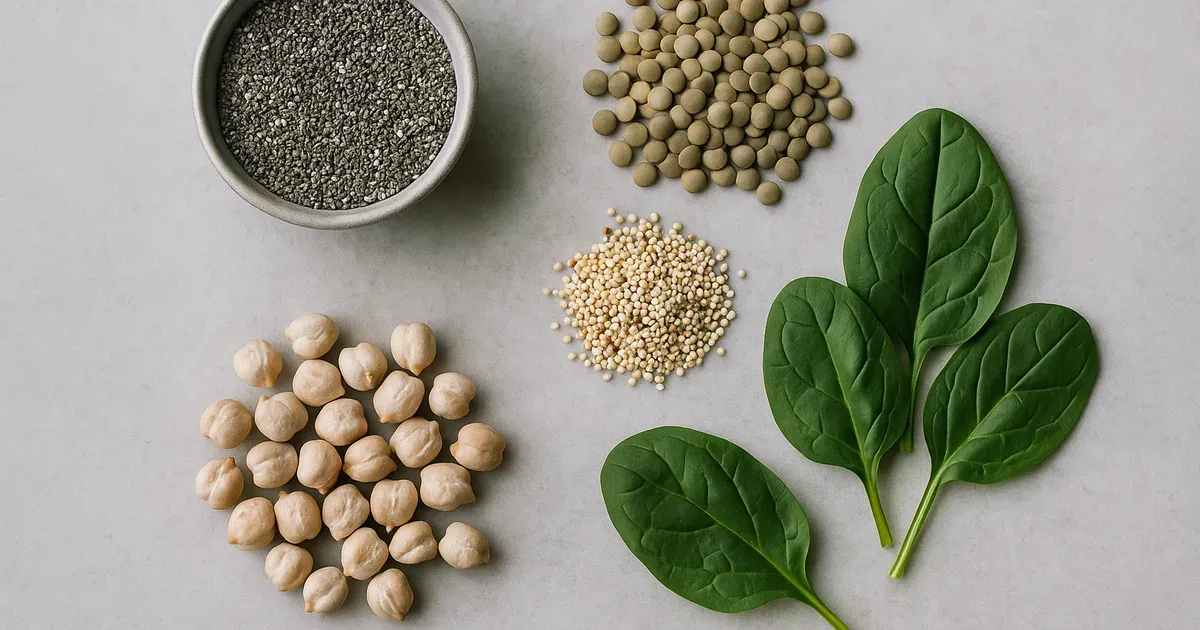
The good news: many low-FODMAP foods are excellent fiber sources and easy to incorporate. These include:
- Chia seeds
- Lentils
- Chickpeas
- Quinoa
- Spinach
"I encourage people prone to bloating to limit high-FODMAP foods," says Dr. Kassim. "Slowly making changes, paying attention to how you feel and monitoring your bowel movements are some of the most important things you can do when introducing more fiber into your diet."
The American College of Gastroenterology maintains a detailed list of high- and low-FODMAP foods for those who want a comprehensive reference.
Should You Take a Fiber Supplement?
Whole food fiber sources are the gold standard — fruits and vegetables deliver fiber alongside vitamins, minerals, and antioxidants that supplements cannot replicate. But supplements have a legitimate role when dietary fiber targets are consistently out of reach.
Fiber supplements are available in multiple forms: powders, capsules, wafers, and gummies. Both soluble and insoluble supplement options exist. Dr. Kassim notes that soluble fiber supplements tend to be well tolerated because they are non-fermentable — meaning they don't produce gas during digestion.
"I often recommend fiber supplements for people who have tried but can't get enough fiber in their diet," says Dr. Kassim.
Always speak with a doctor before starting a fiber supplement, particularly if you have an existing digestive condition or take medications that could interact with changes in gut transit time.

Special Considerations for Athletes and Keto Dieters
Athletes and people following a ketogenic diet face a compounded challenge. Keto restricts carbohydrates — the primary vehicle through which most people consume fiber. Without careful planning, fiber intake on a keto diet can drop to critically low levels even as protein intake rises.
"Many individuals are mindful of macronutrient intake in terms of carbohydrates, fat and protein, but don't take fiber intake into consideration," says Dr. Kassim. "They may be concerned that increasing fiber may affect their ability to reach their protein goals."
That concern is largely unfounded with the right food choices. Low-carb, high-fiber foods like chia seeds, flaxseed, avocado, and non-starchy vegetables can support both keto macros and fiber targets simultaneously.
For athletes specifically, gut motility matters — a sluggish digestive system affects nutrient absorption, recovery, and performance. Dr. Kassim recommends that anyone following a specialized eating plan consult a registered dietitian who can build a personalized strategy that meets both protein and fiber goals.
The Bottom Line on High-Protein Diet Fiber Balance
Protein and fiber are not competing priorities — they are complementary ones. A high-protein diet can absolutely support muscle building and weight management, but it needs fiber to function properly at the gut level.
Fiber regulates digestion, feeds beneficial gut bacteria, stabilizes blood sugar, reduces cholesterol, and lowers the long-term risk of serious conditions including colon cancer and heart disease. Without it, even the most carefully constructed protein plan creates a foundation with a critical gap.
Start where you are. Track your current fiber intake, identify one or two high-fiber foods you already enjoy, and add them consistently. Increase slowly, drink enough water, and pay attention to how your body responds. The gut rewards gradual, consistent change — and the long-term payoff is significant.