7 Warning Signs Your High-Protein Diet Needs More Fiber
Discover 7 signs your high-protein diet lacks fiber and learn how to protect gut health, microbiome diversity, and digestion.

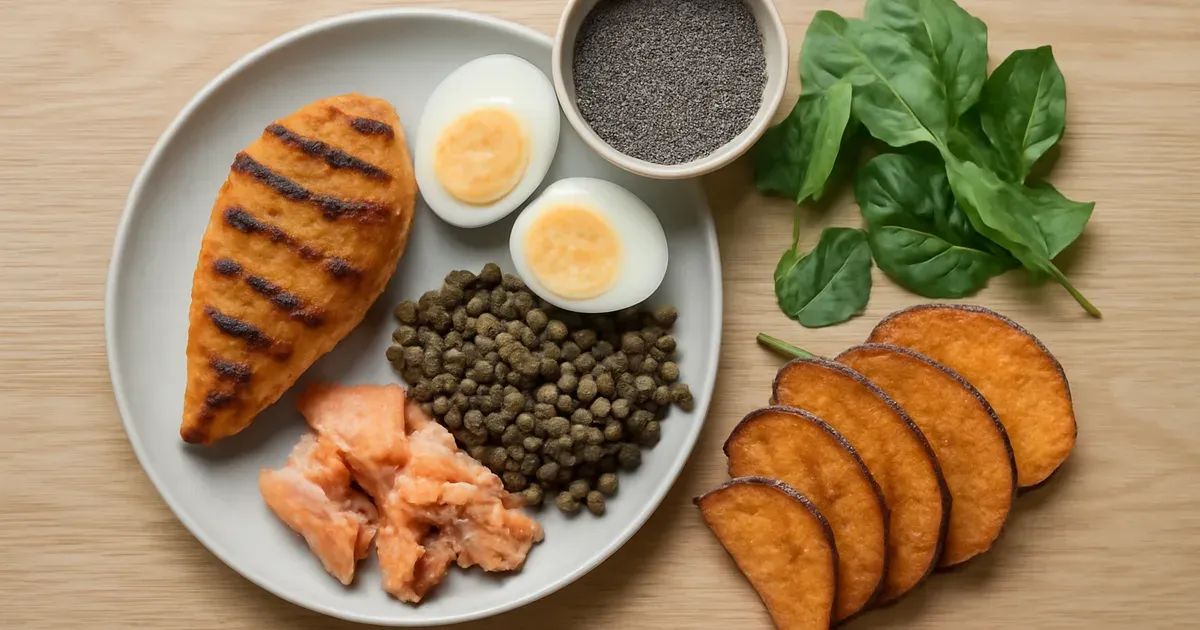
You're hitting your protein goals, your muscles are responding — so why does your gut feel terrible? High-protein diets are brilliant for weight management and muscle building, but focusing too hard on protein often means fiber quietly disappears from your plate. That imbalance doesn't just cause short-term discomfort; it can quietly reshape your gut microbiome in ways that raise long-term disease risk. If any of these seven warning signs sound familiar, your digestive system is asking for help right now.
Research consistently shows that most adults in the United States eat less than half the recommended 25 to 35 grams of fiber per day — a shortfall that almost always deepens on a high-protein eating plan.
1. You're Constipated More Days Than Not
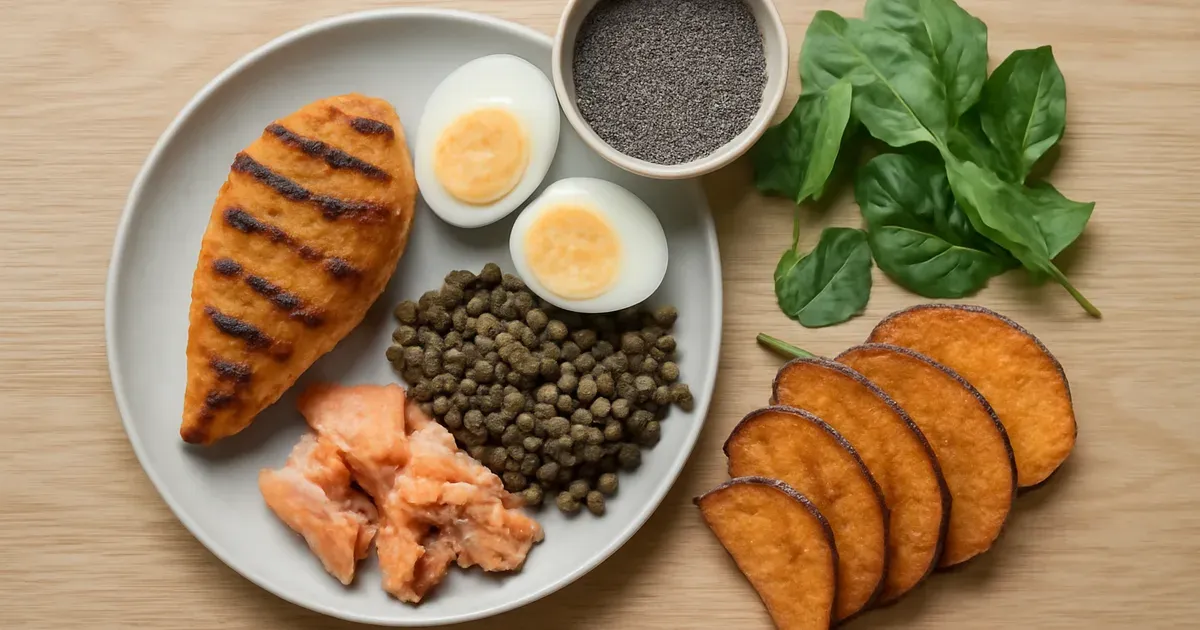
Constipation is the most immediate red flag that your high-protein diet fiber gut health balance is off. Protein-rich foods like meat, eggs and dairy contain zero fiber, so without plant foods to add bulk, food moves through your intestines far too slowly. Insoluble fiber acts like a broom inside your colon, sweeping waste forward and stimulating your bowels to move. Actionable fix: add one serving of a high-fiber vegetable — spinach, sweet potato or lentils — to every main meal and drink at least eight glasses of water daily.
2. Your Gut Microbiome Is Less Diverse Than It Should Be
A shrinking microbiome diversity is one of the most underappreciated consequences of a low-fiber, high-protein eating pattern. Fiber acts as a prebiotic, feeding the beneficial bacteria that populate your gut. "People who eat high-fiber diets have a more diverse, rich microbiome, which is associated with a lower risk of gastrointestinal issues," says Olufemi Kassim, MD, a gastroenterologist at Northwestern Medicine. When that bacterial community shrinks, your gut-brain axis — the two-way communication highway linking your digestive system to your brain — can also be disrupted, affecting mood, cognition and stress response. Actionable fix: incorporate prebiotic foods like bananas, garlic and onions several times a week to help beneficial bacteria flourish.
3. You Feel Bloated Even When You Haven't Overeaten
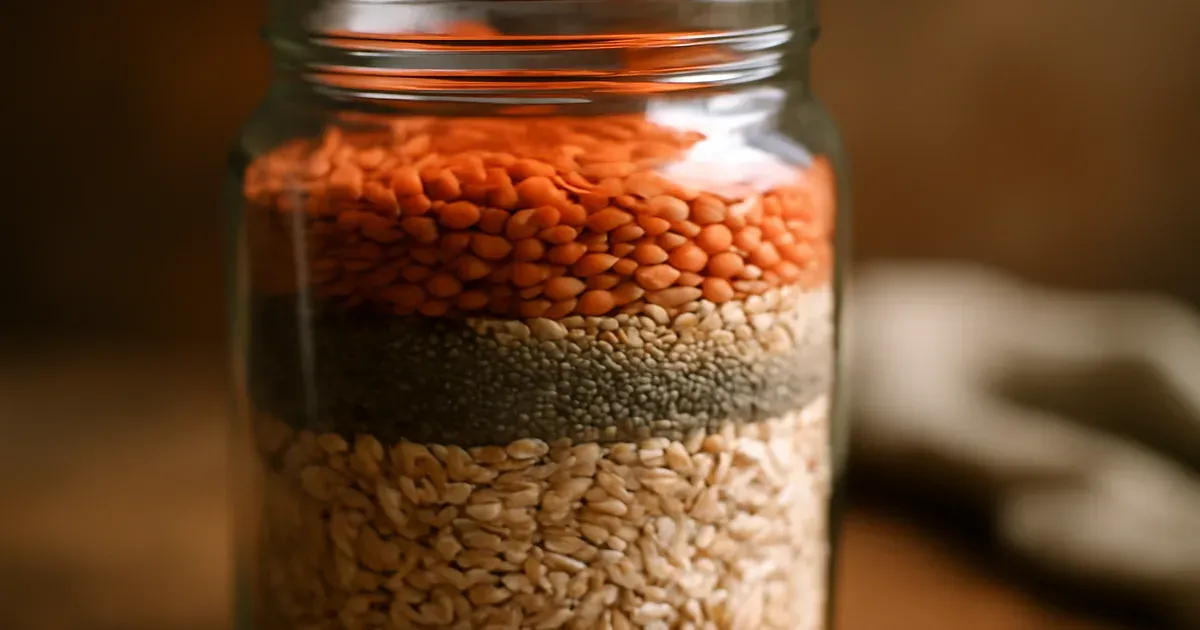
Persistent bloating on a high-protein diet often signals a gut environment struggling to process food efficiently. When fiber is absent, gas-producing bacteria can ferment undigested protein residue, creating uncomfortable bloating and distension. This is compounded if you're suddenly reintroducing fiber after a long absence, because your gut microbiome needs time to adapt. Actionable fix: increase fiber gradually — no more than 3 to 5 extra grams per week — and favour low-FODMAP plant foods such as chia seeds, quinoa and chickpeas, which are less likely to trigger gas.
4. Your Blood Sugar Swings Wildly Between Meals
Unstable energy and mid-afternoon crashes are a less obvious sign that your high-protein diet fiber gut health equation needs rebalancing. Soluble fiber dissolves in water to form a gel that slows digestion, moderating the rate at which glucose enters the bloodstream. Without it, even a protein-heavy meal can trigger a sharper insulin response than expected, particularly if any refined carbohydrates are present. The gut microbiome also plays a direct role here: certain gut bacteria influence insulin sensitivity through short-chain fatty acids produced during fiber fermentation. Actionable fix: pair protein sources with soluble-fiber foods like oats, apples or plums at each meal.
Expert insight: "The main concern is that if someone only focuses on protein, they may not pay attention to their fiber intake. That can lead to bowel irregularity and more significant risks in the future." — Dr. Olufemi Kassim, Gastroenterologist, Northwestern Medicine
5. You're Relying Heavily on Red and Processed Meats for Protein
The type of protein you choose matters as much as the amount. Smoked meats, highly processed deli meats and red meat consumed in large quantities have been linked to gastrointestinal cancers, according to Dr. Kassim. These foods are not only fiber-free but can introduce compounds that negatively shift gut bacteria populations, weakening the gut-brain connection over time. A diet skewed heavily toward these sources without protective fiber compounds the risk considerably. Actionable fix: swap at least half your red and processed meat intake for poultry, fish or vegetarian protein sources like lentils and chickpeas, which bring their own fiber along for the ride.
6. You Notice Inflammation or Digestive Discomfort That Won't Resolve
Chronic, low-grade inflammation settling into your digestive tract is a sign your gut microbiome may be under serious stress from inadequate fiber. Fiber feeds bacteria that produce short-chain fatty acids — compounds that actively reduce intestinal inflammation and maintain the gut lining's integrity. Without enough fiber, that protective mechanism weakens, raising the risk of conditions like diverticulosis, where small pouches form in the colon wall and can become infected or inflamed. Over the longer term, insufficient fiber has also been associated with increased colon cancer risk. Actionable fix: aim to eat a serving of fruits, vegetables or whole grains at every meal, building toward 25 to 35 grams of total fiber daily.

7. You're an Athlete or on Keto and Have Stopped Tracking Fiber Entirely
Athletes and people following a ketogenic diet face a specific version of the high-protein diet fiber gut health problem: the macronutrient focus on protein, fat and carbohydrates often pushes fiber tracking completely off the table. "Many individuals are mindful of macronutrient intake in terms of carbohydrates, fat and protein, but don't take fiber intake into consideration," says Dr. Kassim. On keto especially, the dramatic reduction in carbohydrates can inadvertently slash fiber intake because many fiber-rich foods also contain carbs. The gut-brain axis suffers quietly — emerging research links low-diversity gut microbiomes to increased anxiety and reduced cognitive performance. Actionable fix: consult a registered dietitian who can help you build an eating plan that meets protein and keto targets while protecting your microbiome with strategic low-carb, high-fiber foods like chia seeds, flaxseed and non-starchy vegetables.
Balancing protein and fiber isn't complicated, but it does require intention. Your gut microbiome, digestive comfort, blood sugar stability and long-term disease risk all depend on getting both right. Start small — add one fiber-rich food to each meal, choose low-FODMAP options if bloating is an issue, and track your grams until the habit becomes automatic. If food alone isn't cutting it, talk to your doctor about a fiber supplement to bridge the gap.
Frequently Asked Questions
How much fiber do I need on a high-protein diet?
The general recommendation is 25 to 35 grams of fiber per day for adults, regardless of diet type. If you follow a high-protein eating plan, reaching this target becomes especially important because protein-rich foods contain no fiber. Tracking your fiber intake with a food diary or nutrition app for one week can reveal exactly where your gaps are.
Can a low-fiber, high-protein diet damage your gut microbiome?
Yes, over time. Fiber is the primary fuel source for beneficial gut bacteria. Without enough of it, microbial diversity decreases, which is linked to higher risk of gastrointestinal issues, inflammation and even disruptions to the gut-brain axis that can affect mood and cognition. Reintroducing fiber gradually can help restore microbial balance.
What are the best high-fiber foods that are also good protein sources?
Lentils, chickpeas, black beans and edamame are standout choices — they deliver both protein and significant fiber in a single serving. Chia seeds and quinoa also provide a useful combination of both macronutrients and are low-FODMAP, making them easier to tolerate for people prone to bloating.
Should I take a fiber supplement if I'm on a high-protein diet?
Food sources are always preferable because fruits, vegetables and whole grains carry additional micronutrients and phytocompounds that support gut health. However, if you consistently struggle to reach your fiber target through diet alone, a soluble fiber supplement — in powder, capsule or gummy form — can be a practical bridge. Always consult your doctor before starting any new supplement.
Can too much fiber cause problems on a high-protein diet?
Adding fiber too quickly can cause bloating, gas and discomfort, regardless of diet type. The key is a gradual increase of no more than 3 to 5 grams per week, paired with adequate water intake. People with conditions like IBS or IBD should speak with their doctor, as insoluble fiber may worsen symptoms in those cases.