High-Protein Meal Plan for Energy
A structured high-protein meal plan for energy delivering 90g+ protein and 34g+ fiber daily, with anti-inflammatory foods and flexible calorie options.


Feeling drained by mid-afternoon despite a full night's sleep? You're not alone — and the answer may be on your plate. A well-structured high-protein meal plan for energy can stabilise blood sugar, curb hunger, and help you feel alert from morning through evening. This plan shows you exactly how to do it, day by day, meal by meal.

Why Protein and Fiber Are the Foundation
Protein is broken down more slowly than simple carbohydrates and sugar, which means it provides a steadier release of fuel rather than a sharp spike followed by a crash. Each day in this plan delivers at least 90 grams of protein from whole-food sources including poultry, eggs, strained yogurt, beans, cottage cheese, and fish.
Fiber works in parallel with protein to slow digestion and prevent the energy dips that come from rapidly processed meals. Every day targets a minimum of 34 grams of fiber, sourced from vegetables, legumes, whole grains, fruits, nuts, and seeds.
Together, these two nutrients form the backbone of a sustainable eating approach — one that feeds your body efficiently without leaving you hungry an hour later. That sustained satiety is the key difference between a diet that feels like discipline and one that simply feels good.
Calorie Flexibility: 1,500, 1,800, and 2,000
This plan is anchored at 1,800 calories per day, with clear modifications to scale up to 2,000 or down to 1,500 depending on your needs, activity level, and health goals. The 2020–2025 Dietary Guidelines for Americans make clear that dropping to 1,200 calories is too low for most people to meet their nutritional needs — and it's simply not sustainable.
Not eating enough calories can directly zap your energy, which defeats the entire purpose of an energy-focused meal plan. Each modification retains the core nutritional structure; you're mostly adding or removing a snack, a piece of fruit, or a small portion of healthy fat.
Listening to your hunger cues matters. This framework is a guide, not a rigid prescription. Adjust portions, swap ingredients, and adapt timing to fit your household size, taste preferences, and daily routine.
Anti-Inflammatory Foods That Power Each Day
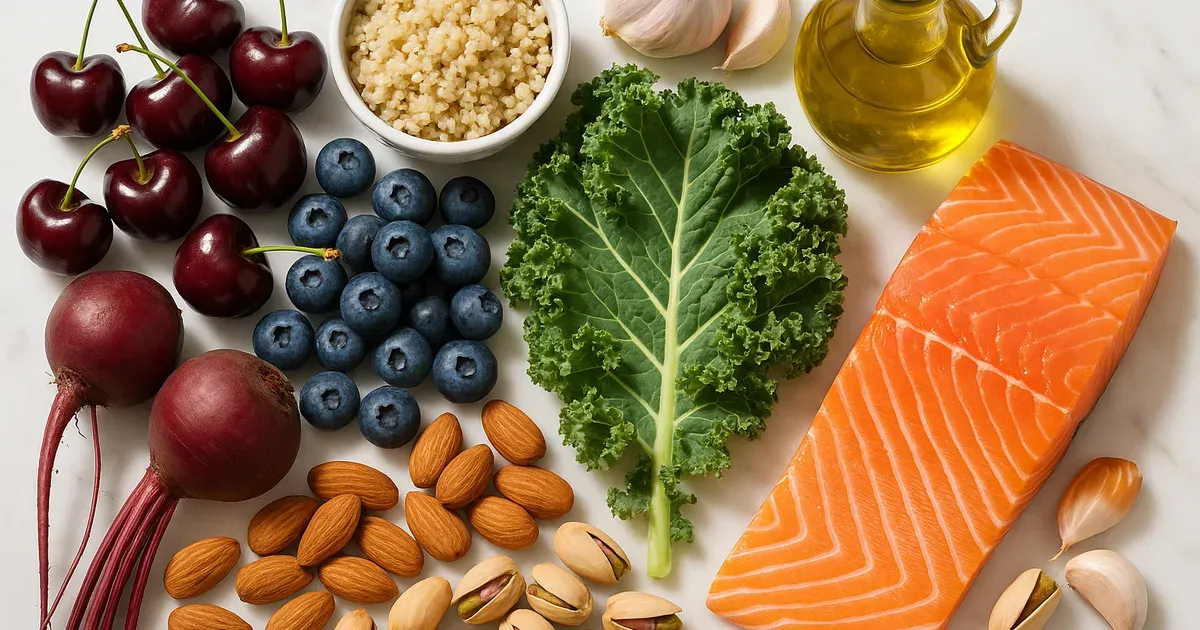
Chronic low-grade inflammation is increasingly linked to persistent fatigue and poor cognitive function. This plan draws on anti-inflammatory eating principles, weaving in specific ingredients that research associates with reduced inflammatory markers.
Key anti-inflammatory foods featured throughout the week include:
- Fruits: Berries, cherries, citrus, pomegranate, apples, and plums
- Vegetables: Beets, dark leafy greens (spinach, kale), broccoli, sweet potato, carrots, and bell peppers
- Whole grains: Quinoa, wild rice, and whole wheat
- Healthy fats: Olive oil, avocado, almonds, pistachios, and seeds
- Protein sources: Fish (halibut, shrimp), chicken breast, eggs, and legumes
- Fermented dairy: Greek-style strained yogurt, kefir, and cottage cheese
- Flavour boosters: Garlic, fresh herbs, and spices
Fermented dairy deserves special attention — yogurt, kefir, and cottage cheese appear multiple times across the week because they deliver both protein and probiotics, which support gut health and may contribute to better mood and energy regulation. Recovery from daily physical and mental demands is also supported when inflammation is kept in check.
A Day-by-Day Look at the Meal Structure
Each day follows a consistent rhythm of breakfast, two snacks, lunch, and dinner — with optional evening snacks on higher-calorie days. Here's how several sample days are structured:
Day 2 (~1,796 calories | 101g protein | 34g fiber)
- Breakfast: Mini Quiches with Sweet Potato Crust + Spinach Smoothie
- A.M. Snack: Medium apple + 2 Tbsp natural peanut butter
- Lunch: Chickpea, Beet & Feta Salad with Lemon-Garlic Vinaigrette + 3 oz cooked chicken breast
- P.M. Snack: Sliced bell pepper + Garlic Hummus
- Dinner: Roasted Cabbage Caesar Salad with Chicken
To reach 1,500 cal: Swap the Spinach Smoothie for 1 cup low-fat kefir and skip the peanut butter. To reach 2,000 cal: Add ¼ cup dry-roasted almonds as an evening snack.
Day 4 (~1,788 calories | 116g protein | 36g fiber)
- Breakfast: High-Protein Black Bean Breakfast Bowl
- A.M. Snack: Cottage Cheese Snack Jar with Fruit
- Lunch: Chickpea, Beet & Feta Salad + 3 oz chicken breast
- P.M. Snack: Sliced carrots + Garlic Hummus
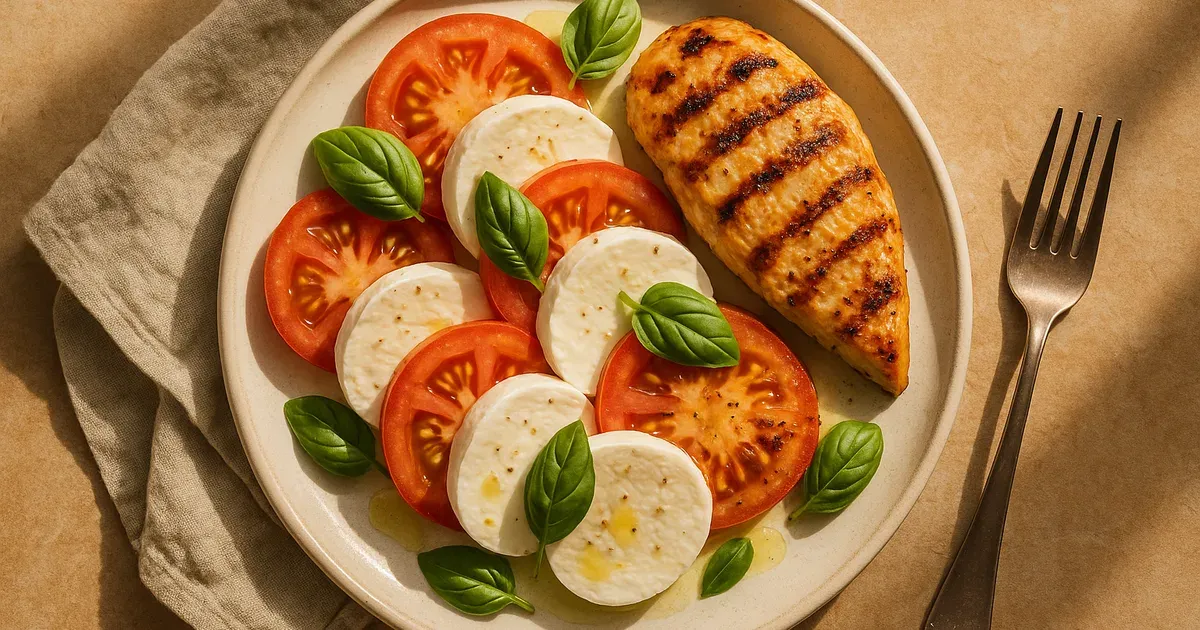
- Dinner: Chicken Caprese Salad
- Evening Snack: 1 cup cherries + ½ cup low-fat kefir
To reach 1,500 cal: Replace A.M. snack with a medium orange and skip the hummus at P.M. snack. To reach 2,000 cal: Add a medium orange to breakfast and a large pear to lunch.
Day 5 (~1,799 calories | 101g protein | 40g fiber)
- Breakfast: High-Protein Black Bean Breakfast Bowl
- A.M. Snack: Low-fat Greek yogurt + ½ cup blueberries + 1 Tbsp sliced almonds
- Lunch: Chickpea, Beet & Feta Salad + 3 oz chicken breast
- P.M. Snack: ¼ cup dry-roasted pistachios
- Dinner: Massaged Kale Salad with Roasted Sweet Potato & Black Beans
Day 5 hits 40 grams of fiber — the highest of the sample days — largely due to the kale, black beans, sweet potato, and berries combination. This is also the day with the most plant-forward dinner, which showcases how satisfying meat-free meals can be on a high-protein plan.
Day 7 (~1,795 calories | 95g protein | 38g fiber)
- Breakfast: Mini Quiches with Sweet Potato Crust + Spinach Smoothie
- A.M. Snack: ¼ cup dry-roasted almonds
- Lunch: No-Cook Black Bean Salad + medium orange
- P.M. Snack: Cottage Cheese Snack Jar with Fruit
- Dinner: Pistachio-Crusted Halibut + Cherry, Wild Rice & Quinoa Salad
- Evening Snack: ⅔ cup cherries + ½ cup low-fat kefir
Day 7's dinner is a highlight — pistachio-crusted halibut is rich in omega-3 fatty acids and pairs beautifully with the antioxidant-loaded cherry and wild rice salad. It's proof that eating for energy doesn't mean sacrificing flavour.

Lifestyle Strategies That Work Alongside the Meal Plan
Nutrition alone can't carry all the weight when it comes to sustained energy. If fatigue persists despite eating well, a medical provider should be consulted — conditions like thyroid disease, anaemia, and diabetes can all cause tiredness that no meal plan will fully resolve.
Sleep is the most direct lever for energy. Aim for seven to nine hours per night. Reduce blue light exposure before bed, cut back on alcohol and caffeine in the evening, and establish a consistent wind-down routine. Quality sleep also supports muscle recovery for those who exercise regularly.
Hydration is frequently underestimated. Even mild dehydration can cause fatigue and difficulty concentrating. Sip water consistently throughout the day and lean into the hydrating foods already in this plan — fruits, leafy greens, and kefir all contribute to your fluid intake.
Movement may feel counterintuitive when you're tired, but regular exercise — even walking — has been shown to improve energy levels over time. A structured 7-day walking plan can be a low-barrier starting point for building that habit.
Meal Prep Tips to Make the Week Work
Batch cooking is built into this plan from the start. Three key prep tasks set up the entire week:
- Bake Mini Quiches with Sweet Potato Crust — these refrigerate well and serve as a grab-and-go breakfast on multiple mornings.
- Prepare the Chickpea, Beet & Feta Salad with Lemon-Garlic Vinaigrette — make a large batch on Day 1 and use it for lunch on Days 2 through 5.
- Whip up a batch of Garlic Hummus — store in the fridge and pair with vegetables for quick, protein-rich afternoon snacks throughout the week.
Smart prep reduces decision fatigue and removes the friction that leads to grabbing convenient but less nutritious foods. When your fridge is stocked with ready-to-go components, eating well becomes the path of least resistance.
The Bottom Line
A high-protein meal plan for energy doesn't have to be complicated, restrictive, or flavourless. By anchoring each day around at least 90 grams of protein and 34 grams of fiber — drawn from anti-inflammatory whole foods — this plan supports stable blood sugar, lasting satiety, and the kind of consistent energy that carries you through a full day.
Pair it with adequate sleep, regular movement, and solid hydration, and you've built a lifestyle framework that works with your body rather than against it. Adjust the calorie level to suit your needs, lean into the meal prep strategies, and let the food do the heavy lifting.