History of Pickling: Ancient Origins of the Pickle
Pickling began in Mesopotamia around 2400 BCE, using brine to preserve cucumbers. A Lithub.com essay calls it the most important food invention ever.

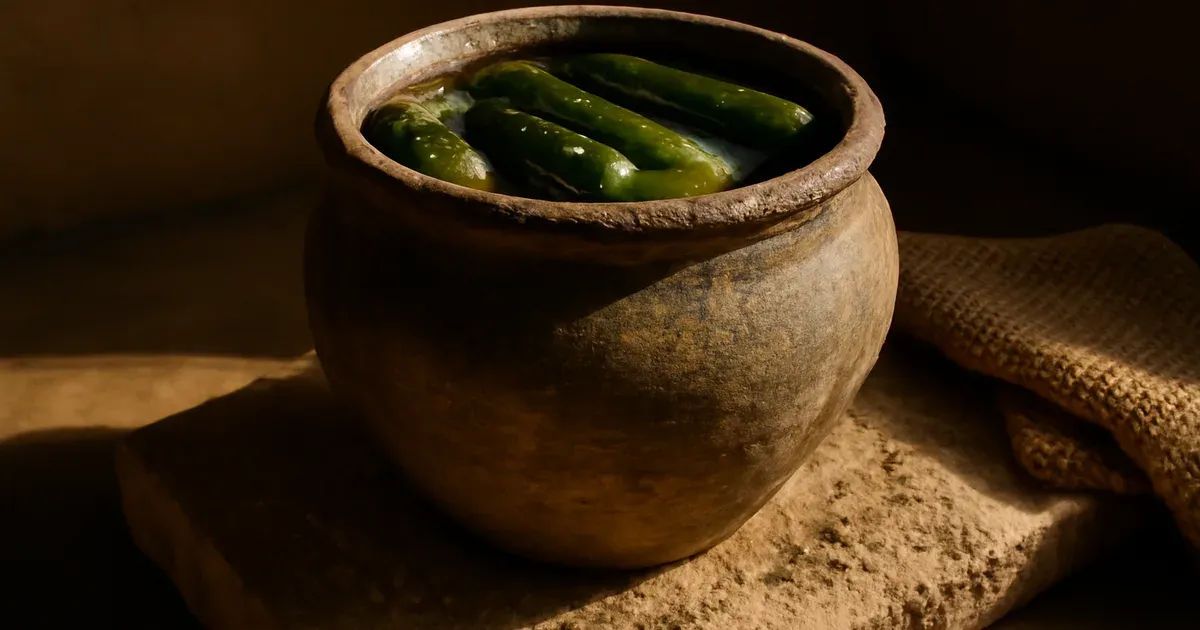
Pickling vegetables dates back to around 2400 BCE in Mesopotamia, making it one of the oldest known food preservation techniques in human history, according to a new essay published by Lithub.com. Authors Paul van Ravestein and Monique Mulder trace the origins of the humble pickle to ancient brining practices that used salt and water to keep cucumbers edible in a hot, unforgiving climate. The practice, they argue, may represent the single most consequential food invention ever made.
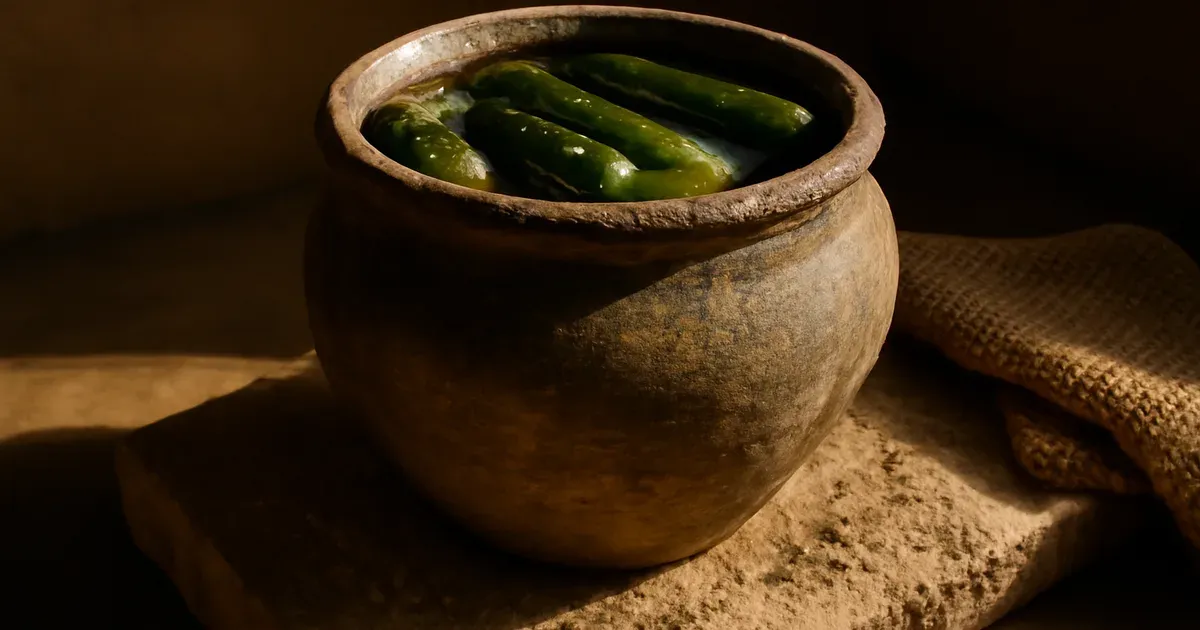
Why This Matters
Food preservation was not a culinary luxury in the ancient world — it was a survival necessity. Per the Lithub.com essay, the hot climate of Mesopotamia made spoilage a constant threat, and brine offered a practical, scalable solution. Salt mixed with water proved capable of inhibiting the microbial activity that causes food to rot, while simultaneously transforming the flavour of raw vegetables. Understanding this history places modern fermentation and gut-health trends in a much older, more consequential context.
Brine, Salt, and the Science Behind the Ancient Method
According to van Ravestein and Mulder, brine — a simple mixture of water and salt — was the core technology that made pickling possible. The solution worked on two levels, per the source: it acted as a preservative by creating an environment hostile to spoilage organisms, and it functioned as a flavour enhancer that made preserved food more palatable. The cucumber, one of the earliest vegetables to be brined, became a central figure in this ancient food revolution.
What This Means for Food and Gut Health Readers
The deep historical roots of pickling lend credibility to the modern scientific interest in fermented and brined foods. Readers following gut health research will recognise brine-preserved vegetables as precursors to today's probiotic-rich foods. The Mesopotamian practice described in the Lithub.com essay suggests that humans have relied on salt-based fermentation for biological benefit for nearly four and a half millennia.
The pickle's story, as told by van Ravestein and Mulder, is ultimately a story about human ingenuity under pressure. What began as a solution to spoilage in ancient Mesopotamia around 2400 BCE has evolved into a global culinary staple with growing scientific relevance. Per Lithub.com, few food inventions have had as lasting or as wide-reaching an impact on human diet and culture.