How to Avoid Junk Food: 6 Science-Backed Tips
Six evidence-backed strategies to help you avoid junk food, manage cravings, and build lasting healthy eating habits.

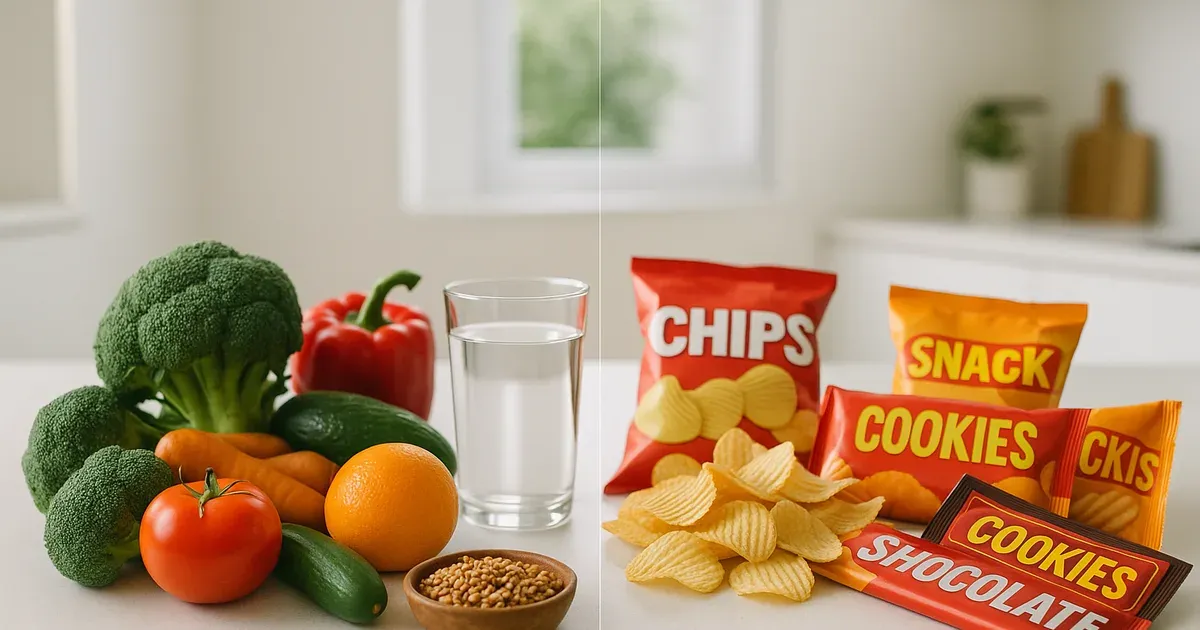
You already know junk food isn't doing you any favours — yet somehow it ends up in your hand anyway. The colours, the smell, the texture, the price: every detail is engineered to pull you in. Understanding why that happens is the first step toward changing it, and that is exactly what this guide covers.
Learning how to avoid junk food is less about willpower and more about setting up the right conditions so your brain and body are never desperate enough to reach for the wrong thing. Below are six evidence-informed strategies you can start using today.
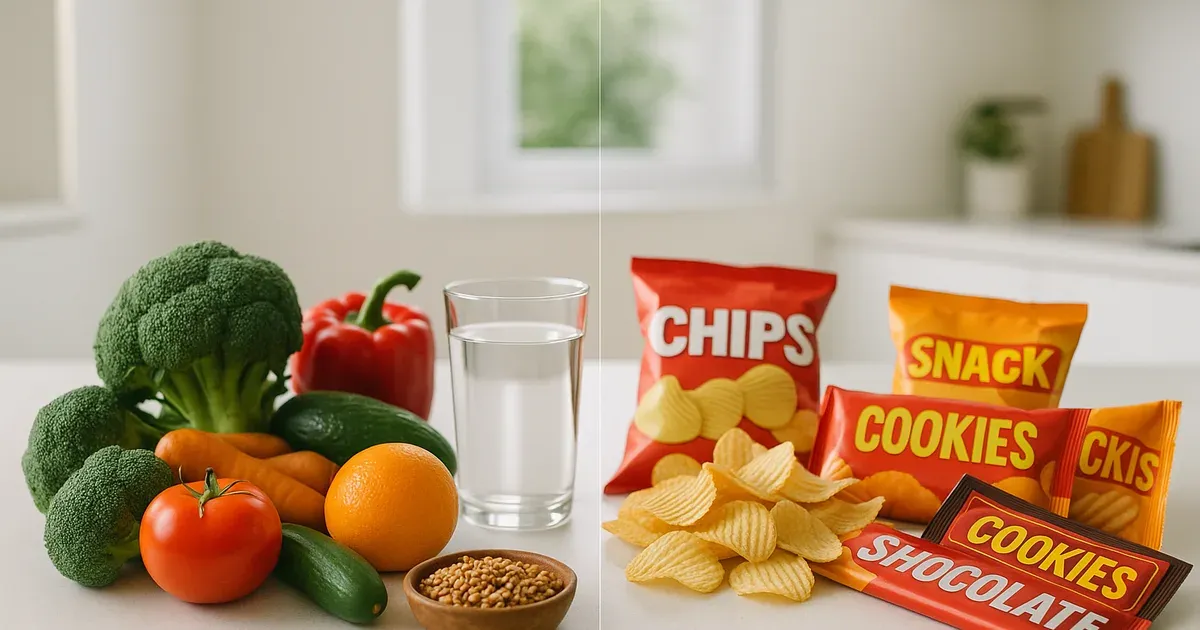
Why Junk Food Is So Hard to Resist
Our food environment is stacked against us. Highly processed snacks and beverages are cheap, convenient, and designed by food scientists to hit every sensory trigger — colour, aroma, crunch, and sweetness — all at once. When those signals reach the brain's reward system, they compete directly with your rational intentions to eat well.
Nutrition experts at Rutgers Cooperative Extension have flagged another problem: calorie-dense, low-nutrient foods quietly displace the foods your body actually needs — vegetables, fruits, whole grains, lean protein, and low-fat dairy. Over time, eating patterns shift without you even noticing.
Food cravings also play a role that most people underestimate. Stress, poor sleep, skipped meals, and sugary drinks can all trigger intense cravings that make ultra-processed options feel like the only option. The six tips below address each of these root causes directly.
Tip 1: Eat Regular Meals Before Hunger Takes Over
Hunger is a powerful neurological signal, not just a growling stomach. When you go too long without eating, your stomach sends urgent messages to the reward centres in your brain, making every food cue you encounter — a fast-food billboard, a vending machine, a colleague's snack — nearly impossible to ignore.
Keeping to a regular meal schedule short-circuits that process. Three balanced meals a day, built around vegetables, fruits, whole grains, and lean protein, keep blood sugar stable and reduce the intensity of mid-afternoon junk food urges.
Skip fad diets. Extreme calorie restriction creates the exact hunger conditions that make highly palatable junk food irresistible. Sustainable, moderate eating habits are far more effective for long-term healthy food choices.
Tip 2: Drink Water and Cut Sugar-Sweetened Beverages
Liquid calories are one of the most overlooked contributors to poor diet quality. Sodas, energy drinks, sports drinks, and sweetened teas all deliver significant calories, yet research suggests the brain does not register them the way it registers solid food. People tend to eat nearly as much food after a sugary drink as they do after drinking plain water — meaning the drink's calories are essentially added on top.
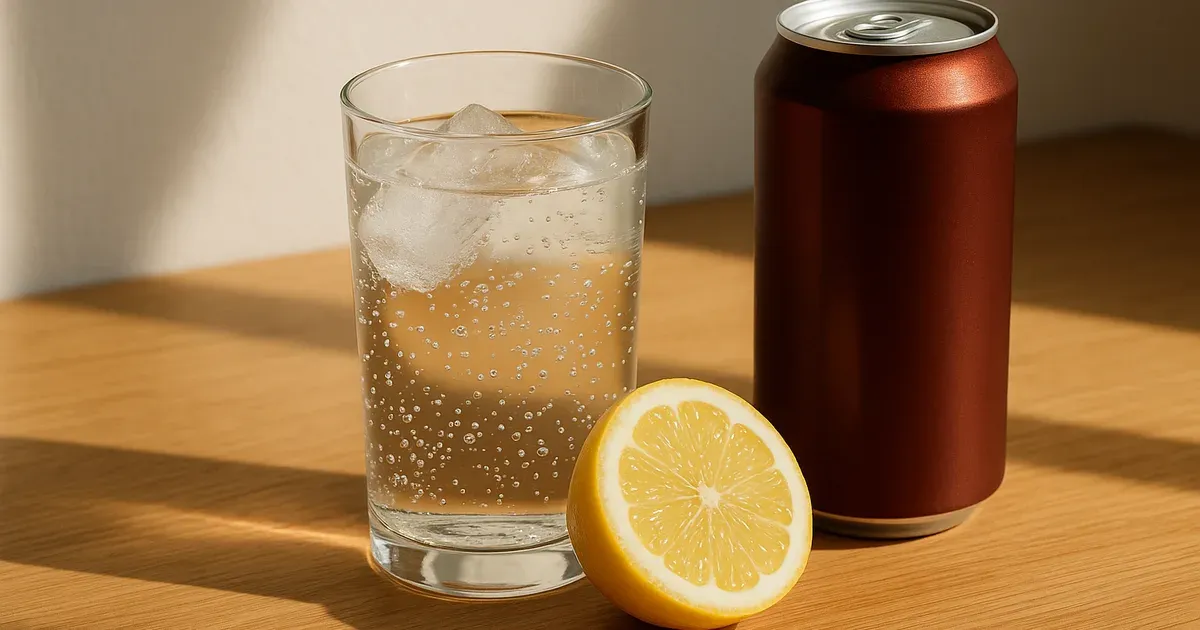
Switching to water as your default drink is one of the simplest changes you can make when learning how to avoid junk food. Start each meal with a full glass of water before reaching for anything else.
If plain water feels boring, try sparkling water, a slice of lemon, or herbal teas with no added sugar. Removing sugar-sweetened beverages from your regular routine reduces both calorie intake and the blood sugar spikes that fuel further cravings later in the day.
Tip 3: Stock Nutritious, Low-Calorie Snacks
Hunger between meals is normal — the mistake is leaving yourself with no healthy option when it strikes. If the only food within reach is a vending machine or a drive-through, the battle is already lost before it begins.
Practical swaps that work:
- A piece of fresh fruit (apple, banana, orange)
- Vegetable sticks — carrot, celery, cucumber — with hummus
- A small handful of unsalted nuts
- Low-fat yogurt with no added sugar
The key is choosing snacks you genuinely enjoy. Forcing yourself to eat food you dislike creates deprivation, and deprivation creates cravings. Find the overlap between "nutritious" and "tastes good to me" — that intersection is where lasting habits are built.

Tip 4: Identify Your Stress Triggers Before They Identify You
Stress and junk food are closely linked at a biological level. When you are under pressure, cortisol rises, blood sugar fluctuates, and the brain begins actively seeking quick energy — usually in the form of high-fat or high-sugar foods. Giving in provides brief relief but causes blood sugar to spike and then crash, leaving energy lower than before and cardiovascular health worse off over time.
The solution is not to eliminate stress — that is not realistic — but to plan your response to it in advance. Options that work for many people include a short walk, a phone call with a friend, five minutes of deep breathing, or a simple task that creates a sense of accomplishment.
When stress does hit, prioritise water and a nutritious snack first. Keeping your body physically balanced during stressful periods makes it dramatically easier to resist the pull of ultra-processed comfort foods.
Tip 5: Protect Your Sleep — Your Diet Depends on It
Sleep deprivation is one of the least-discussed drivers of poor eating. In controlled research settings, adults who slept only four hours a night for five consecutive days ate more food and gained weight. Participants also reported stronger appetite specifically for high-carbohydrate and high-fat foods — exactly the categories that define most junk food.
The mechanism is partly hormonal. Short sleep raises ghrelin (the hunger hormone) and lowers leptin (the satiety hormone), tipping your appetite regulation in the wrong direction before you have even had breakfast.
Aim for seven to eight hours of sleep each night. Regularly sleeping only three to four hours increases the risk of overeating, weight gain, poor work performance, personal injury due to fatigue, and reliance on caffeinated drinks and unhealthy snacks to compensate. Better sleep is not a luxury — it is a nutritional strategy.

Tip 6: Understand the Marketing and Take Small Steps
Television, social media, and online advertising are designed to make junk food look irresistible. Production values are high, portions look generous, and the messaging is relentless. Recognising this as a commercial strategy rather than a genuine food recommendation shifts your perspective significantly.
This does not mean you need to be cynical about every food image you see — it means developing a mild scepticism that gives your rational brain a moment to engage before your impulse takes over. That pause is often all it takes to make a better choice.
Learning how to avoid junk food is not about perfection. Small, consistent steps — choosing water over soda at one meal, swapping an afternoon bag of crisps for an apple, going to bed thirty minutes earlier — compound into meaningful change over weeks and months. The goal is progress in a food environment that makes healthy choices genuinely difficult, not a flawless record.
The Bottom Line
Junk food is not simply a willpower problem. It is a biology problem, a sleep problem, a stress problem, a marketing problem, and a food-environment problem all rolled into one. Tackling it effectively means addressing each layer: eating regularly, hydrating with water, snacking smart, managing stress triggers, prioritising sleep, and staying aware of commercial food messaging.
Each of the six tips above is actionable on its own. You do not need to implement all six at once. Pick the one that addresses your most common failure point — whether that is skipping meals, poor sleep, or stress-driven cravings — and build from there. Small changes in the right direction, repeated consistently, are what genuine healthy eating looks like in practice.