How to Beat Menopausal Belly Fat Fast
5 evidence-backed steps to reduce menopausal belly fat — from HIIT and tai chi to smarter carb and meal-timing strategies.

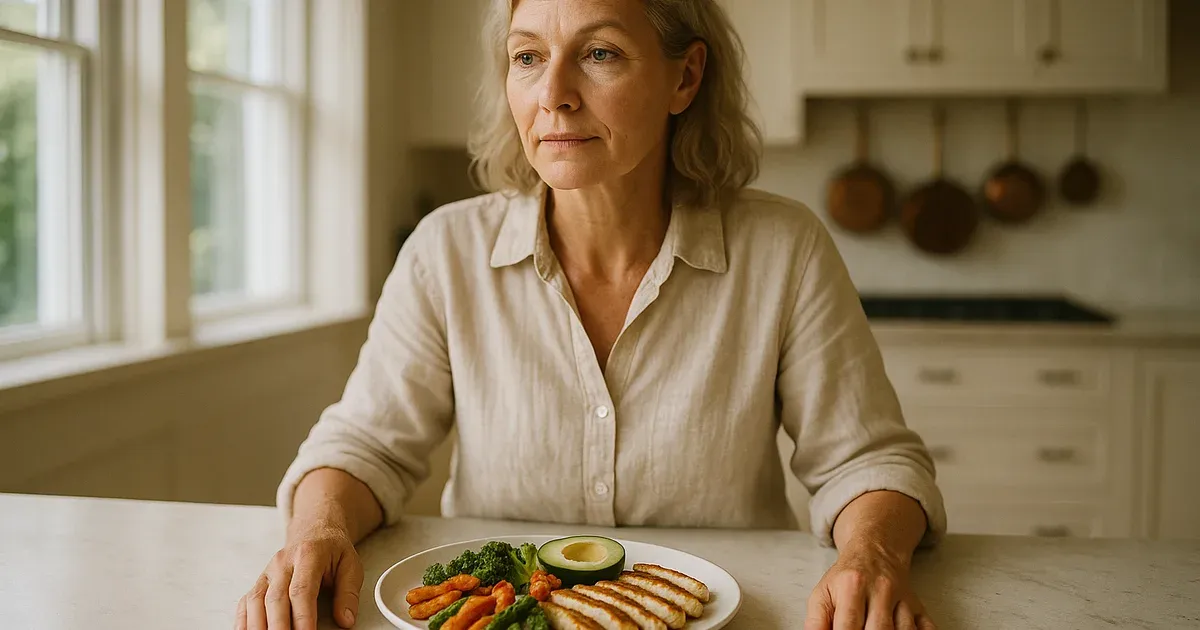
You have been eating the same way for years. You have not changed much about your routine. And yet, almost overnight, your waistband tells a different story. Sound familiar? You are not imagining it — and you are absolutely not alone.
Many women try cutting calories, adding more steps to their day, or skipping dessert entirely, only to see the number on the scale barely budge. The frustrating truth is that the usual playbook no longer works the way it once did. But here is the good news: menopausal belly fat responds to the right strategies, and you do not need to overhaul your entire life to start seeing results.
This guide walks you through exactly what is happening in your body — and the five proven steps that can genuinely shift things in your favour.
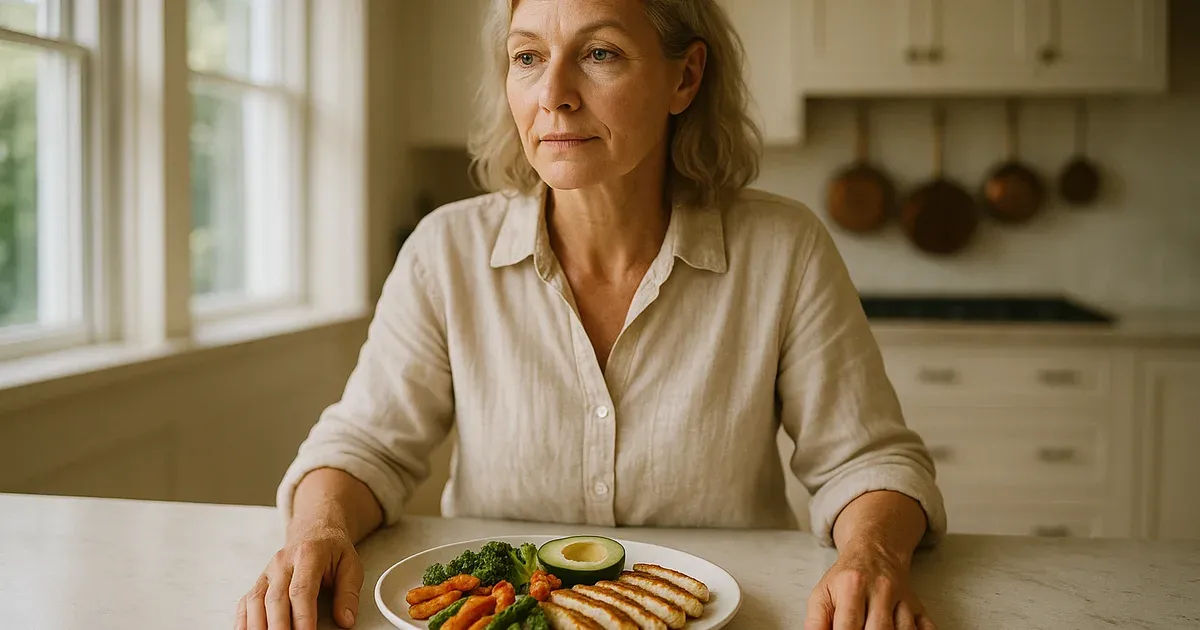
Why Menopausal Belly Fat Happens in the First Place
Hormonal shifts drive the change more than calories do. Before, during, and after menopause, estrogen levels decline steadily. Because estrogen plays a role in regulating where your body stores fat, lower levels tip the balance toward central, abdominal storage — what physician and author Dr. Pamela Peeke memorably calls the "menopot."
Your metabolism slows at the same time. Research suggests the body burns a couple of hundred fewer calories per day during this phase of life. That gap is small enough to feel invisible day-to-day, but large enough to add several pounds of fat per year if eating habits do not adjust.
The health stakes go beyond appearances. A study published in the journal Menopause found that fat accumulating around the middle — even without overall weight gain — raises the risk of cardiovascular disease. Understanding why this is happening makes it easier to choose strategies that actually address the root cause rather than just the symptom.
- Declining estrogen redirects fat storage toward the abdomen
- A slower resting metabolic rate widens the calorie gap
- Prolonged sitting amplifies abdominal fat accumulation
- Refined carbohydrates convert quickly to blood sugar, feeding fat storage
- Meal timing and portion size become more consequential than ever
Step 1: Upgrade Your Exercise With High-Intensity Intervals
What the research shows is clear: moderate exercise alone is no longer enough. Dr. Peeke recommends high-intensity interval training (HIIT) — alternating moderate-effort movement with short bursts of vigorous activity — as the most effective tool for burning menopausal belly fat. The approach targets the deeper visceral fat that accumulates around organs and is hardest to shift.
How to do it without overdoing it: The Centers for Disease Control and Prevention recommends at least 150 minutes of moderate-intensity aerobic activity per week, alongside two or more days of muscle-strengthening work. With a HIIT approach, you replace some of those moderate sessions with interval-based ones — for example, alternating 90 seconds of brisk walking with 30 seconds of jogging.
Strength training is non-negotiable here. Muscle tissue burns more calories at rest, and building it counteracts some of the metabolic slowdown that comes with age. Focus on movements that involve lifting, pushing, and pulling — squats, rows, chest presses — targeting all major muscle groups.
Adjust intensity to where you are now. Dr. Kathryn Boling notes that what worked at 30 looks very different at 60. Someone returning to exercise after years away will find even light intervals genuinely challenging — and that is perfectly fine. Consider working with a personal trainer or physical therapist to build a programme that matches your current fitness level and avoids injury.
Pro tip: Use a fitness tracker to close your daily activity rings or hit a step goal. Small visible targets create consistent motivation over weeks and months.

Step 2: Stay Vertical — Move More Throughout the Day
Every hour you spend sitting works against you. A study published in the Journal of Sport Health and Science found a direct link between prolonged sitting and higher levels of abdominal fat. The fix does not have to be dramatic — it simply means building more movement into the hours between formal workouts.
The principle is straightforward: the longer your body stays in motion, the more calories it burns over the course of a day. Dr. Peeke advises staying "as vertical as possible" — not as a replacement for structured exercise, but as a powerful complement to it.
Practical ways to stay upright more often include standing and pacing during phone calls, taking the stairs instead of texting a family member on another floor, and parking further away from entrances. If your job is desk-based, a sit-stand desk can meaningfully reduce sedentary time — research shows these desks cut sitting duration at work and, as a bonus, have been linked to reductions in neck and shoulder pain.
Think of movement as accumulating. Ten minutes here, five minutes there — it adds up to a meaningfully higher daily calorie burn without requiring any additional dedicated workout time.
Step 3: Rethink Carbohydrates and Meal Timing
Carbohydrates are not the enemy — but processed, refined ones create a specific problem for menopausal women. Dr. Boling puts it plainly: "Carbs are the enemy of the middle-aged woman." When you eat refined carbs like white bread and pasta, they convert rapidly to glucose in the bloodstream. With a slower metabolism, that glucose is more likely to be stored as fat — particularly around the middle.
Research published in the British Journal of Nutrition — the strongest study to date on this topic in a menopause-specific population — found that a reduced-carbohydrate diet may meaningfully decrease the risk of postmenopausal weight gain. The practical shift is to reduce refined carbs (white bread, sugary snacks, processed cereals) while keeping fibre-rich, complex carbohydrates from vegetables, legumes, and whole grains.
Meal timing matters more than many people realise. Nutrition expert Christine Palumbo, RDN, points to a growing body of research suggesting that three structured meals a day outperform the once-popular five-or-six-small-meals approach for weight management. She recommends starting with a protein-rich breakfast, eating your largest meal at midday, and keeping supper light.
- Swap white bread and pasta for legumes, oats, and vegetables
- Start the day with lean protein to stabilise blood sugar from the outset
- Eat your main meal at noon rather than in the evening
- Be mindful of alcohol, which adds sugar and disrupts sleep
- When eating out, order appetisers as mains and box up half of larger dishes
Pro tip: Reducing restaurant meals is one of the easiest ways to control portions and cut hidden sugars — home-cooked food gives you full visibility over what goes in.
Step 4: Add Tai Chi as a Low-Impact Belly Fat Fighter
If high-intensity exercise feels out of reach right now, tai chi is a surprisingly powerful alternative. A study published in the Annals of Internal Medicine, conducted in Hong Kong, found that adults aged 50 and older with central obesity who practised tai chi for 12 weeks reduced their waistlines as effectively as those doing conventional aerobic exercise and strength training for the same period.
The study authors concluded that tai chi provides "health benefits similar to those of conventional exercise" and offers a more accessible option for middle-aged and older adults managing abdominal fat. The practice combines slow, flowing movements with deliberate breathing — lowering cortisol (the stress hormone strongly linked to belly fat storage) while gently building strength and balance.
Tai chi is particularly valuable if joint pain, injury, or low energy make higher-impact exercise difficult. Classes are widely available in community centres, online, and through apps, making it one of the most accessible additions to an anti-belly-fat routine.
Step 5: Control Portions Without Constant Calorie Counting
You do not need to track every morsel — but you do need to be honest about portions. With metabolism burning a couple of hundred fewer calories per day, even small habitual overeating adds up to noticeable weight gain across a year. Palumbo notes that extra weight "can very quickly add up if you don't reduce the number of calories you consume."
The goal is awareness, not obsession. Practical tools include using smaller plates, serving food in the kitchen rather than placing large dishes on the table, and being deliberate about second helpings. When eating out, ask for a to-go container at the start of the meal and portion half away before you begin eating.
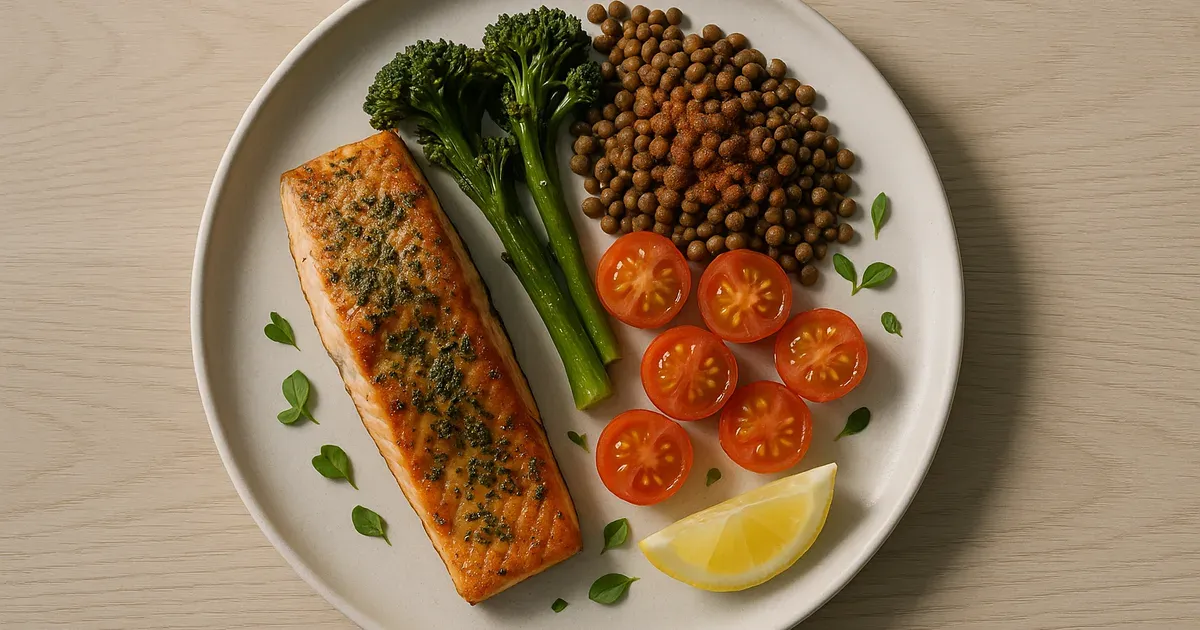
Focus especially on the quality of what fills your plate. Lean protein at every meal — eggs, fish, poultry, legumes — supports muscle retention and keeps you fuller for longer, reducing the likelihood of snacking on processed foods between meals.
- Use smaller plates and bowls at home
- Pre-portion restaurant meals into a to-go box before eating
- Build every meal around a lean protein source
- Eat slowly — it takes 20 minutes for satiety signals to reach the brain
- Avoid eating in front of screens, which is linked to unconscious overeating

What to Expect: A Realistic Timeline
Weeks 1–2: Energy and mood often improve first as blood sugar stabilises from reduced refined carbs and more consistent meal timing. The scale may not move much yet — this is normal.
Weeks 3–4: Consistent HIIT and strength training begin to build lean muscle. You may notice clothes fitting differently before the scale reflects significant change. Waist measurements are a more useful metric than weight alone at this stage.
Months 2–3: Cumulative effects of movement, dietary changes, and reduced sitting time become visible. Research on tai chi showed meaningful waist reduction after 12 weeks — a useful benchmark for any consistent programme.
Beyond 3 months: Sustainable habits — not short-term fixes — drive continued results. Dr. Stephanie Faubion, medical director of the Menopause Society, frames it clearly: "It can be hard, but it is possible to do it."
Mistakes That Slow Your Progress
- Relying only on cardio and skipping strength training. Muscle mass is the engine of your metabolism — without building it, fat loss stalls.
- Eating "healthy" foods in unchecked quantities. Nuts, avocado, and whole grains are nutritious but calorie-dense; portions still matter.
- Sitting all day and relying on a single workout to compensate. One hour of exercise cannot undo eight hours of inactivity.
- Cutting carbs but ignoring meal timing. When you eat matters as much as what you eat during the menopausal transition.
- Expecting the same results as your younger self on the same programme. Adjusting expectations and methods to match your current biology is not giving up — it is working smarter.
What Can Help You Get There Faster
Tracking tools: A fitness watch or even a simple step-counter creates visible daily accountability. Closing activity rings or hitting a daily movement goal has been shown to sustain motivation in a way that vague intentions rarely do.
Structured programmes: Working with a personal trainer experienced in menopause-specific fitness, or joining a tai chi class, removes guesswork and reduces injury risk. Many physiotherapists also offer programmes tailored to women in midlife.
Nutritional support: A registered dietitian nutritionist (RDN) can build a meal plan that reduces refined carbs and optimises protein intake without making daily eating feel restrictive. Group programmes or apps focused on menopause nutrition are also increasingly available and evidence-informed.
Quick-Reference Summary
✅ Step 1: Add HIIT intervals to your weekly exercise routine alongside two days of strength training ✅ Step 2: Stay vertical throughout the day — stand, pace, and use a sit-stand desk if possible ✅ Step 3: Cut refined carbs, eat three structured meals, and make lunch your largest ✅ Step 4: Try tai chi — 12 weeks of practice matches conventional exercise for waist reduction ✅ Step 5: Manage portions mindfully, prioritise lean protein, and reduce restaurant eating
Beating menopausal belly fat is genuinely possible — not through punishment or perfection, but through targeted, consistent changes that work with your changing biology rather than against it. The strategies above are backed by evidence and endorsed by specialists in women's health. Start with one step, build the habit, then add the next. Your body is not working against you — it is simply asking for a different approach.