How to Clear Hormonal Acne from the Inside Out
Topical skincare alone rarely clears hormonal acne for good. Here's the evidence-based inside-out approach — diet, gut health, key supplements, and the right topical strategy — that actually works.

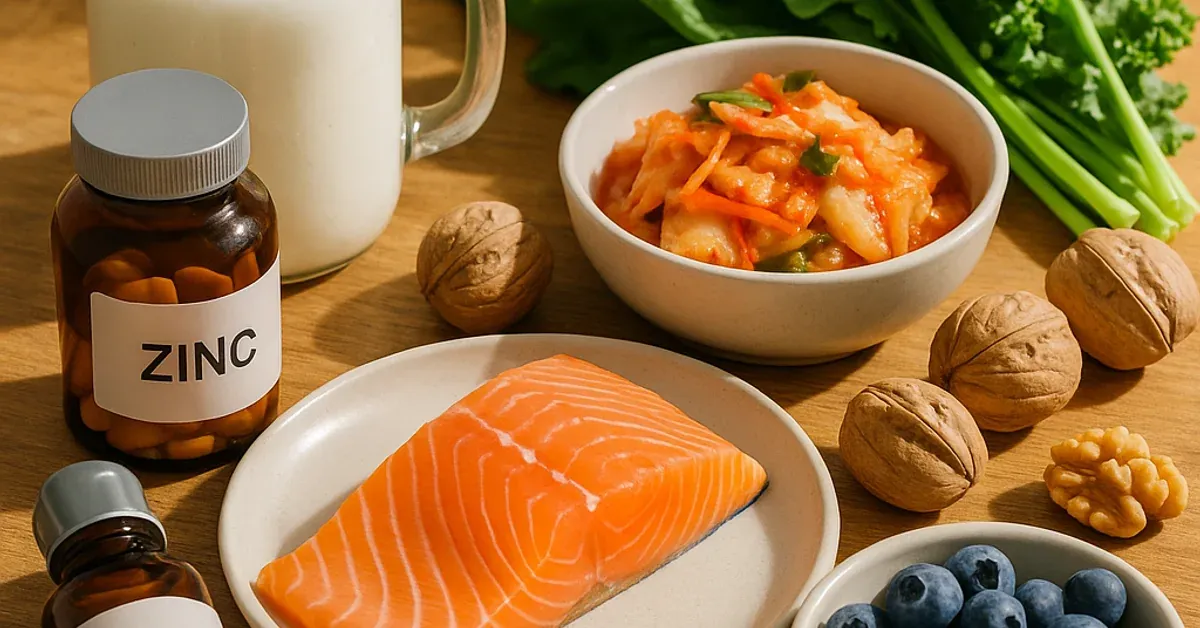
If you have been fighting hormonal acne with an arsenal of topical products and seeing limited results, it is probably not because you have the wrong serum. It is because the problem is upstream — in your hormones, your gut, and what you eat — and no amount of salicylic acid can fix those from the outside.
The good news is that the approach that works for hormonal acne is well-mapped. It is not complicated, but it does require consistency and patience. This guide lays it out step by step.
Before you start: If your acne is severe, cystic, or causing significant psychological distress, see a dermatologist first. The steps below are most effective for mild to moderate hormonal acne and as a complement to medical treatment.
Step 1: Identify Your Pattern
Before changing anything, spend two to four weeks tracking your breakouts. Note:
- When spots appear in your cycle (pre-menstrual flare? constant?)
- Where they appear (lower face and jaw suggests hormonal; forehead and nose is more often sebum/gut-linked)
- What you ate in the 24–48 hours before a flare
- Your stress and sleep in the days preceding a breakout
- Digestive symptoms — are you bloated, irregular, or uncomfortable around the same time?
This data will tell you which drivers are most prominent for you. If breakouts are tightly cyclical and confined to the jaw, hormonal management is the primary lever. If they correlate with food, stress, and digestive symptoms, gut health is the priority. Most people find it is both.
Step 2: Reduce the Main Dietary Triggers
Diet is not the cause of acne for everyone, but the evidence that it modulates severity is now strong enough that it is worth addressing early. The changes most consistently associated with reduced acne are:
Lower your glycaemic load. Swap refined carbohydrates (white bread, pasta, sugary cereals, crisps) for wholegrain alternatives. Reduce sugary drinks and snacks. Eat protein and fat alongside carbohydrates to blunt the insulin response. This doesn't mean elimination — it means shifting the overall balance.
Reduce dairy, especially skimmed milk. This is the most consistent dietary signal in the literature. You don't need to cut all dairy, but reducing liquid milk (particularly in coffee and cereal) and tracking whether your skin responds is a worthwhile experiment. Hard cheeses and fermented dairy (yoghurt, kefir) appear to be less problematic.
Eat more fibre. Fibre feeds the gut bacteria that regulate oestrogen clearance and reduce systemic inflammation. Aim for a variety of plant foods: vegetables, legumes, nuts, seeds, whole grains. Diversity matters as much as quantity.
Reduce ultra-processed food. Beyond their glycaemic and dairy content, ultra-processed foods are associated with gut dysbiosis, which links back to skin inflammation.
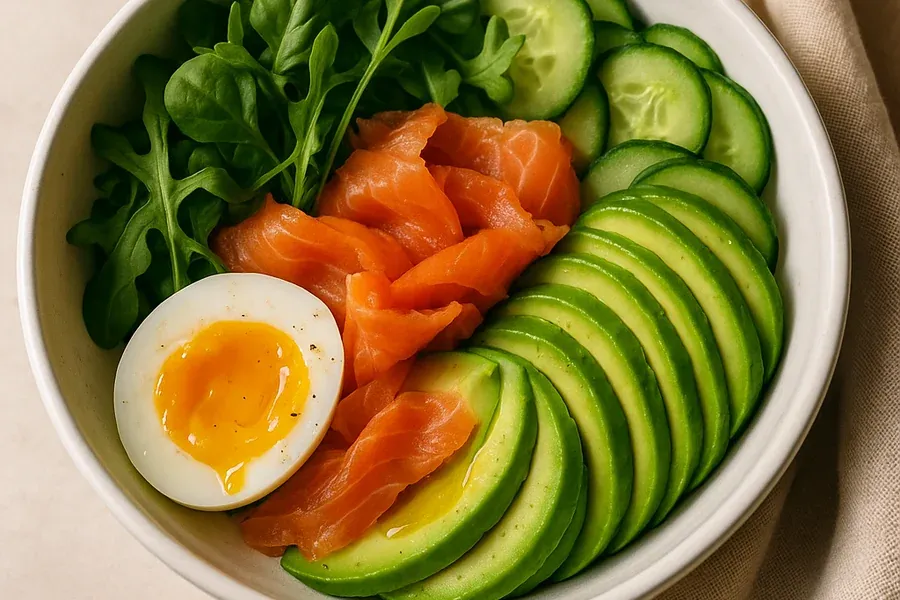
Add anti-inflammatory foods. Oily fish (salmon, mackerel, sardines), walnuts, flaxseed, olive oil, and colourful vegetables all reduce inflammatory signalling. These don't need to be in every meal — three to four servings of oily fish per week makes a meaningful difference.
Give dietary changes six to eight weeks before assessing impact. Skin cell turnover takes approximately 28 days, and microbiome adjustments take a similar timeframe.
Step 3: Support Your Gut Microbiome
If your skin breakouts correlate with digestive symptoms, or if you've had multiple courses of antibiotics (which disrupt the microbiome), gut support is particularly important.
Eat fermented foods daily. Kefir, natural yoghurt, kimchi, sauerkraut, kombucha, and miso all introduce beneficial bacterial species and support microbiome diversity. Start with small amounts if your gut is sensitive — a tablespoon of kimchi with a meal, or half a glass of kefir.
Increase prebiotic foods. Prebiotics feed your existing good bacteria. Best sources: garlic, onion, leeks, asparagus, oats, slightly underripe bananas, and cooked-then-cooled potatoes and rice.
Consider a targeted probiotic. For gut-linked acne, Lactobacillus rhamnosus, Lactobacillus acidophilus, and Bifidobacterium longum have the most evidence. Look for a multi-strain product with at least 5–10 billion CFU. Take daily for a minimum of eight weeks to see results.
Avoid unnecessary antibiotics. This is particularly relevant for acne treatment: oral antibiotics (tetracyclines, erythromycin) are commonly prescribed for acne but cause significant microbiome disruption. If oral antibiotics are recommended, discuss whether gut-supportive measures can be taken alongside them.
→ Understanding the gut-acne connection in more detail
Step 4: Address Key Nutrient Deficiencies
Three nutrients are worth checking and supplementing for hormonal acne:
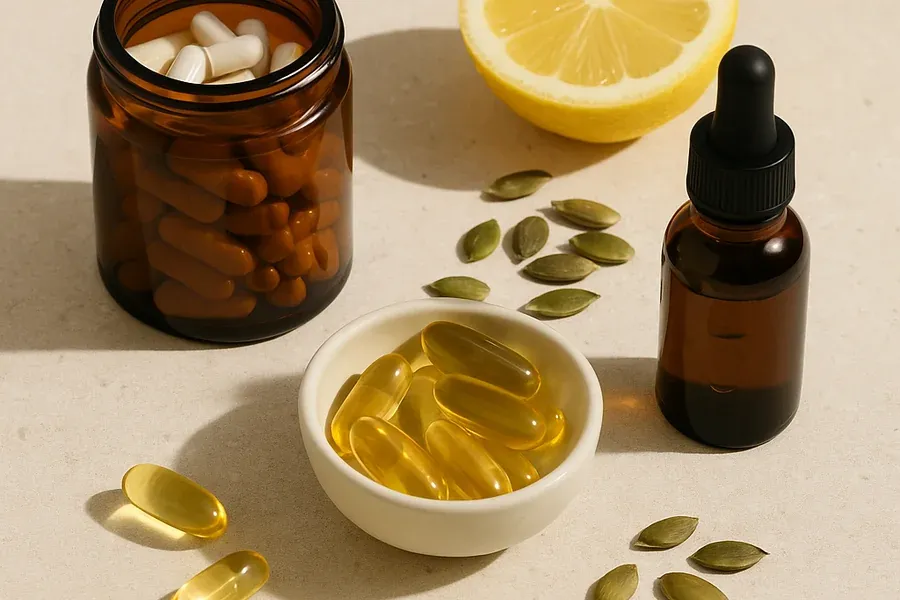
Zinc
Zinc is the most studied supplement for acne, with evidence from multiple randomised controlled trials. It inhibits C. acnes (the bacterium central to acne inflammation), reduces sebum production, and has direct anti-inflammatory activity.
Dose: 25–45mg elemental zinc daily (from zinc gluconate, zinc picolinate, or zinc acetate). Take with food to reduce nausea. Zinc competes with copper for absorption — if supplementing long-term, consider a zinc and copper complex.
Timeline: Most studies report meaningful improvements in acne lesion count within eight to twelve weeks.
Vitamin D
Low vitamin D is significantly more prevalent in people with acne than in those with clear skin. Vitamin D regulates immune responses and has direct antimicrobial activity against C. acnes.
Dose: 1,000–2,000 IU daily as a maintenance dose; if testing reveals deficiency, a GP may recommend higher doses short-term. Vitamin D3 is the most bioavailable form; take with food containing fat.
Omega-3 Fatty Acids
Omega-3s reduce the inflammatory signalling (particularly leukotriene B4) that drives acne lesion formation. A 2012 randomised trial found significant reductions in both inflammatory and non-inflammatory acne lesions after 10 weeks of omega-3 supplementation.
Dose: 1,000–2,000mg EPA+DHA daily from fish oil or algal oil (algal is vegan and equally bioavailable). Take with the largest meal of the day.
Step 5: Manage Stress and Sleep
Cortisol directly stimulates androgen production, sebum output, and gut permeability — all of which worsen acne. If your skin consistently flares during high-stress periods, stress management is not a soft add-on. It is a core part of treatment.
For sleep: Prioritise seven to nine hours. Sleep deprivation elevates cortisol, impairs overnight skin repair, and disrupts the gut microbiome. A consistent sleep schedule — same time to bed and wake even at weekends — produces more stable cortisol rhythms.
For stress: The approach matters less than the consistency. Exercise, particularly moderate-intensity aerobic activity, reliably reduces cortisol. Brief mindfulness practices (even 10 minutes daily) have measurable effects on inflammation markers. Building in genuine rest — not screen-based — helps the parasympathetic nervous system downregulate.
Step 6: Build a Targeted Topical Routine
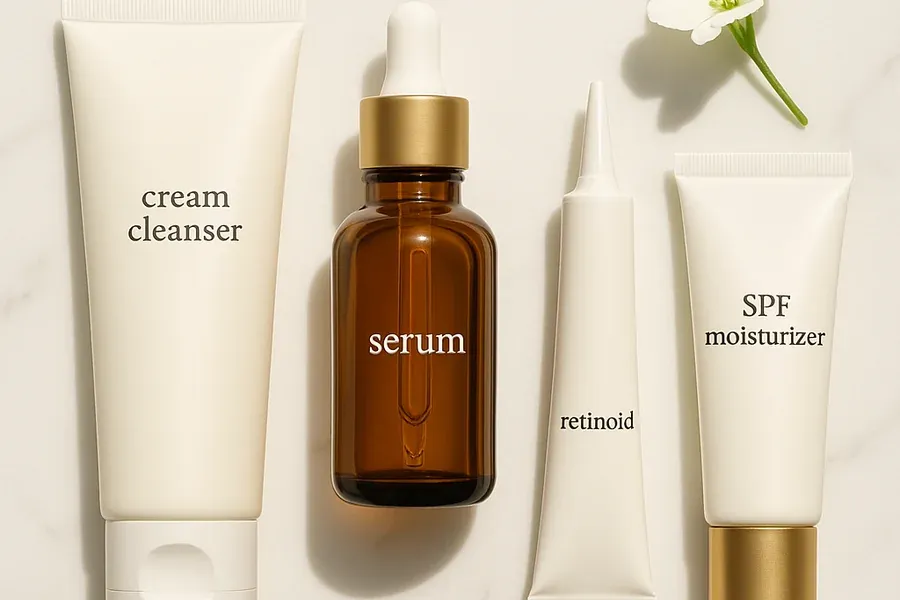
Inside-out treatment does not replace topical skincare — it makes topical skincare work better, because you are no longer fighting a constant tide of sebum and inflammation from within. A simple, active-focused routine:
Morning
- Gentle cleanser — avoid foaming surfactants (SLS/SLES) that strip the skin barrier
- Niacinamide serum (5–10%) — reduces sebum production, strengthens barrier, reduces hyperpigmentation
- Lightweight moisturiser — choose non-comedogenic, fragrance-free
- SPF 30–50 — daily, no exceptions; many acne medications and actives increase UV sensitivity
Evening
- Gentle cleanser
- Retinoid — start two to three nights per week, build up gradually; this is the most evidence-backed category for acne
- Over-the-counter: adapalene (0.1%) is available without prescription in the UK and is highly effective
- Prescription options: tretinoin (stronger, faster, requires GP)
- Moisturiser (apply before retinoid if experiencing significant dryness — "sandwich" method)
Optional spot treatment: Benzoyl peroxide (2.5–5%) targeted only to active spots, not all-over use. Azelaic acid (10–15%) is a gentler alternative with good evidence for both acne and post-inflammatory hyperpigmentation.
What to avoid: Alcohol-based toners, physical scrubs and exfoliating brushes, multiple acids layered together, and fragranced products.
→ If your skin flares after starting a new product, read: Skin Purging vs Breaking Out
How Long Will This Take?
Realistic timeline for an inside-out approach:
| Timeframe | Expected Changes |
|---|---|
| Week 1–2 | Dietary changes begin; gut adjustments starting |
| Week 4–6 | Possible temporary purging if starting retinoid; first microbiome shifts |
| Week 8–10 | Zinc and omega-3 effects becoming visible; gut-linked flares reducing |
| Week 12 | Retinoid showing meaningful improvement; overall pattern shifting |
| Month 4–6 | Full effects of combined approach; sustainable skin health established |
The common mistake is abandoning the approach at six to eight weeks, precisely when things are beginning to change. Skin remodelling and microbiome stabilisation are slow processes. Give a consistent approach twelve weeks before evaluating.
When to See a Doctor
The inside-out approach is most effective for mild to moderate hormonal acne. You should see a GP or dermatologist if:
- Acne is severe, cystic, or nodular
- There are signs of scarring
- Acne is causing significant anxiety or depression
- You suspect an underlying hormonal condition (PCOS, thyroid issues)
- No improvement after four to six months of consistent effort
Medical options — oral contraceptives, spironolactone, isotretinoin — are legitimate and highly effective tools. Inside-out approaches work best alongside, not instead of, medical care where it is needed.
→ See a real-life account: My Hormonal Acne Cleared Up When I Fixed My Gut
→ Full background: The Complete Guide to Hormonal Acne and the Gut-Skin Axis
→ Understand the root causes first: What's Really Causing Your Adult Acne