How to Cut Junk Food From Your Diet
Eight practical strategies to cut junk food from your daily diet — without feeling deprived — so treats stay enjoyable and your body gets what it needs.

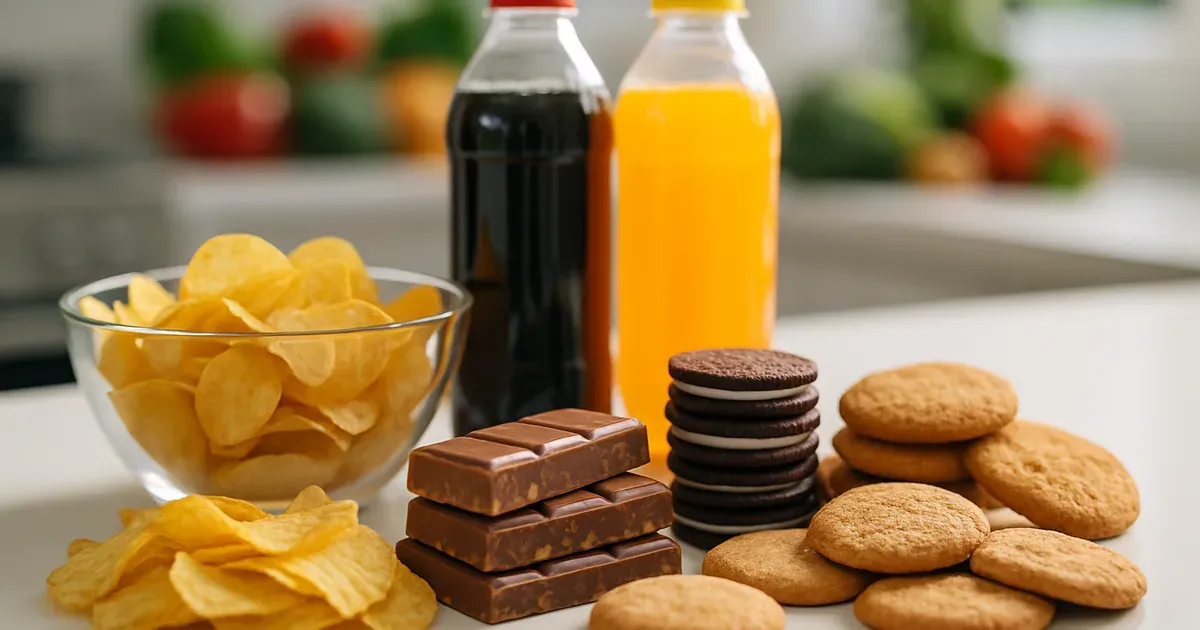
You reach for one biscuit and somehow finish the packet. Sound familiar? Junk food is designed to be hard to stop eating — and the cycle of craving, snacking, and guilt can feel impossible to break. The good news is that cutting junk food from your daily routine doesn't mean giving up the foods you love forever. It means shifting them from habit to genuine treat, so your body gets the nutrients it needs and you actually enjoy indulgences more when they happen.
This guide gives you eight practical, evidence-backed strategies to cut junk food from your diet — without feeling deprived.
Why Junk Food Is So Hard to Quit
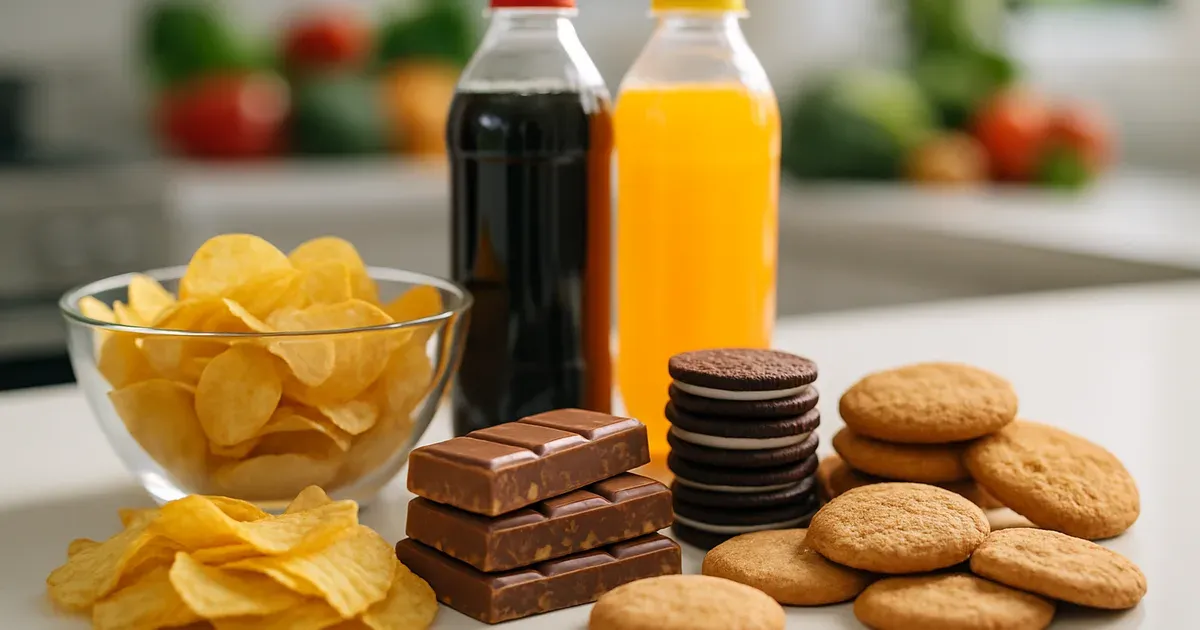
Chips, cakes, biscuits, chocolate, lollies, and sugary drinks share one thing in common: they are highly processed, packed with energy, and almost empty of real nutrients. They deliver added sugar, saturated fat, and salt — a combination engineered to keep you coming back.
The satisfaction doesn't last. Because these foods don't fill you up, you eat more to chase the feeling of fullness, which never quite arrives. Cravings then intensify rather than ease, and some research has suggested that junk foods — particularly sugary ones — may be as habit-forming as alcohol or drugs, though the science is still developing.
The practical cost is real too. Regular junk food spending adds up quickly, and the energy crash that follows a high-sugar snack can leave you feeling flat, unfocused, and reaching for more. Ditching the daily junk food habit can save money, stabilise your energy, and improve your mood.
1. Plan Your Snacks Before Hunger Strikes
Hunger is the enemy of good decisions. When you're genuinely hungry and there's nothing wholesome nearby, a vending machine or corner-shop chocolate bar becomes the path of least resistance. The fix is simple: keep healthy snacks within easy reach at all times.
A piece of fruit, a small container of yoghurt, a handful of nuts, or some crackers and cheese in your bag or the office fridge means you always have a better option ready. Planning snacks in advance removes the moment of temptation entirely. You don't need willpower if the decision has already been made.
2. Rethink What You Drink to Cut Junk Food
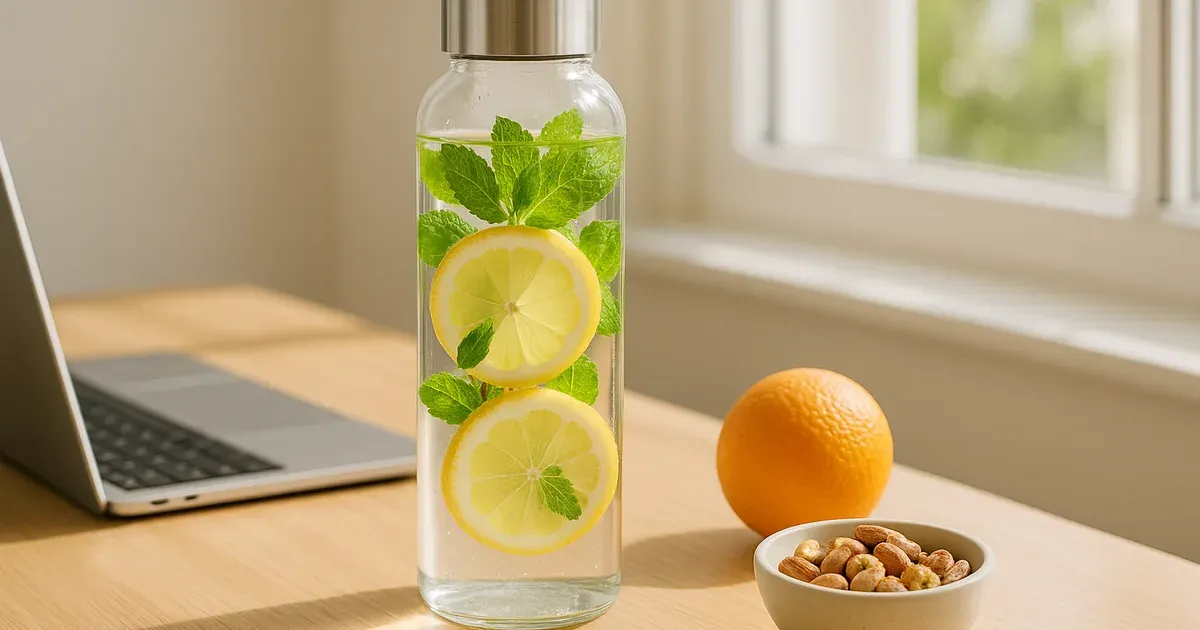
Liquid sugar is one of the easiest ways to consume excess calories without realising it. Soft drinks, fruit juices, sports drinks, and energy drinks all contribute significant added sugar with very little nutritional return. Swapping these for water is one of the single most effective changes you can make.
Carry a reusable water bottle and keep it filled. If plain water feels unappealing, try it chilled, sparkling, or infused with lemon and fresh mint. The habit forms faster than most people expect, and cravings for sweet drinks tend to diminish within a couple of weeks once your palate adjusts.
3. Build Meals Around Protein and Whole Foods
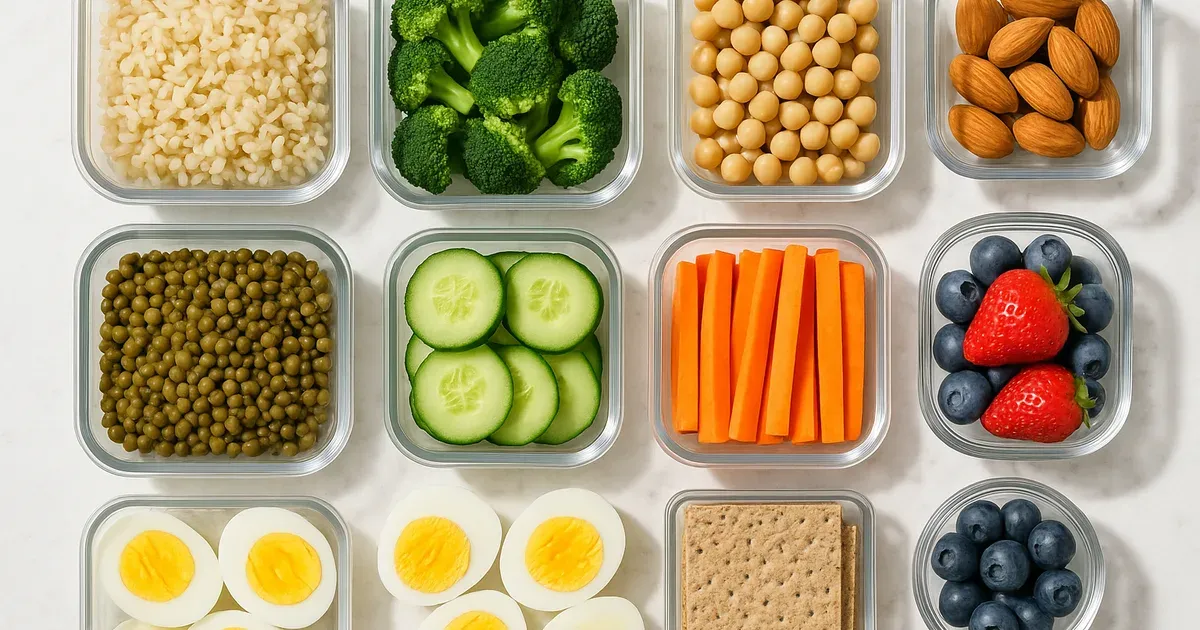
Protein is your best tool for staying full between meals. Foods like legumes (chickpeas, kidney beans, lentils, baked beans), nuts, tofu, lean meat, chicken, eggs, fish, cheese, yoghurt, and milk all slow digestion and keep hunger at bay for longer. When meals are protein-rich, the urge to snack on junk between them weakens considerably.
The broader principle is to base your diet on whole, minimally processed foods — vegetables, fruit, wholegrains, legumes, nuts, and seeds. The less processed your meals, the more satisfied your body feels. Processed junk tends to fill gaps left by nutrient-poor eating, so fixing the meals often fixes the snacking.
A nutritious breakfast sets the tone for the entire day. Porridge, an omelette, baked beans, peanut butter on wholegrain toast, or yoghurt with fruit all provide sustained energy and reduce the likelihood of cravings hitting by mid-morning. If time is short, a banana or a slice of wholegrain toast is far better than skipping breakfast entirely.
4. Make Smarter Swaps Instead of Going Cold Turkey
Cutting junk food doesn't mean cutting enjoyment. For most people, an all-or-nothing approach leads to restriction, frustration, and eventual overindulgence. A more sustainable strategy is replacing junk food with healthier alternatives that still satisfy the same urge.
Here are swaps that genuinely work:
- Chocolate bar → a nut bar or a small handful of mixed nuts. You still get something sweet and satisfying, with added protein and healthy fats.
- Bag of chips → unbuttered popcorn. Homemade is best, but plain shop-bought popcorn is a reasonable substitute with a fraction of the saturated fat.
- Biscuits → homemade oat-based biscuits made with real fruit and reduced sugar. Knowing what's in them changes how you relate to them.
- Lollies → frozen blueberries or a handful of grapes. The cold, sweet hit scratches the same itch.
- Savoury snacks → wholegrain crackers with cheese or hummus. More fibre, more protein, and just as satisfying.
The goal isn't perfection — it's progress. Each swap you make consistently is a small win that adds up over time.

5. Practise Mindful Eating to Reduce Overconsumption
Distracted eating is one of the main reasons people overeat junk food. Snacking in front of the TV, scrolling on your phone, or eating in the car disconnects you from the experience of eating. You consume more without registering it — and you don't even get the enjoyment you were looking for.
Try eating meals at a table with screens off. Pay attention to flavour, texture, and how full you're feeling. This doesn't mean every meal needs to be a slow ceremony, but even a few minutes of undistracted eating helps your brain register what you've consumed.
When you do have a treat, make it count. Focus on the taste, slow down, and actually enjoy it. Mindful indulgence tends to satisfy cravings more completely than absent-minded snacking through half a bag of chips while watching television.
6. Change What You Buy and How You Shop
Junk food you don't buy is junk food you won't eat. Supermarkets are designed to tempt you — bulk deals on large bags of chips, king-sized chocolate bars at the checkout, multi-buy offers on biscuits. These promotions encourage you to stockpile snacks that you then consume faster than intended simply because they're there.
A practical rule: only buy junk food in snack-sized portions, and only when you specifically want it — not as part of the weekly routine shop. If a large packet of chips isn't sitting in your cupboard, you won't eat it on a Tuesday night out of boredom.
Apply the same logic to takeaways. Most fast food meals are bundled with soft drinks, up-sizing options, and dessert add-ons that dramatically increase the sugar and saturated fat content. Saving takeaways for an occasional, deliberate treat — rather than a default weeknight dinner — is one of the most effective ways to cut junk food from your regular diet. Taking lunch to work on most days is a straightforward alternative that also saves money.
Frequently Asked Questions About Cutting Junk Food
Will I get cravings when I cut junk food?
Yes, especially in the first week or two. Cravings for sugar and salty snacks are a normal response when your body adjusts to eating less processed food. They typically ease within 10–14 days as your palate recalibrates. Keeping healthy snacks on hand and staying well hydrated makes this transition significantly easier.
Can I ever eat junk food again?
Absolutely. The goal is not elimination but balance. A treat eaten occasionally and mindfully is part of a healthy relationship with food. The aim is to stop junk food being a daily habit and start treating it as an actual treat — something you choose intentionally rather than reach for automatically.
How quickly will I notice a difference?
Many people notice improved energy within days. Better sleep, more stable mood, reduced afternoon energy crashes, and clearer skin are commonly reported within the first few weeks of consistently reducing processed food intake. Weight changes, where relevant, tend to follow over weeks and months.
Is it more expensive to eat healthily?
Not necessarily. Whole foods like oats, eggs, legumes, seasonal vegetables, and fruit are among the most affordable foods available. The perception that healthy eating is expensive often comes from comparing premium health products to discounted junk food. Basic whole foods, prepared at home, are almost always cheaper per meal than takeaways or packaged snacks.
The Bottom Line
Cutting junk food from your diet is less about willpower and more about structure. Plan your snacks, stock your kitchen with whole foods, build meals around protein, swap rather than eliminate, and shop with intention. Small, consistent changes compound quickly — and your body and bank account will both feel the difference.
All foods can fit into a healthy diet. The aim is simply to eat more of what nourishes you and less of what doesn't. The more whole, minimally processed foods you build your days around, the less appeal the packet of biscuits in the break room will hold.