How to Cycle Sync in 4 Steps (Without Overhauling Your Life)
Learn how to cycle sync your diet, exercise, and daily life across your four menstrual phases to reduce PMS, boost energy, and feel your best.


You already know the feeling. The week before your period, motivation vanishes, cravings hit hard, and the idea of a high-intensity workout feels almost cruel. Then, seemingly out of nowhere, you have a week where you feel sharp, social, and unstoppable — and you have no idea why.
Most people spend years fighting these shifts, pushing through fatigue with caffeine, forcing themselves to exercise on empty reserves, or feeling guilty for "falling off" their routine. The problem isn't willpower. The problem is working against your hormones instead of with them.
Cycle syncing offers a different approach — one that adapts your diet, exercise, work, and social life to the four phases of your menstrual cycle. No extreme plans, no supplements required. Just a smarter way to listen to the body you already have.

Why Energy and Mood Fluctuate Throughout Your Cycle
Your menstrual cycle is not just "on" or "off." It is a four-phase biological rhythm — called an infradian rhythm — driven by the rise and fall of key hormones including estrogen, progesterone, and testosterone. These hormonal shifts directly influence your mood, appetite, energy, creativity, and even your social drive.
Here is what is happening beneath the surface:
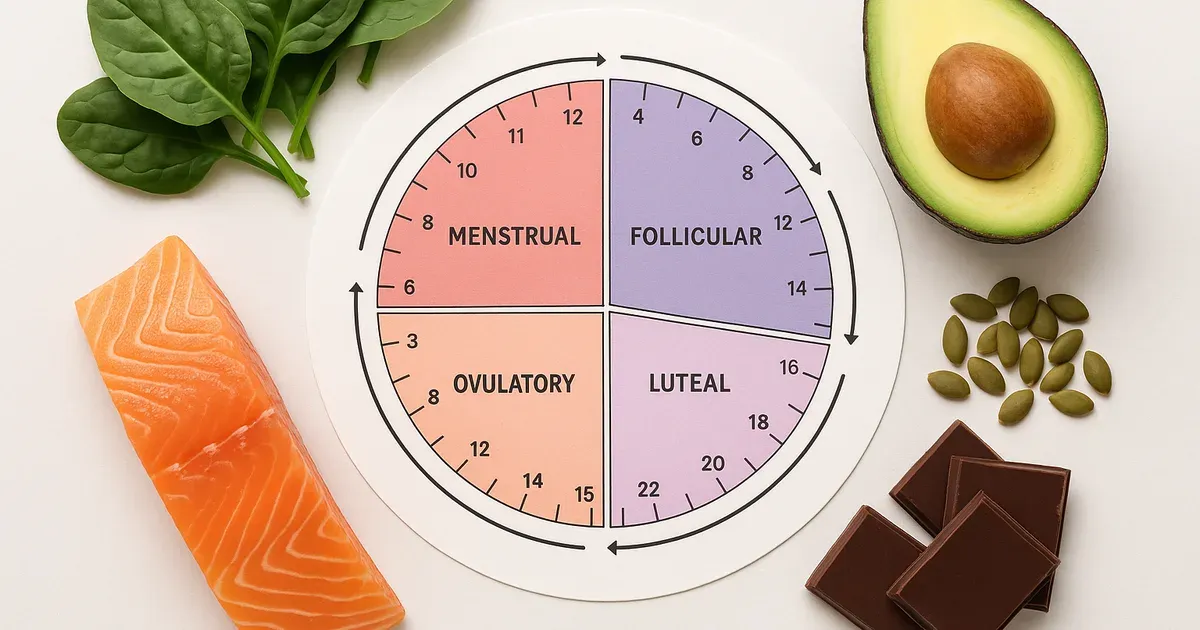
- Menstrual phase (days 0–7): Estrogen is at its lowest. Energy and mood tend to dip. Rest is not laziness — it is biologically appropriate.
- Follicular phase (days 8–13): Estrogen begins rising. Mental clarity improves, energy builds, and motivation returns.
- Ovulation phase (days 14–15): Estrogen and testosterone peak together. This is your highest-energy, most socially engaged window.
- Luteal phase (days 16–28): Progesterone rises as estrogen falls. PMS symptoms, hunger, and fatigue can emerge — especially toward the end.
The critical insight is that these phases are predictable. Once you map your own cycle, you can stop being surprised by your body and start planning around it. Psychologist Susan Albers, PsyD, puts it plainly: "The idea that you can and should listen to your body is revolutionary."
Step 1: Track Your Cycle and Map Your Four Phases
Before you can sync anything, you need data. Most people assume their cycle is 28 days — but the reality is that cycle length varies significantly from person to person, and even month to month. Without tracking, you are guessing.
Start by choosing a tracking method that you will actually use. A paper calendar works fine. A dedicated app such as Clue or Flo can add useful pattern recognition over time. The goal is to log your period start and end dates consistently for at least two to three months.
Beyond dates, pay attention to the signals your body sends each day. Note your energy level, mood, appetite, social desire, and any physical symptoms like cramps, bloating, or breast tenderness. Over time, clear patterns will emerge — and those patterns are your personal cycle map.
Pro tip: Dr. Albers recommends allowing several months before drawing firm conclusions. "It may take several months to figure out your cycle," she notes. "Once you know your phase pattern, you can adjust your diet and exercise accordingly." Patience here pays off enormously.
- Log period start and end dates every month
- Rate your energy and mood daily (a 1–5 scale is enough)
- Note cravings, sleep quality, and any PMS symptoms
- Review patterns after 2–3 cycles before making big changes
Step 2: Sync Your Nutrition to Each Phase
Your body's nutritional needs genuinely shift across the four phases — and eating to support those changes can reduce cramps, stabilise mood, and curb the cravings that derail most healthy eating plans. This is not about a restrictive diet. It is about adding the right fuel at the right time.
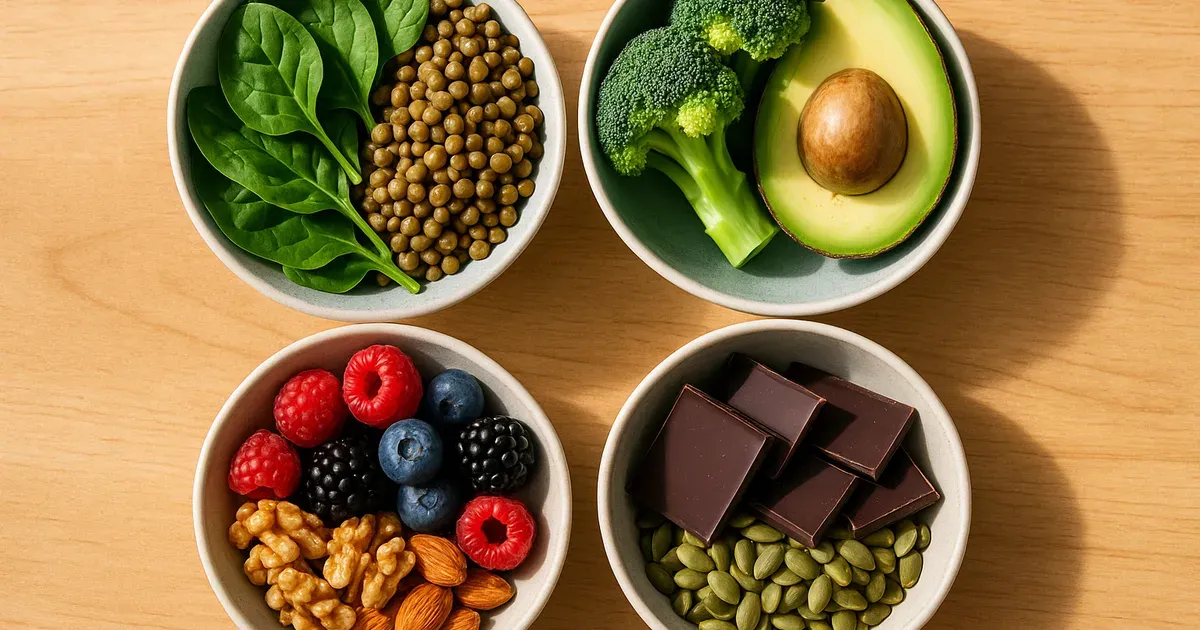
During your menstrual phase, prioritise iron-rich foods to replace what is lost through bleeding — think leafy greens, lean red meat, lentils, and beans. Pair them with vitamin C sources (citrus, berries, broccoli) to improve iron absorption. Omega-3 fatty acids from salmon, flaxseed, and tree nuts can actively reduce inflammation and cramping. Avoid the reflex reach for sugary or salty comfort foods, which can destabilise hormones further.
During the follicular phase, your rising estrogen needs support. Cruciferous vegetables (broccoli, cauliflower, kale), fermented foods (kimchi, sauerkraut, kombucha), and healthy fats (avocado, pumpkin seeds, flaxseeds) help your body process and balance estrogen. Lean proteins and complex carbohydrates — whole wheat, brown rice, quinoa — will fuel the higher-intensity workouts your increasing energy calls for.
During ovulation, your liver is working hard to break down the estrogen surge. Continue the estrogen-balancing foods from the follicular phase. Focus on an overall nutrient-dense diet to sustain your peak performance window.
During the luteal phase, complex carbohydrates and high-fibre foods like sweet potatoes, leafy greens, and cruciferous vegetables help manage hunger and cravings. When a sweet craving hits, dark chocolate, fruit, nuts, and seeds are smart substitutes. Pumpkin seeds are especially valuable here — their high magnesium content can reduce fluid retention. Stay well hydrated to combat bloating and brain fog.
Pro tip: Psychologist Dr. Albers recommends building phase-specific meal plans and shopping lists in advance — particularly for your menstrual phase, when going to a grocery store may feel genuinely difficult.
Step 3: Match Your Exercise Intensity to Your Energy
One of the biggest mistakes in fitness is treating every week like the same week. Cycle syncing reframes exercise not as a constant obligation but as a responsive practice — adjusting intensity to what your hormones and energy levels can actually support.
During the menstrual phase, low-intensity movement is your ally. Walking, gentle yoga, stretching, and Pilates allow your body to keep moving without adding stress during an already demanding phase. "You may not feel like exercising at all, and that's OK," says Dr. Albers. Honouring that is not failure — it is smart recovery.
During the follicular phase, energy is building and your body is ready for more. Introduce cardio-based workouts: running, swimming, cycling, or group fitness classes. Your capacity for intensity is increasing each day, so this is a good time to try a new class or add distance to your runs.

At ovulation, your energy peaks alongside estrogen and testosterone. This is the ideal window for high-intensity training — boot camp, kickboxing, spinning, or heavy lifting sessions. You will likely recover faster and feel more motivated than at any other point in your cycle.
During the luteal phase, shift toward medium-intensity cardio and strength training in the first half, then ease off as your period approaches. Strength work is still effective in the early luteal phase. The final days before menstruation call for the same gentleness as the menstrual phase itself.
Pro tip: You do not need to overhaul your entire gym schedule immediately. Start by simply noting how your workouts feel at different points in your cycle. Within two months, the phase-to-intensity pattern becomes obvious.
Step 4: Align Your Work and Social Life to Your Cycle
Cycle syncing extends well beyond food and fitness. Your hormonal phases also influence your creativity, communication style, focus, and desire for social interaction. Planning around these shifts can reduce stress and make both professional and personal life feel more natural.
During the menstrual phase, your energy for outward engagement is low. This is an ideal time for reflection, journalling, reviewing past projects, and quiet, solo work. Avoid scheduling high-stakes presentations or large social events if you have flexibility.
During the follicular phase, rising estrogen sharpens focus and creativity. Use this window for brainstorming, starting new projects, learning new skills, and making important decisions. Your mind is primed for original thinking.
At ovulation, your communication skills and social confidence peak alongside your hormones. Schedule client calls, team meetings, difficult conversations, or social outings during this window. Planning a dinner with friends or a date night during ovulation is not superficial — it is strategic.
During the luteal phase, your attention naturally turns inward and detail-oriented. The first half is excellent for editing, organising, completing tasks, and deep-focus work. The second half calls for gentler commitments and recovery time. "You may just want to stay home and binge watch TV right before or during your period," notes Dr. Albers — and there is no reason to fight that.
What to Expect: A Phase-by-Phase Timeline
Most people notice changes within the first full cycle of intentional tracking and syncing. Here is a realistic progression:
Month 1: Focus entirely on tracking. Log energy, mood, appetite, and symptoms daily. Do not change anything yet — just observe.
Month 2: Introduce nutritional adjustments phase by phase. Start with the easiest wins: iron-rich foods during menstruation, estrogen-balancing foods during the follicular phase.
Month 3: Add exercise syncing. Adjust workout intensity to match your phase map. Notice whether recovery feels easier and motivation feels more consistent.
Month 4 onward: Begin aligning work tasks and social commitments to your cycle. By this point, your phase pattern should be clear enough to plan ahead with confidence.
Cycle syncing benefits reported by many include reduced PMS symptoms, improved mood stability, fewer energy crashes, and a greater sense of bodily autonomy. Results vary — and that is expected, because every cycle is individual.

Mistakes That Slow Your Progress
- Skipping the tracking phase. Jumping straight to meal plans and workout schedules without knowing your personal phase timing means you are applying generic advice to a unique cycle. Track first.
- Expecting a perfect 28-day cycle. The textbook cycle is a starting point, not a rule. Your luteal phase might be 16 days. Your follicular phase might be short. Only your own data tells the truth.
- Relying on supplements instead of food. "You should get the nutrients you need through your diet," says Dr. Albers. "Supplements are not always as safe as you might think. It's important to talk to your healthcare provider first."
- Abandoning the practice after one difficult cycle. Stress, illness, travel, and sleep disruption all affect your cycle. One unpredictable month does not invalidate the approach.
- Assuming cycle syncing applies on hormonal birth control. Synthetic hormones suppress the natural hormonal fluctuations that cycle syncing responds to. If you are on hormonal birth control, tracking mood and energy shifts is still worthwhile — but the four-phase framework does not directly apply.
What Can Help You Get There Faster
Cycle tracking apps are the single most useful tool for beginners. Apps like Clue, Flo, or Natural Cycles log period data, predict phases, and surface patterns you might miss manually. Many allow custom symptom tracking so your log reflects what matters to you specifically.
Phase-specific meal planning resources — whether a structured cookbook, a registered dietitian, or a curated digital guide — reduce the cognitive load of figuring out what to eat when. Having a shopping list prepared for each phase, as Dr. Albers suggests, removes friction during low-energy days.
Educational frameworks and books can deepen your understanding of the hormonal mechanics behind cycle syncing. Alisa Vitti's WomanCode, which introduced the cycle syncing concept in 2014, remains a foundational reference. Pairing it with guidance from a healthcare provider ensures your approach is personalised and safe.
Your Cycle Syncing Checklist
✅ Start tracking your cycle dates, energy, mood, and symptoms daily ✅ Allow 2–3 months of tracking before drawing firm conclusions ✅ Eat iron-rich, anti-inflammatory foods during your menstrual phase ✅ Support estrogen balance with cruciferous and fermented foods in the follicular phase ✅ Match exercise intensity to your phase: rest → build → peak → moderate ✅ Schedule demanding work and social events around your ovulation window ✅ Use the luteal phase for detail work and begin slowing down before menstruation ✅ Stay hydrated throughout — especially during the luteal phase ✅ Consult your healthcare provider before adding any supplements
Cycle syncing is not about following a rigid protocol. It is about becoming fluent in your own biological patterns so that your routines support you rather than fight you. Start with one cycle of honest tracking, make one small nutritional change, and build from there. Your body has been sending signals for years — now you have the tools to finally hear them.
Frequently Asked Questions
Does cycle syncing work if you have an irregular cycle?
Yes, with adjustments. Irregular cycles make phase prediction harder, but the principle of listening to your body still applies. Focus on symptom tracking rather than calendar dates — track energy, mood, and physical signals daily. Over several months, patterns often emerge even in irregular cycles. Working with a gynaecologist or endocrinologist to address the underlying cause of irregularity is also worthwhile.
Can cycle syncing help with PCOS?
Research suggests it may. Cycle syncing may help support hormonal balance in people with polycystic ovary syndrome (PCOS). The dietary and lifestyle adjustments — particularly those targeting estrogen balance and blood sugar stability — align with general PCOS management guidance. That said, PCOS cycles can be highly variable, so syncing works best as a complement to medical treatment rather than a standalone solution.
Do you need to take supplements to cycle sync effectively?
No. The nutritional foundation of cycle syncing is whole food-based. Supplements are not required and are not always as safe as commonly assumed. If you are concerned about specific nutrient gaps — iron deficiency during menstruation, for example — speak with your healthcare provider before adding anything to your routine.
How long does it take to notice results from cycle syncing?
Most people notice meaningful differences within two to three cycles. The first month is primarily observation. By the second and third month, dietary and exercise adjustments typically begin to reduce PMS symptoms, improve energy consistency, and create a greater sense of predictability. More complex benefits — such as reduced cycle-related anxiety or improved sleep — often take three to four months to fully emerge.
Is cycle syncing relevant after menopause?
Not in its traditional form. Cycle syncing is built around the four phases of the menstrual cycle, which cease after menopause. However, the underlying principle — tuning into hormonal rhythms and adjusting lifestyle accordingly — remains relevant. Post-menopausal individuals may benefit from working with a healthcare provider to understand their new hormonal baseline and adapt nutrition and exercise to support it.