7 Worst Mistakes After Overeating That Slow Digestion
Discover 7 common post-overeating mistakes that slow digestion and learn exactly how to digest food faster after overeating with science-backed, actionable tips


You pushed back from the table 20 minutes ago, and now your stomach feels like a cement mixer. That familiar bloat, the tight waistband, the wave of regret — overeating hits hard and fast. Most people instinctively do the wrong things next, making the discomfort last hours longer than it has to. Knowing how to digest food faster after overeating can be the difference between a miserable evening and a recovered one. Act on these seven points now before the discomfort digs in.
Research published in nutritional physiology journals confirms that post-meal behaviour — what you do in the 30 to 60 minutes after eating — significantly influences gastric emptying speed, acid reflux risk, and blood sugar stability.

1. Lying Down Immediately Crushes Your Digestion
Gravity is your gut's best friend, and you cut it off the moment you hit the couch. When you lie down shortly after a large meal, stomach contents press against the lower oesophageal sphincter, increasing the risk of acid reflux and heartburn. Your digestive system also slows because the muscular contractions that move food downward — peristalsis — are less efficient in a horizontal position. Stay upright for at least two to three hours after a heavy meal to let gravity do its job.
2. Gulping Carbonated Drinks to "Settle" Your Stomach
Reaching for a fizzy soda after overeating is one of the most counterproductive things you can do. Carbonated drinks introduce excess gas into an already-stretched stomach, amplifying bloating and pressure on surrounding organs. The carbon dioxide bubbles have nowhere efficient to escape and compound the discomfort your gut is already managing from the excess food volume. Sip plain water in small amounts instead — it helps flush excess sodium and supports bowel regularity without adding gas.
3. Skipping a Short Walk Because You Feel Too Full
That urge to stay completely still after overeating is understandable, but walking is one of the most evidence-backed tools for faster digestion. A gentle 10 to 15 minute walk stimulates peristalsis, the wave-like contractions your intestines use to move food through the digestive tract. Walking also helps moderate the blood sugar spike that follows a large meal, reducing the energy crash that comes after. Avoid vigorous exercise, though — high-intensity activity redirects blood flow away from the gut, stalling digestion further.
4. Stressing Out and Triggering the Fight-or-Flight Response
The gut-brain axis is not a metaphor — stress physically slows digestion. When you panic about how much you ate, your nervous system shifts toward a sympathetic "fight-or-flight" state, which suppresses the parasympathetic "rest-and-digest" functions your body needs right now. Cortisol released during stress can also increase stomach acid production, worsening heartburn. Take slow, deep breaths and remind yourself that one large meal is not a crisis — your body is built to handle it.

Quick fact: Your stomach can expand up to four times its empty size to accommodate a large meal — but the organs surrounding it don't move, which is exactly why overeating causes that intense pressure and pain.
5. Skipping Probiotics When Your Gut Microbiome Needs Backup
A heavy meal can temporarily disrupt the bacterial balance in your gut, and probiotics help restore equilibrium faster. When you overeat, your digestive system produces excess acid and enzymes trying to process the volume, which can disturb the microbial environment in your intestines. A small serving of live-culture yogurt or a quality probiotic supplement introduces beneficial bacteria that aid enzyme activity and may ease heartburn. For those exploring fasting and the longevity revolution, maintaining a healthy microbiome between eating windows is equally important as what happens during them. Look for strains like Lactobacillus acidophilus or Bifidobacterium longum for targeted digestive support.
6. Overeating Repeatedly Without Addressing the Root Pattern
One binge is uncomfortable; a chronic pattern is dangerous. Frequent overeating forces your stomach to expand past its normal size repeatedly, which over time dulls the stretch receptors that signal fullness — meaning your brain starts receiving the "full" signal later and later. Long-term consequences include obesity, chronic indigestion, slowed metabolism, poor sleep quality, and inflammation linked to acid reflux that, left untreated, can increase cancer risk. Keeping a food diary, eating slowly, taking small bites, and removing distractions like television during meals are practical ways to interrupt the cycle before it becomes a disorder.
7. Ignoring Hydration as a Digestion Tool
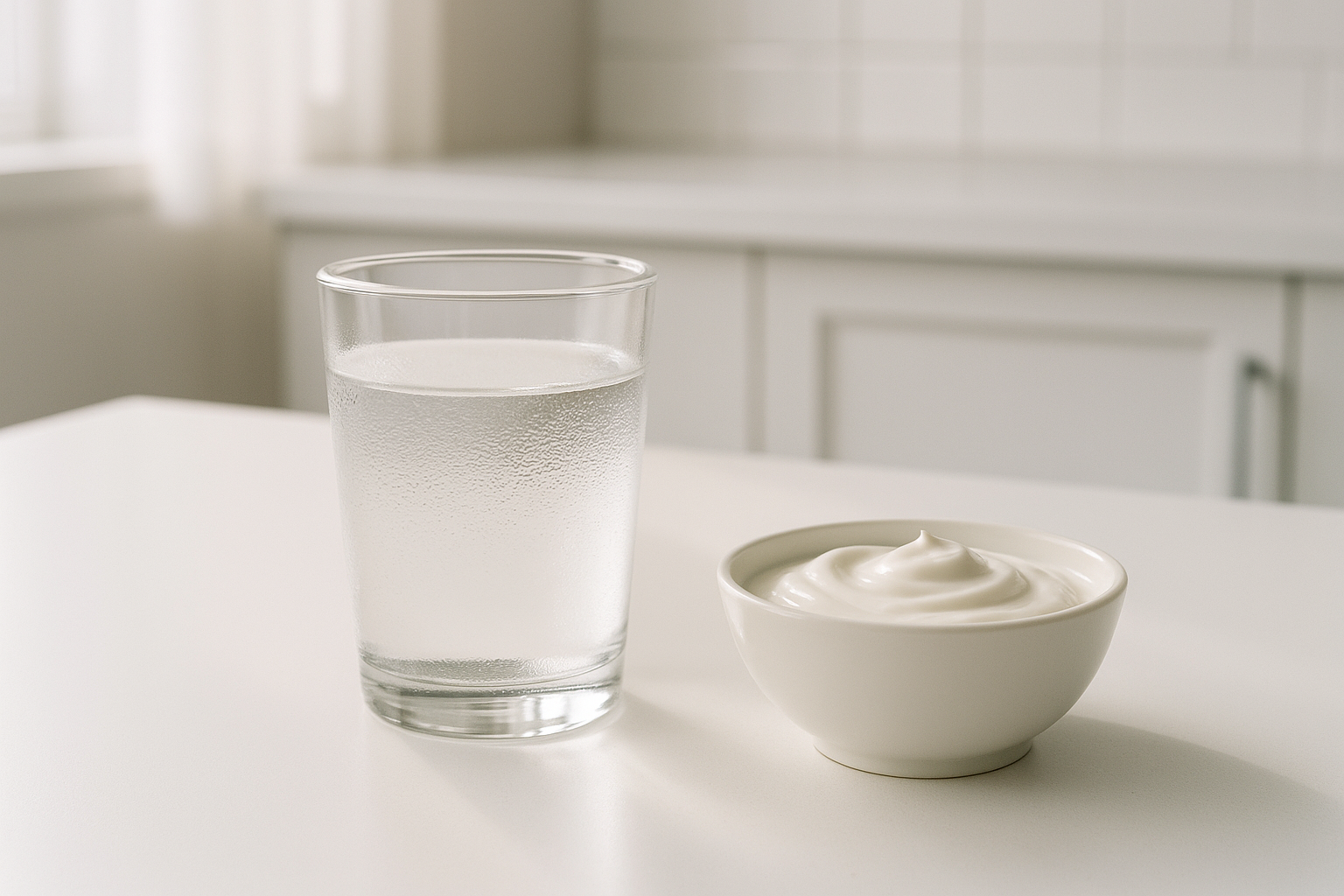
Water is not just a thirst quencher — it is an active participant in breaking down food. Your digestive enzymes and stomach acid both require adequate hydration to function at full capacity, and dehydration slows gastric emptying noticeably. Sipping water steadily throughout the hours after overeating also helps your kidneys flush out the excess sodium that comes with most large, indulgent meals, reducing water retention and bloating. In the context of fasting and the longevity revolution, staying well-hydrated during eating windows supports the cellular repair processes — like autophagy — that fasting periods are designed to trigger. Aim for small sips every 15 to 20 minutes rather than drinking a large glass all at once, which can add unnecessary pressure to an already-full stomach.
Knowing how to digest food faster after overeating comes down to seven consistent choices: stay upright, avoid fizzy drinks, take a short walk, manage stress, support your gut bacteria, address recurring patterns, and hydrate steadily. Your digestive system is remarkably resilient when you work with it rather than against it. If overeating feels compulsive or out of control, speak with your doctor — binge eating disorder is a recognised condition with effective treatment options.