How to Digest Food Faster After Overeating
Learn how to digest food faster after overeating, understand harmful effects, and get proven tips to prevent future episodes.


Overeating happens to almost everyone, yet most people have no idea what to do in the aftermath — or how serious repeated episodes can be. Whether it was a holiday feast, a stressful binge, or simply losing track of portions, the bloating, discomfort, and regret that follow are real. This guide answers the most common questions about how to digest food faster after overeating, what the short- and long-term effects look like, and practical steps to stop it from becoming a habit.

Quick Navigation
- What actually happens to your body when you overeat?
- How can you digest food faster after overeating?
- Should you lie down or sleep after overeating?
- What are the harmful short-term effects of overeating?
- What are the long-term health risks of overeating regularly?
- How can you avoid overeating in the first place?
- When does overeating become a medical problem?
What actually happens to your body when you overeat?
When you overeat, your stomach physically expands beyond its normal capacity, putting direct pressure on surrounding organs including the diaphragm, intestines, and liver. This mechanical pressure is what causes that tight, uncomfortable feeling in your abdomen shortly after a large meal.
Your digestive system simultaneously shifts into overdrive. It must produce larger quantities of digestive enzymes and stomach acid to process the excess food, which can throw off the normal hormonal balance that regulates hunger and fullness signals.
Your metabolic rate also spikes temporarily. This is why some people feel hot, sweaty, or lightheaded after a very large meal — your body is burning extra energy just to manage the workload.
How can you digest food faster after overeating?
The fastest way to support digestion after overeating is to stay upright, take a gentle walk, and sip water steadily throughout the next few hours. These three actions work together to keep food moving through your digestive tract without adding extra stress to an already-taxed system.
Here are six evidence-supported strategies:
- Relax mentally. Stress directly impairs digestion by triggering the fight-or-flight response, which diverts blood flow away from the gut. Give yourself permission to move on without guilt.
- Take a short walk. Light movement stimulates gut motility and helps stabilise blood sugar levels after a heavy meal. Keep it gentle — strenuous exercise redirects blood flow to muscles instead of the digestive tract.
- Sip water slowly. Small, steady sips throughout the day help your kidneys flush excess sodium and keep the intestinal lining hydrated, reducing the risk of constipation.
- Skip carbonated drinks. Fizzy sodas introduce additional gas into an already bloated gut, making discomfort worse.
- Try probiotics. A serving of yoghurt or a probiotic supplement can introduce beneficial bacteria that support digestion and may ease heartburn after a heavy meal.
- Stay upright. Remaining vertical allows gravity to assist in moving food through your stomach and into the small intestine.

Should you lie down or sleep after overeating?
You should avoid lying down or going to sleep immediately after overeating, as this significantly increases the risk of acid reflux and slows gastric emptying. When you are horizontal, stomach acid can travel more easily back up into the oesophagus, causing heartburn and irritation.
The stomach relies partly on gravity to move its contents downward into the small intestine. Removing that gravitational assist by lying flat extends the time food sits in the stomach, prolonging bloating and discomfort.
If you must rest, prop yourself up at an angle of at least 30–45 degrees rather than lying completely flat. Most gastroenterologists recommend staying upright for a minimum of two to three hours after a very large meal before attempting sleep.
What are the harmful short-term effects of overeating?
The immediate harmful effects of overeating range from uncomfortable to genuinely painful, and they typically begin within 30 to 60 minutes of finishing a large meal.
Common short-term side effects include:
- Abdominal bloating and pain caused by the stomach expanding past its normal size and pressing on nearby organs.
- Increased stomach acid production, which can travel up into the oesophagus and cause heartburn or a burning sensation in the chest.
- Excess gas produced as the digestive system works harder to break down a larger-than-normal food volume.
- Elevated metabolic rate, which may leave you feeling uncomfortably warm, sweaty, or lightheaded.
- Disrupted enzyme and hormone levels as the digestive system struggles to produce enough of the right chemicals fast enough.
Most short-term effects resolve within a few hours once digestion catches up. However, if symptoms like severe chest pain, persistent vomiting, or intense abdominal pain occur, seek medical attention promptly.
What are the long-term health risks of overeating regularly?
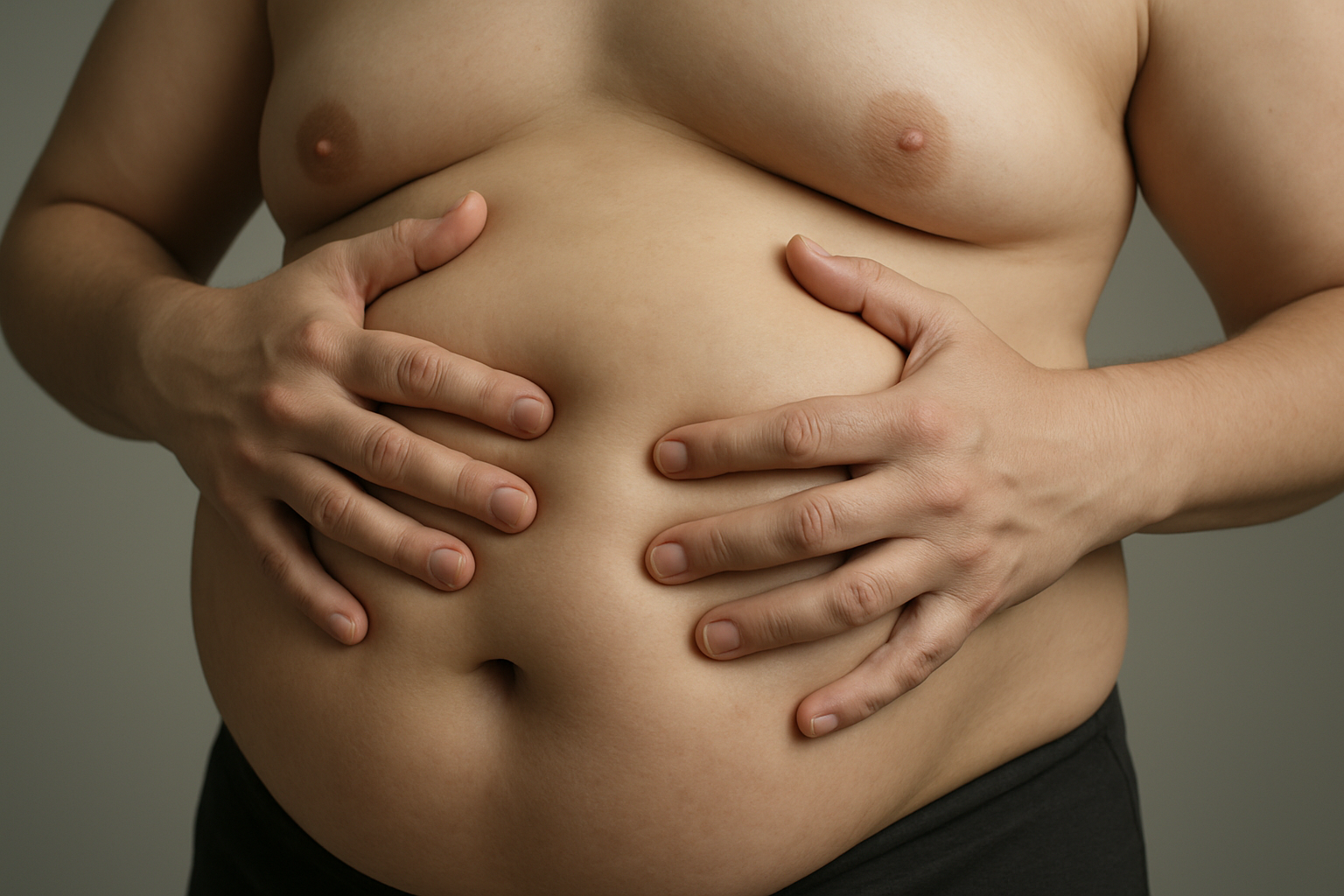
Regularly overeating creates a cumulative burden on the body that goes far beyond occasional discomfort, contributing to a range of serious chronic conditions over time.
Long-term health risks associated with habitual overeating include:
| Risk | Mechanism | Severity |
|---|---|---|
| Obesity | Sustained caloric surplus stores as fat | High |
| Chronic indigestion | Repeated digestive system overload | Moderate |
| Poor sleep quality | Reflux and discomfort disrupt sleep cycles | Moderate |
| Slowed metabolism | Body adapts to excess intake, reducing efficiency | Moderate–High |
| High blood pressure & heart disease | Weight gain increases cardiovascular strain | High |
| Inflammation and cancer risk | Chronic acid reflux can cause oesophageal changes | High |
It is also worth noting that drugs like Ozempic (semaglutide), originally developed for type 2 diabetes, are now widely prescribed partly because chronic overeating-related obesity has become so prevalent. While medications can assist with weight management, they work best when paired with sustainable dietary habits — not as a substitute for addressing overeating patterns directly.
Slowed metabolism is particularly significant because it creates a frustrating cycle: the more consistently you overeat, the less efficiently your body burns calories, making future weight management progressively harder.
How can you avoid overeating in the first place?
The most effective way to avoid overeating is to combine structured meal planning with mindful eating habits that give your brain time to register fullness. Research consistently shows that the brain takes approximately 20 minutes to receive and process satiety signals from the stomach — meaning that eating too quickly almost guarantees overeating before you realise you are full.
Practical prevention strategies include:
- Plan your meals in advance to reduce impulsive, oversized portions.
- Control portion sizes by using smaller plates or pre-measuring servings before eating.
- Eat slowly and chew thoroughly, taking small bites and pausing between them.
- Eliminate distractions such as TV or scrolling your phone, which cause mindless eating.
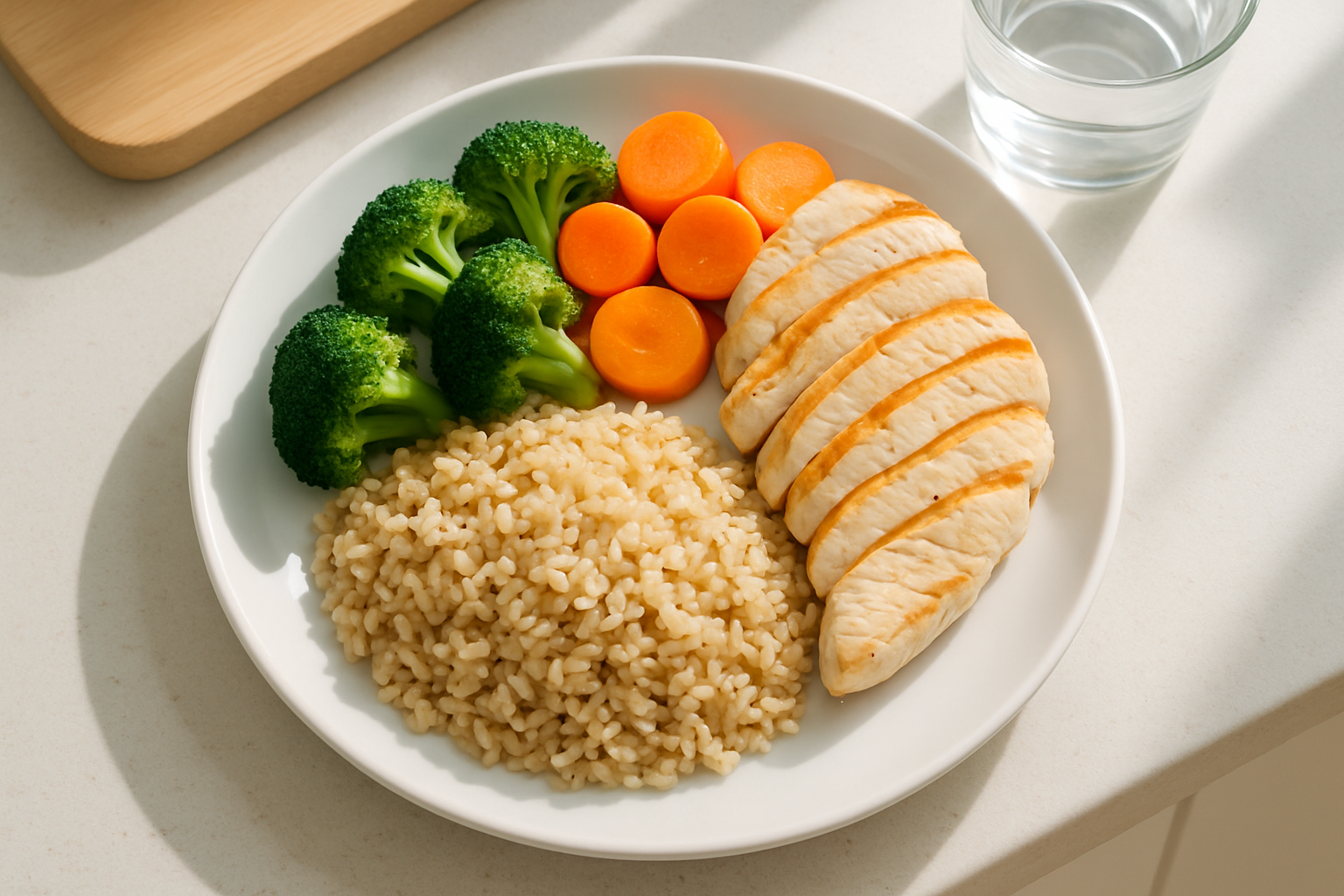
- Choose high-satiety foods — vegetables, fruit, lean proteins, and whole grains keep you full longer than processed foods.
- Stay hydrated throughout the day, as thirst is frequently mistaken for hunger.
- Manage stress proactively, since emotional stress is one of the most common triggers for overeating.
- Keep a food diary to identify patterns, emotional triggers, and meals where portion control tends to slip.
Staying physically active also plays a supporting role, helping to regulate appetite hormones like leptin and ghrelin that influence how hungry you feel throughout the day.
When does overeating become a medical problem?
Overeating crosses into medical territory when it becomes a recurring, compulsive pattern that feels difficult or impossible to control — a condition known as binge eating disorder (BED). BED is the most common eating disorder in many countries and is characterised by repeated episodes of eating large quantities of food rapidly, often to the point of physical discomfort, accompanied by feelings of shame or loss of control.
Unlike occasional overindulgence, BED is not simply a matter of willpower. It involves complex neurological and psychological factors that respond well to professional treatment, including cognitive behavioural therapy (CBT) and, in some cases, medication.
If you find yourself overeating frequently, hiding food, eating in secret, or feeling distressed after meals, speak to your doctor. Early intervention significantly improves outcomes. A healthcare provider can rule out underlying metabolic conditions, assess whether medications or therapeutic support are appropriate, and connect you with a dietitian who can help build sustainable eating patterns.
Bottom Line
- Stay upright and take a gentle walk after overeating — lying down worsens reflux and slows digestion.
- Sip water steadily and avoid carbonated drinks to reduce bloating and flush excess sodium.
- Short-term discomfort is normal; severe or persistent symptoms warrant medical attention.
- Long-term overeating raises serious risks including obesity, heart disease, and oesophageal damage from chronic acid reflux.
- Prevention is more effective than recovery: slow down, plan meals, and address stress to reduce the likelihood of future episodes.
- Frequent, compulsive overeating may be binge eating disorder — a treatable medical condition, not a character flaw.