How to Encourage a Bowel Movement Naturally
Discover 18 natural ways to encourage a bowel movement, from lemon water and olive oil to fibre-rich fruits and probiotics. Relief starts at home.

Constipation affects most people at some point, and when it hits, the discomfort can derail your entire day. If you're struggling to go, you don't always need to reach for medication — there are simple, natural ways to encourage a bowel movement using foods and habits you may already have at home. This guide covers 18 evidence-backed remedies to get things moving again.
Why You Might Be Struggling to Go
A change in your regular toilet pattern doesn't always signal a serious problem. Stress, dehydration, a low-fibre diet, or simply a disrupted routine can all slow the gut down. The good news is that small, targeted changes can restore normal bowel habits quickly.
Understanding what helps — and why — makes it easier to pick the right remedy for your situation. The natural options below work through different mechanisms: some soften stool, some stimulate gut contractions, and others introduce healthy bacteria that improve overall gut function.
If symptoms persist beyond a week, or if you notice blood in your stool, unexplained weight loss, or severe abdominal pain, speak to your GP rather than relying solely on home remedies.
6 Drinks and Liquids That Help Encourage a Bowel Movement
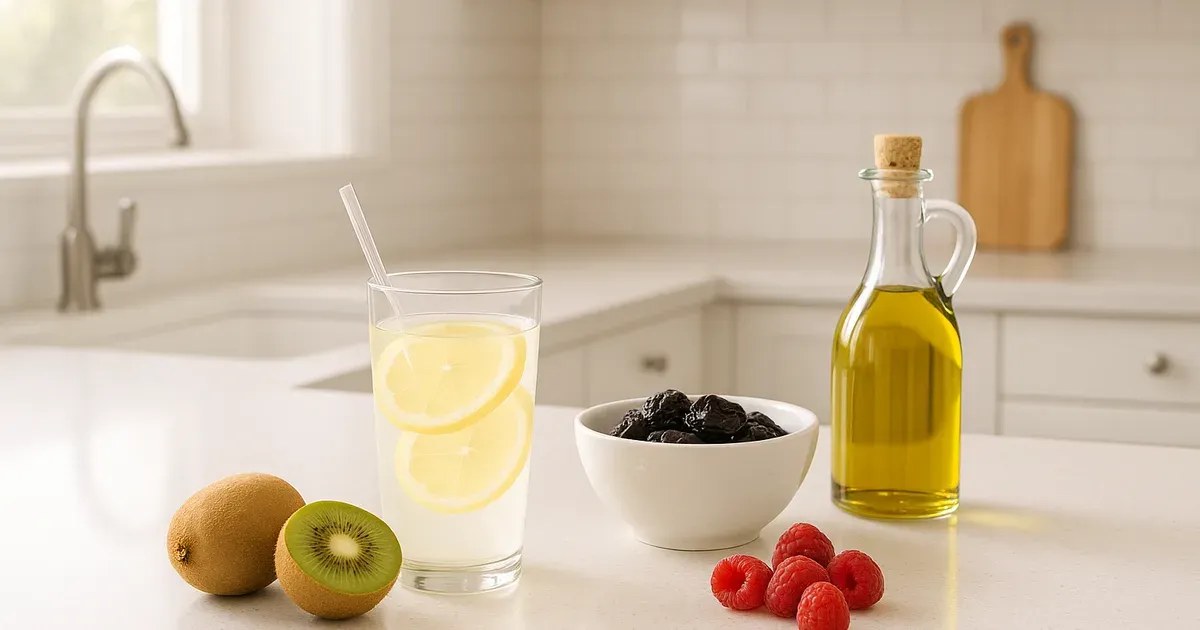
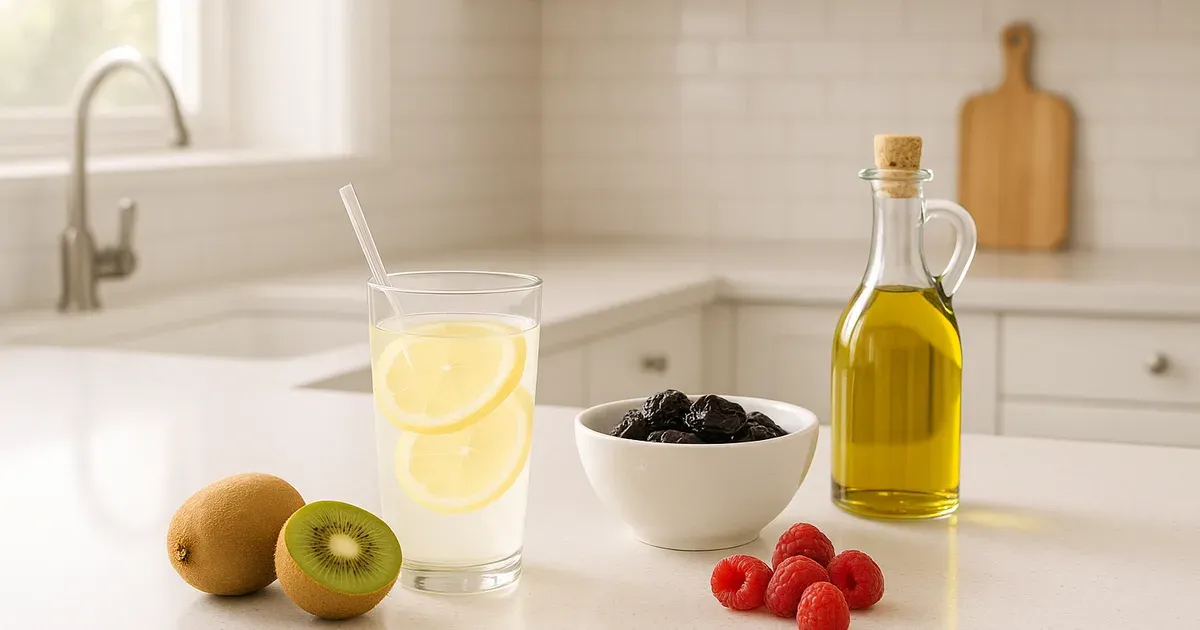
Lemon juice in water is one of the simplest morning rituals for constipation relief. Mix the juice of half a lemon into a glass of water and drink it before bed and again when you wake up. Use a straw to protect your tooth enamel from the acidity — and you'll get a bonus dose of immune-supporting Vitamin C.
Olive oil taken on an empty stomach — just one teaspoon in the morning — acts as a lubricant throughout the digestive tract. It helps solids slide through more easily and softens stool so emptying feels more complete.
Plain water is often underestimated. Aim for 2.5 litres (roughly 12 glasses) per day to keep your digestive system hydrated and help break down food in the gut. A mug of plain hot water is particularly soothing and can stimulate the peristaltic contractions that move stool along.
Hot tea and coffee have a gentle diuretic effect and the heat helps break down solids in the gut. Senna tea deserves a special mention — it contains compounds that act as a stimulant laxative, encouraging the digestive tract to contract and move stool through more efficiently.
Prune juice is one of the most traditional remedies for good reason. It's high in sorbitol, a sugar alcohol that passes through the gut undigested and draws water into the bowel, bulking up stool and triggering a movement. Dried prunes offer the same sorbitol content plus added fibre.
Clear soups add moisture to stool and are easy for the body to process. Warm liquids in general tend to be gentler on the digestive system than cold foods, making a light broth an easy daily habit when constipation strikes.
8 Foods That Naturally Relieve Constipation
Apples and pears are among the most accessible fruits for encouraging a bowel movement. Both contain fibre, fructose, sorbitol, and high water content — a combination that supports digestion on multiple levels. Eat them raw for maximum benefit.
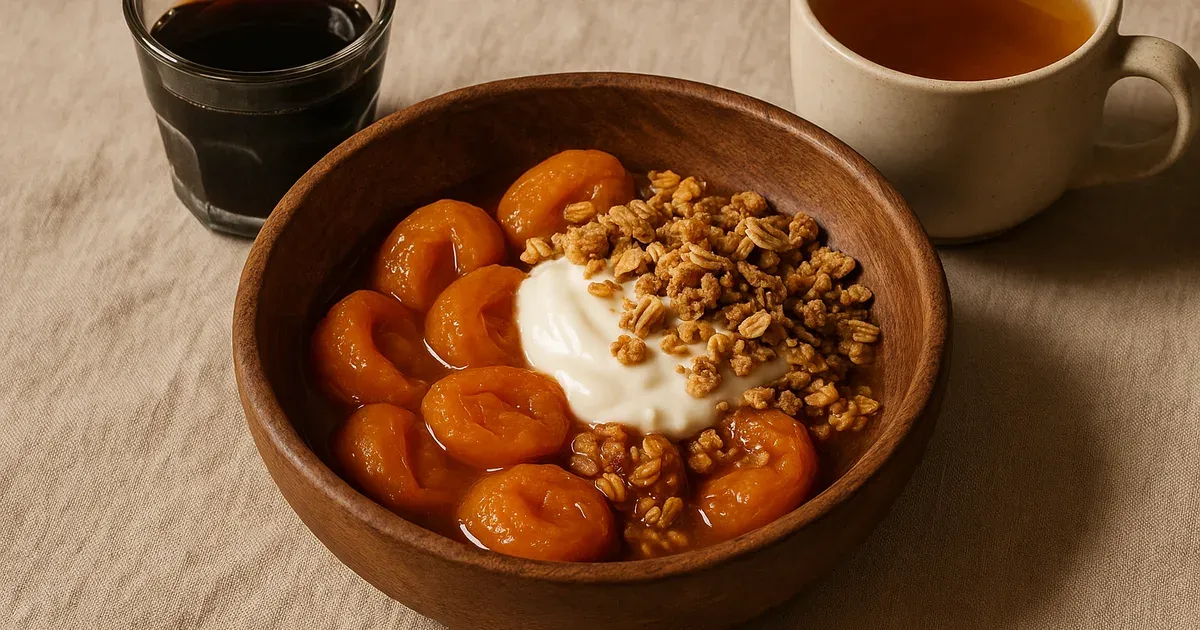
Stewed apricots are a gentler, flavoursome option. De-stone and halve a punnet of apricots, add 2–3 tablespoons of brown sugar and two tablespoons of water, then stew over a low-medium heat until soft. Leave to cool with the lid on. Serve with yoghurt and granola for a breakfast that actively supports your gut.
Blackberries and raspberries are high in both fibre and water content. Eat them raw — washed first — sprinkled over breakfast, stirred into salads, or used from frozen to keep costs down. Frozen berries retain their fibre content and are just as effective.
Kiwis contain a unique enzyme called actinidin that promotes movement in the upper gastrointestinal tract by speeding up protein breakdown. They're well-tolerated and can be eaten whole, skin and all, once washed — remove the small surface hairs if preferred.
Fennel is a mild natural laxative with a pleasant anise-like aroma. Roast fennel or steep fennel seeds in warm water for an easy evening drink. Fennel works by increasing gastric enzymes in the digestive system, helping stool move through the colon more smoothly.
Pulses — lentils, beans, peas, and chickpeas — are an affordable, fibre-rich staple that promotes good digestion. They also provide zinc, folate, potassium, and vitamin B6, nutrients that support the gut lining and overall bowel function. Buy them dried or canned for a budget-friendly gut health habit.
Grapes are a natural source of fibre and water, making them a convenient snack-sized remedy for mild constipation. A small handful eaten raw as part of a balanced diet can contribute meaningfully to daily fibre intake.
Ginger reduces pressure on the lower intestines and can ease the bloating, cramping, and nausea that often accompany constipation. Add fresh ginger to hot water, stir it into soups, or include it in cooking as a regular gut-supporting ingredient.
Probiotics and Healthy Fats: Supporting Gut Health Long-Term
Yoghurt and kefir contain probiotic bacteria that soften stool and make bowel movements easier. Beyond relieving constipation, these fermented dairy products introduce beneficial bacteria to the gut that support immune function and crowd out harmful bacteria. They also supply vitamins B and K as a bonus.
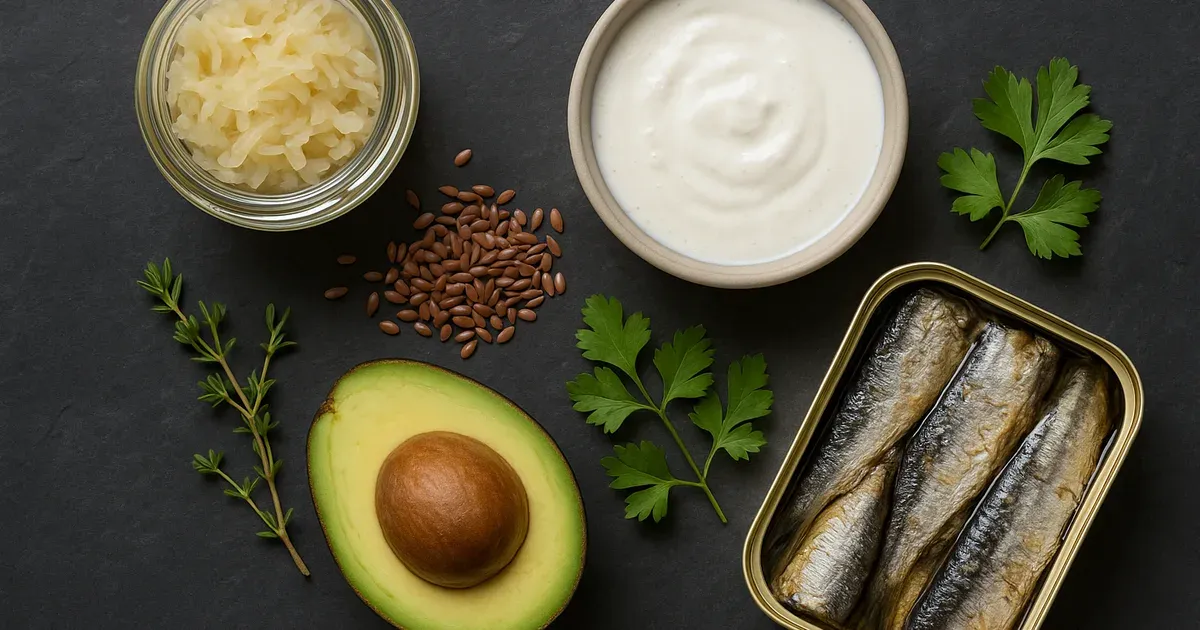
Sauerkraut is a lesser-known but highly cost-effective probiotic option. Made from just cabbage and salt — with herbs or spices added to taste — it provides a concentrated dose of beneficial bacteria. A jar in the fridge means you can add a spoonful to meals daily, steadily improving gut flora over time.
Omega-3 oils lubricate the intestinal walls, making it easier for stool to pass through. Sources include fish, flaxseed, hemp seed oil, avocados, and rapeseed oil. A diet rich in these foods can reduce chronic constipation while also supporting heart health — a worthwhile dual benefit.
Foods to Avoid When Constipated
High-fat foods slow digestion significantly. The gallbladder, which produces bile to help break down fat, can become overwhelmed by diets heavy in processed or fried foods. Reducing your intake of high-fat meals during a constipated period gives your digestive system room to recover and return to a normal rhythm.
Refined, low-fibre foods — white bread, processed snacks, fast food — contribute little to bowel motility. During constipation, swap these for any of the fibre-rich fruits, pulses, and vegetables listed above to create conditions that actively encourage a bowel movement.

How to Encourage a Bowel Movement Every Morning
Building a consistent morning routine is one of the most effective long-term strategies for regular bowel movements. The gut responds well to routine — eating, sleeping, and moving at consistent times trains the digestive system to follow a predictable pattern.
Try combining several of the approaches above into a simple daily habit:
- On waking: Drink a glass of lemon water (juice of half a lemon in warm water).
- Before breakfast: Take one teaspoon of olive oil or omega-3 oil.
- At breakfast: Eat a fibre-rich meal — oats with kiwi, berries, and yoghurt works particularly well.
- Throughout the day: Aim for 2.5 litres of water, supplemented with herbal teas such as ginger or senna.
- With meals: Include pulses, fennel, or sauerkraut as regular additions to lunch and dinner.
Consistency matters more than perfection. Even introducing two or three of these habits reliably can produce noticeable improvement within a few days.
The Bottom Line
Natural remedies for constipation work — but they work best when combined. Increasing fluid intake, adding fibre-rich foods, introducing probiotics, and reducing high-fat meals creates an environment where the gut can function as it should. Most people find relief within one to three days of making these changes.
If constipation persists beyond a week, or if it's accompanied by other symptoms, always consult a GP or healthcare practitioner. For the majority of cases, though, your kitchen already contains everything you need to encourage a bowel movement and get back to feeling like yourself.