How to Improve Digestion in 7 Days (Without Drugs)
Learn how to improve digestion naturally in 7 days using hydration strategies, probiotic drinks, fibre-rich foods, and simple lifestyle shifts — no medication r

Your stomach gurgles at the worst moments. You feel bloated after meals you used to enjoy. You've tried cutting out foods, sipping sparkling water, maybe even skipping meals altogether — and still, nothing feels quite right. Digestive discomfort has a way of making even simple daily routines feel exhausting. The good news is that the fix rarely requires a prescription or an expensive supplement stack. Small, targeted changes to what you drink, how you eat, and how you move can help your gut recover faster than you'd expect. This guide walks you through exactly how to improve digestion naturally, step by step, in as little as one week.
Why Poor Digestion Happens in the First Place
Digestion is more complex than most people realise. When food or liquid enters your body, it travels down the oesophagus to the stomach, where digestive enzymes begin breaking it down. From there, it moves into the intestines, where nutrients are absorbed into the bloodstream and waste is prepared for elimination.
The gut microbiome plays a starring role in this process. Billions of bacteria living in your digestive tract regulate everything from nutrient absorption to immune response. When that bacterial balance is disrupted — by stress, poor diet, alcohol, or illness — you can experience bloating, irregular bowel movements, inflammation, and even conditions like irritable bowel syndrome or inflammatory bowel disease.
Several common culprits quietly sabotage digestive health every day:
- Low water intake — without adequate hydration, waste moves slowly through the digestive tract, hardening and causing discomfort
- Carbonated drinks — the gas raises stomach acid levels, triggering bloating and the urge to burp
- Excessive alcohol — damages the gut lining, increases intestinal inflammation, and disrupts healthy gut bacteria
- Ultra-processed foods — stripped of fibre and water content, these slow transit time and feed harmful bacteria
- Chronic stress — activates the fight-or-flight response, diverting blood away from the digestive system and slowing function
- Eating too fast — food that isn't chewed thoroughly arrives in the stomach in large chunks that digestive enzymes struggle to break down efficiently
Step 1: Hydrate Strategically With the Right Fluids
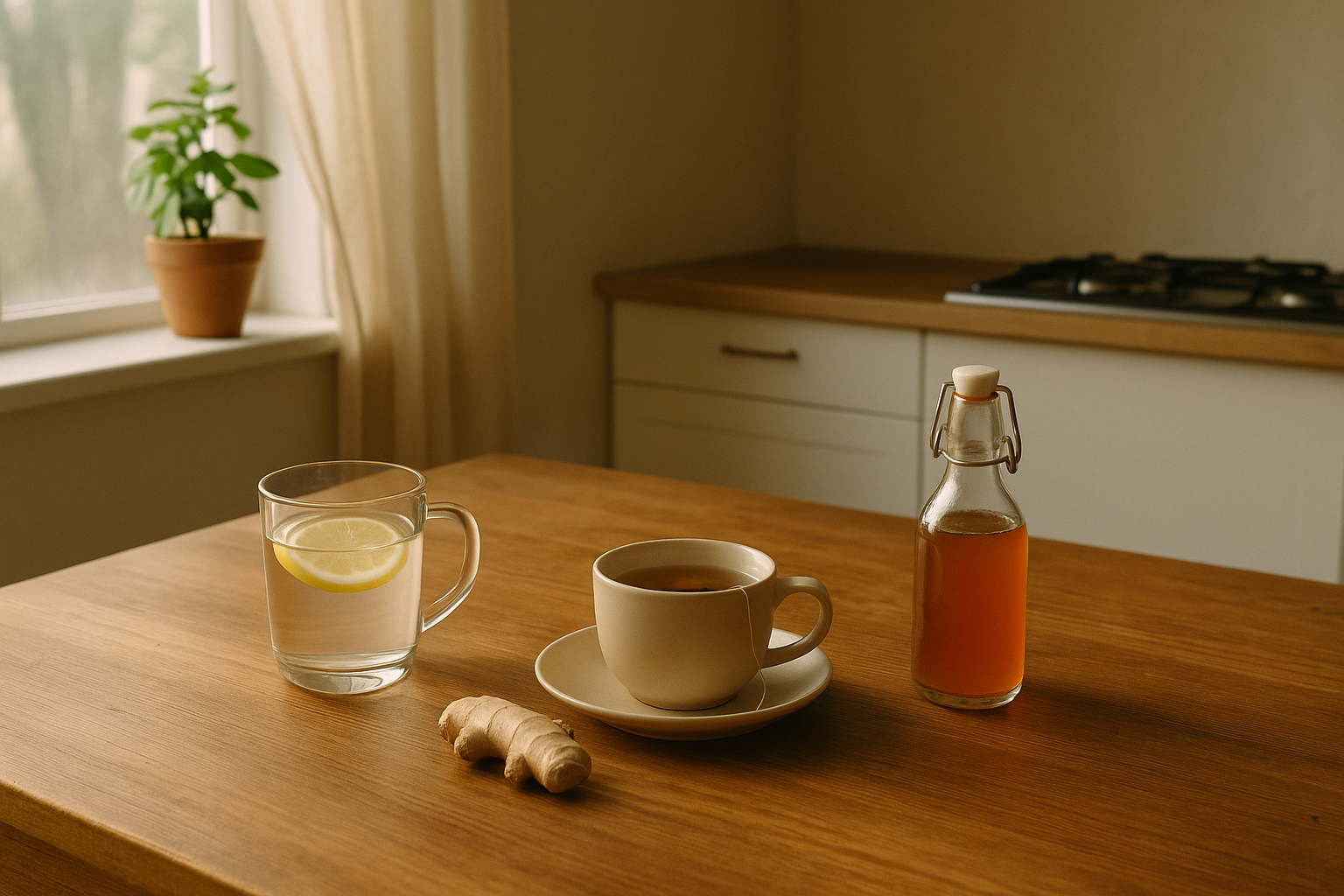
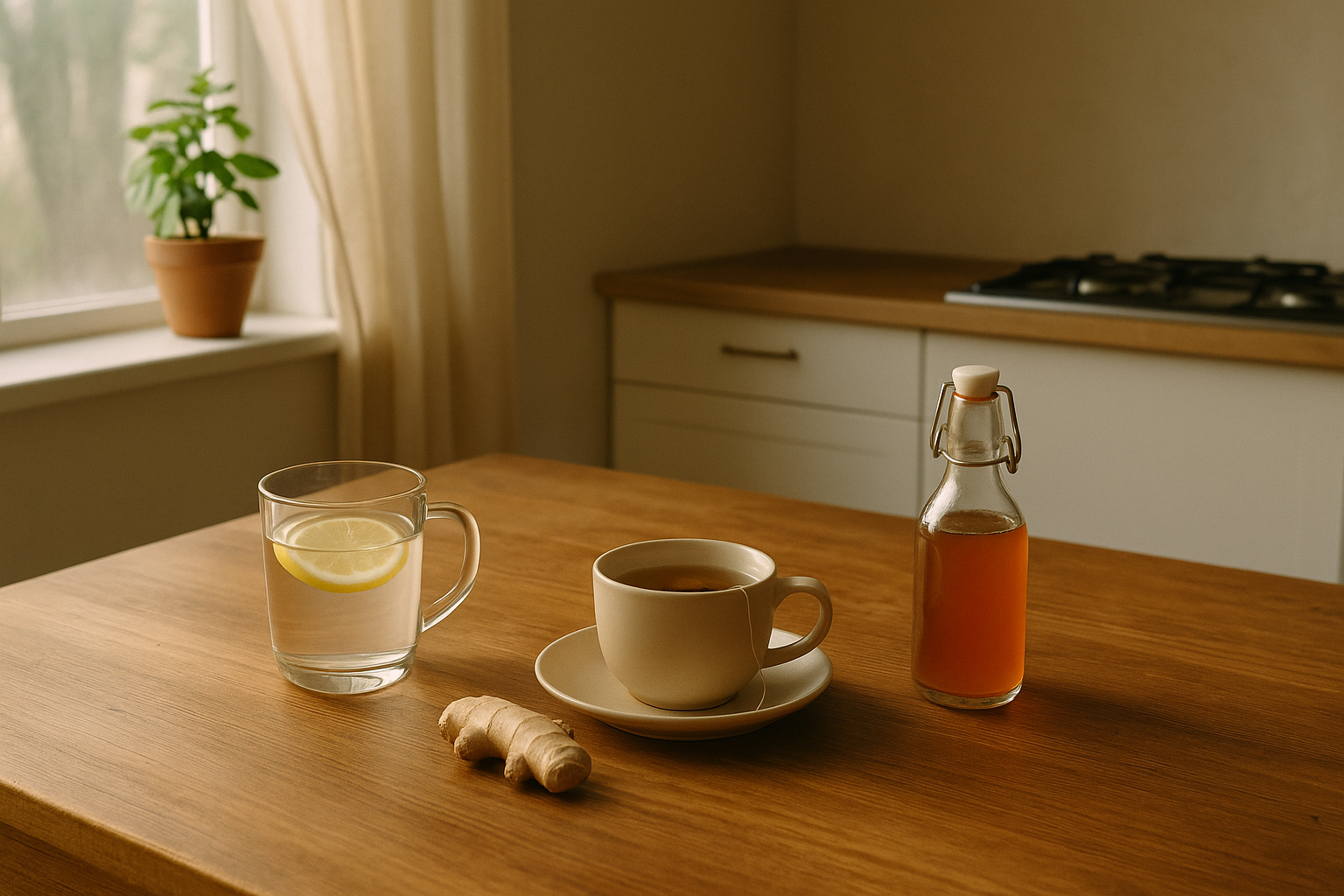
Not all fluids are created equal when your goal is to improve digestion. Plain water is the foundation — it softens stool, supports enzyme function, and helps pass waste smoothly through the digestive tract. But the temperature and type of fluid you choose can make a meaningful difference.
Warm water, in particular, has shown promise in supporting gut bacteria according to emerging research. Starting your morning with a glass of warm water before eating anything can prime your digestive system for the day ahead. It gently stimulates the intestines without overwhelming an empty stomach.
Herbal and spiced teas are your next-level hydration tools. Peppermint tea relaxes the muscles of the gastrointestinal tract, easing cramping and gas. Ginger tea is a well-documented anti-inflammatory that also speeds gastric emptying — meaning food moves from your stomach to your intestines more efficiently. Turmeric tea contains curcumin, which reduces gut inflammation, while fennel tea is particularly effective at relieving bloating and intestinal spasms.
What to drink and when:
- Morning (before eating): warm water
- After meals: ginger or peppermint tea
- Mid-afternoon: fennel tea if bloating is a concern
- Evening: turmeric tea for overnight anti-inflammatory support
Pro tip: Avoid drinking large volumes of cold water during meals. Cold liquids can slow digestive enzyme activity temporarily. Sip warm or room-temperature fluids instead.
Step 2: Add Probiotic and Fermented Drinks to Your Routine
Rebuilding a healthy gut microbiome is one of the most powerful things you can do to improve digestion long-term. Probiotic-rich beverages introduce beneficial bacteria directly into your gut, helping to restore balance after it's been disrupted by poor diet, antibiotics, or stress.
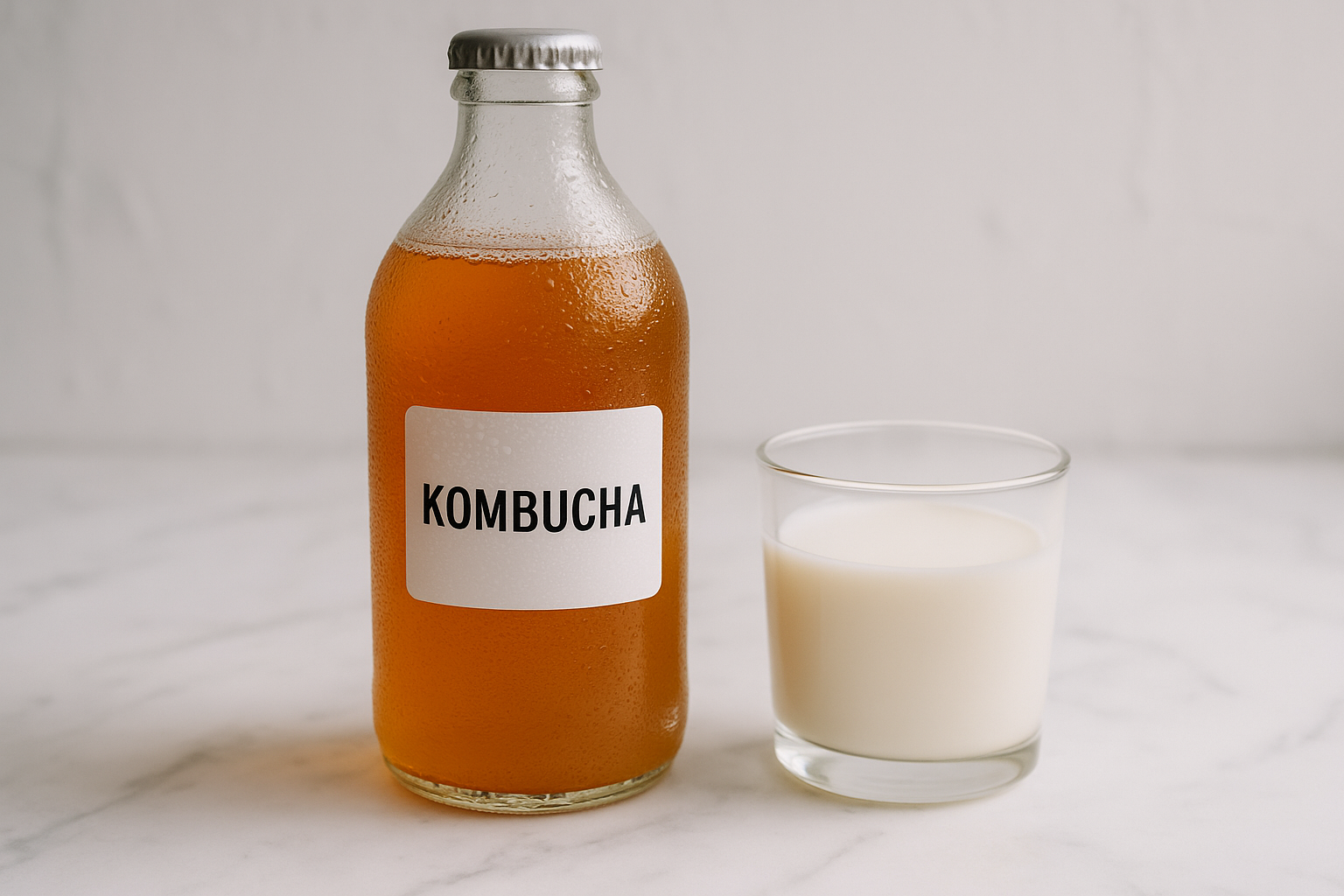
Kombucha is one of the most accessible fermented drinks available today. Made from fermented tea, it contains a range of live cultures, organic acids, and B vitamins. Research suggests kombucha may support nutrient absorption — meaning you don't just feel better, your body actually gets more value from the food you eat. Start with a small glass (around 100–150ml) per day to let your gut adjust gradually.
Kefir is another standout option, particularly if you tolerate dairy well. This fermented milk drink contains a broader range of probiotic strains than most yogurts, along with calcium, protein, and B12. If you're lactose intolerant, note that the fermentation process significantly reduces lactose content — but pay attention to how your body responds and switch to a coconut or water-based kefir if needed.
Practical ways to build fermented drinks into your day:
- Replace your mid-morning juice with 150ml of kombucha
- Add kefir to a morning smoothie alongside spinach and banana
- Use kefir as a base for green smoothies instead of cow's milk
- Alternate between kombucha and herbal tea throughout the week to avoid overconsumption
Pro tip: Introduce only one new fermented drink at a time. Adding too many probiotic sources at once can cause temporary gas or bloating as your gut bacteria shift.
Step 3: Drink Green Juices and Eat More Fibre-Rich Foods
Fibre and water are the two mechanical forces that keep your digestive system moving. Without enough of both, waste slows in the colon, hardens, and becomes difficult to pass. Green juices and smoothies combine high water content with natural plant fibre, making them one of the most efficient tools for improving digestive transit.
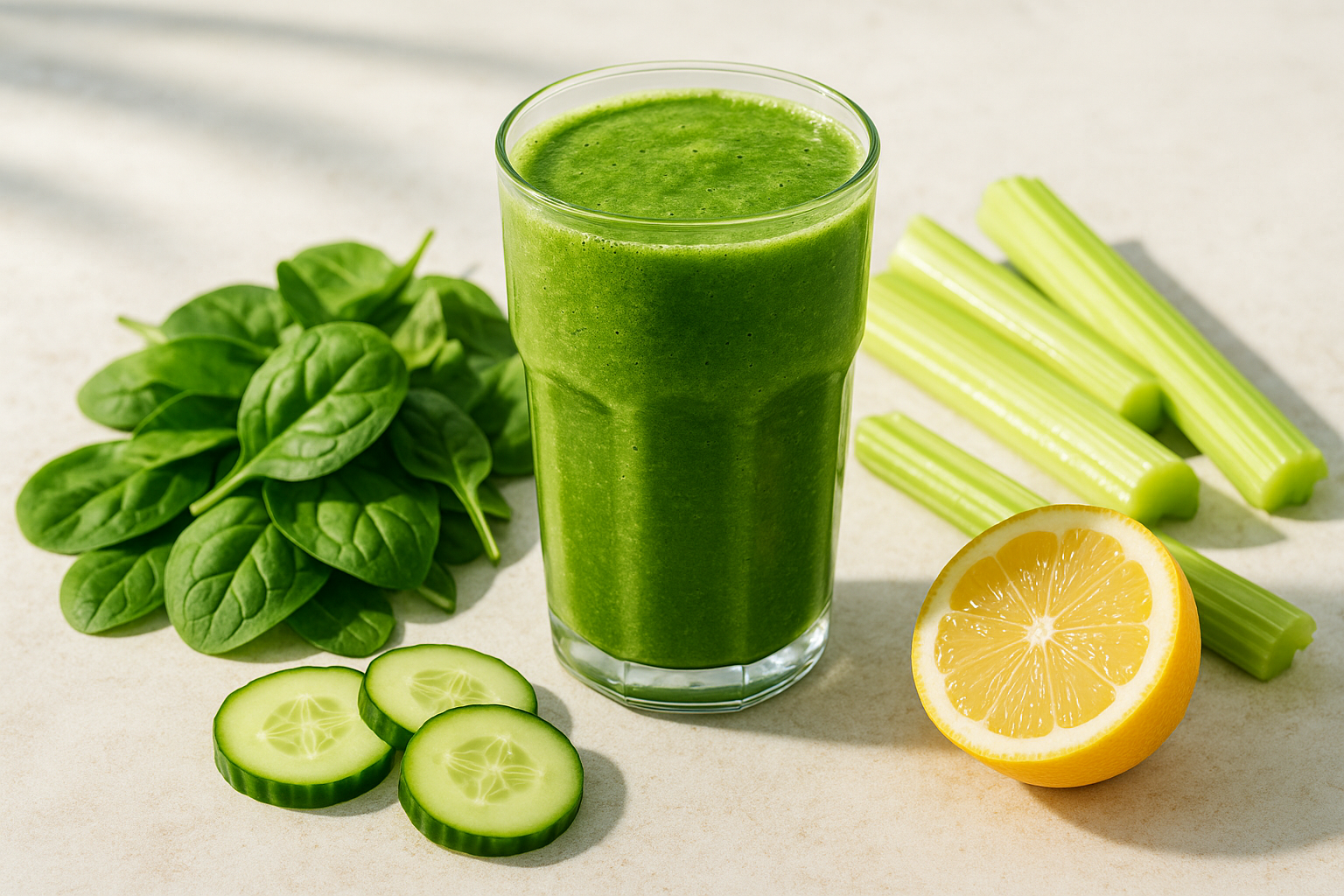
A green juice made with cucumber, celery, spinach, and lemon hydrates deeply while delivering chlorophyll and plant enzymes. Unlike fruit-heavy juices, greens-based blends are lower in sugar and won't spike blood glucose — which matters because blood sugar spikes can indirectly slow digestion by triggering insulin responses that divert energy away from gut function.
Prune juice deserves special mention for anyone dealing with sluggish bowels. Rich in both soluble and insoluble fibre, it draws water into the intestines and stimulates muscle contractions that push waste forward. A small glass (150ml) in the morning is often enough to produce noticeable results within 24 hours.
If you're looking to build a broader anti-inflammatory diet around gut health, the team at Gut Brain News covers the latest research on food, the microbiome, and digestive wellness in accessible, evidence-based detail.
Simple daily fibre targets to aim for:
- Include at least one green smoothie or juice per day
- Eat 2–3 servings of vegetables with each main meal
- Choose whole grains over refined carbohydrates
- Snack on fibre-rich foods like chia seeds, flaxseeds, or raw carrots
Pro tip: Blend rather than juice where possible. Blending retains the insoluble fibre in plants, which is critical for bowel regularity and feeding beneficial gut bacteria.
Step 4: Change How and When You Eat
What you eat matters enormously, but how and when you eat can be just as impactful for digestion. Two of the most overlooked habits — eating speed and meal timing — have a direct physiological effect on how efficiently your digestive system functions.
Chewing food thoroughly is the first and most underrated digestive act. Digestion begins in the mouth, where saliva enzymes start breaking down carbohydrates before food even reaches the stomach. When you eat quickly and swallow large pieces, your stomach and intestines must compensate — producing more acid and working harder, which often results in bloating and discomfort.
Meal timing is equally important, particularly around sleep. Lying down or going to sleep soon after eating slows the mechanical movement of food through the gut because gravity no longer assists transit. Aim to finish eating at least two to three hours before bed. Late-night eating is also associated with increased acid reflux and disrupted gut bacteria rhythms.
Practical habits to adopt this week:
- Chew each mouthful 20–30 times before swallowing
- Eat at a table without screens — distracted eating leads to faster consumption and less mindful portion control
- Avoid lying down for at least two hours after meals
- Take a gentle 10–15 minute walk after eating to use gravity and light movement to encourage food to move through your system
- Avoid eating after 8pm where possible
Pro tip: Food journaling — even just noting what you ate and any symptoms that followed — can reveal personal trigger foods far more accurately than generic elimination diets.
Step 5: Address Stress and Lifestyle Factors Directly
Chronic stress is one of the most underestimated drivers of poor digestion. The gut and brain are connected through a direct communication pathway known as the gut-brain axis. When you're stressed, your nervous system diverts resources away from digestion — slowing gut motility, reducing enzyme production, and altering the gut microbiome in ways that increase inflammation.
Reducing stress isn't a vague lifestyle suggestion — it's a concrete digestive intervention. Deep breathing exercises, yoga, and activities like acupuncture have all been associated with measurable improvements in gut function. Even five minutes of slow, diaphragmatic breathing before a meal can shift your nervous system from a stressed state to a relaxed one, priming your gut for better digestion.
Smoking and excessive alcohol consumption are two additional lifestyle factors that directly damage the digestive tract. Smoking weakens the lower oesophageal sphincter, increasing acid reflux. Alcohol inflames the intestinal lining, disrupts gut bacteria balance, and interferes with nutrient absorption. Reducing or eliminating both will produce noticeable digestive improvements within days to weeks.
Lifestyle adjustments to prioritise:
- Practice 5 minutes of deep breathing before meals
- Add one yoga session per week focused on twisting poses, which gently massage the digestive organs
- Reduce alcohol to no more than one standard drink per day, or eliminate it during your 7-day reset
- Quit or reduce smoking — even cutting down meaningfully reduces digestive inflammation
- Consider speaking with a dietitian if stress-related eating patterns are contributing to your symptoms

What to Expect: A Week-by-Week Timeline
Day 1–2: You begin switching your morning cold drink for warm water and replacing one daily beverage with herbal tea. You may notice slightly more frequent trips to the bathroom as hydration increases — this is normal and a sign your system is moving.
Day 3–4: Introducing kombucha or kefir may cause a small amount of temporary gas or bloating. This is your gut microbiome adjusting to new bacterial input. It typically settles within 48 hours. Bowel movements may become more regular.
Day 5–6: With consistent hydration, fibre intake, and mindful eating habits in place, most people notice a visible reduction in bloating after meals. Energy levels often improve as nutrient absorption becomes more efficient.
End of Week 1: Gut discomfort should be noticeably reduced. If you've also addressed stress and sleep timing, you may find your digestion feels significantly more comfortable and predictable. Persistent symptoms beyond this point warrant a conversation with a doctor to rule out underlying conditions.
Mistakes That Slow Your Progress
- Drinking carbonated beverages to replace plain water. The gas in sparkling drinks increases stomach acid and causes bloating — even zero-sugar varieties.
- Introducing too many probiotic foods at once. Overloading the gut with new bacterial strains all at once can cause temporary discomfort. Introduce one fermented food or drink at a time.
- Eating too late at night consistently. Even healthy foods eaten too close to bedtime can slow digestion and disrupt the circadian rhythm of your gut bacteria.
- Relying on juice alone and skipping whole foods. Juicing removes insoluble fibre. Balance juice consumption with whole fruits, vegetables, and whole grains.
- Ignoring stress as a digestive factor. No amount of kombucha will fully offset the digestive damage caused by chronic unmanaged stress. Address both together.
What Can Help You Get There Faster
Hydration tools make consistent warm water and herbal tea habits easier to maintain. A quality insulated flask or tea infuser encourages you to sip throughout the day. Look for herbal tea blends specifically formulated for digestion — combinations of ginger, fennel, peppermint, and liquorice root are widely available and effective.
Probiotic beverages and supplements accelerate the microbiome rebuilding process. Kombucha and kefir are widely available in supermarkets, but if you struggle with dairy or prefer a more controlled probiotic dose, a high-quality multi-strain probiotic supplement taken daily can fill the gap. Look for products with at least 10 billion CFU and multiple Lactobacillus and Bifidobacterium strains.
Tracking and accountability tools — a simple food journal, a gut health app, or even a weekly check-in with a registered dietitian — dramatically improve outcomes. Identifying your personal food triggers is one of the most direct routes to lasting digestive relief, and a professional can help you interpret patterns and build a sustainable long-term plan.
Your 5-Step Digest-Better Checklist
✅ Step 1 — Switch to warm water and herbal teas (ginger, peppermint, turmeric, fennel) daily ✅ Step 2 — Add one probiotic-rich drink (kombucha or kefir) to your daily routine ✅ Step 3 — Include a green smoothie or prune juice for fibre and hydration ✅ Step 4 — Chew thoroughly, avoid late meals, and walk after eating ✅ Step 5 — Manage stress actively and reduce alcohol and smoking
If digestive discomfort has been holding you back, you now have a clear, practical path to improve digestion starting today. Small changes — a cup of warm water in the morning, a glass of kombucha at lunch, a short walk after dinner — compound quickly into meaningful relief. Your gut is remarkably responsive when you give it the right conditions. Start with one step this week and build from there. If symptoms persist beyond 7–10 days despite these changes, speak with a doctor who can rule out underlying conditions and connect you with the right specialists.