How to Improve Gut Health in 4 Weeks
Learn how to improve gut health in 4 weeks with a step-by-step plan covering fibre, hydration, trigger foods, and probiotics — no extreme dieting required.

Your stomach has been trying to tell you something. Maybe it's the bloating that arrives uninvited after lunch, the heartburn that ruins your evenings, or the constipation that leaves you feeling heavy and frustrated for days. You've probably already tried cutting things out — maybe gone dairy-free for a week, or sworn off spicy food — only to find the symptoms creep back.
The problem isn't your willpower. It's that most gut health advice tackles symptoms one at a time instead of addressing the full picture. This guide gives you a clear, step-by-step plan to genuinely improve gut health over four weeks — without an elimination diet so extreme it takes the joy out of eating. Small, consistent changes stack up faster than you'd expect.
Why Poor Gut Health Happens in the First Place
Most digestive problems share the same underlying drivers — and once you understand them, the solution becomes obvious. Here's what's usually going wrong beneath the surface:
- Not enough fibre. Most people in the UK eat well below the recommended 30g of fibre per day. Without adequate roughage, the digestive system slows down, waste sits in the colon longer than it should, and constipation follows.
- The wrong drinks. Caffeinated and fizzy drinks boost stomach acid and cause bloating. Many people drink several cups of coffee and multiple colas daily without connecting them to their heartburn.
- Too much dietary fat. Greasy, fried foods take significantly longer to digest, putting extra strain on your stomach and creating the conditions for pain and acid reflux.
- Unknown trigger foods. Acidic foods, wheat, onions, and dairy can each provoke specific symptoms — but without tracking what you eat, you're left guessing at the cause.
- An imbalanced gut microbiome. The trillions of bacteria living in your gut influence everything from bloating to mood. When the balance tips toward harmful bacteria, symptoms escalate.
The good news: every one of these drivers is addressable through diet and lifestyle shifts that don't require perfection — just consistency.
Step 1: Build Your Fibre Foundation
Fibre is the single most important dietary change you can make to improve gut health, and it's the one most people skip because they don't know where to start. The target is 30g per day — a number that sounds large until you see how quickly it adds up with the right food choices.
Fibre acts like a sponge inside your digestive tract, absorbing water and adding bulk to stool so it moves through your system efficiently. Without enough of it, everything slows down, and you end up with constipation, bloating, and the general discomfort of waste sitting in your colon too long.
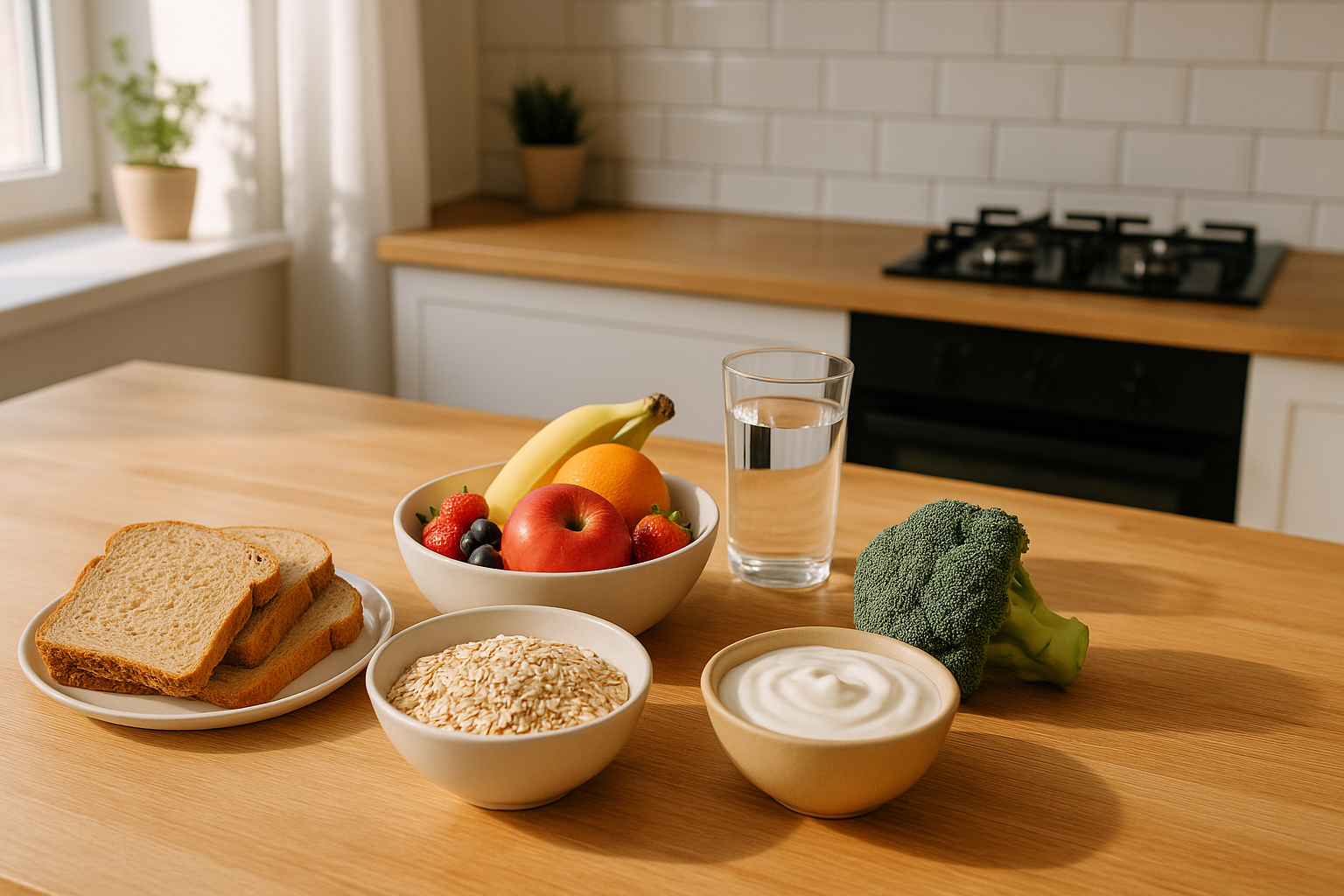
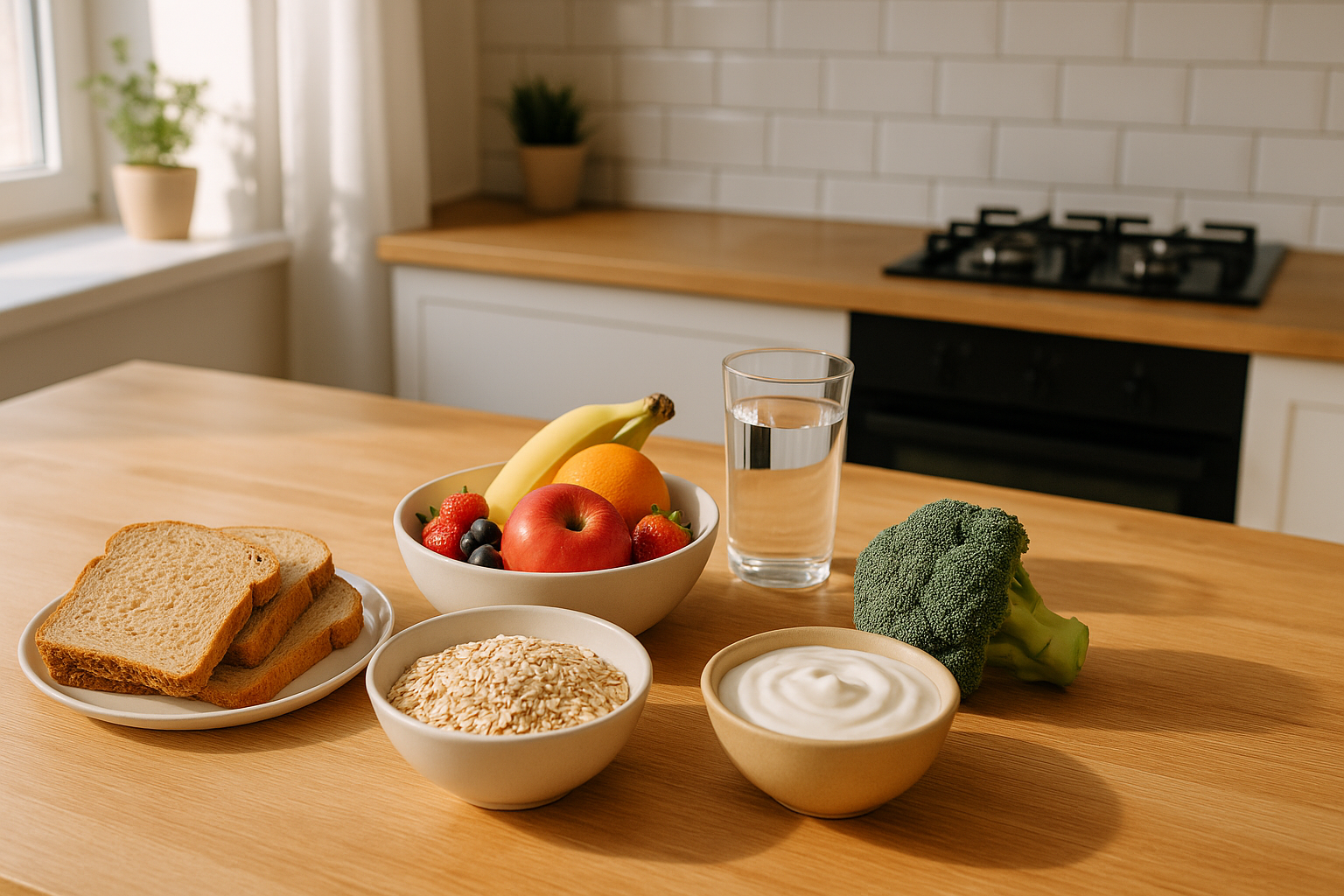
Start by adding — not subtracting. Swap white bread for wholemeal, choose brown rice over white, and add a handful of oats to your morning routine. Beans and lentils are fibre powerhouses that also keep you full for hours. Aim to include at least two fruit or vegetable portions in every meal.
If cereals and grains seem to trigger bloating or IBS-type symptoms in you, don't panic — you can still hit your fibre target entirely through fruits and vegetables. Apples, pears, broccoli, carrots, and leafy greens are all excellent sources that tend to be gentler on sensitive digestive systems.
Pro tip: Increase fibre gradually over one to two weeks rather than all at once. A sudden large increase can temporarily worsen bloating as your gut bacteria adjust to the new intake.

Step 2: Rethink What You Drink
Hydration is the unsung hero of digestive health. Most people understand that drinking water is good for them in general, but fewer realise how directly fluid intake affects bowel function. Fibre — as explained in Step 1 — absorbs water to do its job. Without enough fluid, even a high-fibre diet can leave you constipated.
The simplest system that works: drink a glass of water with every meal. That alone gets you at least three glasses a day, and sipping between meals adds more. Plain water is ideal, but herbal teas count too — peppermint tea in particular has long been associated with soothing digestive discomfort.
Caffeine and fizzy drinks deserve a hard look here. Coffee, colas, standard tea, and many energy drinks boost acid production in the stomach, which leads to heartburn in susceptible people. Fizzy drinks add the extra problem of gas, which bloats the abdomen and can push acid upward into the oesophagus. If you experience heartburn regularly, these drinks are almost certainly making it worse.
You don't necessarily have to cut caffeine entirely. Limiting yourself to one or two cups of coffee or tea per day makes a meaningful difference for most people. Replace subsequent cups with herbal alternatives — there are enough varieties available now that finding one you enjoy is far easier than it used to be.
Pro tip: Keep a 750ml water bottle on your desk or worktop as a visual reminder. People who keep water visible drink significantly more of it throughout the day.
Step 3: Reduce Fat and Identify Your Trigger Foods
Fatty and fried foods are some of the hardest things your digestive system has to process. Chips, burgers, and heavily fried meals slow the passage of food through your gut, increase the time your stomach is exposed to acid, and regularly produce pain, nausea, and heartburn. Reducing them — not eliminating, just reducing — gives your gut immediate relief.
Practical swaps make this step far easier to sustain. Grill meat and fish instead of frying them. Choose skimmed or semi-skimmed milk instead of full-fat. Cook with a light spray of oil rather than pouring it freely into the pan. These aren't dramatic sacrifices — they're small adjustments that add up to a noticeably calmer digestive system within days.
Identifying personal trigger foods is equally important. Common culprits include acidic foods like tomatoes, citrus fruits, and salad dressings; wheat and onions for people with IBS tendencies; and dairy for those with any degree of lactose intolerance. Symptoms of lactose intolerance — wind, bloating, and diarrhoea after consuming milk, cheese, yoghurt, or chocolate — are often mistaken for IBS.
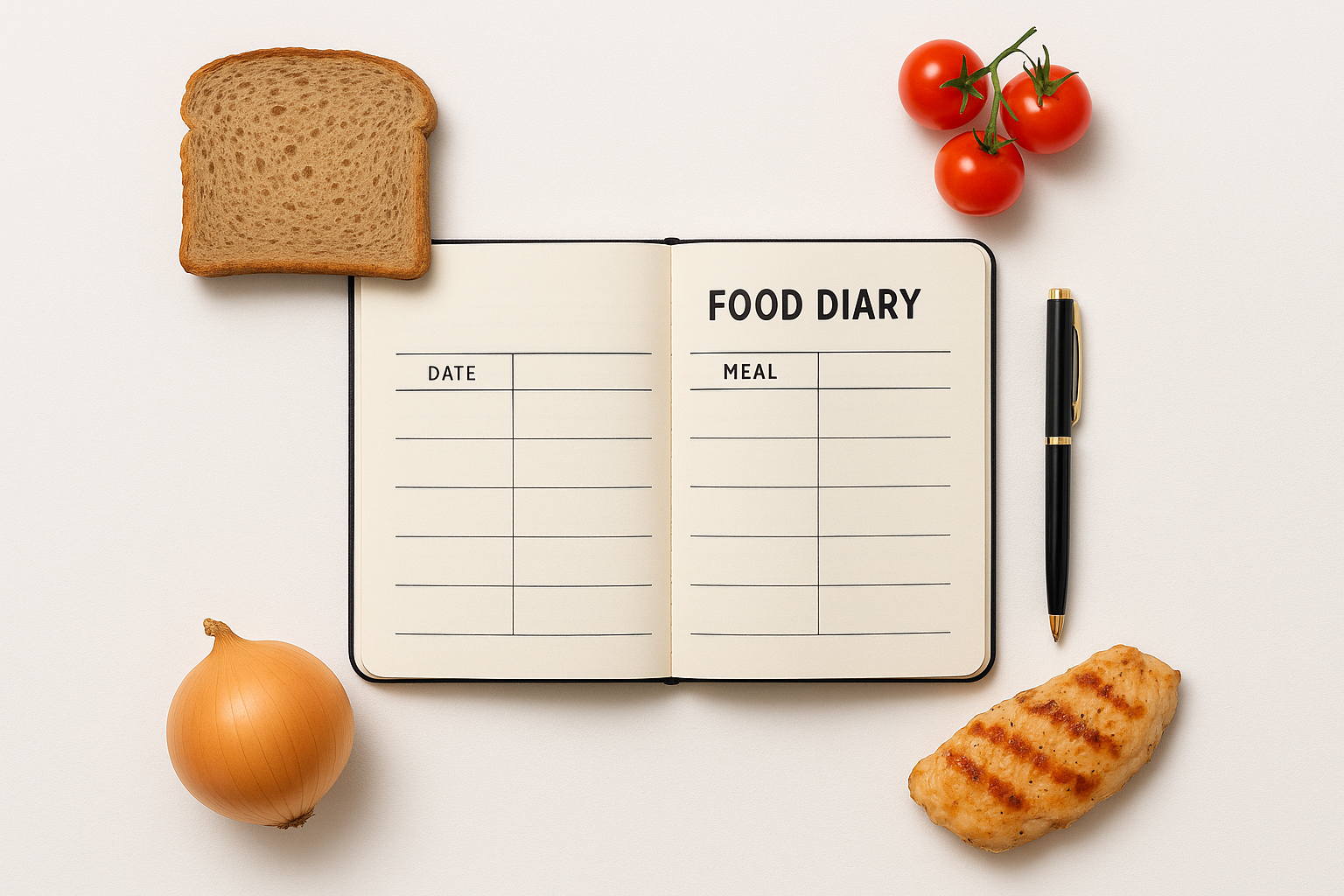
Keeping a simple food diary for two weeks is the most reliable way to spot patterns. Note what you eat, the time, and any symptoms that follow. After a fortnight, patterns become clear and you can make targeted decisions rather than broad, unnecessary eliminations.
Pro tip: Many practitioners of traditional longevity-focused lifestyles — including those who incorporate Chinese longevity exercises and mindful eating practices — use food journalling as a foundational tool, understanding that awareness of what enters the body is the first step toward genuine balance.
Step 4: Support Your Gut Microbiome with Probiotics and Smart Food Choices
Your gut contains trillions of bacteria, and their balance directly affects how well you feel every day. When beneficial bacteria outnumber harmful ones, digestion runs smoothly, bloating decreases, and even mood can improve — the gut-brain axis is a well-established area of scientific research. When harmful bacteria dominate, symptoms like IBS flares, constipation, and persistent bloating become the norm.
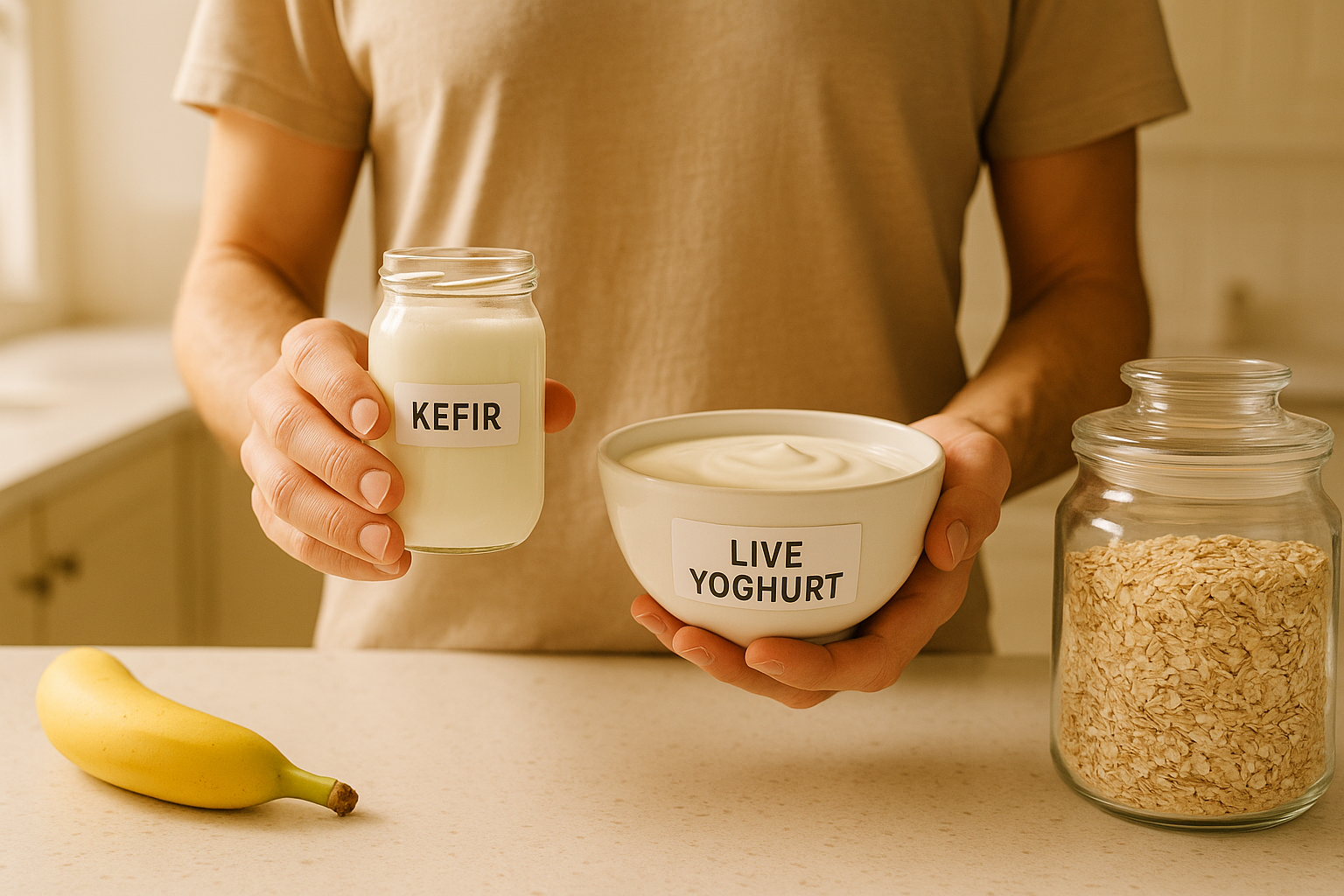
Probiotics — the "friendly bacteria" found in certain foods and supplements — can help tip the balance back in your favour. Live yoghurt is one of the most accessible natural sources. Look for yoghurts that specifically state "live cultures" on the label rather than assuming all yoghurt qualifies. Fermented foods like kefir, sauerkraut, and miso also introduce beneficial bacteria into the gut ecosystem.
Probiotic supplements are another option available from health food shops and pharmacies. The evidence base for probiotics is strongest around IBS symptom management, though research is ongoing. If you choose supplements, commit to taking them daily for at least four weeks before assessing whether they're working — inconsistent use won't give you a meaningful result.
One important caution: if you have an existing health condition or a weakened immune system, speak to a doctor before starting any probiotic supplement. For most healthy adults, they are safe and well-tolerated, but personalised medical advice is always the right starting point when health conditions are involved.
Pro tip: Pair your probiotic foods with prebiotic foods — things like oats, bananas, garlic, and onions (in small amounts if you're IBS-prone) — which feed and sustain the beneficial bacteria already living in your gut.
Timeline: What to Expect Week by Week
Understanding what's coming makes it far easier to stay consistent when progress feels slow. Here's a realistic breakdown of how your gut typically responds to these changes:
Week 1 — Adjustment: You may notice increased wind or mild bloating as your gut bacteria respond to more fibre and any probiotic foods you've introduced. This is normal and temporary. Drink plenty of water to ease the transition.
Week 2 — Early Relief: Constipation typically improves noticeably by the end of week two for most people. Bowel movements become more regular and easier. Heartburn may begin to reduce if you've cut back on caffeine, fatty foods, and fizzy drinks.
Week 3 — Building Momentum: Bloating episodes become less frequent. Your food diary should start revealing clear trigger patterns, giving you the confidence to make more targeted adjustments. Energy levels often improve as digestion becomes more efficient.
Week 4 — Establishing the New Normal: By week four, the changes you've made start to feel habitual rather than effortful. IBS symptoms, if relevant, are often noticeably reduced. Many people report feeling lighter, more comfortable, and more in control of their digestive health than they have in years.
Mistakes That Slow Your Progress
Even with the best intentions, a few common errors can undermine the results you're working toward. Watch out for these:
- Increasing fibre too fast. Jumping straight to 30g of fibre per day when you've been eating 10–15g will cause temporary bloating and discomfort. Increase gradually over one to two weeks.
- Replacing caffeine with fizzy drinks. Swapping coffee for cola doesn't solve the problem — fizzy drinks bloat the abdomen and can trigger heartburn just as readily.
- Ignoring spicy food triggers. Chillies get the attention, but milder flavourful foods like garlic, onion, and even tomato-based sauces can provoke heartburn and IBS symptoms in sensitive people.
- Taking probiotics inconsistently. A few days on, a few days off provides no meaningful benefit. Probiotics require at least four weeks of daily use to show measurable results.
- Eliminating too many foods at once. Cutting out five or six food groups simultaneously makes it impossible to identify which one was actually causing your symptoms — and makes the diet unsustainably restrictive.
What Can Help You Get There Faster
The right tools make consistency significantly easier to maintain. Here are three categories worth considering:
1. Tracking Tools
A basic food diary — even a notes app on your phone — is the most powerful diagnostic tool available for gut health. Tracking what you eat alongside any symptoms you experience turns guesswork into clear, actionable insight within two weeks.
2. Probiotic-Rich Foods and Supplements
Live yoghurt, kefir, and fermented vegetables are natural, accessible sources of beneficial bacteria. For a more concentrated and consistent dose, a quality probiotic supplement taken daily can support gut microbiome balance, particularly for people managing IBS. Choose products with clearly listed bacterial strains and colony-forming unit (CFU) counts.
3. Herbal Teas and Hydration Aids
Peppermint tea, ginger tea, and chamomile are all associated with soothing digestive discomfort and make excellent replacements for caffeinated drinks. A quality reusable water bottle kept in your eyeline throughout the day is a deceptively simple but highly effective hydration tool.
Your 4-Week Gut Health Plan: Quick Recap
✅ Step 1: Gradually increase fibre to 30g per day from wholemeal bread, brown rice, oats, beans, fruit, and vegetables.
✅ Step 2: Drink a glass of water with every meal; limit caffeine to one or two cups daily; replace fizzy drinks with herbal teas or plain water.
✅ Step 3: Reduce fatty and fried foods; keep a two-week food diary to identify your personal trigger foods.
✅ Step 4: Introduce probiotic foods (live yoghurt, kefir, fermented vegetables) or a daily probiotic supplement consistently for at least four weeks.
✅ Track progress week by week and adjust based on what your food diary reveals.
✅ Avoid the common mistakes: too much fibre too fast, inconsistent probiotics, and eliminating too many foods at once.
Your gut responds faster than most people expect when given the right conditions. Four weeks of consistent, manageable changes — more fibre, better hydration, fewer gut irritants, and support for your microbiome — can transform how you feel day to day. The key is starting with one step, building from there, and trusting the process.