How to Increase GLP-1 Naturally
Learn how to increase GLP-1 naturally through diet, exercise, and lifestyle habits — and how it compares to GLP-1 medication for weight loss.

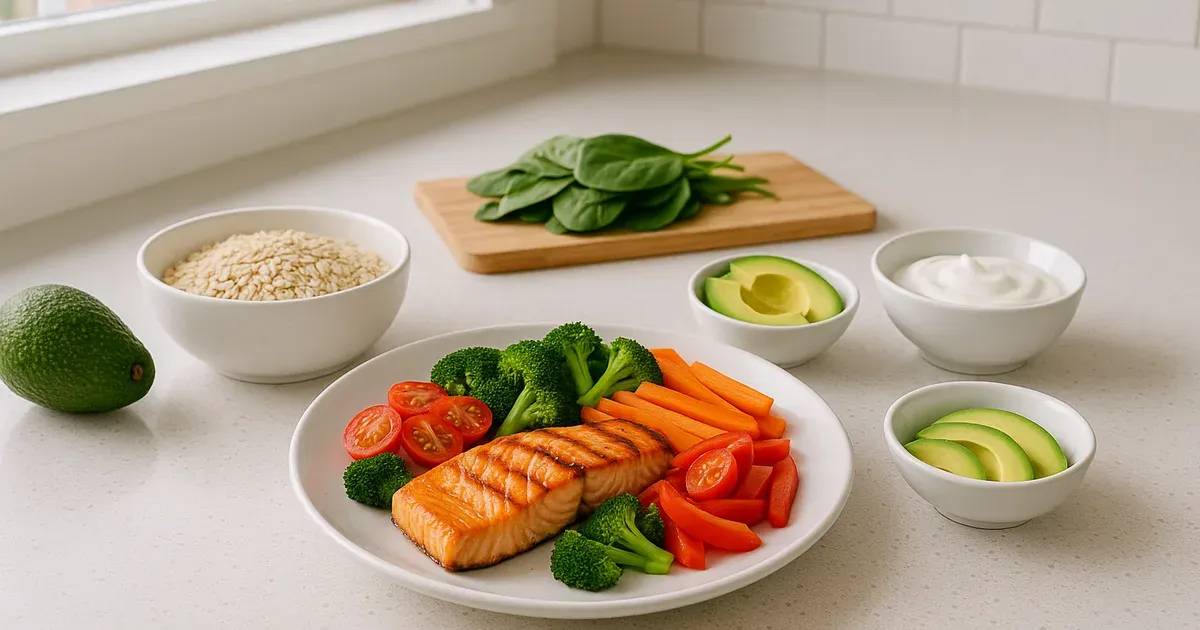
Your body already makes GLP-1 — and the right habits can make it work harder for you. Whether you're curious about a medication-free approach to weight management or simply want to support the metabolic hormones your body produces, understanding how to increase GLP-1 naturally gives you real, actionable leverage over your appetite, blood sugar, and long-term health.
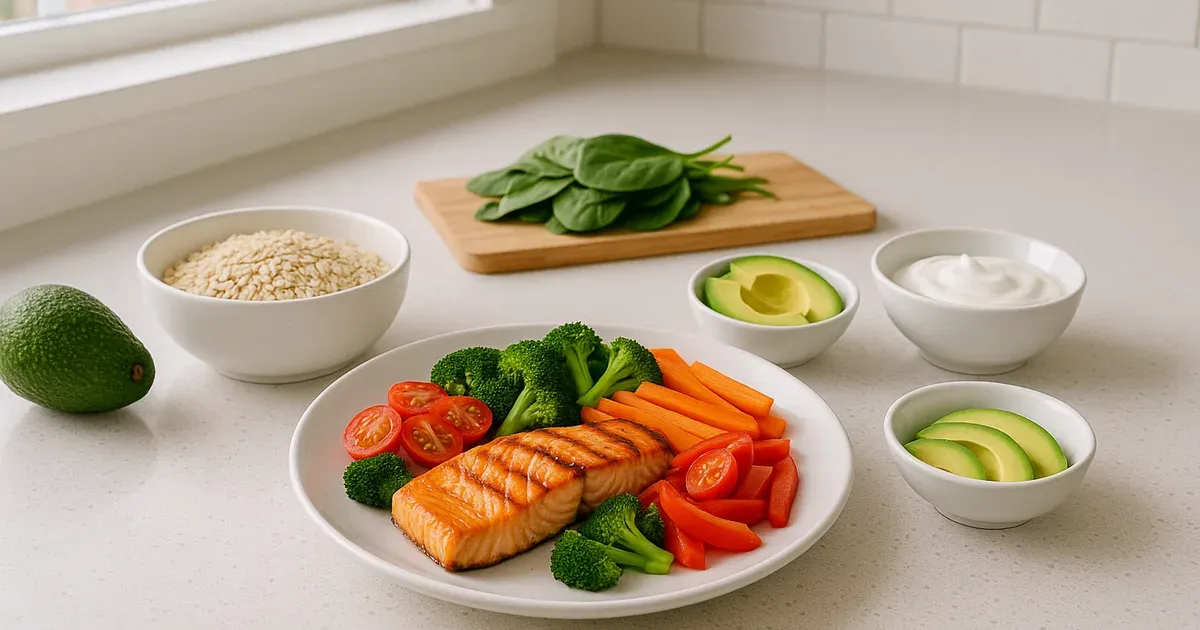
What Is GLP-1 and Why Does It Matter for Weight Loss?
GLP-1, or glucagon-like peptide-1, is a naturally occurring hormone produced in the small intestine that plays a central role in regulating blood sugar and appetite. When you eat, specialised cells called L-cells detect incoming nutrients and release GLP-1 into the bloodstream.
From there, it travels to several key organs and triggers a chain of responses: the pancreas releases insulin, the stomach slows digestion, and the brain receives signals to reduce hunger. These combined effects make GLP-1 one of the most important hormones involved in weight regulation and metabolic health.
The reason GLP-1 medications like Ozempic have become so widely discussed is precisely because they mimic this hormone at much higher concentrations than the body naturally produces. But that doesn't mean your natural levels are irrelevant — research shows that diet and lifestyle choices can meaningfully influence GLP-1 production, even if the scale of impact differs from pharmaceutical intervention.
How Diet and Exercise Influence Your Natural GLP-1 Levels
Regular physical activity is one of the most well-supported ways to increase GLP-1 naturally. A 2021 review and a 2025 meta-analysis both found that exercise — whether a single session or a consistent routine — can boost GLP-1 levels, particularly in people with type 2 diabetes. Importantly, these effects extend to people without diabetes as well.
Both aerobic exercise and resistance training have been shown to increase GLP-1 and improve insulin sensitivity. Gianna Masi, RDN, at Stronger U, explains: "Regular physical activity, including both aerobic exercise and resistance training, increases GLP-1 and insulin sensitivity and post-meal GLP-1 response."
Diet also plays a direct role. When macronutrients — protein, fat, carbohydrates, and fibre — pass through the small intestine, they activate L-cells to release GLP-1. The quality and composition of what you eat shapes how much of this hormone your body produces at every meal.
Which Foods Help Increase GLP-1 Naturally?
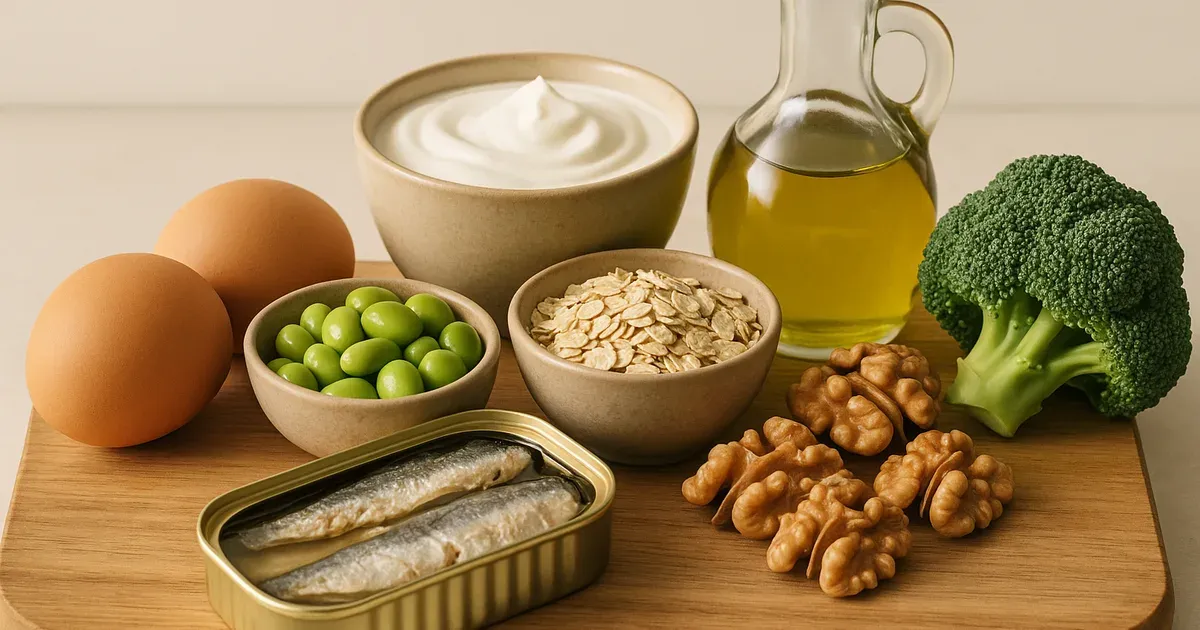
Certain food categories have been shown in research to stimulate GLP-1 release. None will replicate the effect of medication, but these foods support overall metabolic health and are worth building into your daily diet regardless of your approach to weight management.
Protein-Rich Foods
High-protein meals are among the most reliable dietary triggers for GLP-1 release. Both animal and plant-based sources appear effective, though current evidence doesn't clearly favour one over the other. What matters most is meal quality — complete, high-quality proteins such as lean meats, fish, eggs, tofu, tempeh, and whey are your best options.
Aim for 25–30 grams of protein per meal. This supports satiety, muscle protein synthesis, and a meaningful post-meal GLP-1 response.
Fibre-Rich Foods
Soluble fibre from oats, legumes, and vegetables promotes GLP-1 release by feeding beneficial gut bacteria and slowing nutrient absorption. One study found that 20 grams per day of oligofructose — a prebiotic fibre found naturally in plants like chicory, onions, and garlic — significantly elevated post-meal GLP-1 levels.
Building meals around high-fibre whole foods also supports gut microbiome diversity, which is itself linked to stronger GLP-1 signalling.
Healthy Fats
Monounsaturated fats and omega-3 fatty acids stimulate GLP-1 release through fatty acid receptors on enteroendocrine cells lining the gut wall. Foods to prioritise include olive oil, avocados, nuts, and oily fish like salmon and mackerel.
Early research is promising, though scientists are still working to determine the precise quantities needed to produce a clinically meaningful effect on GLP-1 levels in humans.
Fermented Foods
Yogurt, kefir, and fermented vegetables may enhance GLP-1 levels by improving gut microbiome diversity and boosting the production of metabolites that support hormonal signalling. One study found that eating one cup of yogurt with live cultures daily increased fasting GLP-1 compared to calorie restriction alone.
Effects are modest — but combined with other dietary strategies, fermented foods add a meaningful layer of support to your natural GLP-1 production.

The Blood Sugar Connection: Why Glucose Tolerance Matters
Your body's natural GLP-1 levels are closely tied to how well it handles blood sugar. People with better glucose tolerance — meaning their bodies regulate blood sugar efficiently after eating carbohydrates — tend to have higher GLP-1 levels and stronger appetite control.
Poor glucose tolerance, on the other hand, blunts GLP-1 effectiveness. This explains why GLP-1-based interventions show particularly strong results in people with prediabetes or early type 2 diabetes.
Exercise improves glucose tolerance directly, helping the body use glucose more efficiently in a way that mirrors the metabolic effects of GLP-1 itself. This creates a positive feedback loop: more movement leads to better blood sugar regulation, which in turn supports more effective GLP-1 activity.
Focusing on meals that avoid sharp blood sugar spikes — those built around fibre, protein, and healthy fats — reinforces this cycle and keeps your natural GLP-1 system working as effectively as possible.
Practical Lifestyle Strategies to Support GLP-1 Production
Beyond specific foods, several broader lifestyle habits consistently support natural GLP-1 levels. These aren't quick fixes, but they compound over time to create meaningful metabolic change.
- Exercise consistently — aim for a mix of aerobic activity (brisk walking, cycling, swimming) and resistance training across the week. Even a single workout session has been shown to produce an acute GLP-1 boost.
- Prioritise sleep — poor sleep disrupts metabolic hormones broadly, including those that regulate appetite and insulin sensitivity. Seven to nine hours per night supports the hormonal environment in which GLP-1 operates most effectively.
- Manage stress — chronic stress elevates cortisol, which negatively impacts blood sugar regulation and, over time, can impair the gut's ability to produce GLP-1 optimally.
- Support your gut microbiome — a diverse, healthy microbiome is closely linked to stronger GLP-1 signalling. Eating a wide variety of plant foods, fermented products, and prebiotic fibres directly supports this.
- Eat mindfully and avoid ultra-processed foods — highly processed diets are associated with reduced gut microbiome diversity and impaired enteroendocrine cell function, both of which reduce natural GLP-1 output.

Natural GLP-1 vs. Medication: What's the Real Difference?
GLP-1 medications produce effects that diet and exercise simply cannot match in magnitude. Drugs like semaglutide elevate GLP-1 receptor activity far beyond what the body generates on its own, which is why they produce significant weight loss in clinical trials. For people with obesity or type 2 diabetes, medication may be the most appropriate and effective intervention.
However, natural approaches offer distinct advantages that go beyond GLP-1 alone. GLP-1 medications cost between $500 and $1,500 per month without insurance, and they commonly cause side effects including nausea (in 20–44% of users), vomiting, diarrhoea, and constipation.
Lifestyle-based strategies, by contrast, improve overall metabolic health — insulin sensitivity, gut microbiome diversity, cardiovascular fitness, blood pressure, and more — while producing gradual, sustainable weight loss with no side effects. For many people, natural methods are either a viable alternative or a powerful complement to medication.
It's also worth noting that the research on how specific dietary choices influence GLP-1 is still developing. What is clear is that the foods and habits that support GLP-1 production are the same ones that support metabolic health broadly — so the investment is well-placed regardless of how the science evolves.
The Bottom Line
Learning how to increase GLP-1 naturally comes down to a handful of consistent, evidence-informed habits. Eat protein and fibre at every meal. Include healthy fats, fermented foods, and a wide variety of plant foods. Exercise regularly — both cardio and strength training. Protect your sleep, manage stress, and prioritise your gut health.
None of these changes will replicate what GLP-1 medications do pharmacologically. But they work with your body's own systems — including the hormones your gut and brain use to communicate about hunger and satiety — to build a metabolic foundation that supports sustainable weight management for the long term.
The most effective approach for your goals may be natural methods, medication, or a combination of both. What matters is that you understand your options and make an informed choice based on your health, circumstances, and what you can sustain.